Lauren Kennedy
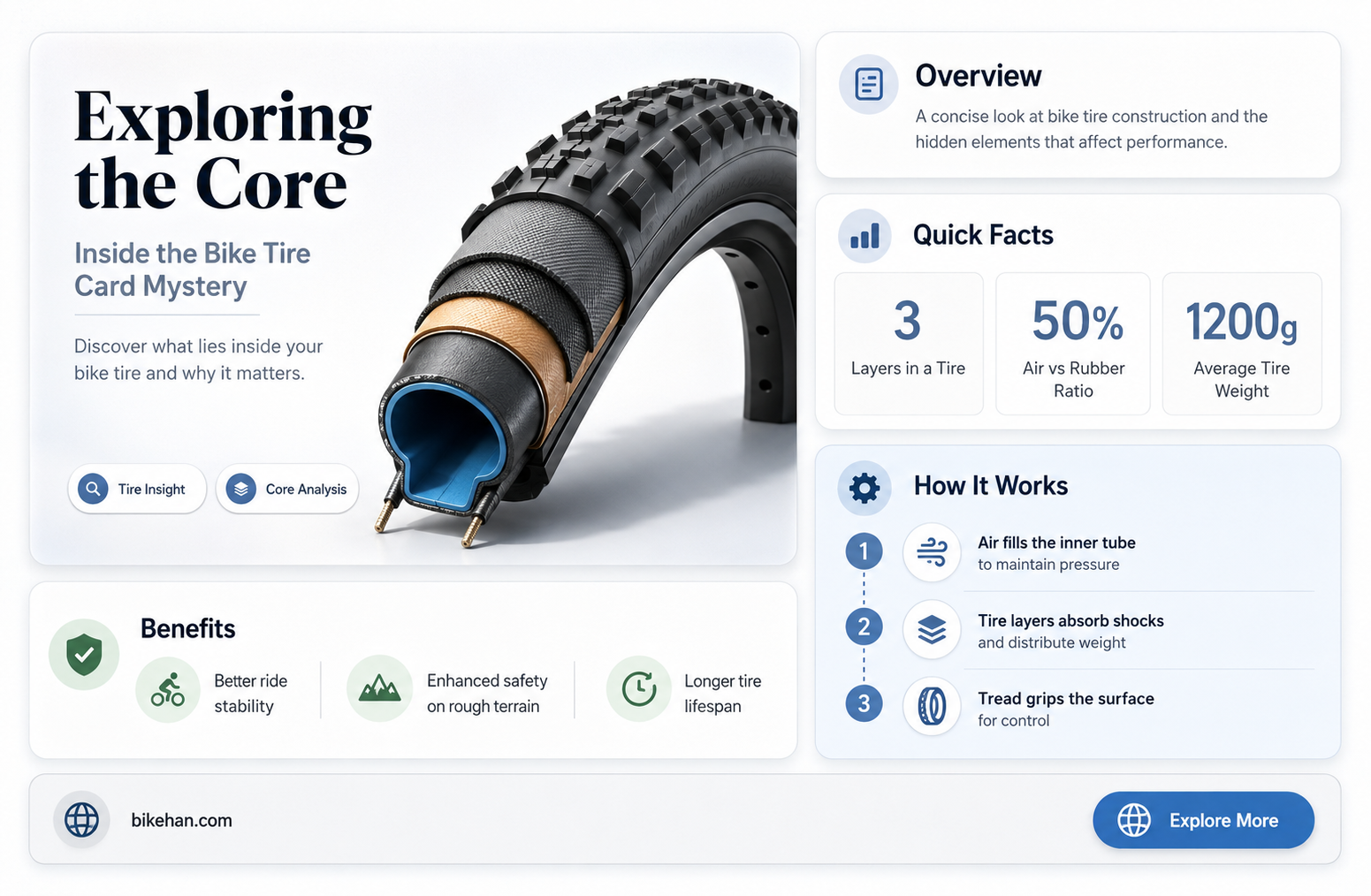
The inner part of a bike tire, often referred to as the tire's carcass or casing, is a critical component that determines the tire's strength, durability, and overall performance. It is typically made from layers of fabric, such as nylon or polyester, that are bonded together with rubber. This construction provides the necessary support to withstand the pressures exerted during cycling. The carcass also plays a key role in maintaining the tire's shape and ensuring a smooth ride by absorbing shocks and vibrations from the road. Understanding the composition and function of the inner part of a bike tire is essential for cyclists and bike enthusiasts, as it can impact tire selection, maintenance, and overall riding experience.
Explore related products


What You'll Learn
- Composition: Materials used inside bike tires, such as rubber, steel, and nylon
- Structure: Detailed layers and components, including the carcass, inner liner, and tread
- Functionality: How each part contributes to the tire's performance, like puncture resistance and grip
- Maintenance: Tips for checking and maintaining tire health, ensuring safety and longevity
- Innovations: Recent advancements in tire technology, focusing on sustainability and efficiency

Composition: Materials used inside bike tires, such as rubber, steel, and nylon
Bike tires are composed of several materials, each serving a specific purpose to ensure durability, performance, and safety. The primary material used in the construction of bike tires is rubber. This rubber is typically a blend of natural and synthetic compounds, providing a balance between flexibility, strength, and resistance to wear and tear. The rubber is vulcanized, a process that involves heating the rubber with sulfur to create cross-links between the polymer chains, resulting in a more durable and elastic material.
Steel is another crucial component found inside bike tires, particularly in the form of steel cords or wires. These steel reinforcements are embedded within the rubber to provide additional strength and support, helping to maintain the tire's shape and integrity under pressure. Steel is chosen for its high tensile strength, resistance to fatigue, and ability to withstand the stresses encountered during cycling.
Nylon is also commonly used in bike tires, often in the form of nylon fibers or cords. These nylon reinforcements are lighter than steel and offer excellent resistance to abrasion and punctures. Nylon is particularly useful in high-performance and racing tires, where weight savings and enhanced durability are critical.
In addition to these primary materials, bike tires may also incorporate other components such as polyester fibers, aramid (Kevlar), and various types of rubber compounds to achieve specific performance characteristics. For example, some tires may use a softer rubber compound in the tread area to improve grip, while others may use a harder compound in the sidewalls to enhance durability.
The combination of these materials results in a complex structure that is designed to withstand the rigors of cycling while providing a smooth and efficient ride. Understanding the composition of bike tires can help cyclists make informed decisions when selecting tires for their specific needs and riding conditions.
Exploring the Inertia of a Bike Tire: A Comprehensive Guide
You may want to see also
Explore related products


Structure: Detailed layers and components, including the carcass, inner liner, and tread
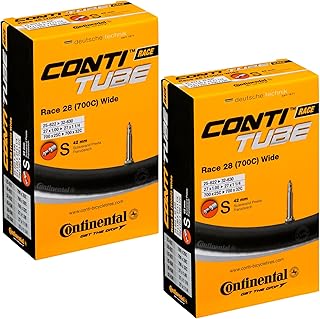
The inner part of a bike tire, often referred to as the "inner liner" or "tube," is a crucial component that ensures the tire's functionality and safety. This layer is typically made from a flexible, airtight material such as rubber or a synthetic polymer, designed to retain air pressure and prevent leaks. The inner liner fits snugly against the inside of the tire tread, creating a sealed environment that maintains the necessary air pressure for optimal performance.
The carcass of the tire, which is the main structural component, provides the framework for the inner liner. It is usually constructed from layers of fabric, such as nylon or polyester, that are bonded together with rubber. This layered construction offers strength, durability, and flexibility, allowing the tire to withstand the stresses of riding while maintaining its shape.
The tread, which is the outer layer of the tire, is designed to provide traction and grip on various surfaces. It is made from a harder, more abrasion-resistant rubber compound than the inner liner and carcass. The tread pattern, which can vary depending on the type of bike and intended use, features grooves and sipes that help channel water away and improve grip in different conditions.
In addition to these primary components, bike tires may also include other layers and features, such as a puncture protection layer or a reflective strip for increased visibility. The specific construction and materials used can vary depending on the manufacturer and the intended use of the tire, ranging from road racing to off-road mountain biking.
Understanding the structure and components of a bike tire is essential for proper maintenance and safety. Regular inspection of the tire's condition, including checking for signs of wear, damage, or punctures, can help prevent accidents and ensure a smooth, safe ride. Additionally, knowing the specific type and construction of your bike tires can help you choose the right replacement when needed and make informed decisions about tire care and maintenance.
Speeding Ahead: Unveiling the Fastest Road Bike Tires of 2024
You may want to see also
Explore related products




Functionality: How each part contributes to the tire's performance, like puncture resistance and grip
The inner part of a bike tire, often referred to as the tire's carcass, plays a crucial role in its overall functionality. This section is primarily composed of multiple layers of fabric, usually nylon or polyester, which are responsible for providing the necessary strength and durability to the tire. These fabrics are arranged in a specific pattern to ensure that the tire can withstand the various stresses it encounters during cycling, such as impacts from debris and the constant pressure of the rider's weight.
One of the key contributions of the inner part of the tire to its performance is puncture resistance. The multiple layers of fabric act as a barrier against sharp objects that might penetrate the tire's outer layer. Additionally, some tires feature a protective layer, often made of a material like Kevlar, which further enhances puncture resistance by providing an extra shield against potential punctures.
Grip is another critical aspect of tire performance that is influenced by the inner part of the tire. The fabric layers are designed to provide a stable base for the tire's tread, which is the outer layer that makes contact with the road. A well-constructed inner part ensures that the tread remains firmly attached and can flex appropriately to maintain optimal contact with the road surface, thereby improving grip and handling.
Moreover, the inner part of the tire also contributes to its overall comfort and efficiency. The fabric layers can be engineered to provide a certain level of cushioning, which helps to absorb road vibrations and reduce the amount of shock transmitted to the rider. This can lead to a smoother and more comfortable ride, especially over rough or uneven surfaces.
In conclusion, the inner part of a bike tire is a complex and essential component that significantly impacts the tire's performance in terms of puncture resistance, grip, comfort, and efficiency. By understanding the role of each layer and material used in the construction of the tire's carcass, cyclists can make more informed decisions when selecting tires for their specific needs and riding conditions.
Exploring the Distinctions: E-Bike Tires vs. Standard Bicycle Tires
You may want to see also
Explore related products


Maintenance: Tips for checking and maintaining tire health, ensuring safety and longevity
Regularly inspecting your bike tires is crucial for maintaining their health and ensuring your safety on the road. One key aspect to check is the tire pressure, which should be done at least once a month and before any long rides. Use a reliable gauge to measure the pressure and compare it to the recommended levels printed on the tire's sidewall. Inflating tires to the correct pressure not only improves ride quality but also prevents premature wear and potential blowouts.
Another important maintenance task is examining the tire tread. Look for any signs of wear, such as bald spots or cracks, which can compromise traction and increase the risk of accidents. Additionally, check for any embedded objects like nails or glass that could cause punctures. It's also a good idea to rotate your tires periodically to ensure even wear and extend their lifespan.
Proper storage is essential for maintaining tire health. When not in use, store your bike in a cool, dry place away from direct sunlight, which can degrade the rubber over time. If you need to store your bike outdoors, consider using a tire cover to protect the tires from the elements.
In addition to these regular maintenance tasks, it's important to be aware of the signs that indicate it's time to replace your tires. These include excessive wear, sidewall cracking, or any damage that exposes the inner layers of the tire. Replacing worn-out tires is a critical safety measure that can prevent accidents and improve your overall riding experience.
By following these maintenance tips, you can ensure that your bike tires remain in good condition, providing you with a safe and enjoyable ride for miles to come. Remember, taking care of your tires is an essential part of bike ownership and should not be overlooked.
Revolutionize Your Ride: The Top-Selling E-Bike Tire You Need Now
You may want to see also
Explore related products


Innovations: Recent advancements in tire technology, focusing on sustainability and efficiency
Recent advancements in tire technology have brought a significant focus on sustainability and efficiency, driven by the growing demand for eco-friendly transportation solutions. One notable innovation is the development of airless tires, which eliminate the need for frequent inflation and reduce the risk of punctures. These tires are made from advanced materials that provide a balance between durability and flexibility, ensuring a smooth ride while minimizing environmental impact.
Another key development is the use of recycled materials in tire manufacturing. Companies are increasingly incorporating recycled rubber and other sustainable components into their products, reducing waste and lowering the carbon footprint associated with tire production. This shift towards circular economy practices not only benefits the environment but also contributes to cost savings for consumers.
In addition to material innovations, there have been significant improvements in tire design aimed at enhancing efficiency. For instance, some manufacturers have introduced tires with specialized tread patterns that reduce rolling resistance, thereby improving fuel economy and extending the range of electric vehicles. These designs also contribute to better handling and safety on the road.
The integration of smart technology into tires is another area of rapid innovation. Sensors embedded within the tire can monitor various parameters such as pressure, temperature, and wear, providing real-time data to the vehicle's onboard systems. This information can be used to optimize tire performance, predict maintenance needs, and even improve vehicle safety by alerting drivers to potential issues before they become critical.
Overall, these recent advancements in tire technology demonstrate a clear trend towards more sustainable and efficient solutions. By leveraging innovative materials, designs, and smart technologies, tire manufacturers are not only addressing environmental concerns but also enhancing the overall driving experience for consumers.
Optimal Bike Tire Pressure: A Comprehensive Guide for Cyclists
You may want to see also
Frequently asked questions
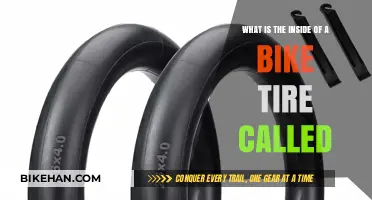
The inner part of a bike tire is called the inner tube. It's a crucial component that holds the air and helps maintain the tire's shape and the bike's ability to handle various terrains.
Bike tire inner tubes are typically made from butyl rubber, which is known for its excellent air retention properties and resistance to punctures. Some high-performance tubes may also be made from latex or other synthetic materials.
You should consider replacing your bike tire inner tube if it shows signs of wear such as cracks, cuts, or punctures that cannot be patched. Additionally, if the tube is losing air quickly or you notice a significant decrease in the tire's performance, it may be time for a replacement. Regular inspections and maintenance can help prolong the life of your inner tube.