Megan Blake
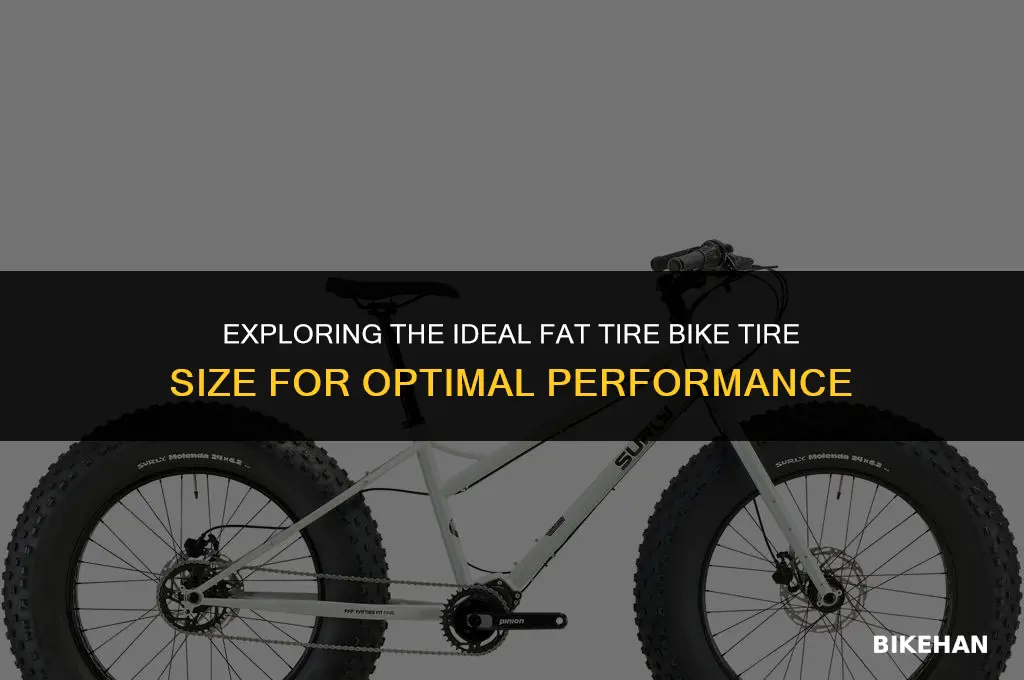
Fat tire bikes have revolutionized the cycling world with their ability to tackle diverse terrains, from sandy beaches to snowy trails. A crucial aspect of these bikes is their tire size, which significantly impacts performance and compatibility. The standard fat tire bike tire size typically ranges from 26 x 4.0 inches to 29 x 5.0 inches. The most common size is 26 x 4.8 inches, which strikes a balance between rolling efficiency and traction. Larger diameters like 29 inches offer better obstacle clearance and a smoother ride over rough surfaces, while smaller diameters provide more maneuverability. The width of the tire also plays a vital role, with wider tires offering increased stability and grip on loose surfaces. When choosing a tire size, it's essential to consider the intended use, the bike's frame compatibility, and personal riding preferences to ensure the best possible experience on your fat tire bike.
Explore related products



What You'll Learn
- Overview of Fat Tire Bikes: Brief introduction to fat tire bikes and their unique features
- Common Tire Sizes: List of standard fat tire sizes, including width and diameter measurements
- Choosing the Right Size: Factors to consider when selecting the appropriate tire size for a fat tire bike
- Impact on Performance: How different tire sizes affect the bike's performance on various terrains
- Maintenance and Care: Tips for maintaining and caring for fat tire bike tires to ensure longevity and optimal performance

Overview of Fat Tire Bikes: Brief introduction to fat tire bikes and their unique features
Fat tire bikes, also known as fat bikes, are a type of bicycle designed with oversized tires that provide increased stability and traction on various terrains. These bikes have gained popularity in recent years due to their versatility and ability to handle challenging surfaces such as sand, snow, and mud. The unique features of fat tire bikes include their wide tires, which can range from 3.5 to 5 inches in width, and their sturdy frames that are built to support the additional weight and stress of these large tires.
One of the key advantages of fat tire bikes is their ability to provide a smooth and comfortable ride on rough surfaces. The large tires absorb shocks and vibrations, making it easier for riders to navigate obstacles and maintain control. Additionally, the increased surface area of the tires provides better grip and traction, allowing riders to tackle steep inclines and slippery surfaces with confidence.
Fat tire bikes are also known for their versatility, as they can be used for a variety of activities such as commuting, mountain biking, and even beach riding. The ability to ride on different terrains makes them a popular choice for outdoor enthusiasts who want a bike that can handle any environment. Furthermore, fat tire bikes are often equipped with durable components and high-quality materials, ensuring that they can withstand the rigors of off-road riding.
In terms of maintenance, fat tire bikes require regular care and attention, including proper tire inflation, chain lubrication, and brake adjustments. It is important for riders to keep their bikes in good condition to ensure optimal performance and safety. Additionally, riders should be aware of the specific tire sizes and types that are compatible with their bikes, as well as the recommended pressure ranges for different riding conditions.
Overall, fat tire bikes offer a unique and exciting riding experience for cyclists who are looking for a bike that can handle a variety of terrains and conditions. With their oversized tires, sturdy frames, and versatile design, fat tire bikes have become a popular choice for outdoor enthusiasts and commuters alike.
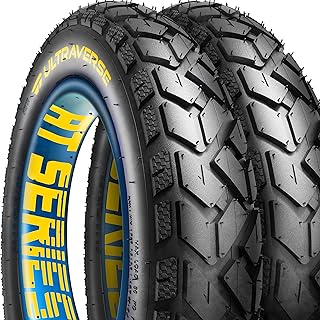
Revolutionize Your Ride: The Top-Selling E-Bike Tire You Need Now
You may want to see also
Explore related products


Common Tire Sizes: List of standard fat tire sizes, including width and diameter measurements
Fat tire bikes have revolutionized the cycling world with their ability to tackle diverse terrains, from sandy beaches to snowy trails. At the heart of this versatility are the tires themselves, which come in a variety of sizes to suit different riding styles and conditions. Understanding these sizes is crucial for any fat tire bike enthusiast looking to optimize their ride.
The most common fat tire sizes range from 3.8 inches to 5.2 inches in width, with diameters typically falling between 26 and 29 inches. These dimensions provide a balance between stability, traction, and rolling resistance. For instance, a 26 x 4.8-inch tire is a popular choice for all-around use, offering a good mix of floatation and maneuverability.
When selecting a tire size, it's important to consider the intended use. Wider tires, such as those measuring 5 inches or more, are ideal for deep sand or snow, as they provide greater floatation and prevent sinking. On the other hand, narrower tires around 3.8 to 4.2 inches are better suited for hard-packed surfaces or road use, where reduced rolling resistance is beneficial.
Another factor to consider is the rim width, which should be compatible with the chosen tire size. Rims that are too narrow may not support wider tires properly, leading to a decrease in performance and potential safety issues. Conversely, rims that are too wide may not be necessary for narrower tires and could add unnecessary weight to the bike.
In conclusion, choosing the right fat tire size involves a careful consideration of the riding conditions, personal preferences, and compatibility with the bike's components. By understanding the nuances of different tire sizes, riders can tailor their fat tire bike to deliver the best possible performance and enjoyment on any terrain.
Exploring the Core: Inside the Bike Tire Card Mystery
You may want to see also
Explore related products


Choosing the Right Size: Factors to consider when selecting the appropriate tire size for a fat tire bike
Selecting the appropriate tire size for a fat tire bike involves considering several key factors to ensure optimal performance and safety. The first factor is the bike's frame size, which directly influences the maximum tire size that can be accommodated. Larger frames typically allow for bigger tires, providing better stability and traction. However, it's crucial to check the manufacturer's recommendations for tire sizes compatible with your specific bike model.
Another important consideration is the terrain you plan to ride on. If you'll be tackling rough, off-road trails, wider tires with more aggressive tread patterns are advisable for improved grip and shock absorption. Conversely, for smoother surfaces like paved roads or groomed trails, narrower tires with less aggressive treads can offer reduced rolling resistance and higher speeds.
The weight of the rider also plays a role in tire size selection. Heavier riders may benefit from wider tires, which can distribute weight more evenly and provide better support. Additionally, the type of riding you intend to do – whether it's recreational, competitive, or utilitarian – can influence your tire size choice. For instance, competitive riders may prefer narrower, lighter tires for speed, while recreational riders might opt for wider, more durable tires for comfort and versatility.
Lastly, it's essential to consider the tire's sidewall height, which affects the bike's overall handling and stability. Taller sidewalls can provide a smoother ride by absorbing more road imperfections, but they may also make the bike less responsive. Shorter sidewalls offer better handling and responsiveness but can result in a harsher ride on uneven surfaces.
In conclusion, choosing the right tire size for a fat tire bike requires careful consideration of factors such as frame size, terrain, rider weight, and riding style. By taking these factors into account, you can select tires that will enhance your riding experience and ensure your safety on the trails.
Inflating Knowledge: Understanding the Pressure Within Your Bike Tires
You may want to see also
Explore related products


Impact on Performance: How different tire sizes affect the bike's performance on various terrains
The impact of different tire sizes on a bike's performance across various terrains is significant and multifaceted. Larger tires, often referred to as fat tires, provide increased stability and traction on loose or uneven surfaces such as sand, snow, and gravel. This is due to their wider contact patch with the ground, which distributes the rider's weight more evenly and prevents sinking into soft terrain. However, larger tires also come with a weight penalty, which can make the bike more challenging to maneuver and accelerate, especially on paved surfaces.
On the other hand, smaller tires are generally lighter and more aerodynamic, making them more efficient on smooth, hard surfaces like asphalt and concrete. They allow for quicker acceleration and higher top speeds, which can be advantageous in racing or time-trial scenarios. However, smaller tires have a narrower contact patch, which can lead to reduced traction and increased risk of slipping on wet or loose surfaces.
The choice of tire size ultimately depends on the specific riding conditions and the rider's preferences. For example, a rider who frequently tackles off-road trails and rough terrain may benefit from the added stability and traction of larger tires, while a rider who primarily rides on paved roads may prefer the efficiency and speed of smaller tires.
In addition to the direct impact on performance, different tire sizes can also affect the bike's handling characteristics. Larger tires can make the bike feel more stable and planted, but they may also reduce the bike's agility and responsiveness. Smaller tires, on the other hand, can make the bike feel more nimble and quick, but they may also increase the risk of losing control on slippery surfaces.
When considering the impact of tire size on performance, it's also important to factor in the tire's tread pattern and compound. Tires with more aggressive tread patterns and softer compounds can provide better traction and grip, but they may also wear out more quickly and be less efficient on smooth surfaces. Conversely, tires with smoother tread patterns and harder compounds can be more efficient on paved roads, but they may offer less traction and control on rough terrain.
In conclusion, the choice of tire size is a critical factor in determining a bike's performance on various terrains. Riders should carefully consider their specific riding conditions, preferences, and the trade-offs between stability, traction, efficiency, and handling when selecting the optimal tire size for their bike.
Optimizing Performance: Understanding Road Bike Tire PSI
You may want to see also
Explore related products


Maintenance and Care: Tips for maintaining and caring for fat tire bike tires to ensure longevity and optimal performance
Regularly inspecting your fat tire bike tires is crucial for maintaining their longevity and performance. Check for any signs of wear, such as cracks, cuts, or embedded debris. It's also important to monitor the tire pressure, as fat tires typically require lower pressure than standard tires. Use a reliable gauge to ensure the pressure is within the recommended range, usually between 5-35 PSI, depending on the specific tire model and riding conditions.
Cleaning your fat tire bike tires is an essential part of maintenance. Use a soft brush or cloth to remove any dirt, mud, or debris that may have accumulated on the tires. For more thorough cleaning, you can use a mild soap solution and a sponge. Be sure to rinse the tires thoroughly and dry them completely to prevent any moisture buildup that could lead to damage.
Proper storage is key to extending the life of your fat tire bike tires. When not in use, store your bike in a cool, dry place away from direct sunlight. If you need to store your bike for an extended period, consider removing the tires and storing them separately. This will help prevent any potential damage from prolonged exposure to the elements or UV radiation.
Rotating your fat tire bike tires can help ensure even wear and extend their lifespan. It's recommended to rotate your tires every 500-1000 miles, depending on your riding habits and conditions. When rotating your tires, be sure to check the valve stems and replace them if necessary. This will help prevent any potential leaks and ensure proper inflation.
Finally, it's important to address any issues with your fat tire bike tires promptly. If you notice any signs of damage or wear, such as sidewall bulges or punctures, replace the tire immediately. Riding on damaged tires can be dangerous and may lead to further damage to your bike or injury to yourself. By following these maintenance and care tips, you can help ensure that your fat tire bike tires provide optimal performance and longevity.
Exploring the Benefits and Uses of Fat Tire Bikes
You may want to see also
Frequently asked questions
The standard fat tire bike tire size typically ranges from 26 x 4.0 inches to 29 x 5.0 inches. The most common size is 26 x 4.8 inches.
To determine compatibility, check your bike's specifications for tire size. You can usually find this information on the bike frame or in the owner's manual. The tire size should match the recommended size for your bike.
Wider tires provide better traction and stability, especially on loose or uneven surfaces like sand, snow, and gravel. They also offer a smoother ride by absorbing more shock and vibrations.
No, regular mountain bike tires are too narrow and will not fit properly on a fat tire bike. Fat tire bikes require specific tires designed for their wider rims and larger volume.
Inflate your fat tire bike tires to the recommended pressure, which is usually between 10-30 PSI. Use a high-volume pump to reach the desired pressure, and check the tire pressure regularly to ensure optimal performance and safety.