Ryan Cole
The pressure thing inside a bike tire, commonly referred to as the inner tube, plays a crucial role in maintaining the tire's shape and providing a smooth ride. This inner tube is typically made of rubber and is designed to hold air at high pressures, which helps in supporting the weight of the cyclist and the bike. The air pressure inside the tire affects various aspects of the cycling experience, including traction, rolling resistance, and overall comfort. Proper inflation is essential to ensure optimal performance and safety while riding.
Explore related products


What You'll Learn
- Tire Inflation: The process of adding air to a tire to achieve the recommended pressure for optimal performance
- PSI (Pounds per Square Inch): The standard unit of measurement for tire pressure, indicating the force exerted by the air
- Tire Pressure Gauge: A device used to measure the air pressure inside a tire, ensuring it's within the safe range
- Impact of Pressure on Ride: How varying tire pressures affect the bike's handling, comfort, and efficiency during rides
- Causes of Pressure Loss: Factors such as punctures, leaks, and temperature changes that can lead to a decrease in tire pressure

Tire Inflation: The process of adding air to a tire to achieve the recommended pressure for optimal performance
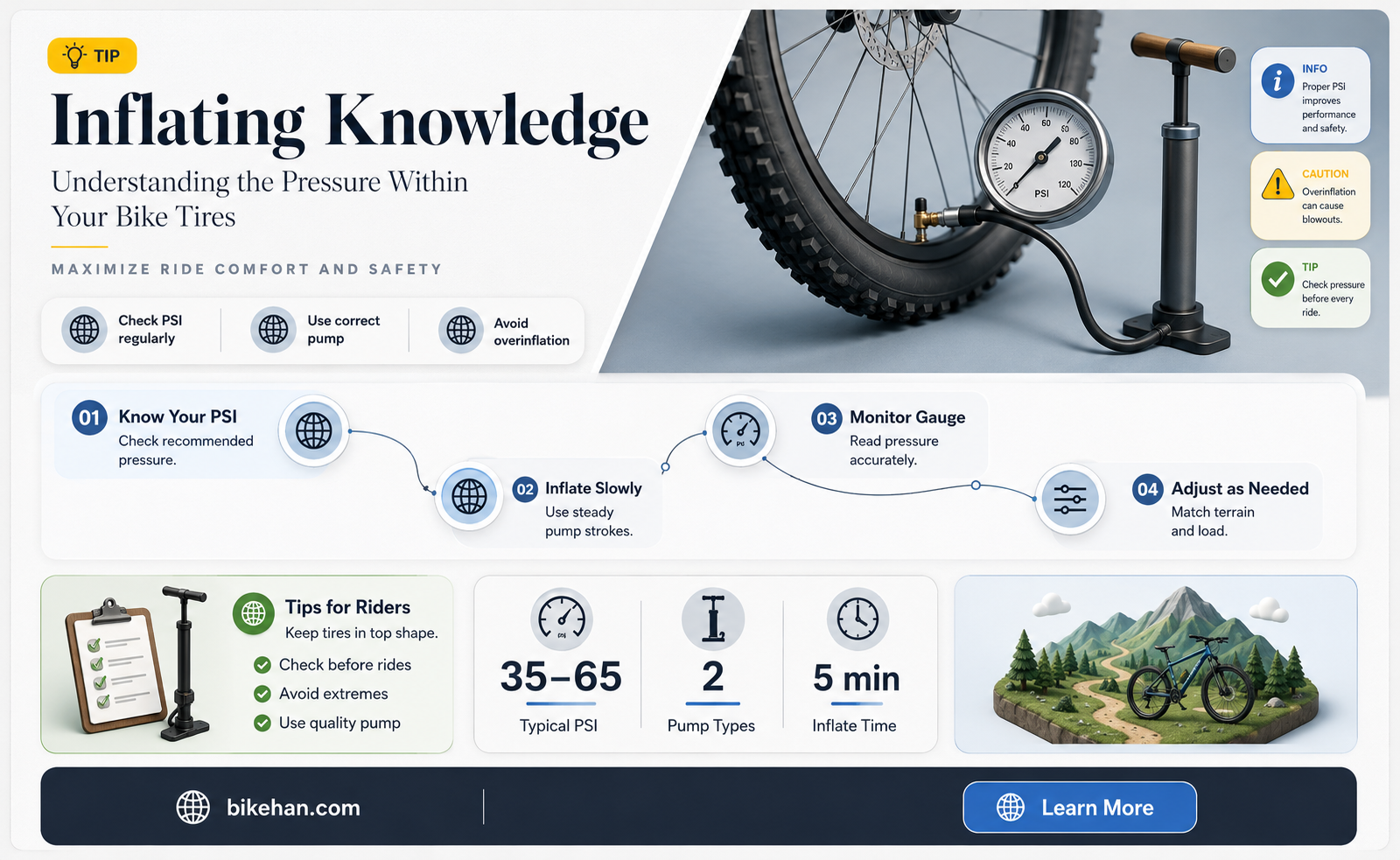
Proper tire inflation is crucial for the safety and performance of a bicycle. The process involves adding air to the tire until it reaches the recommended pressure, which is typically printed on the tire's sidewall. This pressure is measured in pounds per square inch (PSI) or bar. The recommended pressure can vary depending on the type of bicycle, the rider's weight, and the riding conditions. For example, road bikes usually require higher pressures (around 80-120 PSI) for better speed and efficiency on smooth surfaces, while mountain bikes need lower pressures (around 30-50 PSI) for improved traction on rough terrain.
To inflate a tire, you'll need a pump that is compatible with the tire's valve type. There are three main types of valves: Schrader, Presta, and Dunlop. Schrader valves are the most common and are similar to those found on car tires. Presta valves are narrower and have a locking nut mechanism, while Dunlop valves are less common and have a different shape. Once you have the correct pump, attach it to the valve and pump air into the tire until it reaches the desired pressure. Be sure to check the pressure regularly with a gauge to ensure accuracy.
Overinflating or underinflating a tire can lead to various problems. Overinflated tires can be too hard, making for a harsh ride and increasing the risk of punctures. Underinflated tires can be too soft, leading to poor handling and increased rolling resistance. It's important to find the right balance to ensure a smooth and safe ride. Additionally, tire pressure can affect the bike's overall performance, including its speed, handling, and comfort.
In conclusion, proper tire inflation is essential for the optimal performance and safety of a bicycle. By understanding the recommended pressure for your specific bike and conditions, and using the correct pump and valve type, you can ensure that your tires are inflated to the right level. Regularly checking and adjusting the pressure will help maintain your bike's performance and provide a smoother, safer ride.
Exploring the Advantages: What's the Point of a Fat Tire Bike?
You may want to see also
Explore related products


PSI (Pounds per Square Inch): The standard unit of measurement for tire pressure, indicating the force exerted by the air
PSI, or Pounds per Square Inch, is the standard unit of measurement for tire pressure. It indicates the force exerted by the air inside the tire onto the tire's inner walls. Understanding PSI is crucial for maintaining optimal tire performance, safety, and longevity.
Tire pressure directly affects the tire's contact patch with the road, influencing traction, handling, and fuel efficiency. Properly inflated tires ensure a larger contact patch, which improves grip and reduces the risk of hydroplaning. Conversely, underinflated tires have a smaller contact patch, leading to decreased traction and increased wear on the tire's edges.
The recommended tire pressure for a bicycle varies depending on the type of bike, the rider's weight, and the riding conditions. For example, road bikes typically require higher pressures (around 80-120 PSI) for smooth pavement, while mountain bikes need lower pressures (around 30-50 PSI) for off-road terrain. Checking and adjusting tire pressure regularly is essential to maintain optimal performance and safety.
To measure tire pressure, you'll need a tire pressure gauge. Simply remove the valve cap, press the gauge onto the valve stem, and read the pressure. If the pressure is too low, use a pump to inflate the tire to the recommended level. If the pressure is too high, release some air by pressing the valve stem or using a tire pressure bleeder.
It's important to note that tire pressure can fluctuate with temperature changes. As the temperature rises, the air inside the tire expands, increasing the pressure. Conversely, as the temperature drops, the air contracts, decreasing the pressure. Therefore, it's a good practice to check tire pressure more frequently during extreme temperature changes.
In conclusion, understanding and maintaining proper tire pressure is essential for safe and efficient cycling. By regularly checking and adjusting tire pressure, cyclists can ensure optimal performance, reduce the risk of accidents, and extend the life of their tires.
Optimal Bike Tire Pressure: A Comprehensive Guide for Cyclists
You may want to see also
Explore related products


Tire Pressure Gauge: A device used to measure the air pressure inside a tire, ensuring it's within the safe range
A tire pressure gauge is an essential tool for any cyclist, as it allows you to accurately measure the air pressure inside your bike tires. This is crucial for ensuring optimal performance, safety, and longevity of your tires. But what exactly is a tire pressure gauge, and how does it work?
At its core, a tire pressure gauge is a device that measures the force exerted by the air inside a tire. This force is typically measured in units of pressure, such as pounds per square inch (PSI) or bar. The gauge works by attaching it to the tire's valve stem and opening the valve to allow air to flow into the gauge. The gauge then displays the pressure reading, which you can use to determine if your tires are inflated to the correct level.
There are several types of tire pressure gauges available, each with its own unique features and benefits. Digital gauges are popular for their ease of use and accuracy, while analog gauges are often more affordable and durable. Some gauges even come with additional features, such as the ability to measure temperature or store pressure readings for multiple tires.
Using a tire pressure gauge is a simple process, but it's important to follow the correct steps to ensure accurate readings. First, make sure your bike is on a flat surface and the tires are cool to the touch. Then, remove any valve caps or covers and attach the gauge to the valve stem. Open the valve to allow air to flow into the gauge, and wait for the reading to stabilize. Finally, compare the reading to the recommended pressure for your specific bike and tire type, and adjust as necessary.
Regularly checking your tire pressure with a gauge is an important part of bike maintenance. Properly inflated tires can improve your bike's handling, reduce the risk of punctures, and even help you ride more efficiently. By understanding how a tire pressure gauge works and how to use it correctly, you can ensure that your bike is always ready for a safe and enjoyable ride.
Unpoppable: The Quest for the Ultimate Puncture-Resistant Bike Tire
You may want to see also
Explore related products



Impact of Pressure on Ride: How varying tire pressures affect the bike's handling, comfort, and efficiency during rides
The pressure inside a bike tire plays a crucial role in determining the overall riding experience. Proper tire pressure can significantly impact the bike's handling, comfort, and efficiency. When tires are inflated to the correct pressure, they provide the right balance of cushioning and responsiveness, allowing for a smoother and more controlled ride.
One of the key effects of tire pressure on a bike's handling is its influence on traction. Underinflated tires have a larger contact patch with the road, which can improve grip in certain conditions, such as when riding on loose or uneven surfaces. However, this increased traction comes at the cost of higher rolling resistance, which can make pedaling more strenuous and reduce overall efficiency. On the other hand, overinflated tires have a smaller contact patch, which can lead to reduced traction and a harsher ride, especially on rough terrain.
Tire pressure also affects the comfort of a bike ride. Underinflated tires can absorb more road vibrations and shocks, providing a more cushioned ride that is easier on the rider's body. This can be particularly beneficial for long-distance rides or when traversing rough roads. Conversely, overinflated tires transmit more road vibrations to the rider, which can lead to discomfort and fatigue over time.
In terms of efficiency, maintaining the correct tire pressure is essential for minimizing rolling resistance and maximizing the bike's performance. Underinflated tires create more friction with the road, which can slow the bike down and make it more difficult to maintain speed. Overinflated tires, while reducing rolling resistance, can also lead to a less comfortable ride and increased risk of punctures or blowouts.
To ensure optimal performance and comfort, it is important for cyclists to regularly check and adjust their tire pressure. The ideal pressure will vary depending on factors such as the rider's weight, the type of bike, and the riding conditions. By experimenting with different pressures and paying attention to how the bike responds, riders can find the perfect balance for their individual needs and preferences.
Rolling into Speed: The Fastest Fat Bike Tires for Your Adventures
You may want to see also
Explore related products


Causes of Pressure Loss: Factors such as punctures, leaks, and temperature changes that can lead to a decrease in tire pressure
Punctures are a common cause of pressure loss in bike tires. When a sharp object, such as a nail or glass shard, penetrates the tire's rubber, it creates a hole through which air can escape. This can happen suddenly, causing a rapid loss of pressure, or it can be a slow leak that takes time to notice. Regularly inspecting your tires for embedded objects and maintaining a safe distance from debris on the road can help minimize the risk of punctures.
Leaks can also lead to pressure loss, often due to damaged or worn-out tire valves. The valve is the component where you attach the pump to inflate the tire, and it can become compromised over time or through misuse. For example, over-inflating the tire can cause the valve to stretch or tear, leading to a slow leak. Additionally, dirt and grime can accumulate around the valve, creating a path for air to escape. Keeping your valves clean and properly inflated can help prevent leaks.
Temperature changes can also affect tire pressure. As the temperature drops, the air inside the tire contracts, causing the pressure to decrease. Conversely, when the temperature rises, the air expands, increasing the pressure. This is why it's important to check your tire pressure regularly, especially during extreme weather conditions. Adjusting the pressure as needed can help ensure optimal performance and safety.
Other factors that can contribute to pressure loss include tire age and condition, improper installation, and damage from impacts or abrasions. As tires age, the rubber can become brittle and more prone to cracking, which can lead to leaks. Improperly installed tires may not seal correctly against the rim, causing air to escape. And impacts from potholes or other road hazards can damage the tire's internal structure, leading to a loss of pressure. Regular maintenance and inspections can help identify and address these issues before they become major problems.
Exploring the Largest Fat Bike Tires: A Comprehensive Guide
You may want to see also
Frequently asked questions
The pressure thing inside a bike tire is the air pressure, which is the force exerted by the air molecules within the tire. It is typically measured in pounds per square inch (PSI) or bar.
Maintaining the correct air pressure in a bike tire is crucial for several reasons. Firstly, it ensures optimal performance and handling of the bike. Secondly, it helps prevent tire punctures and damage. Thirdly, it improves the overall safety of the bike by providing better traction and stability.
To check the air pressure in your bike tire, you can use a tire pressure gauge. Simply remove the valve cap, press the gauge onto the valve stem, and read the pressure displayed on the gauge. If the pressure is too low, you can use a bike pump to inflate the tire to the recommended pressure. If the pressure is too high, you can release some air by pressing the valve stem with a small tool or your fingers.