 Matthew Brooks
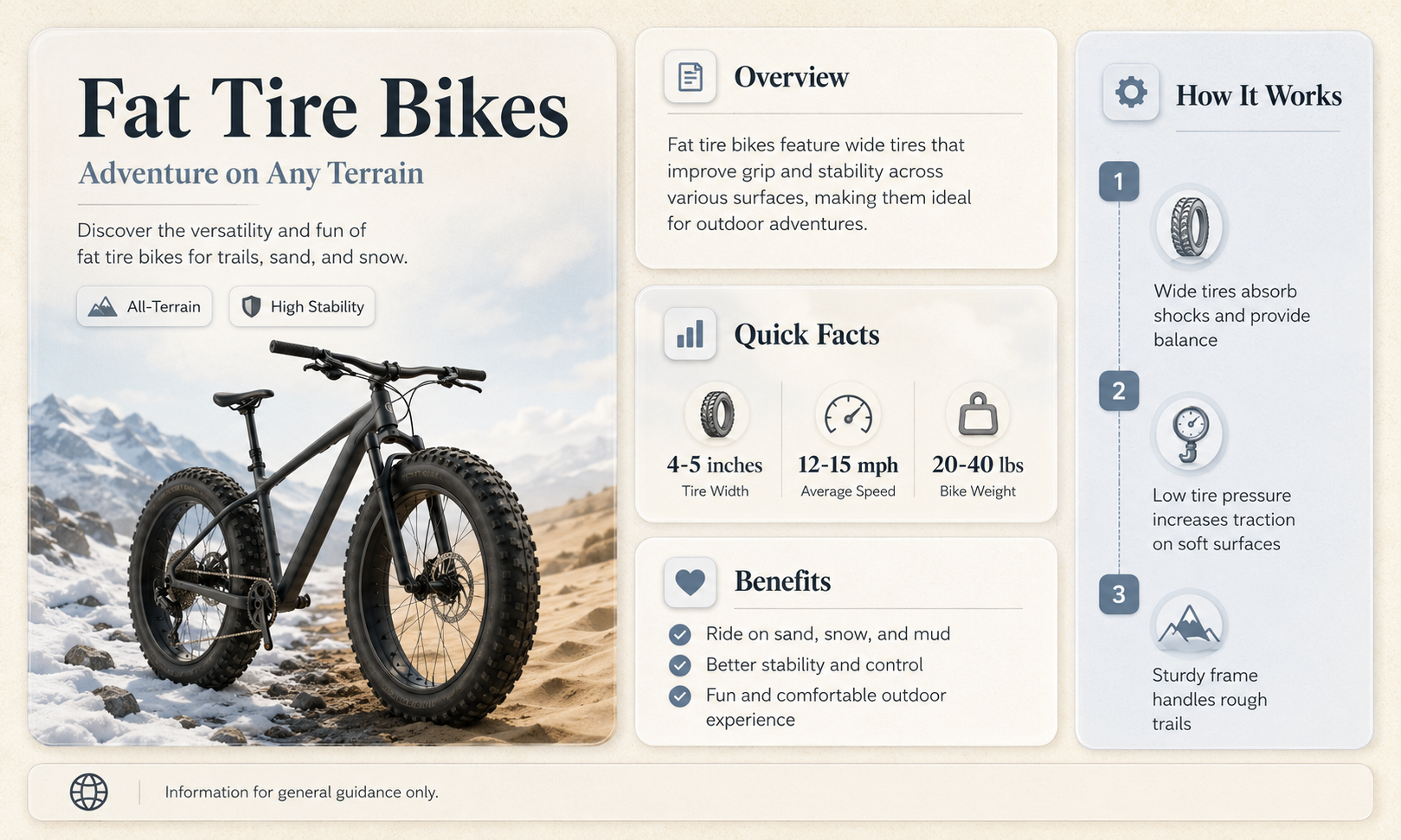
Fat tire wheels and bikes have gained popularity in recent years due to their unique design and versatility. These bikes feature oversized tires that are typically 3.8 inches wide or wider, providing increased stability, traction, and shock absorption on various terrains. The purpose of fat tire wheels and bikes is to offer a smooth and comfortable ride on surfaces such as sand, snow, gravel, and even pavement. They are ideal for outdoor enthusiasts who enjoy exploring different environments and seek a bike that can handle diverse conditions. Additionally, fat tire bikes are often used for recreational purposes, such as leisurely rides on the beach or through snowy landscapes, as well as for more intense activities like mountain biking and racing.
Explore related products


What You'll Learn
- Improved Traction: Fat tires provide better grip on various terrains like sand, snow, and mud
- Enhanced Stability: Wider tires offer a more stable ride, especially on uneven surfaces
- Increased Comfort: The larger surface area of fat tires absorbs shocks, leading to a smoother ride
- Versatility: Fat tire bikes are suitable for multiple environments, from beaches to mountain trails
- Unique Aesthetic: The distinctive look of fat tires adds a bold style to the bike

Improved Traction: Fat tires provide better grip on various terrains like sand, snow, and mud
Fat tires are renowned for their ability to provide superior traction on a variety of challenging terrains. This is primarily due to their wide contact patch, which distributes the rider's weight over a larger area, reducing the pressure exerted on the ground. As a result, fat tires are less likely to sink into soft surfaces like sand or mud, allowing for smoother and more controlled riding.
In snowy conditions, fat tires excel due to their ability to grip onto loose snow and ice. The deep treads on fat tires are designed to penetrate the snow, providing a stable platform for the rider. This is particularly beneficial when navigating steep inclines or slippery descents, where maintaining traction is crucial for safety.
Moreover, fat tires are not limited to extreme conditions; they also offer improved grip on everyday surfaces. For instance, when riding on wet pavement or gravel, fat tires provide a more secure footing, reducing the risk of slipping or losing control. This makes them a popular choice for commuters and recreational riders who want to ensure a safe and comfortable ride in various weather conditions.
The unique design of fat tires also allows for lower tire pressures, which can further enhance traction. By running fat tires at lower pressures, riders can increase the contact area between the tire and the ground, improving grip and stability. This is especially useful when tackling technical trails or off-road terrain, where maintaining traction is essential for navigating obstacles and maintaining speed.
In conclusion, fat tires provide improved traction on a wide range of terrains, from sand and snow to mud and gravel. Their wide contact patch, deep treads, and ability to run at lower pressures make them an ideal choice for riders seeking a more secure and controlled riding experience. Whether you're a seasoned off-roader or a casual commuter, fat tires can help you tackle challenging conditions with confidence and ease.
Decoding Bike Tire Sizes: A Comprehensive Guide for Cyclists
You may want to see also
Explore related products


Enhanced Stability: Wider tires offer a more stable ride, especially on uneven surfaces
Wider tires, often referred to as fat tires, significantly enhance the stability of a bicycle, particularly when navigating uneven terrain. This increased stability stems from the larger contact patch that wider tires provide, which distributes the rider's weight more evenly across the surface. As a result, the bike is less likely to tip or wobble, offering a smoother and more controlled ride.
One of the key benefits of wider tires is their ability to absorb shocks and vibrations more effectively. This is due to the increased volume of air within the tire, which acts as a natural cushion. When riding over obstacles such as rocks, roots, or potholes, the impact is dampened, reducing the strain on both the bike and the rider. This feature is especially advantageous for off-road cycling, where rough and unpredictable surfaces are common.
In addition to improved stability and shock absorption, wider tires also provide better traction. The increased surface area allows for more grip on loose or slippery surfaces, such as sand, mud, or wet pavement. This enhanced traction not only improves control but also increases safety, as it reduces the likelihood of skidding or losing balance.
However, it's important to note that wider tires are not without their drawbacks. They can be heavier and more cumbersome than traditional tires, which may affect the bike's overall maneuverability and speed. Additionally, they may require more effort to pedal, especially on smooth surfaces where the added rolling resistance is not offset by the benefits of increased stability and traction.
Despite these potential downsides, the advantages of wider tires make them a popular choice for many cyclists, particularly those who prioritize stability and control. Whether you're tackling challenging off-road trails or simply looking for a more comfortable and secure ride on city streets, fat tire wheels can provide a valuable upgrade to your cycling experience.
Exploring the Purpose and Appeal of Fat-Tired Bikes: A Comprehensive Guide
You may want to see also
Explore related products


Increased Comfort: The larger surface area of fat tires absorbs shocks, leading to a smoother ride
Fat tire bikes are renowned for their ability to provide a comfortable ride, especially on rough terrain. The secret behind this comfort lies in the larger surface area of the tires. Unlike traditional bike tires, fat tires have a width that can range from 3.5 to 5 inches or more. This increased width allows the tires to absorb shocks more effectively, leading to a smoother ride.
When a bike with fat tires encounters an obstacle, such as a rock or a pothole, the large surface area of the tires distributes the impact over a wider region. This distribution reduces the amount of shock that is transmitted to the rider, resulting in a more comfortable experience. Additionally, the lower air pressure in fat tires allows them to conform better to the surface, further enhancing their shock-absorbing capabilities.
The benefits of this increased comfort are particularly noticeable during long rides or when traversing challenging landscapes. Riders can maintain their focus and energy, as they are less fatigued by the constant jolts and vibrations that are typical with narrower tires. This makes fat tire bikes an excellent choice for adventure cyclists, commuters, and anyone who values a more comfortable and enjoyable riding experience.
Moreover, the design of fat tire bikes often includes features that further enhance comfort, such as wider handlebars for better control and more upright seating positions to reduce strain on the back and neck. These design elements, combined with the shock-absorbing properties of the tires, create a bike that is not only fun to ride but also easy on the body.
In conclusion, the larger surface area of fat tires plays a crucial role in providing a smoother and more comfortable ride. By absorbing shocks more effectively and conforming better to the surface, fat tires allow riders to enjoy their cycling experience with reduced fatigue and increased comfort.
Unpoppable: The Quest for the Ultimate Puncture-Resistant Bike Tire
You may want to see also
Explore related products


Versatility: Fat tire bikes are suitable for multiple environments, from beaches to mountain trails
Fat tire bikes have revolutionized the cycling world with their incredible versatility, allowing riders to explore a wide range of environments that were previously inaccessible to traditional bicycles. From sandy beaches to rugged mountain trails, these bikes have proven their ability to adapt to various terrains, making them a popular choice among outdoor enthusiasts.
One of the key features that contribute to the versatility of fat tire bikes is their large, wide tires. These tires provide increased stability and traction on loose or uneven surfaces, such as sand, snow, and gravel. This allows riders to maintain control and confidence while navigating challenging landscapes. Additionally, the tires' ability to absorb shocks and vibrations enhances the overall riding experience, reducing fatigue and increasing comfort during long rides.
Fat tire bikes are also well-suited for off-road adventures, such as mountain biking and trail riding. Their robust frames and suspension systems are designed to withstand the rigors of rough terrain, while the wide tires provide the necessary grip to tackle steep inclines and sharp turns. This makes them an excellent choice for riders who enjoy exploring the great outdoors and pushing their limits on challenging trails.
Furthermore, fat tire bikes are not limited to off-road use; they can also be used for commuting and urban riding. Their stability and comfort make them a practical option for navigating city streets and sidewalks, while their unique appearance adds a touch of style to the daily commute.
In conclusion, the versatility of fat tire bikes is a testament to their innovative design and engineering. Whether you're a beachcomber, a mountain biker, or an urban commuter, these bikes offer a unique and enjoyable riding experience that is unmatched by traditional bicycles.
Exploring the Advantages: What's the Point of a Fat Tire Bike?
You may want to see also
Explore related products


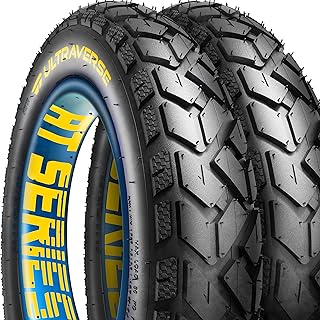

Unique Aesthetic: The distinctive look of fat tires adds a bold style to the bike
Fat tire bikes have revolutionized the cycling world with their unique aesthetic and functional design. The distinctive look of fat tires adds a bold style to the bike, making it stand out from traditional bicycles. This eye-catching appearance is not just for show; it serves a practical purpose as well. The wide tires provide increased stability and traction, allowing riders to tackle a variety of terrains with ease.
One of the key benefits of fat tire bikes is their versatility. They can be used on sand, snow, mud, and even rocky trails, making them ideal for adventure seekers and outdoor enthusiasts. The large tires also absorb shocks and vibrations, resulting in a smoother ride on rough surfaces. This combination of style and functionality has made fat tire bikes a popular choice among cyclists looking for a unique and capable ride.
In addition to their practical advantages, fat tire bikes have also become a fashion statement. The bold look of the wide tires and the often colorful frames have made these bikes a favorite among those who want to make a statement on the road or trail. The unique aesthetic of fat tire bikes has even inspired a new wave of cycling culture, with riders embracing the "fat bike" lifestyle and participating in events and races specifically designed for these bikes.
Overall, the distinctive look of fat tires adds a bold style to the bike that is both functional and fashionable. Whether you're looking for a versatile bike that can handle any terrain or simply want to make a statement on your next ride, a fat tire bike is a great choice.
Exploring the Tattico Bike Tire App: A Cyclist's Guide
You may want to see also
Frequently asked questions
Fat tire wheels and bikes are designed for enhanced stability and traction on various terrains, including sand, snow, and gravel. The wide tires provide a larger contact area with the ground, which helps in distributing the rider's weight more evenly and prevents sinking into soft surfaces.
Fat tire bikes differ from regular bikes in that they offer superior performance on rough and uneven terrains. The increased width of the tires allows for better grip and control, making them ideal for off-road adventures and challenging weather conditions. However, they may be slower and more cumbersome on smooth, paved roads compared to regular bikes.
The advantages of using fat tire wheels on a bike include improved traction, increased stability, and the ability to ride on a wider range of surfaces. Fat tires can also provide a smoother ride by absorbing more of the bumps and shocks from the terrain, reducing the impact on the rider.
Fat tire bikes are not suitable for all types of cycling activities. While they excel in off-road conditions and can handle various terrains, they are not the best choice for activities that require high speed and efficiency on paved roads, such as road racing or long-distance touring. For these activities, a regular bike with narrower tires would be more appropriate.
Fat tire wheels generally increase the overall weight of a bike due to the larger size and volume of the tires. This can make the bike more challenging to maneuver, especially in tight spaces or when climbing steep inclines. However, the added weight and bulk can also contribute to the bike's stability and durability, making it a trade-off between maneuverability and performance in certain conditions.


