Matthew Brooks
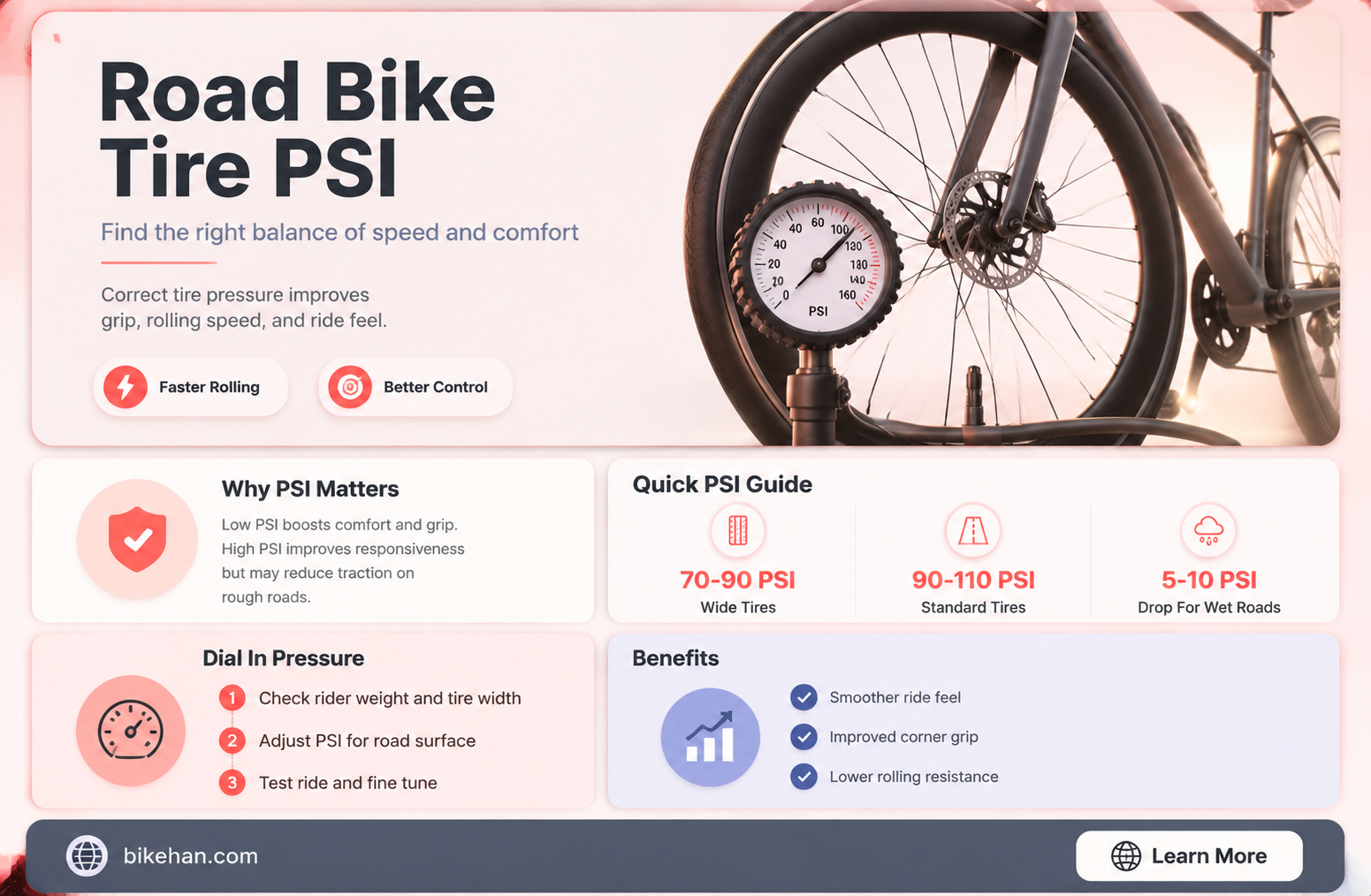
The optimal tire pressure for road bike tires, measured in pounds per square inch (PSI), is a critical aspect of cycling performance and safety. Proper tire inflation ensures efficient energy transfer, enhances grip, and minimizes the risk of punctures. For road bikes, the typical PSI range varies depending on factors such as rider weight, road conditions, and personal preference. Generally, a higher PSI is suitable for smooth, paved surfaces, while a lower PSI can provide better traction and comfort on rough or uneven terrain. It is essential for cyclists to regularly check and adjust tire pressure to maintain optimal performance and prevent potential accidents.
Explore related products




What You'll Learn
- Recommended PSI Ranges: Optimal pressure ranges for road bike tires vary by tire type and rider weight
- Impact on Performance: Tire pressure affects rolling resistance, grip, and overall handling of the bike
- Tire Types and PSI: Different tire types (clincher, tubular, tubeless) may require specific pressure ranges
- Environmental Factors: Adjusting tire pressure based on weather conditions and road surfaces for optimal performance
- Tools and Techniques: Using tire pressure gauges and pumps to accurately measure and adjust tire pressure

Recommended PSI Ranges: Optimal pressure ranges for road bike tires vary by tire type and rider weight
The optimal pressure ranges for road bike tires are not one-size-fits-all. They vary significantly based on tire type and rider weight. For instance, a lightweight rider on a narrow, high-pressure tire may require a PSI range of 80-120, while a heavier rider on a wider tire might need a lower range of 40-70 PSI. This variation is crucial for achieving the right balance between speed, comfort, and puncture resistance.
To determine the recommended PSI range for your specific setup, consult the tire manufacturer's guidelines. These guidelines often provide a chart or table that correlates tire width, rider weight, and recommended PSI ranges. Additionally, consider the type of riding you'll be doing. For example, if you're planning on riding on rough roads or gravel, you may want to run your tires at a slightly lower pressure to increase traction and shock absorption.
It's also important to note that tire pressure can affect the overall handling and performance of your bike. Higher pressures generally result in a faster, more responsive ride, but can also make the bike feel harsher and less comfortable. Lower pressures can provide a smoother ride, but may also increase the risk of pinch flats and reduce overall speed.
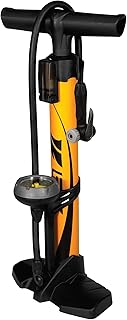
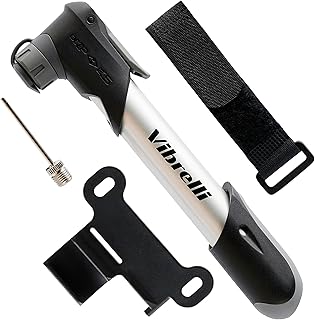
To ensure you're running your tires at the optimal pressure, invest in a good quality floor pump or hand pump with a pressure gauge. Check your tire pressure regularly, especially before long rides or when the weather changes, as temperature fluctuations can cause tire pressure to vary.
Remember, the key to finding the right PSI range for your road bike tires is to consider your specific needs and conditions. By taking into account factors such as tire type, rider weight, and riding conditions, you can optimize your tire pressure for a safe, comfortable, and efficient ride.
Inflating Knowledge: Understanding the Pressure Within Your Bike Tires
You may want to see also
Explore related products


Impact on Performance: Tire pressure affects rolling resistance, grip, and overall handling of the bike
Proper tire pressure is crucial for road bike performance, as it directly impacts rolling resistance, grip, and overall handling. Rolling resistance is the force that opposes the motion of the bike, and higher tire pressure reduces this resistance, allowing for smoother and faster rides. However, if the pressure is too high, it can lead to a harsh ride and reduced traction, especially on uneven surfaces.
Grip is another critical factor affected by tire pressure. Underinflated tires have a larger contact patch with the road, which can improve grip in dry conditions. However, this increased contact area can also lead to higher rolling resistance and slower speeds. Conversely, overinflated tires have a smaller contact patch, which can reduce grip and make it more challenging to maintain control, particularly in wet or slippery conditions.
The overall handling of the bike is also significantly influenced by tire pressure. A well-balanced pressure setting allows for responsive steering and stable cornering. If the pressure is too low, the bike may feel sluggish and less responsive, while excessively high pressure can make the bike feel twitchy and difficult to control.
To optimize performance, it's essential to find the right balance of tire pressure for your specific riding conditions and preferences. This may involve some experimentation, but a good starting point is to consult the manufacturer's recommendations for your bike and tire model. Additionally, investing in a high-quality tire pressure gauge and regularly checking and adjusting your tire pressure can help ensure that your bike is performing at its best.
Quickly Deflate Your Bike Tire: The Ultimate Guide
You may want to see also
Explore related products


Tire Types and PSI: Different tire types (clincher, tubular, tubeless) may require specific pressure ranges
Clincher tires, which are the most common type used on road bikes, typically require a PSI range of 80-120. This range can vary depending on the specific tire model, the weight of the rider, and the riding conditions. For example, a heavier rider may need to inflate their tires to a higher PSI to prevent pinch flats, while a lighter rider may be able to get away with a lower PSI for a more comfortable ride.
Tubular tires, on the other hand, require a different approach to inflation. These tires are glued to the rim and do not have a bead that can be pinched between the rim and the tire. As a result, they can be inflated to a lower PSI, typically in the range of 60-90. This lower pressure range allows for a more comfortable ride and can also improve traction on rough surfaces.
Tubeless tires are a newer technology that eliminates the need for inner tubes altogether. These tires are designed to be airtight and can be inflated to a wide range of pressures, typically between 30-70 PSI. The lower pressure range allows for a more comfortable ride and improved traction, while the higher pressure range can provide better rolling resistance and speed.
It's important to note that these are general guidelines and the optimal PSI for a given tire type may vary depending on the specific tire model, the rider's weight, and the riding conditions. Always refer to the manufacturer's recommendations for the best results.
When inflating your tires, it's important to use a high-quality pump that can accurately measure the PSI. A floor pump with a gauge is ideal, as it allows you to easily see the pressure as you inflate. Be sure to check the pressure regularly, especially before long rides, to ensure that your tires are properly inflated.
In conclusion, understanding the different tire types and their corresponding PSI ranges is crucial for maintaining a safe and comfortable ride. By following these guidelines and regularly checking your tire pressure, you can ensure that your road bike is always ready for the road.
Decoding the Mystery: What's Inside Kenda Bike Tires?
You may want to see also
Explore related products


Environmental Factors: Adjusting tire pressure based on weather conditions and road surfaces for optimal performance
Analyzing the impact of environmental factors on road bike tire pressure reveals the importance of adjustments for optimal performance. Temperature fluctuations, for instance, significantly affect tire pressure. As the temperature drops, tire pressure decreases, necessitating an increase to maintain the recommended PSI. Conversely, higher temperatures cause tire pressure to rise, requiring a reduction to prevent overinflation. This ensures consistent performance and reduces the risk of tire damage or blowouts.
Humidity also plays a crucial role in tire pressure adjustments. High humidity can lead to moisture accumulation within the tire, causing a slight increase in pressure. Although this effect is generally minimal, it's essential to monitor humidity levels, especially in regions with extreme weather conditions. Adjusting tire pressure accordingly helps maintain the desired PSI and ensures safe and efficient riding.
Road surfaces present another critical factor in determining the ideal tire pressure. Rough or uneven surfaces, such as cobblestones or gravel, require slightly lower tire pressure to improve traction and absorb shocks. This adjustment enhances comfort and control, reducing the risk of punctures or loss of control. On the other hand, smooth surfaces like paved roads or velodromes benefit from higher tire pressure, which reduces rolling resistance and improves speed and efficiency.
Altitude is an often-overlooked environmental factor that affects tire pressure. At higher altitudes, the atmospheric pressure is lower, causing tire pressure to decrease. Riders should increase tire pressure slightly to compensate for this change and maintain optimal performance. Additionally, the reduced air density at high altitudes can impact the tire's ability to grip the road, making proper pressure adjustments even more critical.
In conclusion, understanding and adapting to environmental factors is essential for road bike riders seeking optimal performance and safety. By adjusting tire pressure based on temperature, humidity, road surfaces, and altitude, riders can ensure their tires are in the best condition for any given ride. This not only enhances the overall cycling experience but also prolongs the life of the tires and reduces the risk of accidents or mechanical issues.
Exploring the World of Lightweight Fat Tire Bikes: A Comprehensive Guide
You may want to see also
Explore related products


Tools and Techniques: Using tire pressure gauges and pumps to accurately measure and adjust tire pressure
To accurately measure and adjust tire pressure on road bikes, it's essential to have the right tools and techniques. A tire pressure gauge is the primary tool needed for this task. There are several types of gauges available, including digital, analog, and floor pumps with built-in gauges. Digital gauges provide precise readings and are easy to use, while analog gauges are more traditional and require a bit more skill to read accurately. Floor pumps with built-in gauges are convenient as they allow you to pump and measure tire pressure simultaneously.
When using a tire pressure gauge, it's important to ensure that the gauge is calibrated correctly. This can be done by checking the gauge against a known accurate pressure source or by using a calibration tool. Once the gauge is calibrated, you can proceed to measure the tire pressure. To do this, remove the valve cap from the tire valve and press the gauge onto the valve. For Presta valves, which are common on road bikes, you may need to use a Presta valve adapter.
After measuring the tire pressure, you may need to adjust it to the recommended level. This can be done using a floor pump or a hand pump. When pumping, be sure to check the pressure frequently to avoid overinflating the tire. It's also important to note that tire pressure can fluctuate with temperature changes, so it's a good idea to check and adjust tire pressure regularly, especially if you ride in varying weather conditions.
In addition to having the right tools, it's also important to understand the proper techniques for measuring and adjusting tire pressure. One common mistake is to overinflate the tire, which can lead to a harsh ride and increased risk of punctures. Another mistake is to underinflate the tire, which can result in decreased performance and increased rolling resistance. By using the correct tools and techniques, you can ensure that your road bike tires are properly inflated for optimal performance and safety.
Revolutionize Your Ride: The Top-Selling E-Bike Tire You Need Now
You may want to see also
Frequently asked questions
The recommended PSI for road bike tires typically ranges from 80 to 120 PSI, depending on the rider's weight, the type of road surface, and personal preference.
Tire pressure affects road bike performance in several ways. Higher pressures can lead to a faster ride on smooth surfaces but may result in a harsher ride on rough roads. Lower pressures provide more cushioning and traction on uneven surfaces but can decrease speed and efficiency.
Factors to consider include your body weight, the type of road surfaces you'll be riding on, the weather conditions, and your personal comfort and performance preferences. Heavier riders may need higher pressures for adequate support, while lighter riders can use lower pressures for a smoother ride.
While it's common to use the same PSI for both front and rear tires, some riders prefer slightly different pressures. For example, a rider might use a lower pressure in the front tire for better handling and a higher pressure in the rear tire for improved power transfer and speed.
It's recommended to check your tire pressure at least once a week and before every long ride. Tire pressure can change with temperature fluctuations and may also decrease over time due to small punctures or leaks. Regularly checking and adjusting your tire pressure ensures optimal performance and safety.