Matthew Brooks
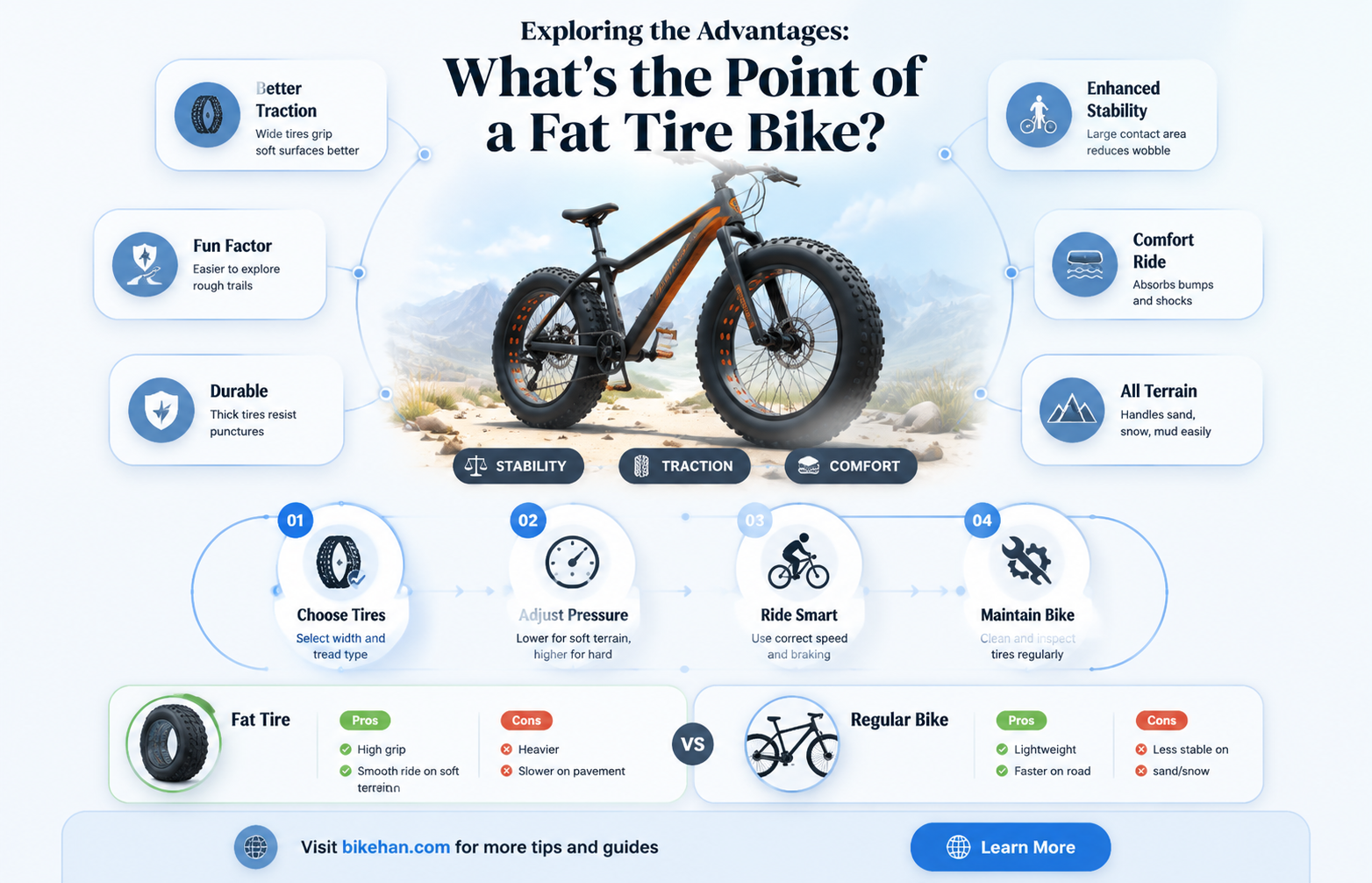
Fat tire bikes, also known as fat bikes, have gained popularity in recent years due to their unique design and versatility. These bicycles feature oversized tires that are typically 3.8 inches (97 mm) wide or wider, providing increased stability and traction on various terrains. The point of a fat tire bike is to offer riders the ability to explore a wide range of environments, from sandy beaches and snowy trails to rocky mountain paths and urban streets, with a single bike. The large tires absorb shocks and vibrations, making for a smoother ride, while also allowing for lower tire pressure, which improves grip and control. Fat tire bikes are particularly appealing to adventure seekers and outdoor enthusiasts who desire a bike that can handle diverse conditions and provide a fun, comfortable riding experience.
Explore related products


What You'll Learn
- Enhanced Stability: Fat tires provide greater stability on uneven surfaces, making them ideal for off-road adventures
- Improved Traction: The wide surface area of fat tires offers better grip on loose or slippery terrain, such as sand or snow
- Shock Absorption: Fat tires act as natural shock absorbers, reducing the impact on the rider and bike components
- Versatility: Fat tire bikes can handle a variety of terrains, from rocky trails to smooth pavement, making them highly versatile
- Fun Factor: Riding a fat tire bike is often described as more enjoyable and playful due to its unique handling characteristics

Enhanced Stability: Fat tires provide greater stability on uneven surfaces, making them ideal for off-road adventures
Fat tires are designed to provide enhanced stability on uneven surfaces, making them ideal for off-road adventures. This is due to their wide contact patch, which distributes the rider's weight over a larger area, reducing the risk of sinking into soft or loose terrain. As a result, fat tire bikes are able to maintain traction and control in conditions that would be challenging for traditional bikes.
One of the key benefits of fat tires is their ability to absorb shocks and vibrations, providing a smoother ride on rough terrain. This is particularly important for off-road adventures, where riders may encounter obstacles such as rocks, roots, and ruts. By absorbing these impacts, fat tires help to reduce rider fatigue and improve overall comfort, allowing for longer and more enjoyable rides.
In addition to their stability and shock-absorbing properties, fat tires also offer improved flotation on soft surfaces such as sand and snow. This is because the wide contact patch and low air pressure of fat tires allow them to "float" on top of these surfaces, rather than sinking in. This makes fat tire bikes a popular choice for riders who enjoy exploring beaches, deserts, and snowy landscapes.
Another advantage of fat tires is their versatility. While they are designed for off-road use, they can also be used on paved surfaces, providing a comfortable and stable ride in a variety of conditions. This makes fat tire bikes a great choice for riders who want a single bike that can handle multiple types of terrain.
Overall, the enhanced stability provided by fat tires makes them an excellent choice for off-road adventures. Their wide contact patch, shock-absorbing properties, and versatility make them a popular choice for riders who want a bike that can handle a variety of challenging conditions.
Exploring the Core: Inside the Bike Tire Card Mystery
You may want to see also
Explore related products


Improved Traction: The wide surface area of fat tires offers better grip on loose or slippery terrain, such as sand or snow
Fat tire bikes have revolutionized the cycling world by offering unparalleled traction on a variety of terrains. The wide surface area of these tires provides a significant advantage when navigating loose or slippery surfaces, such as sand or snow. This improved grip allows riders to maintain control and stability, even in challenging conditions.
One of the key benefits of fat tire bikes is their ability to distribute the rider's weight more evenly across the tire's surface. This results in a lower pressure on the ground, which in turn reduces the likelihood of sinking into soft terrain. For example, when riding on sand, a fat tire bike can float on top of the surface, rather than sinking into it like a traditional bike would.
In addition to providing better traction, fat tire bikes also offer increased stability. The wide tires create a larger contact patch with the ground, which helps to prevent the bike from tipping over. This is particularly useful when riding on uneven terrain, such as rocky trails or gravel roads.
Fat tire bikes are also well-suited for winter riding. The wide tires can be fitted with studs, which provide even better grip on icy surfaces. This makes fat tire bikes a popular choice for commuters and recreational riders who want to continue cycling throughout the winter months.
Overall, the improved traction offered by fat tire bikes makes them a versatile and capable choice for riders who want to explore a wide range of terrains. Whether you're riding on sand, snow, or rocky trails, a fat tire bike can provide the grip and stability you need to ride with confidence.
Understanding Mini Bike Tire Brakes: A Comprehensive Guide
You may want to see also
Explore related products


Shock Absorption: Fat tires act as natural shock absorbers, reducing the impact on the rider and bike components
Fat tires are renowned for their ability to absorb shocks, which is a critical advantage for riders navigating rough terrains. The large volume of air within these tires allows them to compress and conform to uneven surfaces, effectively cushioning the impact. This natural shock absorption not only enhances the comfort of the rider but also reduces the stress on the bike's components, such as the frame, fork, and wheels. As a result, fat tire bikes are less prone to damage and require less maintenance compared to their thinner-tired counterparts.
The shock-absorbing properties of fat tires are particularly beneficial for riders with joint issues or those who prefer a smoother ride. By minimizing the vibrations and jolts transmitted through the bike, fat tires can help reduce fatigue and improve overall riding experience. Additionally, the increased traction provided by the wider contact patch of fat tires contributes to better control and stability, further enhancing the rider's safety and confidence on challenging trails.
In terms of bike components, the reduced impact from fat tires can lead to longer lifespans for critical parts. For instance, the frame and fork are less likely to develop cracks or suffer from metal fatigue due to the decreased stress. Similarly, the wheels are less prone to warping or breaking spokes, as the fat tires help distribute the rider's weight more evenly and absorb the shocks from bumps and obstacles.
Moreover, the shock absorption of fat tires can also improve the bike's overall performance. By maintaining better contact with the ground, fat tires can provide more consistent and predictable handling, allowing riders to navigate technical sections with greater ease and precision. This can be particularly advantageous in competitive riding scenarios, where every second counts and maintaining control is crucial for success.
In conclusion, the shock-absorbing capabilities of fat tires are a significant factor in their popularity among cyclists. By reducing the impact on both the rider and the bike, fat tires offer a more comfortable, durable, and performance-oriented riding experience, making them an attractive choice for a wide range of cycling enthusiasts.
Revolutionizing Winter Rides: The Ultimate Snow Bike Tire Unveiled
You may want to see also
Explore related products


Versatility: Fat tire bikes can handle a variety of terrains, from rocky trails to smooth pavement, making them highly versatile
Fat tire bikes have revolutionized the cycling world with their ability to tackle diverse terrains with ease. Unlike traditional bikes, which are often limited to specific surfaces, fat tire bikes can seamlessly transition from rocky trails to smooth pavement, making them an ideal choice for adventure seekers and commuters alike.
One of the key advantages of fat tire bikes is their enhanced stability. The wide, low-pressure tires provide a larger contact area with the ground, which not only improves traction but also offers a more comfortable ride. This stability is particularly beneficial when navigating uneven surfaces, such as gravel or sand, where traditional bikes might struggle to maintain balance.
In addition to their versatility, fat tire bikes are also well-suited for all-weather conditions. The wide tires can easily roll over snow and ice, making them a popular choice for winter cycling enthusiasts. Furthermore, the increased surface area of the tires helps to distribute the rider's weight more evenly, reducing the risk of sinking into soft or muddy terrain.
For those who enjoy off-road adventures, fat tire bikes offer a unique opportunity to explore new trails and push the boundaries of what's possible on two wheels. The ability to ride on a variety of surfaces without the need for multiple bikes or specialized equipment makes fat tire bikes an attractive option for outdoor enthusiasts looking to simplify their gear and expand their horizons.
In conclusion, the versatility of fat tire bikes is a game-changer for cyclists of all levels. Whether you're a seasoned adventurer or a casual rider, these bikes provide the freedom to explore a wide range of terrains without compromising on stability or comfort. With their ability to handle everything from rocky trails to smooth pavement, fat tire bikes are a testament to the power of innovation in the cycling industry.
Exploring the World of Lightweight Fat Tire Bikes: A Comprehensive Guide
You may want to see also
Explore related products


Fun Factor: Riding a fat tire bike is often described as more enjoyable and playful due to its unique handling characteristics
Riding a fat tire bike is often likened to a joyride on a cushioned cloud, providing an unparalleled sense of fun and playfulness. The unique handling characteristics of these bikes stem from their oversized tires, which offer a smooth and stable ride even on the most challenging terrains. This makes them perfect for those seeking an adventurous yet comfortable cycling experience.
One of the key aspects that contribute to the fun factor is the bike's ability to glide effortlessly over obstacles. The large tires absorb shocks and bumps, allowing riders to tackle rocky paths, sandy beaches, and snowy trails with ease. This not only adds an element of excitement to the ride but also reduces the risk of injuries, making it a safer option for thrill-seekers.
Moreover, the increased surface area of the tires provides better traction, enabling riders to navigate slippery surfaces with confidence. This feature is particularly appealing to those who enjoy off-road cycling, as it allows them to explore new trails and push their limits without worrying about losing control.
The playful nature of fat tire bikes also extends to their versatility. These bikes can be used for a wide range of activities, from leisurely rides in the park to more intense mountain biking adventures. This adaptability makes them a popular choice among cyclists of all ages and skill levels, as they can cater to various preferences and riding styles.
In conclusion, the fun factor of riding a fat tire bike lies in its unique handling characteristics, which offer a smooth, stable, and enjoyable ride on diverse terrains. The bike's ability to absorb shocks, provide better traction, and cater to various activities makes it a versatile and appealing option for those seeking a playful and adventurous cycling experience.
Exploring the Inner Workings: What's Inside a Bike Tire?
You may want to see also
Frequently asked questions
Fat tire bikes are designed with oversized tires that provide increased stability and traction on various terrains, making them ideal for off-road cycling, snow riding, and beach cruising.
Fat tire bikes have much wider tires compared to regular bikes, which allows them to float on soft surfaces like sand and snow, and absorb shocks better on rough trails.
The advantages of riding a fat tire bike include improved grip and stability on diverse surfaces, a smoother ride over obstacles, and the ability to tackle challenging terrains that standard bikes may struggle with.
Fat tire bikes are versatile and can be used for various types of cycling, including mountain biking, commuting, and recreational riding. However, they may not be the best choice for high-speed road cycling due to increased rolling resistance.
Fat tire bikes require similar maintenance to regular bikes, such as regular tire pressure checks, chain lubrication, and brake adjustments. However, due to their larger tires, they may need more frequent cleaning to remove debris and ensure optimal performance.