Megan Blake
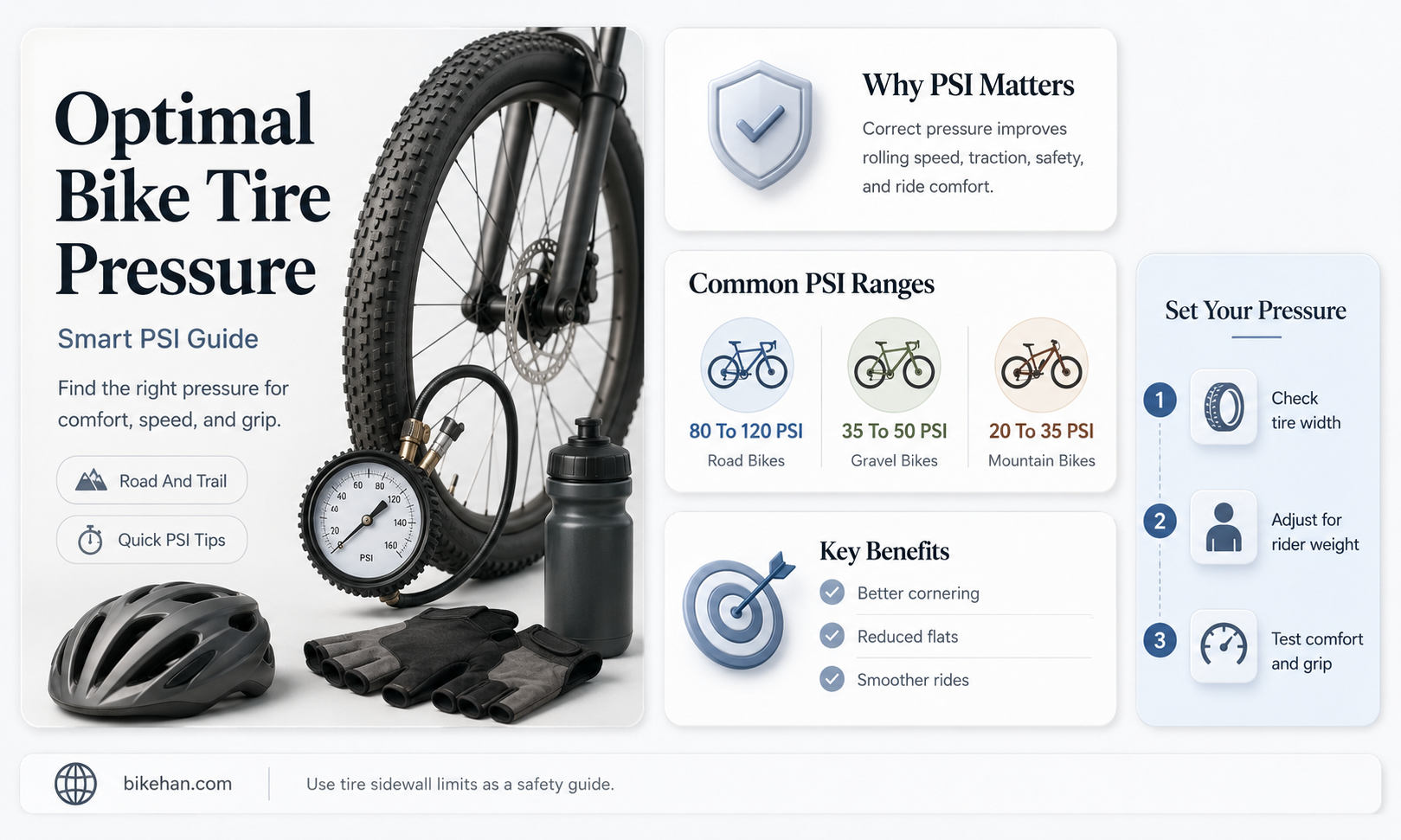
Bike tire pressure is a crucial aspect of cycling performance and safety. The ideal tire pressure depends on several factors, including the type of bike, the rider's weight, and the riding conditions. For road bikes, a higher tire pressure is generally recommended to reduce rolling resistance and improve speed, while mountain bikes and hybrid bikes may require lower pressures for better traction and comfort on varied terrain. Additionally, the rider's weight plays a significant role, as heavier riders may need higher pressures to prevent tire deformation and ensure proper support. Environmental conditions, such as temperature and road surface, can also influence the optimal tire pressure. Understanding and maintaining the correct tire pressure is essential for a smooth, efficient, and safe cycling experience.
Explore related products



What You'll Learn
- Factors Influencing Tire Pressure: Rider weight, bike type, road conditions, and personal preference affect optimal tire pressure
- Measuring Tire Pressure: Use a reliable gauge to check pressure regularly, ensuring accuracy and consistency
- Inflation Techniques: Properly inflate tires using a floor pump or CO2 cartridges, avoiding over-inflation and ensuring even pressure distribution
- Tire Pressure and Performance: Optimal pressure enhances bike handling, reduces rolling resistance, and prevents punctures and tire damage
- Adjusting for Conditions: Modify tire pressure based on weather, terrain, and load to improve safety and comfort during rides

Factors Influencing Tire Pressure: Rider weight, bike type, road conditions, and personal preference affect optimal tire pressure
Analyzing the factors that influence tire pressure reveals a complex interplay between rider weight, bike type, road conditions, and personal preference. For instance, a heavier rider will typically require higher tire pressure to ensure the tires can support their weight without bottoming out, which can lead to a harsher ride and potential tire damage. Conversely, a lighter rider may prefer lower tire pressure for a more cushioned and comfortable ride, especially on rough or uneven surfaces.
Bike type also plays a crucial role in determining optimal tire pressure. Road bikes, designed for speed and efficiency on paved surfaces, often require higher tire pressure to reduce rolling resistance and improve aerodynamics. In contrast, mountain bikes, which are built to handle off-road terrain, may benefit from lower tire pressure to enhance traction and shock absorption. Hybrid bikes, which combine elements of both road and mountain bikes, may require a middle-ground approach to tire pressure, balancing comfort, speed, and versatility.
Road conditions further complicate the equation, as different surfaces demand varying levels of tire pressure. Smooth, paved roads typically allow for higher tire pressure, which can improve speed and handling. However, rough or gravelly surfaces may necessitate lower tire pressure to provide better grip and reduce the risk of punctures or tire damage. Additionally, wet or icy conditions can affect tire pressure, as water or ice can seep into the tire's inner tube, causing it to lose air and requiring more frequent inflation.
Personal preference also plays a significant role in determining optimal tire pressure, as riders may have different priorities and riding styles. Some riders may prioritize speed and efficiency, opting for higher tire pressure, while others may prefer a more comfortable and forgiving ride, choosing lower tire pressure. Furthermore, riders may adjust their tire pressure based on their experience level, with more experienced riders potentially preferring higher tire pressure for better control and handling, while less experienced riders may opt for lower tire pressure for a more stable and forgiving ride.
In conclusion, the ideal bike tire pressure is not a one-size-fits-all solution, but rather a delicate balance of factors that must be carefully considered. By taking into account rider weight, bike type, road conditions, and personal preference, riders can optimize their tire pressure for a safer, more comfortable, and more efficient ride.
Decoding Bike Tire Sizes: A Comprehensive Guide for Cyclists
You may want to see also
Explore related products


Measuring Tire Pressure: Use a reliable gauge to check pressure regularly, ensuring accuracy and consistency
Regularly measuring tire pressure is crucial for maintaining optimal bike performance and safety. To ensure accuracy and consistency, it's essential to use a reliable gauge. There are several types of gauges available, including analog and digital options. Analog gauges are typically more affordable and easier to use, but digital gauges offer more precise readings and additional features like pressure units conversion.
Before checking the pressure, make sure the bike is on a flat surface and the tires are at room temperature. Remove the valve cap and press the gauge onto the valve stem, ensuring a secure connection. For Presta valves, you may need to use a Presta valve adapter. Once connected, read the pressure displayed on the gauge. If the pressure is too low, use a pump to inflate the tires to the recommended pressure, which can usually be found on the tire sidewall or in the bike's manual.
It's important to check tire pressure regularly, as it can fluctuate due to temperature changes, air leaks, or other factors. Aim to check the pressure at least once a week and before long rides. Consistency is key, as underinflated or overinflated tires can lead to decreased performance, increased wear, and even safety hazards.
In addition to using a reliable gauge, it's helpful to keep a tire pressure log to track changes over time. This can help you identify patterns or issues that may need to be addressed. For example, if you notice that one tire consistently loses pressure faster than the other, it may indicate a slow leak or other problem that requires attention.
By following these guidelines and using a reliable gauge, you can ensure that your bike tires are properly inflated and maintain optimal performance and safety. Remember, measuring tire pressure is a simple yet important task that should be a regular part of your bike maintenance routine.
Quickly Deflate Your Bike Tire: The Ultimate Guide
You may want to see also
Explore related products


Inflation Techniques: Properly inflate tires using a floor pump or CO2 cartridges, avoiding over-inflation and ensuring even pressure distribution
To properly inflate bike tires, it's essential to use the right tools and techniques. A floor pump or CO2 cartridges are the most common methods. Start by ensuring the tire valve is clean and free of debris. For a floor pump, attach the hose to the valve and pump air into the tire until it reaches the recommended pressure, typically found on the tire's sidewall. For CO2 cartridges, screw the cartridge into a CO2 inflator and press the lever to release the gas into the tire. Be cautious not to overinflate, as this can lead to a harsh ride and increased risk of punctures.
One common mistake is inflating the tire too quickly, which can cause the inner tube to twist or fold, leading to uneven pressure distribution. To avoid this, inflate the tire slowly and check the pressure frequently. It's also important to check the pressure on both sides of the tire, as the pressure can vary slightly from side to side. If you're using a CO2 cartridge, be aware that the gas can be cold, which may cause the tire to lose some pressure as it warms up.
For optimal performance, it's recommended to inflate your tires to the lower end of the recommended pressure range and then adjust based on your riding conditions. For example, if you're riding on rough terrain, you may want to lower the pressure slightly to improve traction and comfort. Conversely, if you're riding on smooth pavement, you may want to increase the pressure for a faster and more efficient ride.
Remember to always carry a pump or CO2 cartridges with you when you ride, in case you need to adjust the pressure on the go. Regularly checking and adjusting your tire pressure can help improve your bike's performance, reduce the risk of punctures, and ensure a safe and comfortable ride.
Rolling into Speed: The Fastest Fat Bike Tires for Your Adventures
You may want to see also
Explore related products


Tire Pressure and Performance: Optimal pressure enhances bike handling, reduces rolling resistance, and prevents punctures and tire damage
Proper tire pressure is crucial for optimal bicycle performance, as it directly impacts handling, rolling resistance, and the prevention of punctures and tire damage. When tires are inflated to the correct pressure, they maintain a balanced shape that allows for efficient energy transfer from the rider to the road. This results in improved acceleration and a smoother ride.
One of the key benefits of maintaining optimal tire pressure is the reduction of rolling resistance. When tires are underinflated, they tend to deform and create more friction with the road surface, which can significantly slow down the bicycle. On the other hand, overinflated tires can also increase rolling resistance due to their reduced ability to absorb road imperfections. By finding the ideal pressure, cyclists can minimize rolling resistance and maximize their speed and efficiency.
In addition to enhancing performance, proper tire pressure also plays a vital role in preventing punctures and tire damage. Underinflated tires are more susceptible to punctures, as they have a larger contact area with the road and are more likely to encounter sharp objects. Overinflated tires, while less prone to punctures, can be more easily damaged by impacts or potholes due to their reduced ability to absorb shocks. By maintaining the correct pressure, cyclists can reduce the risk of both punctures and tire damage, ensuring a safer and more enjoyable ride.
To determine the ideal tire pressure, cyclists should consider factors such as their weight, the type of riding they will be doing, and the road conditions they will encounter. As a general rule, higher pressures are recommended for smoother roads and lighter riders, while lower pressures are better suited for rougher roads and heavier riders. It is also important to regularly check and adjust tire pressure, as it can fluctuate due to changes in temperature and other environmental factors.
In conclusion, maintaining optimal tire pressure is essential for maximizing bicycle performance, reducing rolling resistance, and preventing punctures and tire damage. By understanding the factors that influence tire pressure and regularly monitoring and adjusting it, cyclists can ensure a safer, more efficient, and more enjoyable riding experience.
Exploring the Unique Features of Folding Bead Fat Bike Tires
You may want to see also
Explore related products


Adjusting for Conditions: Modify tire pressure based on weather, terrain, and load to improve safety and comfort during rides
Bike tire pressure isn't a one-size-fits-all parameter. It needs to be adjusted based on various conditions to ensure optimal performance, safety, and comfort. One of the primary factors influencing tire pressure is weather. In colder temperatures, tire pressure tends to drop, which can affect traction and handling. Conversely, in hot weather, tires can become overinflated, leading to a harsher ride and increased risk of punctures. To combat these issues, it's essential to regularly check and adjust tire pressure according to the manufacturer's recommendations for your specific bike and tire model.
Terrain also plays a significant role in determining the ideal tire pressure. Riding on rough, uneven surfaces like gravel or cobblestones requires lower tire pressure to absorb shocks and maintain grip. On the other hand, smooth, paved roads call for higher tire pressure to reduce rolling resistance and improve speed. If you frequently ride on mixed terrain, consider investing in a bike with adjustable tire pressure systems or tubeless tires that can be easily modified to suit different conditions.
The load you're carrying on your bike is another crucial factor to consider when adjusting tire pressure. Heavier loads, such as panniers or a child seat, require higher tire pressure to support the additional weight and prevent tire deformation. However, be cautious not to overinflate the tires, as this can lead to a harsher ride and increased risk of punctures. It's recommended to consult your bike's manual for specific tire pressure guidelines based on the load you're carrying.
In addition to these factors, it's essential to consider your personal riding style and preferences when adjusting tire pressure. Some riders prefer a softer, more cushioned ride, while others opt for a firmer, more responsive feel. Experiment with different tire pressures to find the sweet spot that suits your riding style and the conditions you typically encounter.
To ensure accurate tire pressure adjustments, invest in a reliable floor pump or hand pump with a pressure gauge. Regularly check your tire pressure, especially before embarking on long rides or in changing weather conditions. Remember that proper tire pressure not only enhances safety and comfort but also extends the lifespan of your tires and improves overall bike performance.
In conclusion, adjusting bike tire pressure based on weather, terrain, load, and personal preferences is crucial for a safe and enjoyable riding experience. By understanding these factors and regularly monitoring tire pressure, you can optimize your bike's performance and ensure a smooth, comfortable ride in various conditions.
Exploring the Distinctions: E-Bike Tires vs. Standard Bicycle Tires
You may want to see also
Frequently asked questions
The ideal tire pressure for road bikes typically ranges from 80 to 120 PSI (pounds per square inch). However, the exact pressure can vary depending on factors such as rider weight, road conditions, and personal preference.
To check your bike tire pressure, you'll need a tire pressure gauge. Simply remove the valve cap from the tire's valve stem, press the gauge onto the valve, and read the pressure displayed. Make sure to check the pressure when the tires are cold for the most accurate reading.
Maintaining the correct tire pressure is crucial for several reasons. It ensures optimal performance, improves safety by reducing the risk of punctures and blowouts, and enhances comfort by providing a smoother ride. Proper tire pressure also helps to extend the lifespan of your tires and improve overall bike handling.