Megan Blake
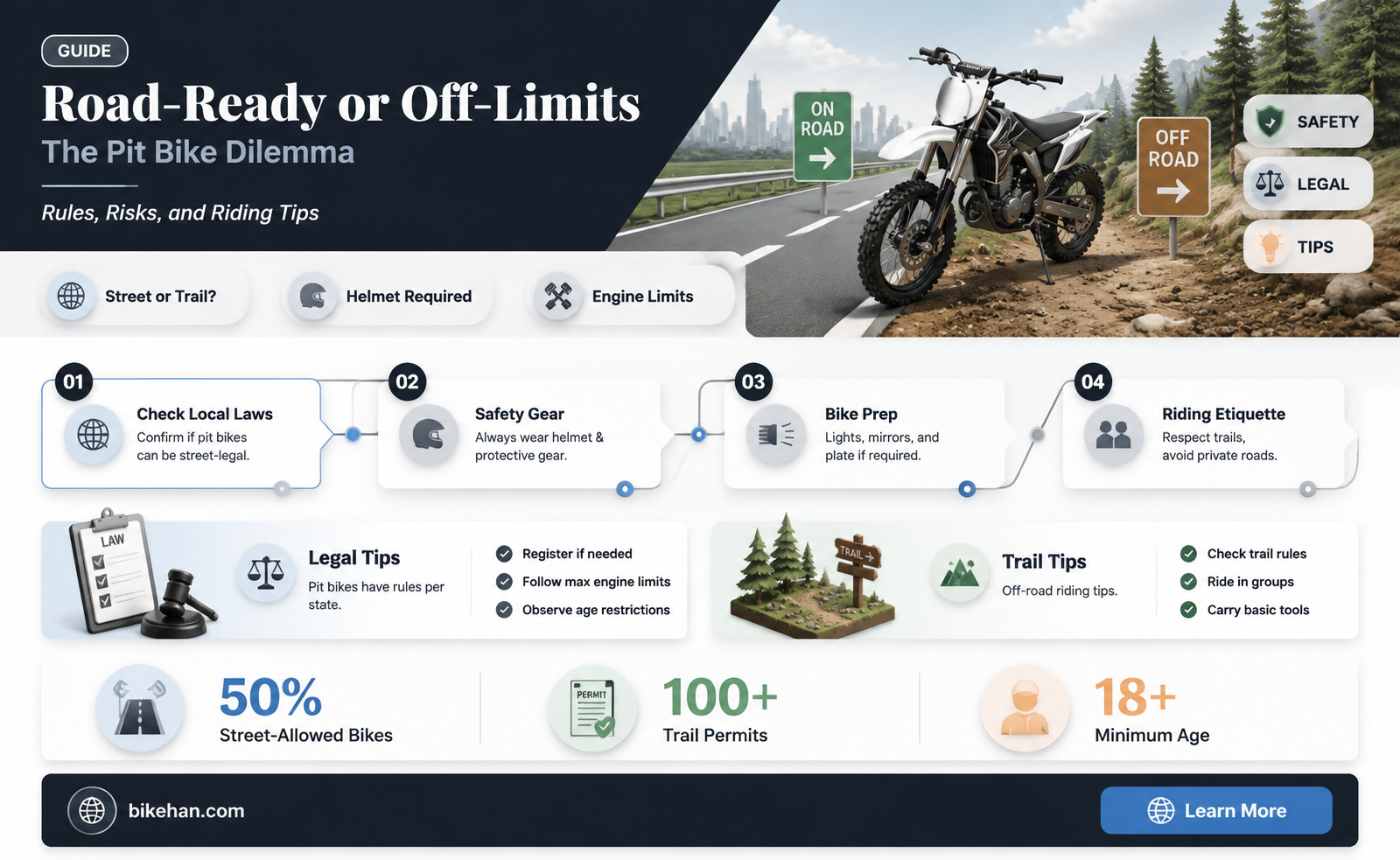
Pit bikes, known for their compact size and agility, are often used for off-road adventures and racing on dirt tracks. However, their suitability for road use is a topic of much debate. While some enthusiasts might be tempted to take their pit bikes onto paved surfaces, it's crucial to consider the legal and safety implications. In many regions, pit bikes do not meet the necessary regulations for road use, lacking essential features like mirrors, lights, and turn signals. Additionally, their tires are typically designed for dirt, providing inadequate traction on asphalt or concrete. Riding a pit bike on the road can pose significant risks to both the rider and other road users. Therefore, it's generally recommended to keep pit bikes off the roads and enjoy them in designated off-road areas where they can be safely and legally operated.
Explore related products


What You'll Learn
- Legal Requirements: Check local laws and regulations regarding pit bike use on public roads
- Safety Gear: Essential protective equipment for riding pit bikes, including helmets and pads
- Bike Modifications: Necessary adjustments to make pit bikes street-legal, such as adding lights and mirrors
- Riding Tips: Techniques for safely navigating pit bikes on different road surfaces and conditions
- Alternatives to Road Riding: Exploring off-road trails and tracks suitable for pit bikes

Legal Requirements: Check local laws and regulations regarding pit bike use on public roads
Before taking your pit bike onto public roads, it's crucial to understand the legal landscape surrounding their use. Laws and regulations vary significantly by jurisdiction, and what's permissible in one area may be strictly prohibited in another. Start by consulting your local Department of Motor Vehicles (DMV) or equivalent agency to inquire about specific requirements and restrictions.
One key aspect to investigate is whether your pit bike meets the necessary safety standards for road use. This may include having functional headlights, taillights, turn signals, and mirrors, as well as adhering to noise and emissions regulations. Additionally, you'll need to ensure your bike is properly registered and that you have the requisite insurance coverage.
Another important consideration is the age and licensing requirements for operating a pit bike on public roads. In some areas, riders may need to be a certain age or possess a valid driver's license or motorcycle endorsement. Furthermore, certain roads or areas may be designated as off-limits to pit bikes, so it's essential to familiarize yourself with any such restrictions.
Penalties for non-compliance can be severe, ranging from fines and citations to confiscation of your bike or even criminal charges. Therefore, it's imperative to not only understand the laws but also to follow them diligently. Remember, ignorance of the law is not an excuse, and it's your responsibility as a rider to ensure you're operating your pit bike legally and safely.
In summary, navigating the legal requirements for pit bike use on public roads requires thorough research, adherence to safety standards, and a clear understanding of local laws and regulations. By taking the time to educate yourself and comply with all necessary requirements, you can enjoy your pit bike while minimizing the risk of legal repercussions.
Exploring Myakka State Park: Motorized Bikes Welcome or Not?
You may want to see also
Explore related products


Safety Gear: Essential protective equipment for riding pit bikes, including helmets and pads
Riding pit bikes, especially on rough terrains or tracks, necessitates the use of appropriate safety gear to minimize the risk of injuries. One of the most critical pieces of equipment is a helmet. A high-quality, full-face helmet can protect the rider's head and face from severe impacts and debris. It's essential to choose a helmet that fits snugly and is certified for off-road use. Additionally, goggles are crucial to shield the eyes from dust, mud, and other particles that can impair vision during a ride.
Body protection is equally important. Elbow and knee pads provide cushioning and protection against abrasions in case of falls. These pads should be well-fitted and made of durable materials to withstand the rigors of off-road riding. A chest protector can also be beneficial, especially for younger riders or those who are more prone to accidents. It helps to safeguard the chest and ribs from injuries during impacts.
Hand protection is another key aspect of safety gear. Gloves not only protect the hands from blisters and abrasions but also provide a better grip on the handlebars, which is crucial for maintaining control of the bike. It's advisable to choose gloves that are specifically designed for motocross or off-road biking, as they offer enhanced protection and flexibility.
Lastly, appropriate footwear is essential for both comfort and safety. Riding boots should be sturdy, providing ankle support and protection against impacts. They should also have a good tread pattern to ensure grip on the foot pegs, even in wet or muddy conditions.
In summary, investing in the right safety gear is paramount for pit bike riders. A combination of a high-quality helmet, goggles, body pads, gloves, and riding boots can significantly reduce the risk of injuries and enhance the overall riding experience.
Mini Bike Road Riding: Legal and Safety Considerations
You may want to see also
Explore related products


Bike Modifications: Necessary adjustments to make pit bikes street-legal, such as adding lights and mirrors
To make pit bikes street-legal, several modifications are necessary. These adjustments ensure that the bike meets the safety and regulatory requirements for road use. One of the primary modifications is the addition of lights. This includes installing a headlight, taillight, and turn signals. The headlight must be bright enough to illuminate the road ahead, while the taillight and turn signals must be clearly visible to other road users. These lights are essential for safe riding, especially during low-light conditions or at night.
Another crucial modification is the addition of mirrors. Pit bikes typically do not come with mirrors, but they are a legal requirement in most jurisdictions. Mirrors allow the rider to see what is happening behind them, which is vital for safe lane changes and turns. The mirrors should be mounted on either side of the handlebars and should provide a clear view of the road behind.
In addition to lights and mirrors, other modifications may be necessary depending on local regulations. For example, some areas may require the installation of a horn, while others may mandate the use of reflective tape or specific types of tires. It is important to check the local laws and regulations to ensure that all necessary modifications are made.
Once the modifications have been completed, the bike should be inspected by a qualified mechanic to ensure that it is safe and roadworthy. The rider should also be aware of any specific licensing or registration requirements for pit bikes in their area. By making these necessary adjustments, pit bike enthusiasts can enjoy their bikes on the road while ensuring the safety of themselves and other road users.
Exploring the Legality and Safety of Riding Motocross Bikes on Public Roads
You may want to see also
Explore related products


Riding Tips: Techniques for safely navigating pit bikes on different road surfaces and conditions
Navigating pit bikes on different road surfaces requires a nuanced understanding of both the bike's capabilities and the demands of the terrain. On paved roads, the key is to maintain a steady throttle and avoid abrupt maneuvers that could lead to loss of traction. Pit bikes, with their knobby tires, are designed for off-road conditions, so on smooth surfaces, they may not provide the same grip as street-specific tires. Riders should be cautious of wet or icy patches, which can be particularly treacherous.
When transitioning to dirt or gravel roads, riders should adjust their technique to account for the looser surface. This includes standing on the footpegs to better distribute weight and maintain balance, as well as using the throttle and brakes more judiciously to prevent skidding. It's also important to keep the bike's suspension in mind, as it can absorb some of the shocks from uneven terrain, but may also affect handling.
In muddy conditions, riders should avoid getting the bike stuck by keeping momentum and using the throttle to power through. If the bike does become stuck, it's best to stand it upright and use a shovel or other tool to clear the mud from around the tires. On sandy surfaces, the challenge is to maintain traction without sinking. Riders should lean back slightly and use a gentle throttle to prevent the front wheel from digging into the sand.
Riding pit bikes on the road also requires an awareness of traffic laws and safety considerations. In many areas, pit bikes are not street legal due to their lack of lights, mirrors, and other safety features. Riders should always wear appropriate protective gear, including a helmet, gloves, and body armor, and should be mindful of other vehicles and pedestrians.
In conclusion, safely navigating pit bikes on different road surfaces and conditions involves a combination of technical skill, situational awareness, and adherence to safety guidelines. By understanding the unique challenges posed by each type of terrain and adjusting their riding technique accordingly, riders can enjoy a safe and exhilarating experience on their pit bikes.
Exploring the Versatility: Off-Road Bikes on Paved Paths
You may want to see also
Explore related products


Alternatives to Road Riding: Exploring off-road trails and tracks suitable for pit bikes
While pit bikes are often associated with off-road riding, many enthusiasts wonder if they can take their bikes onto public roads. However, before exploring road riding options, it's essential to consider the alternatives available for off-road trails and tracks that are more suitable for pit bikes.
One of the primary reasons pit bikes are not ideal for road riding is their design, which is optimized for off-road conditions. Pit bikes typically have knobby tires, long-travel suspension, and a lightweight frame, all of which are better suited for dirt, mud, and uneven terrain rather than paved surfaces. Additionally, pit bikes often lack essential road-legal features such as mirrors, lights, and turn signals, making them unsafe and illegal for use on public roads in many jurisdictions.
Fortunately, there are numerous alternatives to road riding that allow pit bike enthusiasts to enjoy their bikes in a safe and legal environment. Off-road trails and tracks are abundant in many areas, offering a variety of terrain and challenges for riders of all skill levels. These trails are specifically designed for off-road vehicles like pit bikes, dirt bikes, and ATVs, and they provide a controlled environment where riders can practice their skills and push their bikes to the limit.
When exploring off-road trails and tracks, it's important to consider factors such as trail difficulty, surface conditions, and the presence of obstacles. Beginners should start with easier trails that have a smooth, well-maintained surface, while more experienced riders can tackle more challenging trails with jumps, berms, and other obstacles. It's also essential to check local regulations and obtain any necessary permits or permissions before riding on off-road trails.
In addition to off-road trails, pit bike enthusiasts can also explore other alternatives such as motocross tracks, enduro trails, and even purpose-built pit bike parks. These facilities offer a range of riding experiences, from technical singletrack to fast, flowing downhill sections, and they provide a safe and controlled environment for riders to enjoy their bikes.
In conclusion, while pit bikes may not be suitable for road riding, there are plenty of alternatives available for off-road enthusiasts. By exploring trails, tracks, and parks specifically designed for off-road riding, pit bike enthusiasts can enjoy their bikes in a safe, legal, and exciting environment.
Exploring the Limits: Long-Distance Cycling on a Hybrid Bike
You may want to see also
Frequently asked questions
Generally, pit bikes are not street legal and cannot be ridden on public roads. They lack the necessary equipment such as lights, mirrors, and turn signals required for road use.
To make pit bikes street legal, they typically need to be equipped with headlights, taillights, turn signals, mirrors, and a horn. Additionally, they may need to meet certain emission standards and have a valid VIN number.
There may be exceptions in certain jurisdictions or under specific circumstances, such as for agricultural or utility purposes on private property. It's important to check local laws and regulations for any applicable exemptions.