Megan Blake
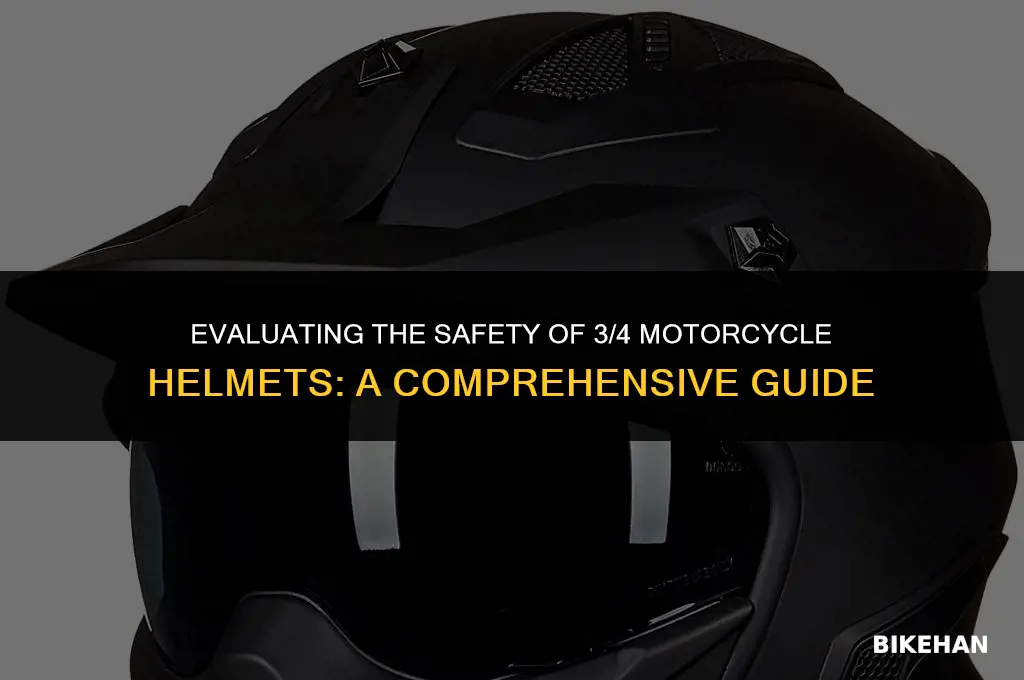
When it comes to motorcycle safety, helmets are a crucial piece of gear. The question of whether 3/4 motorcycle helmets are safe is an important one for riders to consider. These helmets, also known as open-face helmets, cover the top, back, and sides of the head but leave the face exposed. While they offer less protection than full-face helmets, they can still provide significant safety benefits compared to riding without a helmet at all. The safety of a 3/4 helmet depends on several factors, including its construction, fit, and the presence of additional features like visors or shields. Riders should look for helmets that meet safety standards set by organizations like the Department of Transportation (DOT) or the Snell Memorial Foundation. Ultimately, the decision to use a 3/4 helmet comes down to personal preference and the level of risk a rider is willing to accept.
Explore related products


$55.09 $57.99


What You'll Learn
- Impact absorption: Helmets rated 3/4 offer moderate protection against head impacts, reducing injury risk
- Coverage: These helmets cover the top and back of the head, leaving the face and jaw exposed
- Certification: Look for helmets meeting safety standards like DOT, Snell, or ECE for reliable protection
- Fit and comfort: Proper fit is crucial for safety and comfort, ensuring the helmet stays in place during rides
- Additional features: Some 3/4 helmets include visors, ventilation systems, and moisture-wicking liners for added convenience

Impact absorption: Helmets rated 3/4 offer moderate protection against head impacts, reducing injury risk
Helmets rated 3/4, often referred to as "open-face" helmets, provide a unique balance between protection and comfort. These helmets cover the top, back, and sides of the head, leaving the face exposed. The impact absorption capabilities of 3/4 helmets are designed to reduce the risk of head injuries in the event of a motorcycle accident. The moderate protection they offer is particularly beneficial for riders who prioritize comfort and visibility but still require a significant level of safety.
The materials used in the construction of 3/4 helmets play a crucial role in their impact absorption properties. Typically, these helmets are made from a combination of polycarbonate, fiberglass, or composite materials that are engineered to dissipate the force of an impact. The inner lining, often made of expanded polystyrene (EPS) foam, further enhances the helmet's ability to absorb shock. This dual-layer construction helps to minimize the transmission of impact forces to the rider's skull, thereby reducing the risk of traumatic brain injuries.
While 3/4 helmets offer moderate protection, they are not as effective as full-face helmets in high-speed impacts or when the rider's face is directly involved in the collision. Full-face helmets provide comprehensive coverage, including a visor and chin guard, which can significantly reduce the risk of facial injuries. However, for riders who prefer the open-air experience or require greater visibility, 3/4 helmets can be a suitable alternative, provided they are used in conjunction with other safety gear such as goggles and a face shield.
It is essential for riders to choose a 3/4 helmet that meets safety standards set by organizations such as the Department of Transportation (DOT) or the Snell Memorial Foundation. These standards ensure that the helmet has undergone rigorous testing and meets specific criteria for impact absorption, penetration resistance, and retention system effectiveness. Additionally, riders should ensure that the helmet fits properly and is securely fastened to maximize its protective capabilities.
In conclusion, 3/4 motorcycle helmets offer a moderate level of protection that can be sufficient for many riders, particularly those who prioritize comfort and visibility. However, it is crucial to select a helmet that meets safety standards and to use it in conjunction with other protective gear to minimize the risk of injury in the event of an accident.
Secure Your Ride: The Ultimate Guide to Locking Your Helmet on a Motorcycle
You may want to see also
Explore related products


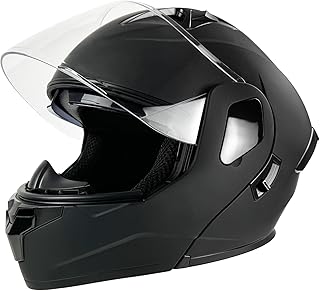


Coverage: These helmets cover the top and back of the head, leaving the face and jaw exposed
The design of 3/4 motorcycle helmets, which cover the top and back of the head while leaving the face and jaw exposed, offers a unique balance between protection and comfort. This style of helmet is particularly popular among riders who prefer a more open-air experience but still want to safeguard against head injuries. The exposed face and jaw area allow for better visibility and airflow, which can be especially beneficial during warm weather rides or in situations where clear communication with others is essential.
However, the lack of coverage in the face and jaw region also means that these helmets provide less protection in the event of a crash. Riders wearing 3/4 helmets are more susceptible to facial injuries, including cuts, bruises, and even more severe trauma. Additionally, the exposed jaw can be vulnerable to impact, potentially leading to dental injuries or fractures. It's crucial for riders to weigh these risks against the benefits when choosing a 3/4 helmet.
One of the key considerations when selecting a 3/4 motorcycle helmet is the fit and comfort. Since these helmets have less coverage, a proper fit is essential to ensure that the helmet stays securely in place during a ride. Riders should look for helmets with adjustable features, such as a ratcheting chin strap and padding that can be customized to their head shape. Comfort is also a significant factor, as the reduced coverage can expose the rider to more wind and debris. Features like a visor or a face shield can help mitigate these issues, providing additional protection from the elements without compromising visibility.
In terms of safety standards, 3/4 helmets must meet specific criteria to be considered safe for use. Organizations like the Department of Transportation (DOT) in the United States and the Economic Commission for Europe (ECE) in Europe set standards for helmet safety, including impact absorption, penetration resistance, and retention system effectiveness. Riders should ensure that any 3/4 helmet they consider purchasing meets these standards to provide adequate protection in the event of an accident.
Ultimately, the decision to use a 3/4 motorcycle helmet comes down to personal preference and the rider's assessment of the risks involved. While these helmets offer less protection than full-face models, they can still provide a significant level of safety for the head while allowing for a more enjoyable riding experience. Riders should carefully consider their needs, riding conditions, and safety priorities when choosing a 3/4 helmet.
Secure Your Ride: The Ultimate Guide to Tightening Your Motorcycle Helmet
You may want to see also
Explore related products


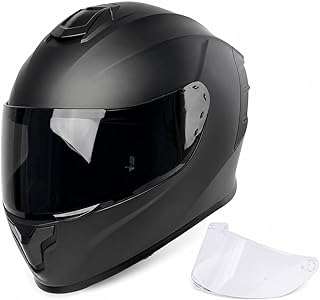
Certification: Look for helmets meeting safety standards like DOT, Snell, or ECE for reliable protection
When selecting a motorcycle helmet, one of the most critical factors to consider is certification. Helmets that meet safety standards such as DOT, Snell, or ECE are designed to provide reliable protection in the event of an accident. These certifications ensure that the helmet has undergone rigorous testing and meets specific criteria for impact absorption, penetration resistance, and retention system effectiveness.
The Department of Transportation (DOT) certification is a common standard in the United States, indicating that the helmet meets the minimum safety requirements set by the federal government. Snell certification, on the other hand, is a more stringent standard that is often preferred by racing enthusiasts and professionals. ECE certification is the European counterpart to DOT and Snell, and it is recognized in many countries around the world.
To ensure that you are purchasing a certified helmet, look for the corresponding label or sticker inside the helmet. This label will typically indicate the specific certification standard that the helmet meets. Additionally, you can check the manufacturer's website or contact them directly to verify the certification status of a particular helmet model.
It is important to note that certification alone does not guarantee safety. Proper fit, comfort, and maintenance are also crucial factors in ensuring that your helmet provides optimal protection. However, choosing a certified helmet is a significant step in the right direction, as it ensures that the helmet has been designed and tested to meet high safety standards.
In conclusion, when shopping for a motorcycle helmet, make sure to prioritize certification. Look for helmets that meet safety standards like DOT, Snell, or ECE, and verify the certification status through the manufacturer or relevant authorities. By doing so, you can have greater confidence in the protective capabilities of your helmet, and ultimately, your safety on the road.
Essential Tips for Choosing the Perfect Motorcycle Helmet
You may want to see also
Explore related products


Fit and comfort: Proper fit is crucial for safety and comfort, ensuring the helmet stays in place during rides
Proper fit is crucial for safety and comfort, ensuring the helmet stays in place during rides. A well-fitted helmet will not only protect the rider in the event of an accident but also provide a comfortable experience, reducing fatigue and distractions. To achieve the perfect fit, riders should measure their head circumference and choose a helmet size that corresponds to their measurement. It's essential to try on the helmet and adjust the fit using the internal padding and straps to ensure it's snug but not too tight. The helmet should sit level on the head, with the front edge just above the eyebrows and the back edge covering the base of the skull. The chin strap should be adjusted so that it's secure but allows for one finger to fit between the strap and the chin.
In addition to proper fit, comfort is also a key consideration when choosing a motorcycle helmet. Helmets with good ventilation can help regulate temperature and reduce fogging, while moisture-wicking liners can keep the rider's head dry and comfortable. Some helmets also feature noise-reducing technology, which can help reduce fatigue and improve concentration during long rides. When selecting a helmet, riders should consider their riding style and the conditions they'll be riding in to choose a helmet that provides the right balance of safety, comfort, and performance.
One common mistake riders make is assuming that a helmet that fits well when it's new will continue to fit well over time. However, helmets can stretch and lose their shape over time, especially if they're exposed to heat or sunlight. It's essential to regularly check the fit of the helmet and make adjustments as needed. Riders should also be aware that different helmet brands and models may have slightly different sizing, so it's important to try on a variety of helmets to find the best fit.
In conclusion, proper fit and comfort are essential considerations when choosing a motorcycle helmet. A well-fitted helmet will not only provide better protection in the event of an accident but also make for a more enjoyable and comfortable riding experience. By taking the time to measure their head, try on different helmets, and adjust the fit as needed, riders can ensure they're getting the best possible protection and comfort from their motorcycle helmet.
Indiana Motorcycle Helmet Laws: What You Need to Know
You may want to see also
Explore related products


Additional features: Some 3/4 helmets include visors, ventilation systems, and moisture-wicking liners for added convenience
While the primary function of a 3/4 motorcycle helmet is to protect the rider's head in the event of an accident, many modern designs come with additional features that enhance comfort and convenience. One such feature is the visor, which can be particularly useful in shielding the rider's eyes from wind, dust, and debris. Visors can also help to reduce glare from the sun, improving visibility during daytime rides. Some visors are designed to be retractable or removable, allowing riders to customize their helmet based on the conditions they're riding in.
Another common feature in 3/4 helmets is the ventilation system. This is important for maintaining airflow and preventing the helmet from becoming too hot or stuffy during extended periods of use. Ventilation systems can vary in design, with some helmets featuring adjustable vents that allow riders to control the amount of air entering the helmet. This can be particularly beneficial in warmer climates or during strenuous rides, as it helps to keep the rider cool and comfortable.
Moisture-wicking liners are another feature that can be found in some 3/4 helmets. These liners are designed to draw sweat away from the rider's head, helping to keep them dry and comfortable even during intense rides. This can be particularly important for riders who wear their helmets for long periods, as it helps to prevent the buildup of sweat and moisture that can lead to discomfort or even skin irritation.
In addition to these features, some 3/4 helmets also come with quick-release buckles, which allow riders to easily fasten and unfasten their helmets without having to fumble with traditional buckles. This can be particularly useful in situations where the rider needs to quickly remove their helmet, such as when entering a building or interacting with others.
Overall, the additional features found in many 3/4 motorcycle helmets can significantly enhance the riding experience by improving comfort, convenience, and safety. While these features should not be considered a replacement for proper helmet fit and use, they can certainly add value to the overall design and functionality of the helmet.
Exploring the Versatility of Modular Motorcycle Helmets
You may want to see also
Frequently asked questions
3/4 motorcycle helmets, also known as open-face helmets, provide less protection than full-face helmets. While they cover the top, back, and sides of the head, they leave the face and jaw exposed, making them less effective in preventing facial injuries in the event of an accident.
The main advantages of wearing a 3/4 motorcycle helmet include better visibility, increased airflow, and a more comfortable fit for some riders. The open design allows for an unobstructed view of the road and surroundings, which can be particularly beneficial in urban environments or during low-speed rides.
The primary disadvantage of wearing a 3/4 motorcycle helmet is the reduced protection it offers compared to a full-face helmet. The exposed face and jaw are more vulnerable to injuries in the event of an accident. Additionally, 3/4 helmets may not provide adequate protection against wind, debris, and insects at high speeds.
When choosing a 3/4 motorcycle helmet, look for safety features such as a sturdy outer shell, impact-absorbing foam liner, and a secure chin strap. Some helmets may also include additional features like a visor or face shield for added protection against wind and debris, as well as padding around the jaw and chin area.
The legality of wearing a 3/4 motorcycle helmet varies by state. Some states require riders to wear a full-face helmet, while others allow the use of 3/4 helmets. It's essential to check your state's motorcycle helmet laws to ensure compliance and avoid potential fines or penalties.