Lauren Kennedy
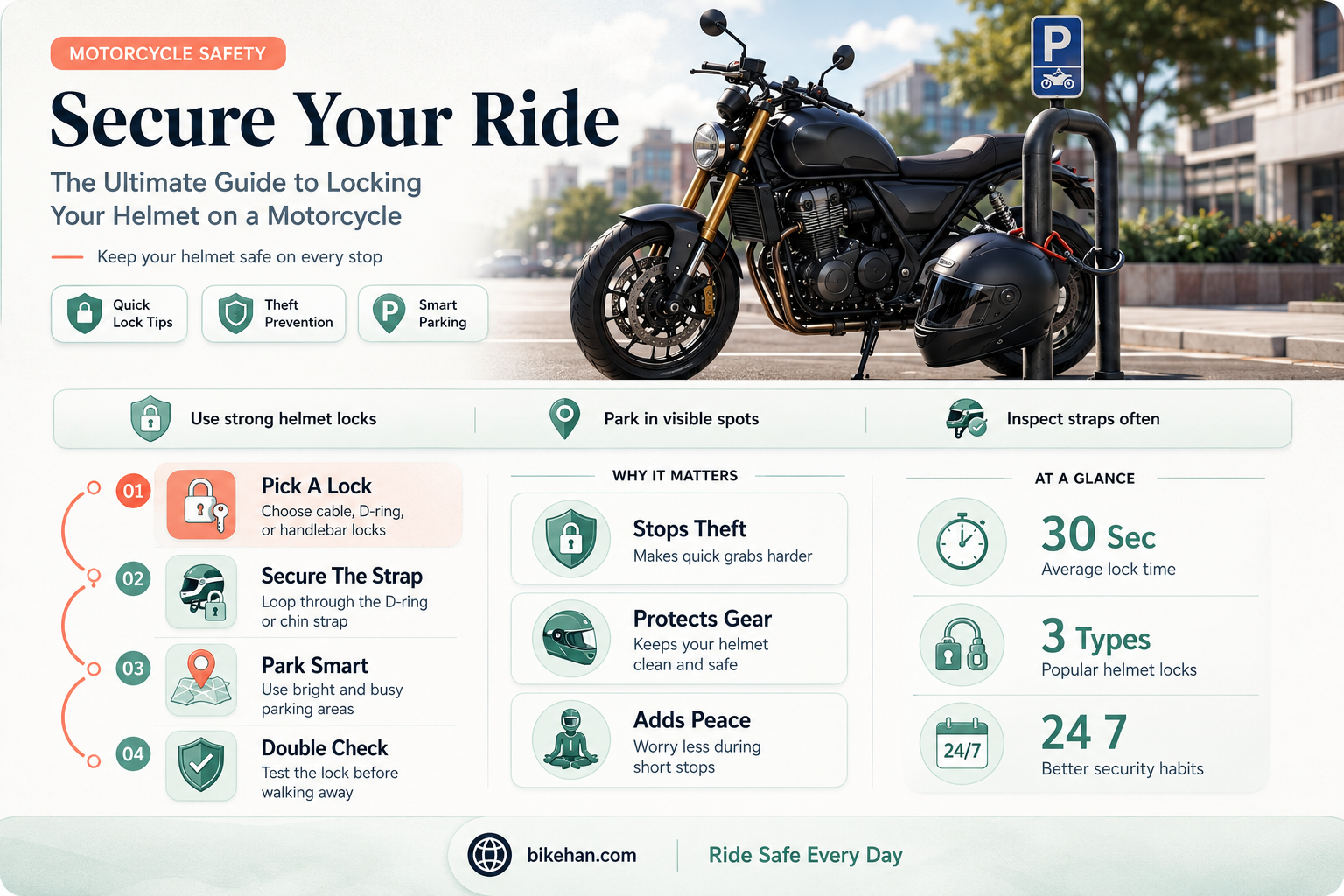
Securing a helmet to a motorcycle is a crucial step for riders who want to ensure their safety gear is protected from theft and the elements when they're not around. In this guide, we'll walk you through the process of locking a helmet on a motorcycle, covering various methods and tools you can use. From choosing the right lock to finding the most secure attachment point on your bike, we've got you covered. Whether you're a seasoned rider or just starting out, knowing how to properly lock your helmet can give you peace of mind and help keep your gear safe.
Explore related products
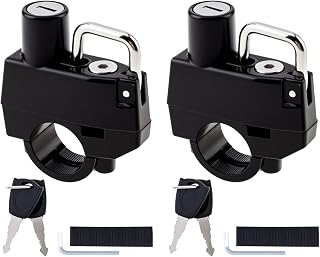



What You'll Learn
- Choosing the Right Lock: Select a sturdy lock that's resistant to cutting and tampering. U-locks and chain locks are popular choices
- Identifying Secure Locking Points: Locate the motorcycle's frame and wheel locking points. Ensure they're solid and can't be easily removed
- Proper Locking Technique: Pass the lock through the frame and wheel, ensuring it's tight and secure. Use additional locking mechanisms if available
- Additional Security Measures: Consider using a disc lock or an alarm system for added protection against theft
- Regular Maintenance and Inspection: Periodically check the lock and locking points for wear and damage. Replace any compromised components immediately

Choosing the Right Lock: Select a sturdy lock that's resistant to cutting and tampering. U-locks and chain locks are popular choices
When securing your helmet to your motorcycle, the choice of lock is crucial. A sturdy lock that is resistant to cutting and tampering will provide the best protection against theft. U-locks and chain locks are popular choices for this purpose, but it's important to select the right one for your specific needs.
U-locks, also known as D-locks, are made of solid steel and have a U-shaped shackle. They are highly resistant to cutting and prying attacks, making them a secure option for locking your helmet to your motorcycle. However, they can be heavy and bulky, which may make them less convenient to carry around.
Chain locks, on the other hand, are made of interlinked steel chains. They are flexible and can be easily wrapped around your helmet and motorcycle, providing a secure hold. However, they are generally less resistant to cutting attacks than U-locks, so it's important to choose a high-quality chain lock with a strong padlock.
When selecting a lock, consider the level of security you need, the weight and size of the lock, and the ease of use. It's also important to choose a lock that is compatible with your motorcycle and helmet. For example, if your motorcycle has a built-in lock, you may want to choose a lock that can be easily attached to it.
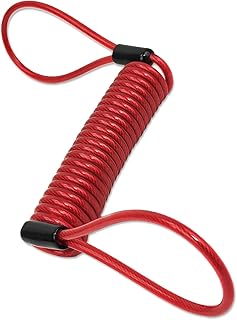
In addition to choosing the right lock, it's important to use it correctly. Make sure to lock your helmet securely to your motorcycle, using the lock's shackle or chain to prevent it from being easily removed. It's also a good idea to use a secondary lock, such as a cable lock, to provide additional security.
By choosing the right lock and using it correctly, you can help protect your helmet from theft and ensure that it is safely secured to your motorcycle.
Breaking In Your Motorcycle Helmet: A Rider's Guide to Comfort and Safety
You may want to see also
Explore related products


Identifying Secure Locking Points: Locate the motorcycle's frame and wheel locking points. Ensure they're solid and can't be easily removed
To effectively secure your helmet to a motorcycle, it's crucial to first identify the most secure locking points on the bike. These are typically found on the frame and wheels, as they offer sturdy and immovable anchor points. When assessing these areas, look for solid metal components that are firmly attached to the motorcycle's structure. Avoid areas that appear weak, rusted, or easily detachable.
Once you've located the ideal locking points, inspect them closely to ensure they're free from any damage or wear that could compromise their security. It's also important to consider the accessibility of these points; while you want them to be secure, you also need to be able to easily attach and detach your helmet's lock.
In addition to the frame and wheels, some motorcycles may have additional locking points specifically designed for securing helmets or other accessories. These can often be found near the handlebars or under the seat. If your motorcycle is equipped with such features, make sure to utilize them in conjunction with the frame and wheel locks for maximum security.
When choosing a lock for your helmet, opt for one that is specifically designed for motorcycle use. These locks are typically made from high-strength materials and are engineered to withstand the rigors of outdoor use. Additionally, consider using a combination lock or one with a key that you can keep in a secure location, such as a locked compartment on your motorcycle or in your personal belongings.
Finally, always double-check that your helmet is securely locked to the motorcycle before leaving it unattended. This includes ensuring that the lock is properly engaged and that there is no slack or movement in the helmet. By taking these precautions, you can help protect your helmet from theft and ensure that it remains safely in place while you're away from your bike.
Exploring the Composition of Motorcycle Helmets: A Comprehensive Guide
You may want to see also
Explore related products


Proper Locking Technique: Pass the lock through the frame and wheel, ensuring it's tight and secure. Use additional locking mechanisms if available
To effectively secure your helmet to your motorcycle, it's crucial to master the proper locking technique. Begin by passing the lock through both the frame of the motorcycle and the wheel. This dual-point locking method ensures that the helmet is held firmly in place, reducing the risk of theft or accidental dislodging. Make sure the lock is tightened to its maximum capacity to prevent any movement or slack that could compromise security.
In addition to the primary lock, consider utilizing any additional locking mechanisms that may be available on your motorcycle. These could include built-in locks or secondary security devices designed to further deter theft. By combining multiple locking methods, you create a more robust defense against potential thieves.
When selecting a lock for your helmet, opt for one that is both sturdy and weather-resistant. A high-quality lock will not only provide better security but also withstand the elements, ensuring long-lasting protection for your helmet. Remember to always lock your helmet when leaving your motorcycle unattended, even for short periods, as this simple precaution can significantly reduce the likelihood of theft.
For added security, consider parking your motorcycle in a well-lit, high-traffic area. This not only makes it more difficult for thieves to operate unnoticed but also increases the chances of your motorcycle being monitored by security cameras or passersby. By taking these extra steps, you can enjoy greater peace of mind knowing that your helmet and motorcycle are well-protected.
Vermont's Motorcycle Helmet Law: What You Need to Know
You may want to see also
Explore related products


Additional Security Measures: Consider using a disc lock or an alarm system for added protection against theft
While securing your helmet to your motorcycle is crucial, there are additional security measures you can take to protect your bike and its accessories from theft. One effective deterrent is the use of a disc lock. These locks are designed to fit over the brake disc of your motorcycle, making it difficult for thieves to wheel the bike away. When choosing a disc lock, look for one that is made of sturdy materials, such as hardened steel, and has a reliable locking mechanism. Some disc locks also come with an integrated alarm system that will sound if someone tries to tamper with the lock or move the motorcycle.
Another security measure to consider is installing an alarm system on your motorcycle. There are various types of alarms available, ranging from basic models that sound when the bike is moved or tampered with, to more advanced systems that include features like GPS tracking and remote disabling. When selecting an alarm system, consider the level of security you need and the specific features that will be most beneficial for your situation. For example, if you frequently park your motorcycle in high-risk areas, you may want to opt for a system with GPS tracking to help locate the bike if it is stolen.
In addition to these security measures, it's also important to be mindful of where you park your motorcycle. Whenever possible, choose well-lit, secure areas with high visibility. Avoid parking in isolated or poorly lit locations, as these can make your motorcycle an easier target for thieves. If you have a garage or other secure storage space available, use it to keep your motorcycle and helmet safe when not in use.
Remember, the key to effective security is to make it as difficult as possible for thieves to steal your motorcycle or its accessories. By combining physical security measures like disc locks and alarm systems with smart parking choices and situational awareness, you can significantly reduce the risk of theft and keep your motorcycle and helmet safe.
Decoding the Mystery: What Does a Motorcycle Helmet on the Ground Mean?
You may want to see also
Explore related products


Regular Maintenance and Inspection: Periodically check the lock and locking points for wear and damage. Replace any compromised components immediately
Regular maintenance and inspection of your motorcycle helmet lock are crucial to ensure the security of your helmet. Periodically checking the lock and locking points for wear and damage can prevent potential thefts and ensure that your helmet remains safely secured to your motorcycle.
To perform a thorough inspection, start by examining the lock mechanism for any signs of rust or corrosion. Pay close attention to the keyhole and the surrounding metal, as these areas are particularly susceptible to damage. Next, check the locking points on your helmet for any cracks or chips. These locking points are typically made of plastic or metal and can wear down over time, compromising the security of your helmet.
If you notice any signs of wear or damage, it's essential to replace the compromised components immediately. Delaying replacement can put your helmet at risk of being stolen or damaged. When replacing parts, always use genuine replacements from the manufacturer to ensure compatibility and optimal performance.
In addition to regular inspections, it's a good practice to lubricate the lock mechanism periodically. This can help prevent rust and corrosion, ensuring that the lock remains in good working condition. Use a silicone-based lubricant or a specialized lock lubricant, and avoid using oil-based lubricants, as these can attract dirt and debris, potentially causing the lock to malfunction.
By following these maintenance and inspection guidelines, you can significantly extend the life of your motorcycle helmet lock and ensure that your helmet remains securely fastened to your motorcycle, providing you with peace of mind and added security.
Georgia's Motorcycle Helmet Law: What You Need to Know
You may want to see also
Frequently asked questions
The best way to secure a helmet to a motorcycle is to use a helmet lock. These locks are specifically designed to keep your helmet safe and can be attached to various parts of your motorcycle, such as the handlebars or the frame.
While a regular padlock can be used to lock your helmet to your motorcycle, it's not the most secure option. Helmet locks are designed to be more resistant to cutting and tampering, making them a safer choice for protecting your helmet.
The placement of the helmet lock depends on your motorcycle's design and your personal preference. Common locations include the handlebars, the frame near the seat, or the rear luggage rack. Choose a spot that is convenient for you and that makes it difficult for someone to remove the helmet without the key.