Ryan Cole
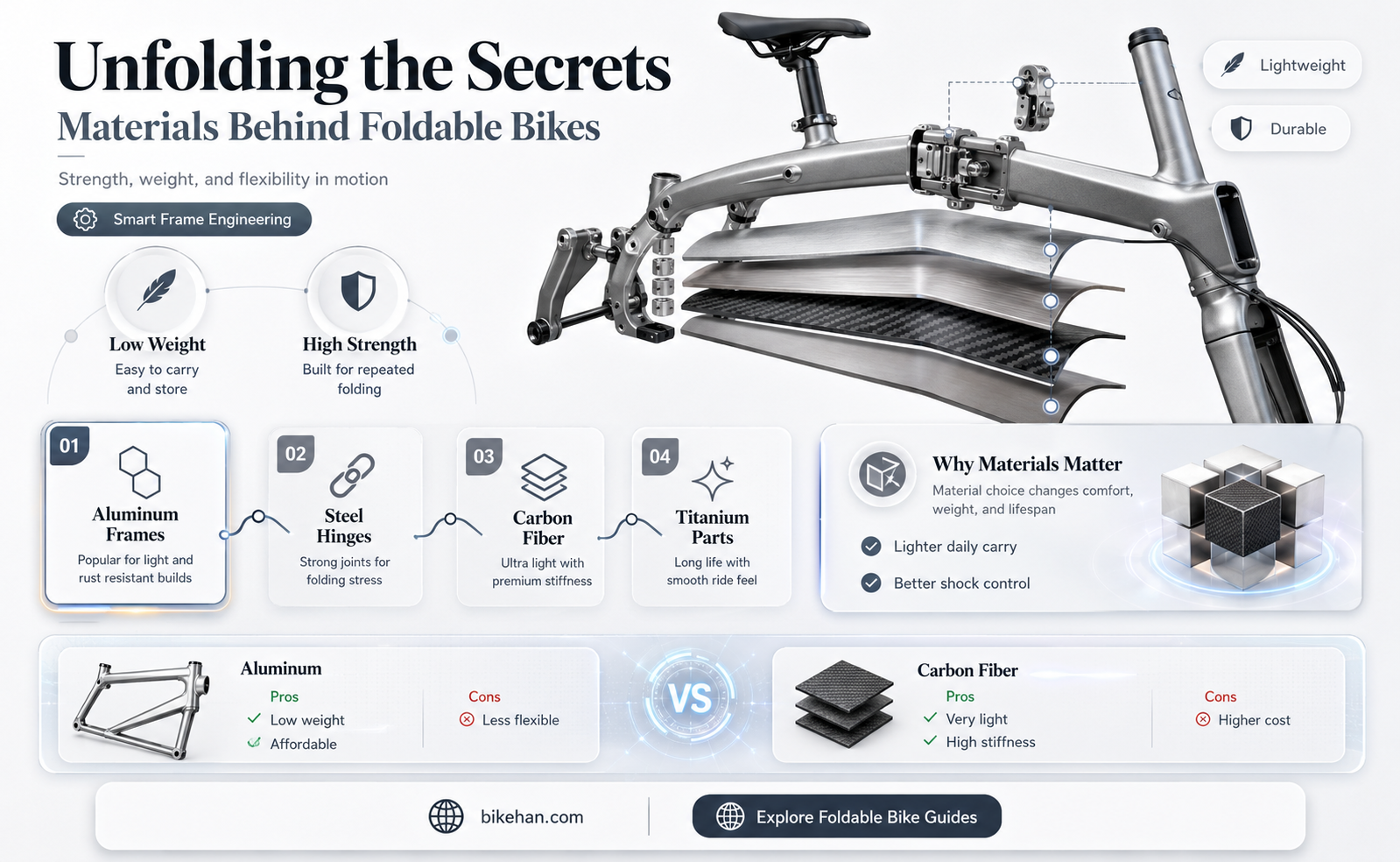
Foldable bikes have become increasingly popular due to their convenience and portability. These bikes are designed to fold into a compact form, making them ideal for commuters and travelers. The materials used in the construction of foldable bikes play a crucial role in their durability, weight, and overall performance. Manufacturers typically use a combination of materials to achieve the perfect balance between strength and lightness. Aluminum is a common choice for the frame due to its lightweight nature and resistance to corrosion. Some high-end models may also incorporate carbon fiber for added strength and reduced weight. The folding mechanisms often utilize steel for its durability and ability to withstand repeated use. Additionally, foldable bikes may feature components such as plastic or composite materials for the pedals, chainrings, and other non-critical parts to further reduce weight and cost.
Explore related products




What You'll Learn
- Frame Materials: Foldable bikes use lightweight, durable materials like aluminum, steel, or carbon fiber for their frames
- Folding Mechanisms: These bikes feature innovative folding systems, often made from robust metals or high-strength plastics
- Wheels and Tires: Foldable bikes typically have smaller wheels with durable, puncture-resistant tires for easy transport
- Handlebars and Seats: Adjustable handlebars and seats, made from various materials, provide comfort and customization
- Additional Components: Other parts like pedals, chains, and brakes are often made from standard bicycle materials, optimized for compactness

Frame Materials: Foldable bikes use lightweight, durable materials like aluminum, steel, or carbon fiber for their frames
Aluminum is a popular choice for foldable bike frames due to its excellent strength-to-weight ratio. This lightweight metal allows for easy folding and carrying, making it ideal for commuters and travelers. Additionally, aluminum is resistant to corrosion, ensuring the bike's longevity even in harsh weather conditions.
Steel, another common frame material, offers durability and strength. While slightly heavier than aluminum, steel frames can withstand more wear and tear, making them suitable for rugged use. Some foldable bikes use a combination of steel and aluminum to balance weight and strength.
Carbon fiber, a more premium option, is used in high-end foldable bikes for its exceptional lightness and stiffness. This material allows for a more responsive ride and can be molded into complex shapes, enabling innovative frame designs. However, carbon fiber frames are generally more expensive and may not be as durable as metal frames.
Titanium is another lightweight and strong material used in some foldable bikes. It offers a unique combination of strength, corrosion resistance, and low weight, making it an attractive option for those seeking a high-performance foldable bike.
In addition to the frame material, the choice of components such as the folding mechanism, wheels, and drivetrain also play a crucial role in the overall performance and durability of a foldable bike. Manufacturers often select materials and components that balance weight, strength, and cost to create a bike that meets the specific needs of its intended users.
Safe Cycling After Tooth Extraction: Tips and Precautions
You may want to see also
Explore related products


Folding Mechanisms: These bikes feature innovative folding systems, often made from robust metals or high-strength plastics
Folding mechanisms in bikes are a critical component that enables them to transform from a full-sized vehicle to a compact, portable form. These systems are typically constructed from robust metals or high-strength plastics to ensure durability and reliability. Metals such as aluminum and steel are commonly used due to their strength-to-weight ratio, which is essential for maintaining the bike's structural integrity while keeping it lightweight enough to carry when folded. High-strength plastics, on the other hand, offer a corrosion-resistant alternative that can be molded into complex shapes, allowing for more innovative and ergonomic designs.
The choice of material for a folding mechanism can significantly impact the bike's overall performance and user experience. For instance, aluminum mechanisms are favored for their lightweight nature, making the bike easier to carry and maneuver, especially in urban environments. Steel mechanisms, while heavier, provide superior strength and can support higher weight capacities, making them suitable for more demanding riders or those who need to carry additional cargo. High-strength plastics, such as carbon fiber composites, offer a balance between weight and strength and can be used to create sleek, aerodynamic designs that enhance the bike's aesthetic appeal.
Innovative folding systems often incorporate a combination of these materials to optimize performance. For example, some designs use aluminum for the main frame and steel for the folding hinges, while others utilize high-strength plastics for the folding joints and metal for the structural components. The specific configuration depends on the intended use of the bike, the target market, and the design goals of the manufacturer.
In addition to material selection, the design of the folding mechanism itself plays a crucial role in the bike's functionality. There are various folding techniques, such as the classic "V" fold, the more compact "S" fold, and the innovative "X" fold, each with its own advantages and disadvantages. The choice of folding technique can affect the bike's folded size, weight distribution, and ease of use. Manufacturers often experiment with different designs to create mechanisms that are both efficient and user-friendly.
Overall, the materials and design of folding mechanisms are essential factors in the development of foldable bikes. By selecting the right materials and employing innovative design techniques, manufacturers can create bikes that are not only functional and reliable but also convenient and enjoyable to use.
Choosing the Right Lube for Your Stationary Bike: A Guide
You may want to see also
Explore related products


Wheels and Tires: Foldable bikes typically have smaller wheels with durable, puncture-resistant tires for easy transport
Foldable bikes are engineered with portability and convenience in mind, and their wheels and tires play a crucial role in achieving these goals. Typically, these bikes feature smaller wheels that are designed to be durable and lightweight, allowing for easy transport and storage. The tires used on foldable bikes are often puncture-resistant, which is essential for maintaining air pressure and ensuring a smooth ride, even when the bike is frequently folded and unfolded.
One of the key materials used in the construction of foldable bike wheels is aluminum. This metal is favored for its lightweight properties and strength, making it ideal for creating wheels that can withstand the rigors of daily commuting while still being easy to carry. Additionally, aluminum wheels are often more resistant to corrosion than those made from other metals, which is beneficial for riders who may expose their bikes to various weather conditions.
The tires on foldable bikes are typically made from a combination of rubber and other synthetic materials. These materials are chosen for their ability to provide a balance between durability and flexibility. Puncture-resistant tires often have an additional layer of protection, such as a Kevlar or nylon belt, which helps to prevent punctures and extend the life of the tire. This is particularly important for foldable bikes, as their tires are subject to more stress due to the frequent folding and unfolding process.
In terms of design, foldable bike wheels often have a smaller diameter than traditional bike wheels. This not only makes the bike more compact when folded but also allows for easier maneuverability in tight spaces, such as on public transportation or in crowded urban environments. The smaller wheels also contribute to the overall lightweight nature of foldable bikes, making them more convenient to carry when not in use.
When it comes to maintenance, the wheels and tires of foldable bikes require regular attention to ensure optimal performance. This includes checking tire pressure, inspecting for signs of wear or damage, and lubricating the wheel bearings as needed. By properly maintaining the wheels and tires, riders can help to prolong the life of their foldable bike and ensure a safe and enjoyable riding experience.
Revolutionizing Transportation: The Birth of the Bicycle and Its Materials
You may want to see also
Explore related products


Handlebars and Seats: Adjustable handlebars and seats, made from various materials, provide comfort and customization
Adjustable handlebars and seats are crucial components of foldable bikes, offering both comfort and customization to riders. These parts are typically made from a variety of materials, each chosen for its unique properties and benefits. For instance, handlebars are often constructed from aluminum alloys, which provide a lightweight yet strong structure. This material choice is essential for foldable bikes, as it contributes to the overall portability and ease of handling.
Seats, on the other hand, are usually made from synthetic materials like polyurethane or nylon, which are both durable and weather-resistant. These materials are ideal for bike seats as they can withstand frequent use and exposure to various weather conditions without deteriorating quickly. Additionally, some seats incorporate gel padding or other cushioning materials to enhance comfort during long rides.
The adjustability of these components is achieved through various mechanisms. For handlebars, a common method is the use of a stem with a quick-release lever, allowing riders to easily change the height and angle of the handlebars. Seats are often adjusted using a similar quick-release mechanism, which enables riders to raise or lower the seat to their preferred height.
Customization options extend beyond just adjustability. Handlebars and seats come in a range of designs and styles, allowing riders to personalize their bikes according to their preferences. For example, some handlebars have ergonomic grips or integrated accessories like bell mounts or light holders. Seats can also be customized with different shapes, sizes, and even colors to suit individual tastes.
In conclusion, the materials and design of adjustable handlebars and seats play a significant role in the functionality and user experience of foldable bikes. By choosing the right materials and incorporating thoughtful design features, manufacturers can create bikes that are not only portable and convenient but also comfortable and customizable for riders of all types.
Post-Extraction Cycling: When Is It Safe to Ride Again?
You may want to see also
Explore related products


Additional Components: Other parts like pedals, chains, and brakes are often made from standard bicycle materials, optimized for compactness
Foldable bikes, known for their compact design and portability, often incorporate standard bicycle materials for their additional components. Pedals, chains, and brakes are typically made from materials such as aluminum, steel, and rubber, which are chosen for their durability and performance. These components are optimized for compactness to ensure they do not add unnecessary bulk to the bike when folded.
One unique aspect of foldable bikes is the need for lightweight yet strong materials to maintain the bike's structural integrity while minimizing its weight. This is particularly important for the pedals and chains, which must withstand the forces exerted during pedaling without compromising the bike's overall portability. Aluminum is a popular choice for these components due to its high strength-to-weight ratio, corrosion resistance, and ease of machining.
In addition to aluminum, steel is also commonly used in the construction of foldable bike components. Steel offers excellent strength and durability, making it an ideal material for parts that require high tensile strength, such as the bike's chain. However, steel is heavier than aluminum, so it is often used in combination with other materials to achieve the desired balance of strength and weight.
Rubber is another essential material used in foldable bikes, particularly for the tires and brake pads. Rubber provides excellent traction and shock absorption, which are crucial for a smooth and safe ride. The tires on foldable bikes are often designed to be puncture-resistant and feature a tread pattern that enhances grip on various surfaces.
To ensure optimal performance and longevity, the additional components of foldable bikes are carefully engineered and tested. This includes selecting materials that can withstand the rigors of daily use, as well as designing the components to be easily replaceable or repairable. By using standard bicycle materials that have been optimized for compactness, foldable bikes can offer the same level of performance and reliability as traditional bikes, while also providing the added convenience of portability.
Post-Extraction Cycling: A Guide to Safe Bike Riding After Tooth Removal
You may want to see also
Frequently asked questions
The primary materials used in the frame of foldable bikes are aluminum, steel, and carbon fiber. Aluminum is favored for its lightweight and corrosion-resistant properties, making it ideal for portable and durable bikes. Steel offers strength and durability, though it is heavier than aluminum. Carbon fiber is used in high-end models for its exceptional strength-to-weight ratio, providing a lightweight yet sturdy frame.
Foldable bikes typically use aluminum or magnesium alloy wheels. These materials are chosen for their lightweight properties, which contribute to the overall portability of the bike. Aluminum wheels are more common due to their balance of strength and weight, while magnesium alloy wheels are lighter but can be more expensive and less durable.
Yes, some manufacturers are exploring the use of sustainable materials in foldable bikes. For instance, some companies use recycled aluminum or steel in their frames. Additionally, there are innovations in using bio-based materials, such as plant-derived composites, to create more environmentally friendly bike components. However, these sustainable options may not be as widely available or as cost-effective as traditional materials.