Eric Johnson
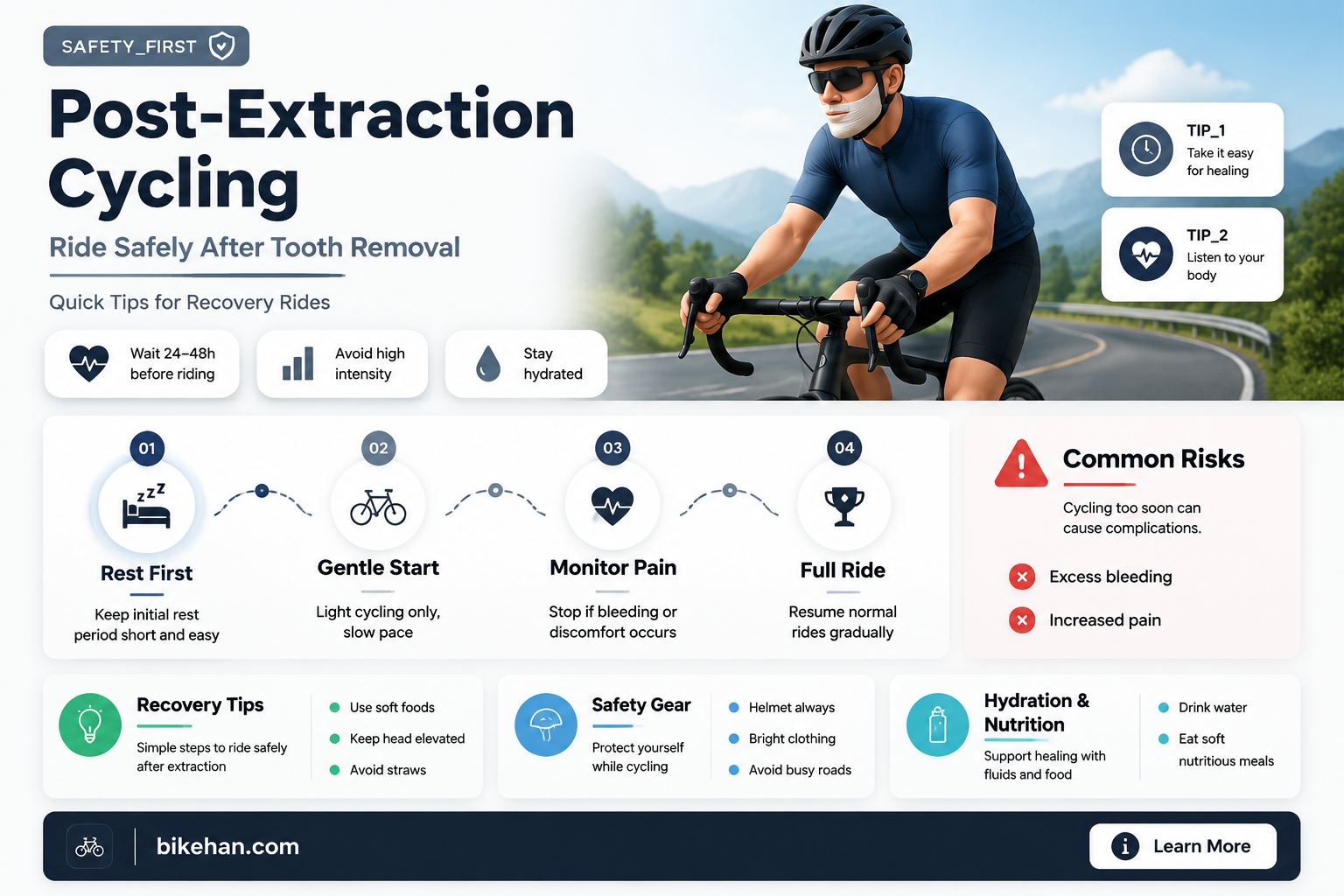
Tooth extraction is a common dental procedure that can leave patients wondering about their ability to resume normal activities, including riding a bike. While it's generally safe to ride a bike after tooth extraction, there are some important considerations to keep in mind to ensure a smooth recovery. Patients should avoid strenuous physical activity for the first 24 hours after the procedure to minimize the risk of complications. After this initial period, light exercise like bike riding can be resumed, but it's crucial to listen to your body and avoid any movements that cause discomfort or pain. Additionally, patients should follow their dentist's instructions regarding medication, diet, and oral hygiene to promote proper healing. By taking these precautions, individuals can safely enjoy bike riding as part of their recovery process after tooth extraction.
Explore related products


What You'll Learn
- Immediate Post-Extraction Care: Avoid strenuous activities, including biking, for at least 24 hours to ensure proper healing
- Pain Management: Use prescribed pain medication as directed; avoid biking until pain is well-managed to prevent accidents
- Swelling and Bleeding: Apply ice packs to reduce swelling; avoid biking if bleeding persists, as it can dislodge the blood clot
- Diet and Hydration: Stick to soft foods and stay hydrated; avoid biking if you feel weak or dizzy from dietary changes
- Follow-Up Appointments: Attend all scheduled dental check-ups; consult your dentist before resuming biking to ensure it's safe

Immediate Post-Extraction Care: Avoid strenuous activities, including biking, for at least 24 hours to ensure proper healing
Immediately following a tooth extraction, the body requires time to heal properly. Engaging in strenuous activities, such as biking, can interfere with this process. The physical exertion involved in biking increases blood flow and heart rate, which can lead to bleeding at the extraction site. Additionally, the vibrations and jolts from riding a bike can dislodge the blood clot that forms in the socket, potentially causing a painful condition known as dry socket.
To ensure optimal healing, it is crucial to avoid biking and other high-intensity activities for at least 24 hours after a tooth extraction. This period allows the blood clot to stabilize and the socket to begin the healing process. Patients should instead focus on gentle, low-impact activities that promote relaxation and recovery. Walking short distances, for example, can be beneficial as it helps maintain blood circulation without putting undue stress on the body.
During this recovery period, it is also important to follow the dentist's instructions regarding medication, diet, and oral hygiene. Pain relievers may be prescribed to manage discomfort, and patients should avoid hard, chewy, or spicy foods that could irritate the extraction site. Gentle brushing and flossing around the affected area can help keep the mouth clean and prevent infection.
After the initial 24-hour period, patients can gradually reintroduce more strenuous activities, including biking, as long as they feel comfortable and do not experience any pain or discomfort. It is essential to listen to the body's signals and not push oneself too hard, too soon. If any issues arise, such as persistent pain, swelling, or bleeding, it is important to contact the dentist immediately for further guidance.
In summary, avoiding biking and other strenuous activities for at least 24 hours after a tooth extraction is a critical component of the healing process. By following this guideline and the dentist's instructions, patients can help ensure a smooth and complication-free recovery.
Understanding Shark Toothing on Bikes: A Comprehensive Guide
You may want to see also
Explore related products


Pain Management: Use prescribed pain medication as directed; avoid biking until pain is well-managed to prevent accidents
Effective pain management is crucial after a tooth extraction to ensure both comfort and safety. Prescribed pain medication should be taken exactly as directed by the healthcare provider. This typically involves a specific dosage and frequency, which must be adhered to strictly to manage pain effectively without risking overdose or other adverse effects. Patients should also be aware of potential side effects of the medication, such as drowsiness or dizziness, which can impact their ability to perform activities like biking.
Avoiding biking until the pain is well-managed is a critical safety precaution. Biking requires focus, balance, and coordination, all of which can be compromised by pain and the side effects of pain medication. Additionally, the physical activity involved in biking can exacerbate pain and potentially lead to further complications, such as increased bleeding or swelling at the extraction site. It is essential to wait until the pain has subsided significantly and the patient feels alert and capable of safely operating a bicycle.
In some cases, over-the-counter pain relievers may be sufficient for managing mild pain after tooth extraction. However, for more severe pain, prescription medication may be necessary. It is important to consult with the dentist or oral surgeon to determine the most appropriate pain management strategy for each individual case. They can provide guidance on the type of medication, dosage, and duration of treatment, as well as any necessary precautions or adjustments for activities like biking.
Patients should also consider alternative methods of pain management, such as applying ice to the affected area, using a cold compress, or practicing relaxation techniques like deep breathing or meditation. These methods can help reduce pain and swelling without the risk of side effects associated with medication. However, they should be used in conjunction with, not as a replacement for, prescribed pain medication.
Ultimately, the decision to resume biking after a tooth extraction should be made in consultation with the healthcare provider. They can assess the patient's pain level, overall health, and the safety of biking given their specific circumstances. By following their advice and prioritizing pain management and safety, patients can minimize the risk of complications and ensure a smooth recovery.
Post-Extraction Cycling: When Is It Safe to Ride Again?
You may want to see also
Explore related products


Swelling and Bleeding: Apply ice packs to reduce swelling; avoid biking if bleeding persists, as it can dislodge the blood clot
Applying ice packs is a crucial step in managing swelling after a tooth extraction. The cold temperature helps to constrict blood vessels, reducing the flow of blood to the affected area and thereby minimizing swelling. It's recommended to apply an ice pack for 15-20 minutes at a time, with breaks in between to allow the skin to return to its normal temperature. This process can be repeated several times a day as needed.
However, if bleeding persists, it's important to avoid activities that could dislodge the blood clot, such as biking. The blood clot is essential for the healing process, as it protects the socket and prevents further bleeding. If the clot is disturbed, it can lead to a condition known as dry socket, which can be extremely painful and may require additional medical intervention.
In addition to avoiding biking, it's also advisable to refrain from other strenuous activities, heavy lifting, or anything that could increase blood pressure and disrupt the clot. It's essential to follow your dentist's instructions carefully and attend any scheduled follow-up appointments to ensure proper healing.
Remember, every individual's recovery process is unique, and it's important to listen to your body. If you experience any unusual symptoms, such as excessive bleeding, severe pain, or signs of infection, it's crucial to contact your dentist immediately. They can provide guidance and determine if any further treatment is necessary.
In summary, while applying ice packs can help reduce swelling after a tooth extraction, it's equally important to avoid activities like biking that could dislodge the blood clot. By following these guidelines and your dentist's instructions, you can promote proper healing and minimize the risk of complications.
Gearing Up: The Impact of Tooth Count on Bike Performance
You may want to see also
Explore related products


Diet and Hydration: Stick to soft foods and stay hydrated; avoid biking if you feel weak or dizzy from dietary changes
Maintaining a proper diet and staying hydrated are crucial after tooth extraction, especially if you plan to ride a bike. Soft foods are recommended to avoid putting pressure on the extraction site and to facilitate healing. These can include items like yogurt, mashed potatoes, and smoothies. It's also important to stay hydrated, as dehydration can lead to dizziness and weakness, which can be dangerous while biking. Drinking plenty of water and avoiding sugary or caffeinated beverages can help maintain hydration levels.
If you do feel weak or dizzy due to dietary changes, it's best to avoid biking until you feel better. Biking requires balance and coordination, and any impairment in these areas can increase the risk of accidents. Additionally, the physical exertion of biking can put additional strain on your body, which may not be ideal while recovering from a tooth extraction.
In terms of specific dietary recommendations, it's best to avoid hard, crunchy, or chewy foods for at least a week after tooth extraction. These types of foods can dislodge the blood clot that forms in the socket, leading to complications like dry socket. It's also important to avoid using a straw for at least a week, as the suction can also dislodge the blood clot.
As for hydration, aim to drink at least eight glasses of water a day. If you're feeling dizzy or weak, you can also try drinking sports drinks or coconut water, which contain electrolytes that can help replenish lost nutrients. However, be sure to check with your dentist or healthcare provider before making any significant changes to your diet or hydration routine.
In conclusion, proper diet and hydration are essential for a smooth recovery after tooth extraction, especially if you plan to engage in physical activities like biking. By sticking to soft foods, staying hydrated, and avoiding biking if you feel weak or dizzy, you can help ensure a safe and healthy recovery.
Safe Cycling After Tooth Extraction: Tips and Precautions
You may want to see also
Explore related products


Follow-Up Appointments: Attend all scheduled dental check-ups; consult your dentist before resuming biking to ensure it's safe
Attending follow-up appointments after a tooth extraction is crucial for ensuring proper healing and preventing complications. These appointments allow your dentist to monitor the extraction site, check for signs of infection, and provide guidance on post-operative care. It's essential to keep these scheduled check-ups, as they play a vital role in your overall oral health and recovery process.
Before resuming activities like biking, it's important to consult with your dentist to ensure it's safe. Biking can be a strenuous activity that may put pressure on the extraction site, potentially leading to complications such as dislodging the blood clot or causing further injury. Your dentist will be able to assess your individual situation and provide personalized advice on when it's safe to resume biking and other physical activities.
During your follow-up appointments, your dentist may also discuss pain management strategies, dietary restrictions, and oral hygiene practices to promote healing. They may recommend avoiding hard or chewy foods, using a soft-bristled toothbrush, and rinsing with a warm saltwater solution to keep the extraction site clean. By following these guidelines and attending your scheduled check-ups, you can help ensure a smooth and successful recovery from your tooth extraction.
In addition to monitoring the extraction site, your dentist may also use these follow-up appointments to address any concerns or questions you may have about your oral health. They can provide guidance on how to maintain good oral hygiene habits, discuss options for replacing the extracted tooth, and offer advice on preventing future dental issues. By prioritizing these appointments, you can take proactive steps towards maintaining a healthy smile and preventing long-term complications.
Remember, each person's recovery process is unique, and it's important to follow your dentist's personalized advice. By attending your follow-up appointments and consulting with your dentist before resuming activities like biking, you can help ensure a safe and successful recovery from your tooth extraction. Don't hesitate to reach out to your dental professional if you have any concerns or questions about your post-operative care.
Frequently asked questions
It is generally not recommended to ride a bike immediately after a tooth extraction. The physical exertion and potential for jostling can interfere with the healing process and may cause complications such as increased bleeding or dislodging of the blood clot.
It is typically advised to wait at least 24 to 48 hours before engaging in physical activities like riding a bike after a tooth extraction. This allows the initial healing process to take place and reduces the risk of complications.
If you must ride a bike after a tooth extraction, take the following precautions:
- Wait at least 24 to 48 hours to ensure initial healing.
- Avoid strenuous riding and maintain a gentle pace.
- Keep your head elevated to minimize blood flow to the extraction site.
- Use a soft-bristled toothbrush and avoid brushing the extraction site for the first few days.
- Follow your dentist's instructions regarding pain management and oral hygiene.