Matthew Brooks
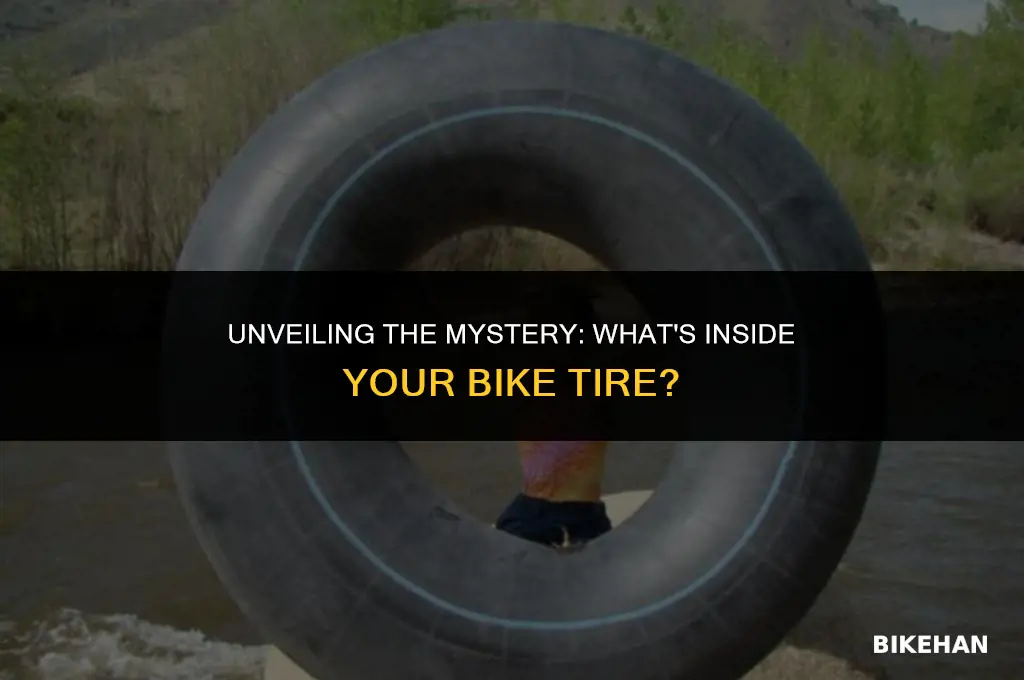
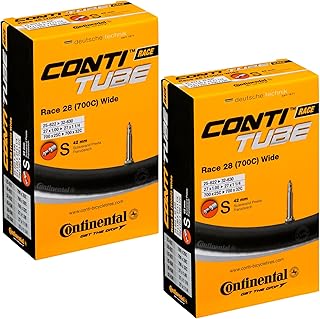
The tube inside a bike tire is called an inner tube. It's a crucial component of most bicycle tires, serving as an airtight bladder that maintains the tire's shape and allows it to hold air. The inner tube is typically made of rubber and is designed to fit snugly inside the tire casing. It's connected to the valve stem, which protrudes through the rim of the wheel, allowing you to inflate or deflate the tire as needed. Inner tubes come in various sizes to match different tire dimensions and are essential for ensuring a smooth, safe ride.
| Characteristics | Values |
|---|---|
| Name | Inner tube |
| Function | Retains air, provides cushioning |
| Material | Rubber |
| Shape | Circular, toroidal |
| Sizes | Various, specific to tire dimensions |
| Valve types | Presta, Schrader, Dunlop |
| Air pressure | Varies by tire type and use |
| Color | Typically black, sometimes colored |
| Weight | Lightweight, varies by size and material |
| Durability | Designed to withstand high pressures and impacts |
| Compatibility | Must match tire size and valve type |
| Installation | Inserted inside tire, connected to valve |
| Maintenance | Regularly check and maintain air pressure |
| Puncture repair | Can be patched or replaced if damaged |
| Environmental impact | Recyclable, but contributes to waste if not properly disposed of |
| Cost | Varies by size, material, and brand |
| Availability | Widely available at bike shops and online retailers |
Explore related products



What You'll Learn
- Inner Tube: The inflatable tube inside a tire that maintains air pressure and provides cushioning
- Tube Types: Different types of inner tubes, such as presta, Schrader, and Dunlop, and their compatibility with various bike tires
- Tube Materials: Inner tubes can be made from various materials like rubber, latex, or TPU, each with its own advantages and disadvantages
- Tube Sizes: The importance of choosing the correct tube size to match the tire size for optimal performance and safety
- Tube Maintenance: Tips on how to properly maintain and care for inner tubes, including patching punctures and preventing leaks

Inner Tube: The inflatable tube inside a tire that maintains air pressure and provides cushioning
The inner tube is a critical component of a bicycle tire, serving as the inflatable core that maintains air pressure and provides cushioning. It's typically made from rubber and is designed to be durable yet flexible, allowing it to withstand the rigors of cycling while providing a smooth ride. The inner tube is essential for ensuring that the tire remains inflated and can absorb shocks from the road, making it a vital part of any cyclist's equipment.
One of the key functions of the inner tube is to maintain air pressure within the tire. This is crucial for ensuring that the tire remains firm and can provide adequate traction and control. The inner tube is also responsible for absorbing shocks and vibrations from the road, which helps to reduce fatigue and improve comfort for the rider. Additionally, the inner tube can help to prevent punctures and other damage to the tire by providing an extra layer of protection.
When it comes to choosing the right inner tube for your bicycle, there are several factors to consider. The most important is the size of the tube, which should match the size of your tire. You'll also need to consider the valve type, as there are several different types of valves available, each with its own advantages and disadvantages. Finally, you'll want to choose an inner tube that is made from high-quality materials and is designed to withstand the specific demands of your cycling style.
Installing an inner tube can be a bit tricky, but with the right tools and a little practice, it's a task that most cyclists can handle on their own. The first step is to remove the old inner tube and tire from the rim. Next, you'll need to inspect the rim and tire for any damage or debris that could cause problems with the new inner tube. Once you've ensured that everything is clean and in good condition, you can insert the new inner tube and tire, making sure to properly seat the tire on the rim. Finally, you'll need to inflate the inner tube to the recommended pressure and test the tire to ensure that it's properly inflated and functioning correctly.
In conclusion, the inner tube is a crucial component of any bicycle tire, providing essential functions such as maintaining air pressure, absorbing shocks, and preventing punctures. By choosing the right inner tube for your bicycle and properly installing it, you can ensure that your tires remain in good condition and provide a safe and comfortable ride.
Exploring the Tattico Bike Tire App: A Cyclist's Guide
You may want to see also
Explore related products


Tube Types: Different types of inner tubes, such as presta, Schrader, and Dunlop, and their compatibility with various bike tires
The inner tube of a bicycle tire is a critical component that affects the ride quality, safety, and overall performance of the bike. While many cyclists may not give much thought to the type of inner tube they use, understanding the different types available and their compatibility with various bike tires can make a significant difference.
There are three main types of inner tubes used in bicycle tires: Presta, Schrader, and Dunlop. Each type has its own unique characteristics, advantages, and disadvantages. Presta tubes are commonly used in high-performance and racing bicycles due to their slim profile and ability to hold high pressures. Schrader tubes, on the other hand, are more widely used in casual and commuter bikes because they are more durable and easier to inflate. Dunlop tubes are less common but are still used in some bicycles, particularly those with wider tires.
When selecting an inner tube, it is essential to consider the compatibility with the bike tire. The tube must match the tire's size and type to ensure a proper fit and optimal performance. For example, a Presta tube is not compatible with a Schrader tire, and vice versa. Additionally, the tube's pressure rating must be appropriate for the tire's recommended pressure range. Using a tube with a lower pressure rating can lead to a blowout, while using a tube with a higher pressure rating can result in a harsh ride and increased risk of punctures.
In conclusion, understanding the different types of inner tubes and their compatibility with various bike tires is crucial for any cyclist. By selecting the right tube for their bike, cyclists can improve their ride quality, safety, and overall performance.
Decoding Bike Tire Measurements: Understanding the Second Number
You may want to see also
Explore related products


Tube Materials: Inner tubes can be made from various materials like rubber, latex, or TPU, each with its own advantages and disadvantages
Inner tubes, the critical component of bike tires, can be crafted from a variety of materials, each presenting unique benefits and drawbacks. Rubber, a traditional choice, offers durability and flexibility, making it a reliable option for everyday cycling. However, it's heavier compared to other materials and may not be the best choice for performance-oriented riders.
Latex, on the other hand, is a popular alternative due to its lighter weight and superior elasticity. This material allows for better shock absorption and a smoother ride, which is particularly advantageous for road cyclists. Yet, latex tubes are more prone to punctures and require more frequent maintenance.
TPU (thermoplastic polyurethane) tubes represent a modern innovation in bike tire technology. They are incredibly lightweight, resistant to punctures, and maintain their shape even under low pressure. This makes them ideal for mountain biking and other off-road activities where tire damage is a common concern. However, TPU tubes can be more expensive than their rubber or latex counterparts and may not be as widely available.
In addition to these primary materials, some inner tubes are made from blends or other synthetic materials, each with its own set of characteristics. For instance, some tubes incorporate a layer of Kevlar or other puncture-resistant materials to enhance durability without significantly increasing weight. Others may feature a special coating to improve air retention or reduce friction between the tube and the tire.
When selecting an inner tube, cyclists should consider factors such as their riding style, the terrain they'll be cycling on, and their budget. For casual riders, a standard rubber tube may suffice. Performance cyclists might prefer latex for its weight savings and ride quality. Those tackling rough terrain or seeking extra durability may opt for TPU or a specialized blend.
Ultimately, the choice of inner tube material can have a significant impact on the overall cycling experience. By understanding the advantages and disadvantages of each material, cyclists can make an informed decision that best suits their needs and preferences.
Choosing the Right Tire Size for Your Adult Bicycle
You may want to see also
Explore related products


Tube Sizes: The importance of choosing the correct tube size to match the tire size for optimal performance and safety
Choosing the correct tube size is crucial for optimal performance and safety when it comes to bike tires. The tube inside a bike tire, often referred to as an inner tube, plays a vital role in maintaining the tire's shape and providing a smooth ride. If the tube size does not match the tire size, it can lead to a range of issues, including decreased performance, increased risk of punctures, and even potential accidents.
One of the key factors to consider when selecting a tube size is the tire's width. A tube that is too narrow may not fill the tire properly, leading to a less stable ride and increased risk of pinch punctures. On the other hand, a tube that is too wide may be more prone to punctures and can also affect the tire's handling characteristics. It's essential to choose a tube size that is compatible with the tire's width to ensure a safe and efficient ride.
Another important consideration is the valve type and size. Bike tubes typically come with either Presta or Schrader valves, and the valve size must match the rim's valve hole. A mismatch in valve type or size can make it difficult to inflate the tire properly and may even result in damage to the rim or valve. When selecting a tube, it's crucial to check the valve type and size to ensure compatibility with the bike's rim.
In addition to performance and safety concerns, choosing the correct tube size can also impact the overall riding experience. A properly sized tube will provide better traction, handling, and comfort, allowing riders to enjoy a more enjoyable and efficient ride. By taking the time to select the right tube size, cyclists can avoid common pitfalls and ensure a safer, more satisfying riding experience.
To determine the correct tube size, riders should consult the tire's sidewall for information on the recommended tube size. This information is typically printed on the tire in a standardized format, making it easy to identify the correct tube size. Additionally, bike shops and online retailers often provide helpful resources and guides to assist riders in selecting the right tube size for their specific needs.
In conclusion, choosing the correct tube size is essential for optimal performance and safety when it comes to bike tires. By considering factors such as tire width, valve type, and valve size, riders can ensure a proper fit and avoid common issues associated with mismatched tube sizes. With the right tube size, cyclists can enjoy a safer, more efficient, and more enjoyable riding experience.
Decoding Bike Tire Sizes: A Comprehensive Guide for Cyclists
You may want to see also
Explore related products


Tube Maintenance: Tips on how to properly maintain and care for inner tubes, including patching punctures and preventing leaks
To maintain and care for inner tubes effectively, it's crucial to understand the common issues they face and how to address them. One of the most frequent problems is punctures. When an inner tube is punctured, it's essential to patch it promptly to prevent further damage. To patch a puncture, first, remove the tube from the tire and locate the hole. Clean the area around the puncture thoroughly to ensure the patch adheres properly. Then, apply a suitable patch kit, following the manufacturer's instructions carefully. After patching, reinflate the tube and check for any leaks.
Preventing leaks is another vital aspect of tube maintenance. Regularly inspect the tube for signs of wear or damage, such as cracks or cuts. If you notice any issues, replace the tube immediately. Additionally, ensure that the tire is properly inflated to the recommended pressure, as underinflation can lead to increased wear and tear on the tube. When installing a new tube, be sure to use a high-quality sealant to create an airtight seal between the tube and the tire.
Proper storage is also key to maintaining inner tubes. Store tubes in a cool, dry place away from direct sunlight and heat sources. Avoid folding or creasing the tubes, as this can weaken the material and lead to punctures. Instead, roll the tubes loosely and place them in a protective bag or container.
In conclusion, by following these tips on patching punctures, preventing leaks, and proper storage, you can significantly extend the life of your inner tubes and ensure a smooth and safe cycling experience.
The Essential Role of Tire Caps on Bicycles: Explained
You may want to see also
Frequently asked questions
The tube inside a bike tire is called an inner tube.
The inner tube's primary purpose is to retain air, providing the necessary inflation for the tire to function properly. It also helps to absorb some of the shocks from riding on uneven surfaces.
You can usually tell if your bike tire's inner tube is punctured if the tire is deflated or if you can hear a hissing sound coming from the tire. Additionally, if you notice any bulges or deformities in the tire, this could also indicate a puncture in the inner tube.