 Megan Blake
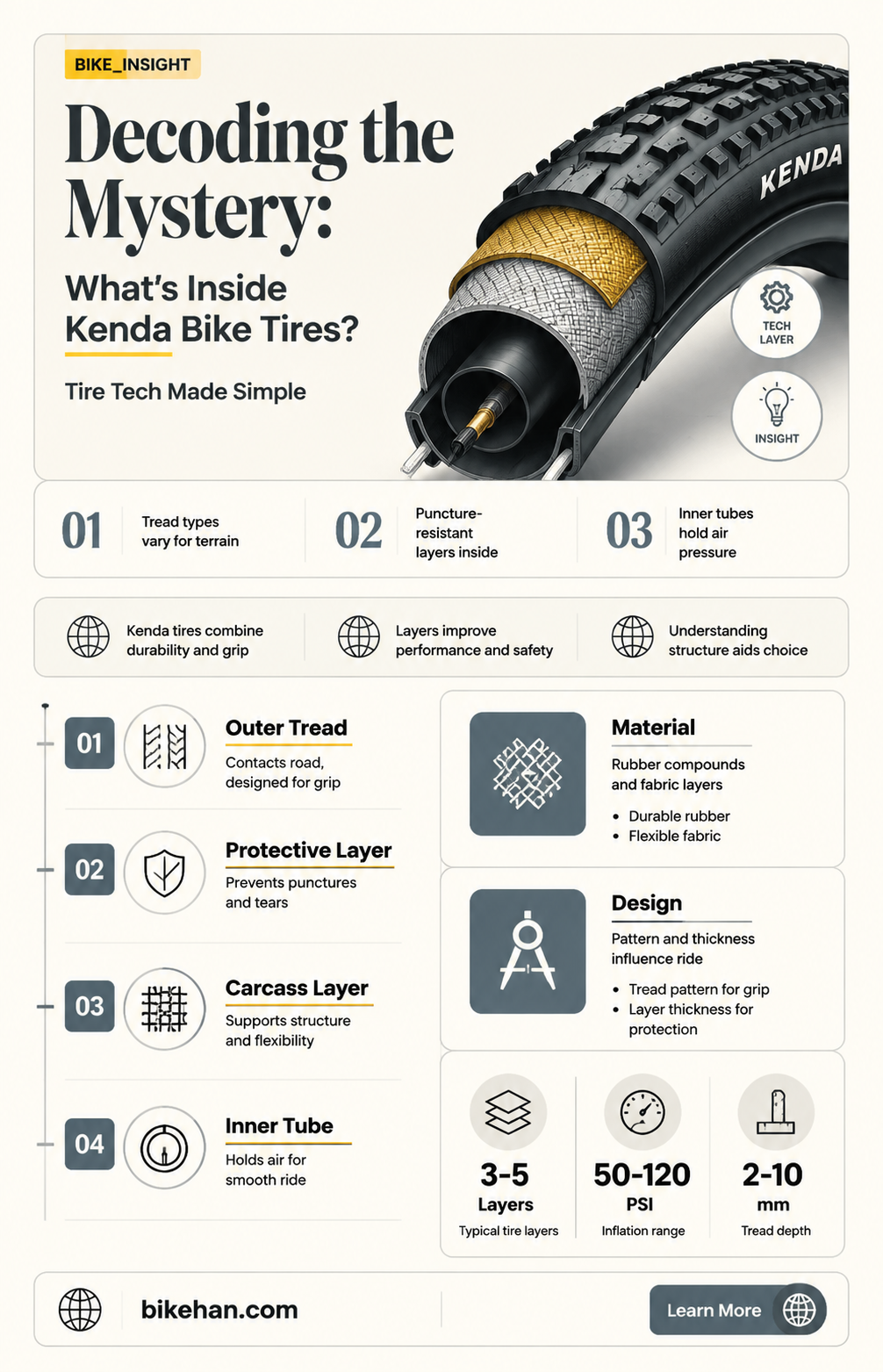
Kenda is a renowned manufacturer of bicycle tires, known for producing high-quality tires for various types of cycling. One common question among cyclists and bike enthusiasts is about the numbers printed on the sidewalls of Kenda tires. These numbers typically indicate important information such as the tire size, recommended inflation pressure, and sometimes the tire's load rating. Understanding these numbers is crucial for ensuring the correct tire is used for the bike and that it is inflated properly for optimal performance and safety.
Explore related products



What You'll Learn
- Understanding Tire Size: Learn to read and interpret the numbers and letters on your Kenda bike tire sidewall
- Measuring Tire Diameter: Discover how to accurately measure the diameter of your Kenda bike tire for proper sizing
- Tire Width and Pressure: Find out how tire width affects ride quality and the recommended pressure for optimal performance
- Kenda Tire Technologies: Explore the various technologies and features incorporated into Kenda bike tires for enhanced durability and grip
- Selecting the Right Tire: Get guidance on choosing the appropriate Kenda tire for your specific cycling needs and preferences

Understanding Tire Size: Learn to read and interpret the numbers and letters on your Kenda bike tire sidewall
The numbers and letters on the sidewall of a Kenda bike tire provide crucial information about the tire's size, type, and recommended usage. Understanding these markings is essential for cyclists to ensure they select the correct tire for their bike and riding conditions. The sidewall markings typically include a combination of numbers and letters, such as "700x28c" or "26x2.10", which indicate the tire's diameter, width, and type.
To decipher these markings, cyclists should first identify the tire's diameter, which is usually the largest number on the sidewall. This measurement is given in millimeters and represents the distance from one side of the tire to the other, passing through the center. Common diameters for road bikes include 700c, while mountain bikes often use 26-inch or 29-inch tires.
Next, cyclists should look for the tire's width, which is typically the second number in the sidewall marking. This measurement is also given in millimeters and indicates the width of the tire from sidewall to sidewall. Wider tires provide more stability and comfort, while narrower tires are faster and more efficient on smooth surfaces.
The letter following the width measurement usually denotes the tire's type or construction. For example, "c" indicates a clincher tire, which is the most common type for road bikes. Clincher tires have a separate inner tube and are easy to repair. Other tire types include "t" for tubular tires, which are glued to the rim, and "s" for tubeless tires, which do not require an inner tube.
In addition to these basic measurements, the sidewall may also include other information, such as the tire's recommended pressure range, weight limit, and manufacturer's details. Cyclists should always refer to the sidewall markings when selecting a new tire or replacing an old one to ensure compatibility with their bike and riding conditions.
By understanding the numbers and letters on their Kenda bike tire sidewall, cyclists can make informed decisions about their tire selection and ensure a safe and enjoyable riding experience.
Optimal Bike Tire Pressure: A Comprehensive Guide for Cyclists
You may want to see also
Explore related products


Measuring Tire Diameter: Discover how to accurately measure the diameter of your Kenda bike tire for proper sizing
To accurately measure the diameter of your Kenda bike tire, you'll need a few basic tools and some knowledge of tire sizing conventions. Start by locating the number inside the tire, which is usually printed on the sidewall. This number represents the tire's diameter in inches. For example, if the number reads "29," your tire's diameter is 29 inches.
However, it's important to note that tire diameters can vary slightly depending on the tire's width and the pressure it's inflated to. To get the most accurate measurement, you should use a tire gauge to measure the tire's width and a pressure gauge to ensure it's inflated to the recommended pressure.
Once you have the tire's diameter, you can use this information to determine the proper sizing for your bike. Most bike frames are designed to accommodate specific tire sizes, so it's crucial to choose a tire that matches your frame's specifications. If you're unsure about the correct tire size for your bike, consult your bike's owner's manual or visit a local bike shop for assistance.
When measuring your tire's diameter, it's also important to consider the type of tire you're using. For example, mountain bike tires tend to be wider and have a larger diameter than road bike tires. This is because mountain bike tires need to provide more traction and stability on rough terrain.
In conclusion, measuring your Kenda bike tire's diameter is a simple process that requires a few basic tools and some knowledge of tire sizing conventions. By following these steps, you can ensure that your bike is equipped with the proper tire size for optimal performance and safety.
Exploring the Core: Inside the Bike Tire Card Mystery
You may want to see also
Explore related products


Tire Width and Pressure: Find out how tire width affects ride quality and the recommended pressure for optimal performance
Tire width plays a crucial role in determining the ride quality of a bicycle. Wider tires generally provide a smoother ride by absorbing more road vibrations and offering better traction. This is particularly beneficial on rough or uneven surfaces, where the increased contact area with the ground helps to stabilize the bike and reduce the impact on the rider. However, wider tires also have some drawbacks, such as increased rolling resistance, which can make pedaling more strenuous, and the potential for reduced maneuverability in tight spaces.
The recommended tire pressure for optimal performance varies depending on several factors, including the rider's weight, the type of terrain, and the desired level of comfort. As a general rule, lower tire pressures provide a softer ride and better grip, but may be more prone to punctures and require more frequent inflation. Higher tire pressures, on the other hand, offer less rolling resistance and better speed, but can result in a harsher ride and reduced traction on slippery surfaces.
For road bikes, a common starting point for tire pressure is around 80-100 psi (pounds per square inch) for riders weighing between 150-200 pounds. Mountain bikes typically require lower pressures, around 30-50 psi, to provide adequate cushioning and grip on off-road terrain. However, these are just general guidelines, and the optimal tire pressure for any given rider and bike setup may require some experimentation and fine-tuning.
One important consideration when adjusting tire pressure is to ensure that the tires are properly seated on the rims. This can be done by checking that the tire beads are snugly fitted against the rim sides and that there are no gaps or bulges in the tire sidewalls. It's also a good idea to inspect the tires regularly for signs of wear or damage, such as cuts, abrasions, or embedded debris, which can compromise their performance and safety.
In conclusion, finding the right balance between tire width and pressure is essential for achieving a comfortable and efficient ride. By understanding the trade-offs between these two factors and experimenting with different settings, cyclists can optimize their bike's performance to suit their individual needs and preferences.
Decoding Bike Tire Sizes: A Comprehensive Guide for Cyclists
You may want to see also
Explore related products


Kenda Tire Technologies: Explore the various technologies and features incorporated into Kenda bike tires for enhanced durability and grip
Kenda bike tires are renowned for their innovative technologies that enhance durability and grip, providing cyclists with a reliable and safe riding experience. One of the key features is the use of advanced rubber compounds, such as the Kenda KR-1000 rubber, which offers superior abrasion resistance and tensile strength. This compound is designed to withstand the rigors of various terrains, from smooth pavement to rough trails, ensuring a longer lifespan for the tires.
Another notable technology is the Kenda K-Tech Tricon construction, which involves a three-layer design that combines a durable outer layer, a puncture-resistant middle layer, and a flexible inner layer. This construction not only improves the tire's resistance to punctures and cuts but also enhances its overall strength and durability. The result is a tire that can handle the demands of aggressive riding while maintaining a high level of performance.
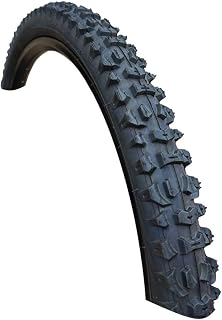
Kenda also incorporates advanced tread patterns into their bike tires, such as the Kenda K-Tech tread design, which features a unique combination of knobs and grooves to provide optimal grip and traction. These tread patterns are carefully engineered to channel water away from the tire's contact patch, reducing the risk of hydroplaning and improving overall handling in wet conditions. Additionally, the use of different knob shapes and sizes helps to distribute the rider's weight more evenly across the tire, resulting in a smoother and more controlled ride.
In terms of specific numbers related to Kenda bike tires, one important figure to consider is the tire's pressure rating, which is typically indicated on the sidewall. This number represents the maximum air pressure that the tire can safely hold and is crucial for ensuring proper performance and safety. It's essential for cyclists to follow the recommended pressure guidelines to avoid overinflating or underinflating their tires, which can lead to decreased grip, increased wear, and even tire failure.
Overall, Kenda's commitment to innovation and quality is evident in the various technologies and features incorporated into their bike tires. By focusing on durability, grip, and performance, Kenda has established itself as a leading brand in the cycling industry, providing riders with tires that they can trust to handle the demands of their rides.
Understanding Inflation: A Guide to Hybrid Bike Tire Pressure
You may want to see also
Explore related products



Selecting the Right Tire: Get guidance on choosing the appropriate Kenda tire for your specific cycling needs and preferences
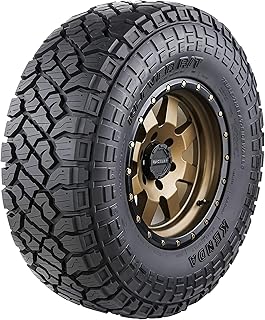
Choosing the right Kenda tire for your cycling needs involves understanding the numbers and symbols on the tire's sidewall. These numbers indicate the tire's size, which is crucial for compatibility with your bike's rims. For example, a tire marked "700x28" is 700mm in diameter and 28mm wide. Ensure that the tire size matches your bike's specifications to avoid issues with fit and performance.
Beyond size, consider the tire's tread pattern and compound. Kenda offers a variety of tread designs, each suited for different types of cycling. For road cycling, a tire with a smooth tread pattern and a hard compound will provide less rolling resistance and better speed. In contrast, mountain bike tires need a more aggressive tread pattern and a softer compound for better grip on uneven terrain.
Durability is another important factor. Kenda tires often feature different layers and materials to enhance puncture resistance and longevity. For example, some tires have a "Kevlar" bead, which is more resistant to punctures than standard steel beads. Additionally, consider the tire's weight, as lighter tires can improve your bike's overall performance and handling.
When selecting a Kenda tire, also think about the valve type. Kenda offers tires with different valve types, such as Presta, Schrader, and Dunlop. Ensure that the valve type is compatible with your bike's rims and your preferred inflation method.
Finally, consider your budget and the level of quality you require. Kenda offers a range of tires at different price points, each with its own set of features and benefits. By balancing your needs, preferences, and budget, you can find the perfect Kenda tire for your cycling adventures.
Revolutionizing Winter Rides: The Ultimate Snow Bike Tire Unveiled
You may want to see also
Frequently asked questions
The number inside Kenda bike tires typically represents the tire size, which includes the diameter and width of the tire.
To read the tire size on a Kenda bike tire, look for a series of numbers and letters printed on the sidewall. The format is usually "width x diameter," such as "23 x 622."
The width measurement in Kenda bike tires indicates the tire's cross-sectional width from sidewall to sidewall. It affects the tire's rolling resistance, grip, and overall ride quality.
The diameter measurement in Kenda bike tires refers to the distance across the tire from one sidewall to the other, passing through the center of the tire. It determines the tire's compatibility with the bike's wheel size.
Yes, besides the tire size, Kenda bike tires may have other markings or codes indicating the tire type, construction, and recommended pressure range. These details are crucial for selecting the right tire for your bike and ensuring optimal performance and safety.


