Ryan Cole
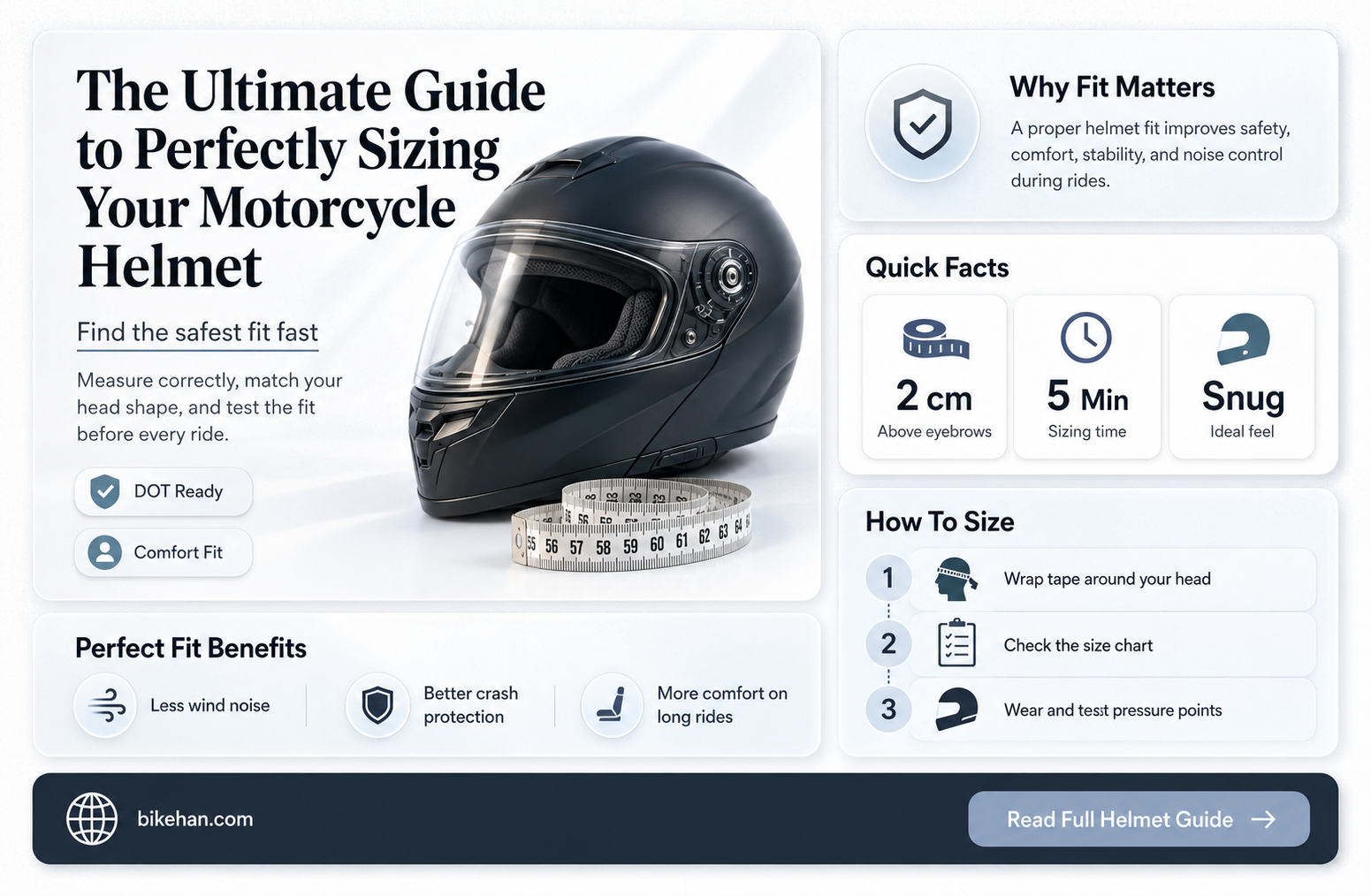
Sizing a motorcycle helmet is crucial for both safety and comfort. A properly fitted helmet can significantly reduce the risk of head injuries in the event of an accident. To determine the correct size, start by measuring the circumference of your head using a flexible tape measure, positioning it just above your eyebrows and ears. Compare this measurement to the manufacturer's sizing chart, as helmet sizes can vary between brands. It's also important to consider the shape of your head, as helmets come in different shapes to accommodate various head forms. Trying on the helmet is the best way to ensure a proper fit; it should be snug but not too tight, and there should be no pressure points. The chin strap should be adjusted so that it fits securely under your chin, with enough room to accommodate one finger for comfort. Remember, a well-fitted helmet is essential for a safe and enjoyable riding experience.
Explore related products


What You'll Learn
- Measure Your Head: Use a flexible tape measure to wrap around your head, noting the circumference
- Choose the Right Size: Refer to the manufacturer's sizing chart to select the appropriate helmet size based on your measurements
- Consider Helmet Type: Different helmet types (full-face, open-face, modular) may have unique sizing requirements
- Check for Comfort: Ensure the helmet fits snugly but comfortably, with enough room for your fingers to fit between the helmet and your head
- Test the Fit: Shake your head side to side and up and down to ensure the helmet stays securely in place

Measure Your Head: Use a flexible tape measure to wrap around your head, noting the circumference
To accurately size a motorcycle helmet, the first step is to measure your head. This involves using a flexible tape measure, which should be wrapped snugly around the circumference of your head. It's crucial to measure at the widest point, which is typically just above your eyebrows and around the back of your head. Make sure the tape is level and not twisted for an accurate measurement.
When taking your head measurement, it's important to consider the thickness of your hair, as this can affect the fit of the helmet. If you have thick hair, you may want to measure your head with your hair tied back or consider adding a small amount to your measurement to ensure a comfortable fit. Conversely, if you have very short hair or are bald, you may want to measure your head without any additional allowances.
Once you have your head measurement, you can refer to the manufacturer's sizing chart to determine the appropriate helmet size. Keep in mind that helmet sizes can vary slightly between brands, so it's always best to check the specific sizing chart for the helmet you're interested in. If you're between sizes, it's generally recommended to go with the smaller size, as a slightly snug fit is better than a loose one.
In addition to measuring your head, it's also important to consider the shape of your head when selecting a helmet. Some helmets are designed for rounder heads, while others are better suited for more oval-shaped heads. If you're unsure about the shape of your head, you can ask a friend or family member to help you determine which category you fall into.
Finally, when trying on a helmet, make sure to wear it for at least a few minutes to get a good sense of how it feels. The helmet should fit snugly but not be too tight, and it should not move around excessively when you shake your head. If you experience any discomfort or pressure points, it may be necessary to try a different size or style of helmet.
Illinois Motorcycle Helmet Law: What You Need to Know
You may want to see also
Explore related products


Choose the Right Size: Refer to the manufacturer's sizing chart to select the appropriate helmet size based on your measurements
To ensure optimal safety and comfort while riding a motorcycle, selecting the correct helmet size is crucial. Manufacturers provide sizing charts that correlate head measurements with helmet sizes, making it easier for riders to find the perfect fit. Begin by measuring the circumference of your head using a flexible tape measure, positioning it just above your eyebrows and ears. This measurement will serve as the primary reference point for determining your helmet size.
Once you have your head circumference, consult the sizing chart provided by the helmet manufacturer. These charts typically display a range of measurements alongside corresponding helmet sizes. Locate your measurement on the chart and identify the recommended helmet size. It's essential to note that sizing can vary slightly between manufacturers, so always refer to the specific chart for the helmet you intend to purchase.
In addition to head circumference, some manufacturers may also provide charts based on other measurements, such as head length or width. If this is the case, follow the same process to determine the appropriate size. Remember, a properly fitting helmet should be snug but not uncomfortable, allowing for a full range of motion without any pressure points.
When trying on helmets, ensure that the chin strap is securely fastened and that the helmet sits level on your head. The interior padding should provide a comfortable fit without being too tight. If you're unsure about the fit, consult with a professional at a motorcycle gear store or contact the manufacturer directly for guidance.
Choosing the right size helmet is a critical step in ensuring your safety on the road. A well-fitted helmet can significantly reduce the risk of head injuries in the event of an accident. By following the manufacturer's sizing guidelines and taking the time to find the perfect fit, you can enjoy a safer and more comfortable riding experience.
Is Mounting a GoPro on Your Motorcycle Helmet Legal?
You may want to see also
Explore related products


Consider Helmet Type: Different helmet types (full-face, open-face, modular) may have unique sizing requirements
When selecting a motorcycle helmet, it's crucial to consider the type of helmet you're choosing, as each type may have distinct sizing requirements. Full-face helmets, for instance, cover the entire head and face, providing maximum protection. However, they can feel more constricting and may require a larger size to accommodate the additional coverage. On the other hand, open-face helmets leave the face exposed, offering less protection but a more open feel. These helmets might fit more snugly, so you may need to size down. Modular helmets, which can be converted from full-face to open-face, present a unique challenge. They often have a more complex sizing system to ensure a proper fit in both configurations.
To accurately size a full-face helmet, measure the circumference of your head at the widest point, above your eyebrows and ears. For open-face helmets, you'll want to measure the circumference at the same point but also consider the length of your face, as the helmet will sit further back on your head. Modular helmets require careful attention to both head circumference and face length, as well as the ability to adjust the chin bar. It's essential to consult the manufacturer's sizing chart for each specific helmet model, as sizes can vary significantly between brands and even within the same brand's product line.
In addition to considering helmet type, it's important to think about the additional features and accessories you may want to use. For example, if you plan to wear glasses or a visor, you may need to choose a larger size to accommodate these items. Similarly, if you prefer to wear a balaclava or other head covering, you'll need to account for this when selecting your helmet size. Remember, a properly fitting helmet is essential for both comfort and safety, so take the time to try on different sizes and styles before making a purchase.
When trying on helmets, pay attention to how they feel on your head. A well-fitting helmet should be snug but not uncomfortable, and it should not move around excessively when you shake your head. The chin strap should be secure but not too tight, allowing you to fit one finger between the strap and your chin. If you're unsure about the fit, consult with a professional at a motorcycle gear store or seek advice from experienced riders.
In conclusion, sizing a motorcycle helmet requires careful consideration of the helmet type, your head measurements, and any additional features or accessories you plan to use. By taking the time to properly size your helmet, you can ensure a comfortable and safe riding experience.
Riding Free: States Without Motorcycle Helmet Laws
You may want to see also
Explore related products

$5.99 $9.99


$74.95


Check for Comfort: Ensure the helmet fits snugly but comfortably, with enough room for your fingers to fit between the helmet and your head
Ensuring a comfortable fit is crucial when sizing a motorcycle helmet. A helmet that is too tight can cause discomfort during long rides, potentially leading to headaches or even impairing your ability to concentrate on the road. Conversely, a helmet that is too loose can compromise safety, as it may not stay securely in place in the event of an accident. To check for comfort, start by placing the helmet on your head and fastening the chin strap. Then, try to fit your fingers between the helmet and your head. If you can fit one or two fingers comfortably, the helmet is likely the right size. However, if you can fit more than two fingers or if the helmet feels too tight, you may need to adjust the size.
It's also important to consider the shape of your head when checking for comfort. Some helmets are designed for rounder heads, while others are better suited for more oval-shaped heads. If you're unsure about the shape of your head, you can measure it using a flexible tape measure. Wrap the tape measure around the widest part of your head, just above your eyebrows and ears. The measurement you get will give you an idea of your head shape and can help you choose a helmet that fits comfortably.
Another factor to consider is the padding and lining of the helmet. High-quality helmets often have removable and washable padding, which can help improve comfort and hygiene. Additionally, some helmets come with adjustable ventilation systems that can help regulate airflow and reduce heat buildup, further enhancing comfort during rides.
When trying on a helmet, it's a good idea to wear the same type of clothing you would typically wear while riding. This will help you get a more accurate feel for how the helmet will fit and feel during actual use. Additionally, consider the weight of the helmet. Lighter helmets can be more comfortable for long rides, but they may also offer less protection in the event of an accident.
Finally, remember that comfort is subjective, and what feels comfortable to one person may not feel comfortable to another. Take your time when trying on helmets and don't be afraid to ask for advice from a professional at a motorcycle gear store. They can help you find a helmet that fits your head properly and provides the level of comfort and protection you need.
Breaking In Your Motorcycle Helmet: A Rider's Guide to Comfort and Safety
You may want to see also
Explore related products

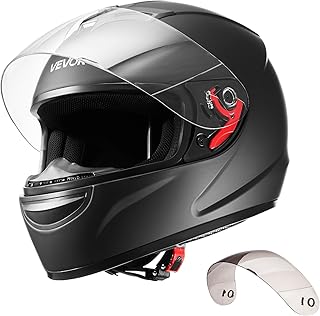


Test the Fit: Shake your head side to side and up and down to ensure the helmet stays securely in place
To ensure a motorcycle helmet fits properly, it's crucial to perform the "shake test." This involves shaking your head vigorously side to side and up and down while wearing the helmet. If the helmet remains securely in place without shifting significantly, it's a good indication that the fit is correct. However, if the helmet moves around or feels loose, it may not provide adequate protection in the event of an accident.
The shake test is particularly important because it simulates the kind of movements your head might make during a ride. By ensuring the helmet stays in place during these movements, you can be more confident that it will protect you effectively. Additionally, a properly fitting helmet will be more comfortable to wear, reducing the likelihood of it causing discomfort or distraction while riding.
When performing the shake test, it's important to be thorough. Shake your head in all directions, including side to side, up and down, and even a bit of twisting. This will help you identify any areas where the helmet might be too loose or not providing enough coverage. If you find that the helmet is shifting too much during the test, you may need to adjust the fit or consider trying a different helmet size or style.
It's also worth noting that the shake test should be done with the helmet's chin strap securely fastened. This will help ensure that the helmet stays in place and provides the maximum amount of protection. If the chin strap is too loose, it can allow the helmet to shift around more easily, which could compromise its effectiveness in an accident.
In conclusion, the shake test is a simple but effective way to ensure that your motorcycle helmet fits properly and will provide adequate protection while riding. By taking the time to perform this test, you can help ensure your safety and comfort on the road.
Decoding Roadside Symbols: The Significance of a Helmet Behind a Motorcycle
You may want to see also
Frequently asked questions
To measure your head for a motorcycle helmet, use a flexible tape measure and wrap it around the fullest part of your head, just above your eyebrows and ears. Make sure the tape is level and snug but not too tight. Record the measurement to the nearest centimeter or inch.
The correct fit for a motorcycle helmet is one that sits snugly on your head without any gaps. The helmet should not move around when you shake your head, and your fingers should not fit between the helmet and your head. The chin strap should be adjusted so that it is tight enough to keep the helmet in place but not so tight that it causes discomfort.
You should replace your motorcycle helmet every 5 years or after any impact, even if it appears to be undamaged. Over time, the materials in the helmet can degrade, reducing its ability to protect your head in the event of an accident.
It is generally not recommended to wear a hat under your motorcycle helmet, as it can interfere with the fit and reduce the helmet's effectiveness in protecting your head. Instead, consider wearing a helmet liner or using the helmet's built-in ventilation system to keep your head cool.
Choosing the right style of motorcycle helmet depends on your riding preferences and needs. Full-face helmets offer the most protection but can be heavier and less comfortable in warm weather. Open-face helmets provide less protection but are lighter and more comfortable in warm weather. Modular helmets offer a balance between protection and comfort, with a removable chin bar. Half-shell helmets are the least protective but are also the lightest and most comfortable. Consider your riding style, the weather conditions you will be riding in, and your personal preferences when choosing a helmet style.