Ryan Cole
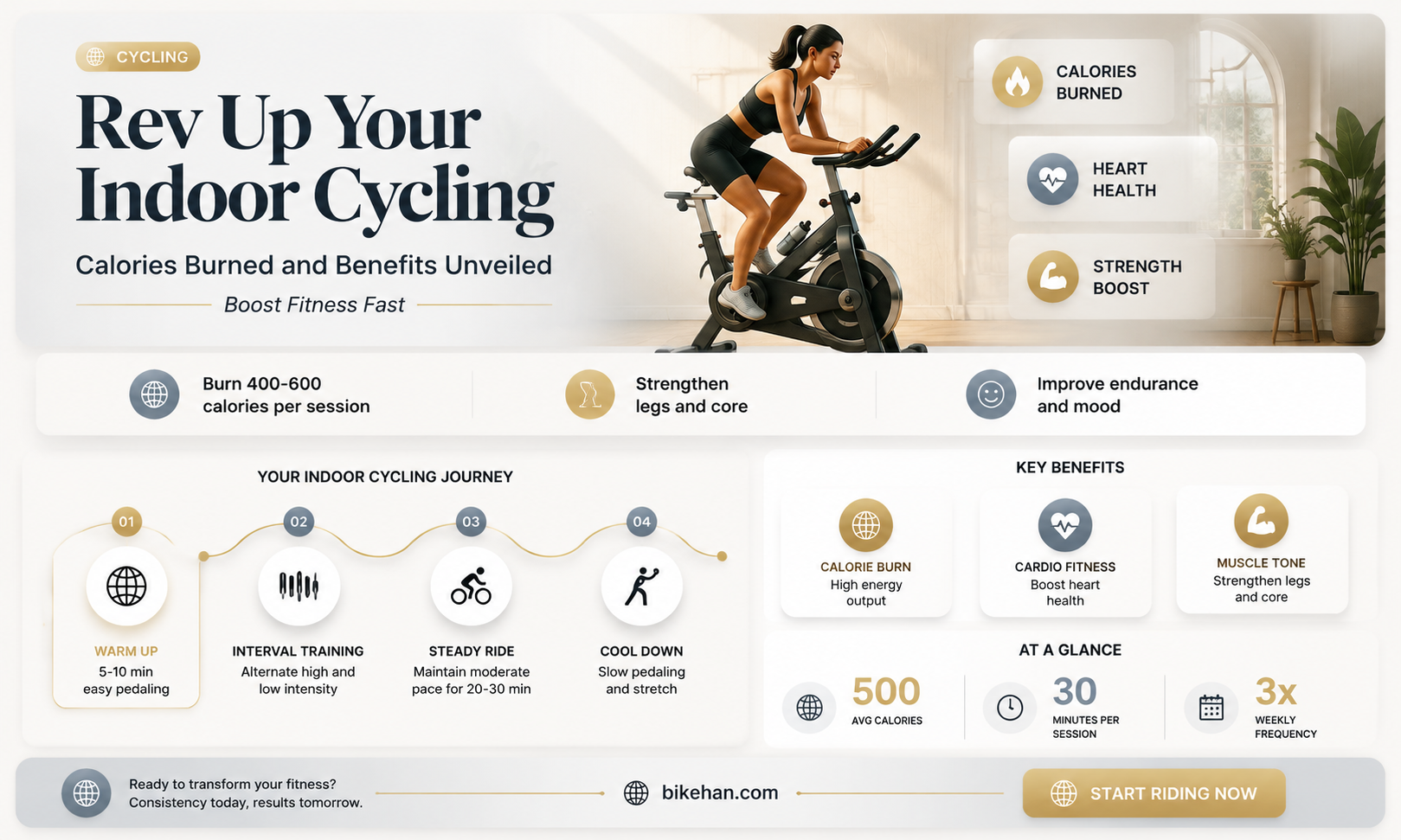
Indoor cycling is a popular form of exercise that can provide a great cardiovascular workout and help burn calories. The number of calories burned during an indoor bike session can vary depending on several factors, including the intensity of the workout, the duration of the session, and the individual's weight and fitness level. On average, a moderate-intensity indoor cycling session can burn anywhere from 400 to 600 calories per hour for a person weighing around 150 pounds. However, this number can increase significantly with higher-intensity interval training or longer workout durations. It's important to note that calorie burn estimates can be highly individualized, and factors such as age, gender, and overall health can also influence the number of calories burned during an indoor cycling workout.
Explore related products


What You'll Learn
- Factors Affecting Calorie Burn: Intensity, duration, body weight, and resistance level impact calories burned on an indoor bike
- Average Calorie Burn Rates: Moderate cycling (60-70% max heart rate) burns 400-600 calories per hour for most individuals
- High-Intensity Interval Training (HIIT): Alternating between high and low intensity can increase calorie burn and improve cardiovascular fitness
- Tracking Calorie Burn: Using heart rate monitors, cycling computers, or fitness apps can help estimate and track calories burned during indoor cycling
- Comparing to Other Exercises: Indoor cycling calorie burn can be similar to running or rowing, but lower than activities like swimming or cross-country skiing

Factors Affecting Calorie Burn: Intensity, duration, body weight, and resistance level impact calories burned on an indoor bike
The number of calories burned on an indoor bike is influenced by several key factors, each playing a significant role in determining the overall energy expenditure. Understanding these factors can help individuals optimize their workouts for better results.
Intensity is a primary determinant of calorie burn. Higher intensity workouts, where the heart rate is elevated significantly, result in a greater number of calories burned both during and after the exercise session. This is due to the increased demand for oxygen and the body's need to replenish energy stores post-workout. For instance, a high-intensity interval training (HIIT) session on an indoor bike can burn up to 30% more calories than a steady-state workout of the same duration.
Duration also plays a crucial role. Longer workouts naturally burn more calories, as the body is engaged in physical activity for an extended period. However, it's important to note that the body's efficiency can decrease over time, leading to a plateau in calorie burn. To counteract this, varying the duration and intensity of workouts can help maintain a consistent calorie burn.
Body weight is another significant factor. Individuals with higher body weights tend to burn more calories during physical activity, as more energy is required to move a larger mass. This is particularly true for weight-bearing exercises like indoor biking, where the legs and core muscles are heavily engaged.
Lastly, resistance level impacts calorie burn. Increasing the resistance on an indoor bike requires the muscles to work harder, leading to a higher energy expenditure. This can be particularly effective for building strength and endurance, as well as increasing the overall calorie burn of a workout session.
In summary, to maximize calorie burn on an indoor bike, individuals should focus on high-intensity workouts, vary the duration of their sessions, maintain a healthy body weight, and adjust the resistance level to challenge their muscles. By understanding and manipulating these factors, one can create an effective workout regimen that yields significant results in terms of calorie burn and overall fitness.
Calories Burned on a 20-Mile Bike Ride: A Comprehensive Guide
You may want to see also
Explore related products



Average Calorie Burn Rates: Moderate cycling (60-70% max heart rate) burns 400-600 calories per hour for most individuals
To calculate the average calorie burn rate for moderate cycling, which is defined as exercising at 60-70% of your maximum heart rate, we need to consider several factors. First, it's essential to understand that the intensity of your workout directly impacts the number of calories you burn. Moderate cycling falls into the category of aerobic exercise, which is effective for burning calories and improving cardiovascular health.
The average calorie burn rate for moderate cycling can vary depending on your weight, age, and fitness level. Generally, a person weighing around 150 pounds (68 kg) can expect to burn approximately 400-600 calories per hour when cycling at a moderate intensity. However, if you weigh more or less than this, your calorie burn rate will be different. For example, a person weighing 200 pounds (91 kg) may burn closer to 500-750 calories per hour, while someone weighing 100 pounds (45 kg) might burn around 250-400 calories per hour.
It's also important to note that the duration of your cycling session will affect the total number of calories you burn. If you cycle for 30 minutes at a moderate intensity, you can expect to burn around 200-300 calories, depending on your weight and fitness level. On the other hand, if you cycle for an hour, you'll burn closer to 400-600 calories.
To maximize your calorie burn rate while indoor cycling, it's crucial to maintain a consistent pace and resistance level throughout your workout. You can also incorporate interval training, which involves alternating between periods of high and low intensity, to boost your calorie burn rate. Additionally, staying hydrated and fueling your body with a balanced diet will help you perform better during your cycling sessions and recover more efficiently afterward.
In summary, the average calorie burn rate for moderate cycling is 400-600 calories per hour for most individuals, but this can vary depending on your weight, age, and fitness level. To maximize your calorie burn rate, focus on maintaining a consistent pace, incorporating interval training, and fueling your body properly.
Exploring London's Streets: The Abundance of Boris Bikes
You may want to see also
Explore related products


High-Intensity Interval Training (HIIT): Alternating between high and low intensity can increase calorie burn and improve cardiovascular fitness
High-Intensity Interval Training (HIIT) is a workout strategy that involves alternating between periods of high-intensity exercise and low-intensity recovery. This method has been shown to significantly increase calorie burn and improve cardiovascular fitness, making it an effective approach for those looking to maximize their indoor cycling workouts.
One of the key benefits of HIIT is its ability to elevate the heart rate quickly and keep it high throughout the workout. This leads to a greater calorie expenditure, as the body is working harder to pump blood and oxygen to the muscles. In fact, studies have shown that HIIT can burn up to 30% more calories than steady-state cardio exercises.
To incorporate HIIT into an indoor cycling routine, cyclists can follow a simple structure: start with a warm-up period of low-intensity cycling, then alternate between high-intensity sprints and low-intensity recovery periods. The length of these intervals can vary, but a common approach is to perform 30-second sprints followed by 30-second recovery periods. This pattern can be repeated for 10-20 minutes, depending on the cyclist's fitness level and goals.
It's important to note that HIIT workouts can be quite intense and may not be suitable for everyone. Cyclists should always consult with a healthcare professional before starting a new exercise program, especially if they have any pre-existing health conditions. Additionally, it's crucial to listen to the body and adjust the intensity and duration of intervals as needed to avoid injury or burnout.
In conclusion, HIIT is a powerful tool for indoor cyclists looking to increase their calorie burn and improve their cardiovascular fitness. By incorporating this strategy into their workouts, cyclists can achieve greater results in less time, making it an efficient and effective approach to indoor cycling.
Calories Burned in an Hour of Stationary Biking: A Comprehensive Guide
You may want to see also
Explore related products


Tracking Calorie Burn: Using heart rate monitors, cycling computers, or fitness apps can help estimate and track calories burned during indoor cycling
To accurately track calorie burn during indoor cycling, utilizing technology can provide a significant advantage. Heart rate monitors are a popular choice, as they can offer real-time data on your body's response to exercise. By wearing a heart rate monitor on your chest or wrist, you can get a continuous readout of your heart rate, which can then be used to estimate calorie expenditure based on your age, weight, and exercise intensity.
Cycling computers are another useful tool for tracking calorie burn. These devices can be mounted on your indoor bike and can monitor various metrics such as speed, distance, and cadence. By inputting your weight and the intensity of your workout, the cycling computer can calculate an estimate of calories burned. Additionally, many cycling computers can be connected to fitness apps, allowing you to track your progress over time and set goals for future workouts.
Fitness apps are a convenient way to track calorie burn without the need for additional hardware. Many apps use algorithms that take into account your weight, height, age, and exercise intensity to estimate calorie expenditure. Some apps even offer guided workouts that can help you maximize your calorie burn while ensuring you're exercising safely and effectively.
When using any of these methods to track calorie burn, it's important to remember that the estimates provided are just that – estimates. Factors such as individual metabolism, muscle mass, and overall fitness level can affect the accuracy of calorie burn calculations. However, by using these tools consistently, you can get a better understanding of your body's response to exercise and make informed decisions about your fitness routine.
In addition to tracking calorie burn, these tools can also help you monitor your overall fitness progress. By setting goals and tracking your workouts over time, you can see improvements in your endurance, strength, and overall health. Whether you're a seasoned cyclist or just starting out, using technology to track your calorie burn can be a valuable asset in achieving your fitness goals.
Rev Up Your Fitness: Calories Burned Biking for Navy PRT
You may want to see also
Explore related products


Comparing to Other Exercises: Indoor cycling calorie burn can be similar to running or rowing, but lower than activities like swimming or cross-country skiing
Indoor cycling is a popular form of exercise known for its convenience and effectiveness in burning calories. When compared to other exercises, indoor cycling can burn a similar number of calories as running or rowing. For instance, a 30-minute indoor cycling session at a moderate intensity can burn approximately 200-300 calories, which is comparable to the calorie burn from a 30-minute run or row at a similar intensity level.
However, indoor cycling may not be as effective in burning calories as activities like swimming or cross-country skiing. Swimming is a full-body workout that engages multiple muscle groups simultaneously, leading to a higher calorie burn. A 30-minute swim can burn around 300-400 calories, depending on the stroke and intensity. Similarly, cross-country skiing is a rigorous activity that works both the upper and lower body, resulting in a significant calorie expenditure. A 30-minute cross-country skiing session can burn upwards of 400-500 calories.
It's important to note that the calorie burn from any exercise can vary based on factors such as body weight, intensity level, and duration. To maximize calorie burn during indoor cycling, individuals can increase the resistance, pedal faster, or incorporate interval training into their workout routine. Additionally, combining indoor cycling with other forms of exercise, such as strength training or high-intensity interval training (HIIT), can help boost overall calorie expenditure and improve fitness levels.
In summary, while indoor cycling can be an effective way to burn calories, it may not be as efficient as other activities like swimming or cross-country skiing. By understanding the calorie burn potential of different exercises, individuals can tailor their workout routines to achieve their fitness goals more effectively.
Calories Burned on a 12-Mile Bike Ride: A Comprehensive Guide
You may want to see also
Frequently asked questions
The number of calories burned during a 30-minute indoor cycling session can vary based on several factors, including your weight, the intensity of the workout, and your overall fitness level. On average, a person weighing 155 pounds (70 kg) can burn approximately 260-300 calories in a moderate-intensity session.
Yes, the resistance level on the indoor bike significantly affects calorie burn. Higher resistance levels require more effort and energy, leading to increased calorie expenditure. For example, if you increase the resistance, you can burn up to 50-100 more calories in a 30-minute session compared to a lower resistance setting.
Your body weight plays a crucial role in determining the number of calories burned during an indoor cycling session. Generally, the more you weigh, the more calories you will burn. This is because it takes more energy to move a heavier body. For instance, a person weighing 185 pounds (84 kg) can burn around 320-370 calories in a 30-minute moderate-intensity session, compared to 260-300 calories for someone weighing 155 pounds (70 kg).
Cycling at a higher cadence can indeed increase calorie burn. A higher cadence means you are pedaling faster, which requires more energy and engages different muscle groups. This can lead to a higher heart rate and increased calorie expenditure. For example, cycling at a cadence of 80-90 rpm can burn more calories than cycling at a cadence of 60-70 rpm, assuming other factors like resistance and duration remain constant.
Yes, it is possible to burn 500 calories in an hour-long indoor cycling session, but it depends on various factors such as your weight, the intensity of the workout, and the resistance level. For instance, a person weighing 185 pounds (84 kg) cycling at a high intensity with significant resistance can burn up to 500-600 calories in an hour. However, for someone weighing less or cycling at a lower intensity, the calorie burn may be closer to 300-400 calories per hour.