Eric Johnson
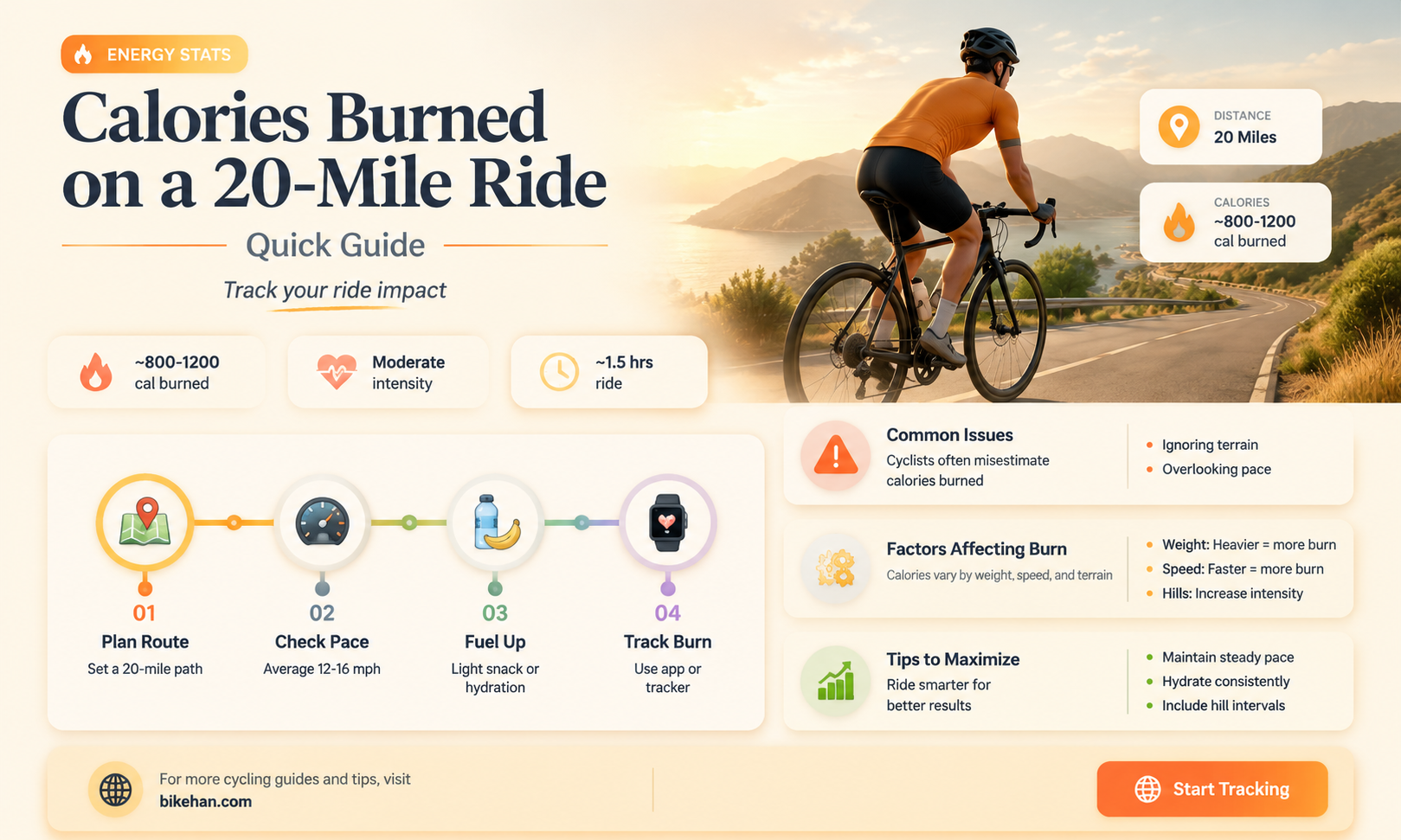
Embarking on a 20-mile bike ride is not only an exhilarating experience but also a significant calorie-burning activity. The exact number of calories burned during such a ride can vary widely depending on several factors, including the rider's weight, intensity of the ride, terrain, and overall fitness level. On average, a person weighing around 155 pounds (70 kilograms) can expect to burn approximately 400 to 600 calories during a moderate-intensity 20-mile bike ride. However, for more vigorous efforts or hilly routes, this number can increase substantially, potentially reaching up to 1,000 calories or more for highly fit individuals. Understanding these variables can help cyclists tailor their rides to meet specific fitness goals, whether it's weight loss, endurance training, or simply enjoying the health benefits of regular cycling.
Explore related products



What You'll Learn
- Factors Affecting Calorie Burn: Weight, speed, terrain, and cycling intensity influence calorie expenditure during a 20-mile bike ride
- Average Calorie Burn: A typical 20-mile bike ride burns between 400-1000 calories, depending on the rider's weight and effort
- Calorie Calculation Methods: Use online calculators or fitness trackers to estimate calories burned based on distance, speed, and rider's weight
- Maximizing Calorie Burn: Increase intensity, vary terrain, and maintain a consistent pace to maximize calorie expenditure during the ride
- Post-Ride Nutrition: Refuel with a balanced meal containing protein, carbohydrates, and healthy fats to support recovery and replenish energy stores

Factors Affecting Calorie Burn: Weight, speed, terrain, and cycling intensity influence calorie expenditure during a 20-mile bike ride
Several factors significantly influence the number of calories burned during a 20-mile bike ride. One of the primary determinants is the rider's weight. Heavier individuals tend to burn more calories because their bodies require more energy to move. For instance, a 180-pound person cycling at a moderate pace might burn around 700-800 calories over 20 miles, whereas a 120-pound person might burn approximately 450-550 calories under the same conditions.
Speed is another crucial factor. The faster you cycle, the more calories you burn. This is because your body needs to work harder to maintain higher speeds, thus requiring more energy. For example, cycling at 15 miles per hour (mph) can burn about 400-500 calories in 20 miles for an average-weight person, while cycling at 20 mph can increase the calorie burn to around 600-700 calories.
Terrain also plays a significant role in calorie expenditure. Riding on hilly or uneven terrain requires more effort and energy compared to cycling on flat surfaces. This is because your body needs to work harder to maintain balance and speed on challenging terrains. Consequently, a 20-mile bike ride on hilly terrain can burn approximately 800-1000 calories for an average-weight person, whereas the same distance on flat terrain might burn around 500-600 calories.
Lastly, cycling intensity, or how hard you push yourself, greatly affects calorie burn. High-intensity cycling, such as sprinting or riding at your maximum effort, can significantly increase calorie expenditure. For instance, a 20-mile high-intensity bike ride can burn anywhere from 1000 to 1500 calories, depending on the individual's weight and fitness level. In contrast, a leisurely ride at low intensity might burn only 300-400 calories.
Understanding these factors can help you tailor your cycling workouts to achieve your fitness and weight loss goals. By adjusting your speed, choosing varied terrains, and varying your cycling intensity, you can optimize your calorie burn and make the most out of your 20-mile bike rides.
Calories Burned on a 12-Mile Bike Ride: A Comprehensive Guide
You may want to see also
Explore related products


Average Calorie Burn: A typical 20-mile bike ride burns between 400-1000 calories, depending on the rider's weight and effort
The calorie burn from a 20-mile bike ride can vary significantly based on several factors. Primarily, the rider's weight plays a crucial role; the more a person weighs, the more calories they will burn during the ride. This is because the body requires more energy to move a heavier mass over the same distance. For instance, a 150-pound person might burn around 400 calories, while a 200-pound person could burn closer to 500 calories for the same effort.
Another key factor is the level of effort exerted by the rider. A leisurely pace will result in fewer calories burned compared to a vigorous ride. The terrain also affects calorie burn; riding uphill requires more energy than riding on flat ground or downhill. Additionally, the type of bike and the rider's efficiency in pedaling can influence the total calories burned.
To estimate the calorie burn for a 20-mile bike ride, one can use online calculators that take into account these variables. These tools often require input on the rider's weight, the average speed of the ride, and the elevation gain. By providing these details, the calculator can offer a more personalized estimate of the calorie expenditure.
For those looking to maximize their calorie burn during a 20-mile bike ride, there are several strategies they can employ. Increasing the intensity of the ride by pedaling faster or tackling more challenging routes with hills or inclines can significantly boost the calorie expenditure. Additionally, incorporating interval training, where the rider alternates between high-intensity and low-intensity periods, can also enhance the overall calorie burn.
In summary, while a typical 20-mile bike ride burns between 400-1000 calories, the exact amount depends on the rider's weight, effort, terrain, and other factors. By understanding these variables and using tools like online calculators, riders can better estimate and potentially increase their calorie burn during such rides.
Exploring London's Streets: The Abundance of Boris Bikes
You may want to see also
Explore related products


Calorie Calculation Methods: Use online calculators or fitness trackers to estimate calories burned based on distance, speed, and rider's weight
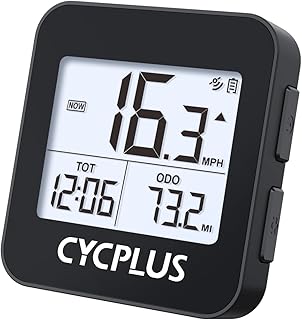
To accurately determine the number of calories burned during a 20-mile bike ride, it's essential to consider various factors that influence energy expenditure. One effective method is to use online calculators or fitness trackers, which take into account key variables such as distance, speed, and the rider's weight. These tools provide a convenient and relatively accurate way to estimate calorie burn without the need for complex manual calculations.
When using an online calculator, you'll typically be asked to input the distance of your ride (in this case, 20 miles), your average speed, and your body weight. Some calculators may also request additional information, such as your age, gender, and fitness level, to provide a more personalized estimate. Once you've entered the required data, the calculator will use a formula based on the MET (Metabolic Equivalent Task) value for cycling to determine the approximate number of calories burned.
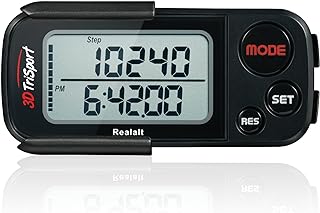
Fitness trackers, on the other hand, often use built-in sensors to monitor your activity and provide real-time feedback on your calorie burn. These devices can track your distance, speed, and heart rate, and use this data to estimate the number of calories you've burned during your bike ride. Many fitness trackers also allow you to input your personal information, such as weight and age, to improve the accuracy of their calculations.
It's important to note that while online calculators and fitness trackers can provide a useful estimate of calorie burn, they are not always 100% accurate. Factors such as terrain, wind resistance, and individual differences in metabolism can all impact the actual number of calories burned during a bike ride. However, these tools can still be a valuable resource for tracking your progress and setting fitness goals.
In addition to using online calculators or fitness trackers, it's also helpful to have a general understanding of the factors that influence calorie burn during cycling. For example, increasing your speed or riding uphill will generally result in a higher calorie expenditure. Similarly, longer rides will typically burn more calories than shorter ones. By considering these factors, you can make informed decisions about your cycling routine and maximize your calorie burn.
Overall, using online calculators or fitness trackers to estimate calories burned during a 20-mile bike ride can be a convenient and effective way to track your progress and stay motivated. Just remember to consider the limitations of these tools and use them in conjunction with other methods, such as monitoring your heart rate and paying attention to how your body feels during and after your ride.
Calorie Burn Breakdown: Your Guide to Losing Weight by Biking 2 Miles
You may want to see also
Explore related products




Maximizing Calorie Burn: Increase intensity, vary terrain, and maintain a consistent pace to maximize calorie expenditure during the ride
To maximize calorie burn during a 20-mile bike ride, it's essential to focus on three key factors: intensity, terrain variation, and consistent pacing. By manipulating these variables, you can significantly increase the number of calories expended during your ride.
Firstly, increasing the intensity of your ride is crucial for boosting calorie burn. This can be achieved by pedaling at a higher cadence, pushing harder on the pedals, or incorporating interval training into your ride. Interval training involves alternating between periods of high-intensity effort and recovery, which can help you burn more calories in less time. For example, you could try sprinting for 30 seconds followed by a 30-second recovery period, repeating this cycle for 10-15 minutes.
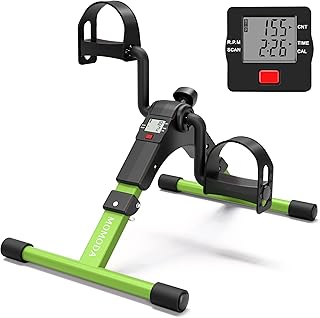
Secondly, varying the terrain of your ride can also help to increase calorie expenditure. Riding on hilly or uneven terrain requires more effort from your muscles, as you need to work harder to maintain your balance and speed. This increased effort translates to a higher calorie burn. If you're riding on a stationary bike, you can simulate terrain variation by adjusting the resistance level or using a virtual training program that mimics real-world terrain.
Finally, maintaining a consistent pace throughout your ride is important for maximizing calorie burn. While it may be tempting to start off at a high speed and then slow down as you tire, this approach can actually lead to a lower overall calorie expenditure. Instead, try to find a pace that you can maintain for the entire duration of your ride, even if it means starting off at a slightly slower speed. This will help you to burn calories more efficiently and avoid burning out too quickly.
In addition to these strategies, there are a few other tips that can help you maximize calorie burn during your 20-mile bike ride. For example, make sure to stay hydrated and fueled with a balanced mix of carbohydrates and protein. This will help you to maintain your energy levels and avoid bonking, which can lead to a decrease in calorie expenditure. Additionally, try to ride at a time of day when your body is most efficient at burning calories, such as in the morning after a good night's sleep.
By incorporating these strategies into your 20-mile bike ride, you can significantly increase the number of calories you burn and achieve your fitness goals more quickly. Remember to always listen to your body and adjust your intensity and pace as needed to avoid injury or exhaustion. With consistent practice and dedication, you'll be able to maximize your calorie burn and enjoy a more effective and enjoyable bike ride.
Calories Burned in an Hour of Stationary Biking: A Comprehensive Guide
You may want to see also
Explore related products


Post-Ride Nutrition: Refuel with a balanced meal containing protein, carbohydrates, and healthy fats to support recovery and replenish energy stores
After completing a strenuous 20-mile bike ride, your body requires the right nutrients to recover effectively and replenish its energy stores. A well-balanced meal that includes protein, carbohydrates, and healthy fats is essential for post-ride nutrition. Protein helps repair and build muscle tissue, carbohydrates provide the necessary energy to refuel your body, and healthy fats support overall health and reduce inflammation.
Aim to consume your post-ride meal within 30-60 minutes after completing your ride to maximize recovery benefits. During this time, your body is in a state of heightened insulin sensitivity, which means it can more efficiently uptake nutrients. A meal containing a 3:1 ratio of carbohydrates to protein is ideal, as this ratio has been shown to optimize muscle glycogen replenishment and protein synthesis.
Some examples of post-ride meals that fit this nutritional profile include a turkey and avocado wrap with whole-grain tortilla, a quinoa bowl with grilled chicken and roasted vegetables, or a smoothie made with Greek yogurt, berries, and a banana. Remember to also include a source of healthy fats, such as nuts, seeds, or olive oil, to support overall health and reduce inflammation.
In addition to your post-ride meal, it's important to continue hydrating throughout the day to replace fluids lost during your ride. Aim to drink at least 16-20 ounces of water for every pound of body weight lost during exercise. You can also consider adding an electrolyte supplement to your water to help replenish lost minerals.
By focusing on a balanced meal with the right nutrients and staying hydrated, you can support your body's recovery process and ensure you're ready for your next ride.
Burn Calories Effortlessly: The Surprising Benefits of Standing Bikes
You may want to see also
Frequently asked questions
The average person burns about 600-800 calories during a 20-mile bike ride, depending on factors like speed, terrain, and body weight.
Factors that can influence calorie burn include the rider's speed, the terrain (hilly vs. flat), the rider's body weight, and the intensity of the ride.
A 20-mile bike ride can be a good way to burn calories and contribute to weight loss, especially when combined with a healthy diet and regular exercise routine.
You can estimate your personal calorie burn using online calculators that take into account your weight, height, age, and the intensity of your ride.