Lauren Kennedy
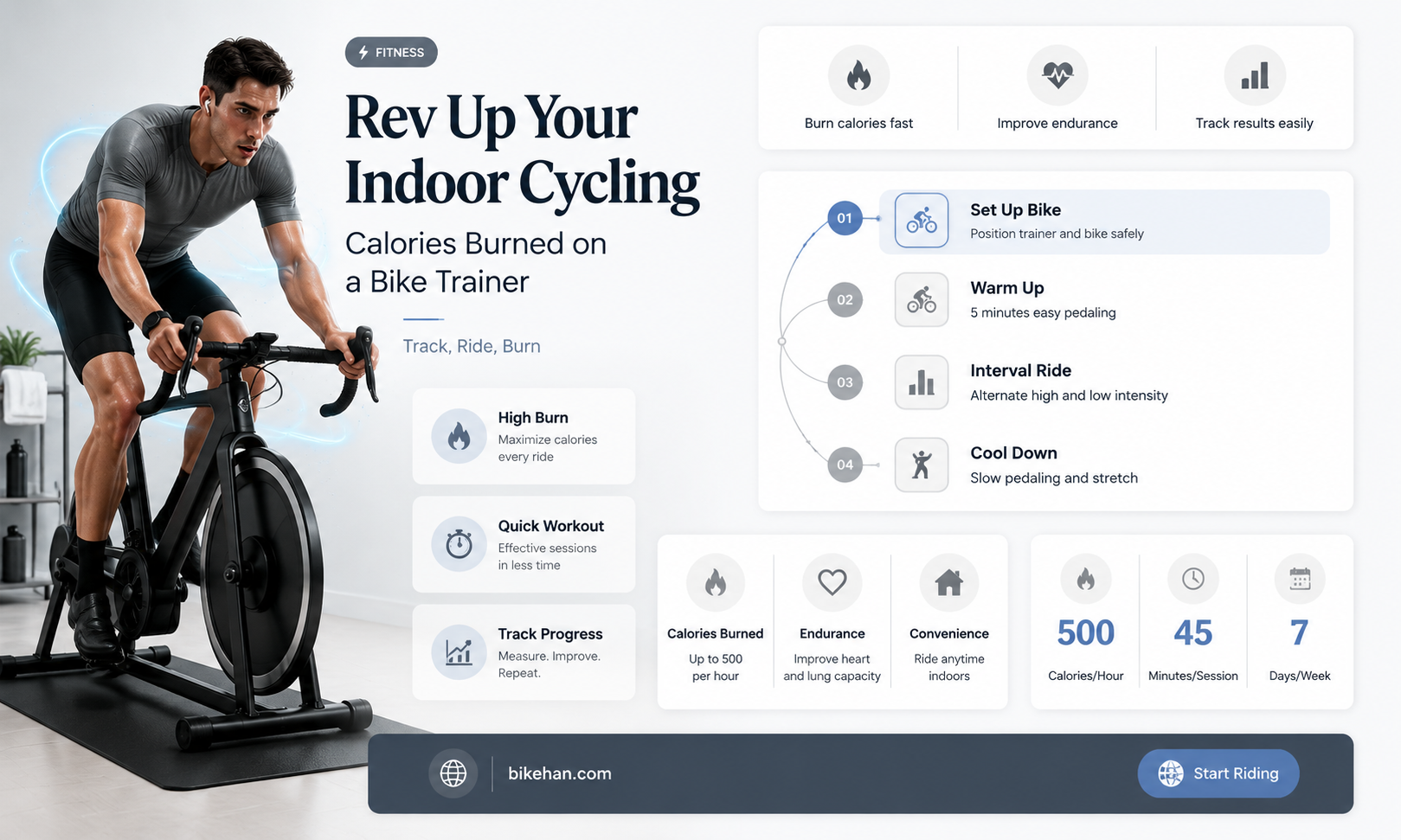
The topic of how many calories are burned on a bike trainer is an important one for fitness enthusiasts and those looking to maintain or lose weight. The number of calories burned during a bike trainer session can vary significantly depending on several factors, including the intensity of the workout, the duration of the session, the individual's weight, and their overall fitness level. Generally, a moderate-intensity cycling session on a bike trainer can burn anywhere from 400 to 600 calories per hour for an average adult. However, high-intensity interval training (HIIT) or longer duration rides can significantly increase this number. It's also important to note that factors such as proper nutrition, hydration, and recovery play crucial roles in maximizing the calorie-burning potential of bike trainer workouts.
Explore related products


What You'll Learn

Factors Affecting Calorie Burn
Several factors can significantly influence the number of calories burned during a bike trainer session. Understanding these variables is crucial for individuals aiming to optimize their workouts for weight loss or fitness goals.
Firstly, the intensity of the workout plays a pivotal role. Higher intensity intervals, where the heart rate is elevated, lead to greater calorie expenditure both during and after the exercise session. This is due to the body's increased demand for oxygen and the subsequent rise in metabolic rate. Incorporating interval training, where periods of high intensity are alternated with recovery phases, can be an effective strategy to maximize calorie burn.
Secondly, the duration of the workout is a key determinant. Longer sessions naturally result in higher calorie expenditure, as the body is engaged in physical activity for an extended period. However, it's important to note that extremely long sessions may lead to diminishing returns, as the body can enter a state of fatigue, reducing the overall effectiveness of the workout.
Thirdly, the individual's body weight and composition can affect calorie burn. Generally, individuals with a higher body weight will burn more calories during a bike trainer session, as more energy is required to move a heavier body. Additionally, those with a higher proportion of muscle mass may experience increased calorie expenditure, as muscle tissue is more metabolically active than fat tissue.
Lastly, environmental factors such as temperature and humidity can also impact calorie burn. Exercising in a hot and humid environment can increase the body's energy expenditure, as it must work harder to regulate body temperature. This can lead to a higher calorie burn during the workout session.
In conclusion, to optimize calorie burn during a bike trainer session, individuals should focus on varying the intensity and duration of their workouts, while also considering their body composition and the environmental conditions in which they exercise. By understanding and manipulating these factors, one can create a more effective and efficient workout routine.
Burn Calories Effortlessly: The Surprising Benefits of Standing Bikes
You may want to see also
Explore related products


Intensity Levels and Calorie Expenditure
The intensity level of your workout on a bike trainer directly impacts the number of calories you burn. High-intensity interval training (HIIT) can significantly increase calorie expenditure both during and after your workout. This is due to the body's increased demand for oxygen and the subsequent rise in metabolic rate. For instance, a 30-minute HIIT session can burn up to 500 calories, depending on your weight and fitness level.
Moderate-intensity workouts, such as steady-state cycling, also contribute to calorie burn but at a lower rate compared to HIIT. The key here is duration; the longer you maintain a moderate pace, the more calories you will burn. For example, a 60-minute moderate-intensity cycling session can burn approximately 300-400 calories for an average adult.
Low-intensity workouts, like a leisurely bike ride, still offer benefits but with minimal calorie expenditure. These sessions are better suited for recovery days or for individuals just starting their fitness journey. A 30-minute low-intensity ride might burn around 100-150 calories.
To maximize calorie burn, consider incorporating resistance training into your bike trainer workouts. Adding resistance increases the demand on your muscles, leading to higher calorie expenditure. For example, a 20-minute resistance training session on a bike trainer can burn up to 250 calories, depending on the resistance level and your body weight.
Remember, the exact number of calories burned during any workout can vary based on several factors, including your age, gender, weight, and overall fitness level. Utilizing a heart rate monitor or a calorie tracking app can provide a more accurate estimate of your calorie expenditure during bike trainer sessions.
Calories Burned: Unraveling the Mystery of 1K Bike Rides
You may want to see also
Explore related products


Duration and Calorie Calculation
To accurately calculate the calories burned during a bike trainer session, it's essential to consider both the duration and intensity of your workout. The longer and harder you pedal, the more calories you'll burn. A general rule of thumb is that a moderate-intensity cycling session can burn anywhere from 400 to 600 calories per hour, depending on your weight and fitness level. However, this is just an estimate, and actual calorie burn can vary significantly.
One way to get a more precise calculation is to use a heart rate monitor. By tracking your heart rate during your workout, you can estimate your calorie burn based on your heart rate reserve. This method takes into account your individual fitness level and can provide a more accurate estimate of calories burned. Additionally, many bike trainers come with built-in calorie counters that can give you a rough estimate of your burn based on your speed, distance, and resistance settings.
Another factor to consider is the type of workout you're doing. Interval training, where you alternate between high-intensity sprints and low-intensity recovery periods, can significantly increase your calorie burn. This is because your body continues to burn calories at an elevated rate even after you've stopped exercising, a phenomenon known as excess post-exercise oxygen consumption (EPOC). Incorporating strength training exercises, such as squats or lunges, into your bike trainer routine can also boost your calorie burn and help build muscle.
To maximize your calorie burn, it's important to stay hydrated and fueled during your workout. Dehydration can lead to decreased performance and a lower calorie burn, while consuming the right amount of carbohydrates and protein can help you maintain your energy levels and burn more calories. Aim to drink at least 8-10 ounces of water per hour and consume a balanced meal or snack containing carbohydrates and protein within 30-60 minutes before your workout.
In conclusion, calculating the calories burned during a bike trainer session involves considering multiple factors, including duration, intensity, workout type, and individual fitness level. By using a combination of heart rate monitoring, built-in calorie counters, and smart workout strategies, you can get a more accurate estimate of your calorie burn and make the most of your bike trainer sessions.
Pedal Power: Unlocking the Calorie-Burning Potential of Bike Commuting
You may want to see also
Explore related products


Comparing Bike Trainer to Outdoor Cycling
Analyzing the calorie burn between a bike trainer and outdoor cycling reveals several key differences. Firstly, outdoor cycling typically engages more muscle groups due to the need for balance and navigation, potentially leading to a higher overall calorie expenditure. Additionally, the varied terrain and wind resistance encountered outdoors can significantly increase the workout intensity compared to the controlled environment of a bike trainer.
However, bike trainers offer the advantage of consistency and control. They allow cyclists to maintain a steady pace and resistance level, which can be beneficial for targeted training sessions. Moreover, bike trainers provide a safe and convenient option for indoor workouts, especially during inclement weather or for those with limited access to outdoor cycling routes.
To maximize calorie burn on a bike trainer, cyclists can incorporate high-intensity interval training (HIIT) sessions, which involve alternating between periods of intense effort and recovery. This approach can help elevate the heart rate and increase overall calorie expenditure. Additionally, adjusting the resistance level on the trainer can simulate the challenges of outdoor terrain, further enhancing the workout's effectiveness.
Ultimately, the choice between a bike trainer and outdoor cycling depends on individual preferences, fitness goals, and environmental factors. Both options offer unique benefits and challenges, and cyclists may find that incorporating a combination of both into their training regimen yields the best results in terms of calorie burn and overall fitness.
Rev Up Your Metabolism: The Calorie-Burning Power of Air Biking
You may want to see also
Explore related products


Tracking Calorie Burn Progress
To effectively track calorie burn progress on a bike trainer, it's essential to understand the variables that influence calorie expenditure. These include the intensity of your workout, the duration of your session, your body weight, and your fitness level. By monitoring these factors, you can get a more accurate picture of how many calories you're burning and adjust your workouts accordingly to meet your fitness goals.
One of the most effective ways to track calorie burn is to use a heart rate monitor. This device can provide real-time data on your heart rate, which is directly correlated with calorie expenditure. By maintaining a consistent heart rate during your workout, you can ensure that you're burning calories at a steady rate. Additionally, many bike trainers come equipped with built-in heart rate monitors or can be connected to external devices, making it easy to track your progress.
Another important aspect of tracking calorie burn progress is to set realistic goals. It's essential to have a clear understanding of how many calories you want to burn per session and to gradually increase this number as your fitness level improves. This will help you stay motivated and focused on your progress. Additionally, it's important to remember that calorie burn is not the only indicator of a successful workout. Other factors, such as improved endurance and increased muscle strength, are also important to consider.
In conclusion, tracking calorie burn progress on a bike trainer requires a combination of understanding the variables that influence calorie expenditure, using the right equipment, and setting realistic goals. By following these guidelines, you can get a more accurate picture of your calorie burn and make the most of your workouts to achieve your fitness goals.
Rev Up Your Metabolism: Calories Burned on an Exercise Bike
You may want to see also
Frequently asked questions
The number of calories burned during a 30-minute bike trainer session can vary widely depending on several factors, including your weight, intensity level, and the type of bike trainer used. On average, a person weighing 155 pounds (70 kg) can burn approximately 260-390 calories in 30 minutes of moderate to vigorous cycling on a stationary bike.
Yes, using a bike trainer can be an effective way to lose weight when combined with a balanced diet and overall fitness routine. Cycling on a bike trainer can help you burn a significant number of calories, which can contribute to a calorie deficit necessary for weight loss. Additionally, regular exercise can help increase your metabolism and build muscle, which can further support your weight loss goals.
The intensity of your bike trainer workout has a direct impact on the number of calories burned. Higher intensity workouts, such as interval training or hill climbs, can significantly increase your calorie burn compared to lower intensity, steady-state cycling. This is because higher intensity workouts require more energy and engage more muscle groups, leading to a greater overall calorie expenditure.