Lauren Kennedy
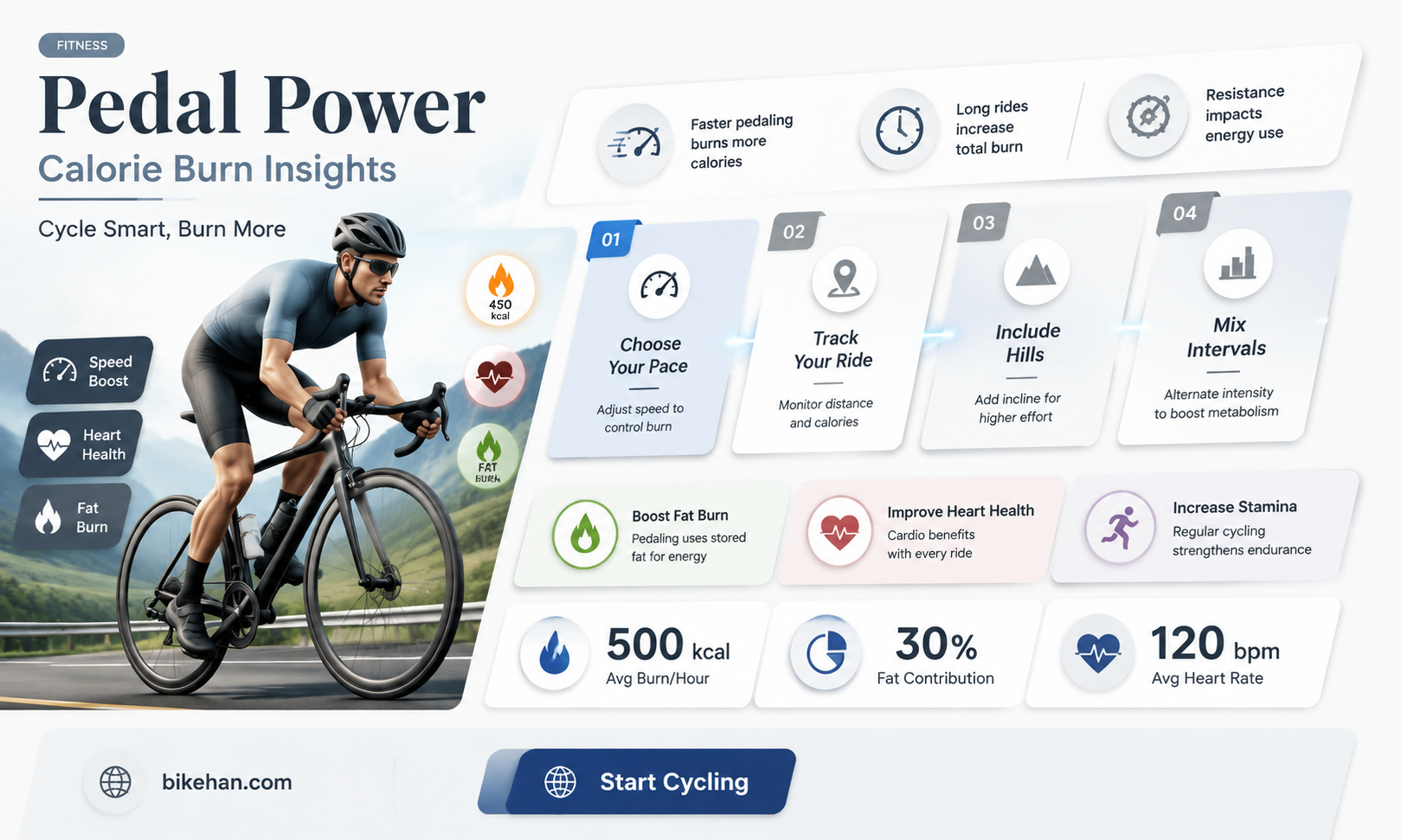
The number of calories burned while biking depends on several factors, including the intensity of your ride, your weight, and the duration of your cycling session. On average, a person can burn anywhere from 400 to 1000 calories per hour of cycling. For instance, a leisurely ride might burn around 400-500 calories per hour, while a more vigorous cycling session could burn upwards of 800-1000 calories per hour. Additionally, incorporating interval training or hill climbs into your routine can significantly increase calorie expenditure. To get a more accurate estimate of your calorie burn, you can use online calculators or fitness trackers that take into account your specific details and cycling metrics.
Explore related products


What You'll Learn
- Factors Affecting Calorie Burn: Weight, intensity, duration, and cycling efficiency influence calorie expenditure
- Calorie Calculation Methods: Utilize online calculators, mobile apps, or wearable devices to estimate calories burned
- Average Calorie Burn Rates: Moderate cycling (10-12 mph) burns ~400-500 calories/hour for a 150-pound person
- Intensity and Calorie Expenditure: Higher intensity cycling (16-20 mph) can burn up to 1000 calories/hour
- Cycling and Weight Loss: Regular cycling combined with a balanced diet can contribute to weight loss and improved fitness

Factors Affecting Calorie Burn: Weight, intensity, duration, and cycling efficiency influence calorie expenditure
The number of calories burned while cycling is influenced by several key factors, each playing a significant role in determining the overall energy expenditure. Understanding these factors can help individuals optimize their cycling workouts to achieve their fitness goals more effectively.
Weight is a primary determinant of calorie burn during cycling. The more a person weighs, the more energy is required to propel their body forward. This is because the body must work harder to overcome the force of gravity, resulting in a higher calorie expenditure. For example, a 150-pound person cycling at a moderate intensity for 30 minutes may burn approximately 200 calories, while a 200-pound person engaging in the same activity could burn around 267 calories.
Intensity is another crucial factor affecting calorie burn. The harder a person cycles, the more calories they will burn. This is because the body requires more energy to perform high-intensity activities. Cycling at a high intensity can significantly increase the calorie expenditure, with some individuals burning up to 1,000 calories per hour. However, it is essential to note that high-intensity cycling may not be suitable for everyone, particularly those with underlying health conditions or who are new to exercise.
Duration also plays a significant role in determining the number of calories burned while cycling. The longer a person cycles, the more calories they will burn. This is because the body continues to expend energy throughout the duration of the activity. For instance, a person cycling at a moderate intensity for 60 minutes may burn around 400 calories, while the same person cycling for 90 minutes could burn approximately 600 calories.
Cycling efficiency is another factor that can influence calorie expenditure. Efficient cycling techniques, such as maintaining a steady cadence and using proper gear shifting, can help reduce the amount of energy required to cycle, resulting in a lower calorie burn. Conversely, inefficient cycling techniques, such as pedaling too slowly or using the wrong gears, can increase the energy expenditure and lead to a higher calorie burn.
In conclusion, the number of calories burned while cycling is influenced by a combination of factors, including weight, intensity, duration, and cycling efficiency. By understanding these factors and optimizing their cycling workouts accordingly, individuals can achieve their fitness goals more effectively and efficiently.
Calories Burned: Unraveling the Mystery of 1K Bike Rides
You may want to see also
Explore related products


Calorie Calculation Methods: Utilize online calculators, mobile apps, or wearable devices to estimate calories burned
To accurately estimate the calories burned while biking, leveraging technology can provide convenient and relatively precise methods. Online calculators are a straightforward tool, requiring basic inputs such as weight, biking speed, and duration. These calculators use algorithms based on metabolic rates and activity intensity to provide an estimate. For instance, a 150-pound individual biking at a moderate pace of 12 miles per hour for 30 minutes might burn approximately 240 calories, according to some online tools.
Mobile apps offer a more interactive and personalized approach. Apps like MyFitnessPal or Strava not only track calories burned but also provide detailed analytics on distance, speed, and elevation gain. They often integrate with GPS to offer real-time tracking and can sync with other health devices for a comprehensive fitness overview. Some apps also allow users to log their food intake, creating a balanced view of their energy expenditure versus consumption.
Wearable devices, such as smartwatches and fitness bands, have become increasingly popular for their ability to monitor various health metrics continuously. Devices like the Apple Watch or Fitbit can track heart rate, steps, and calories burned throughout the day. When biking, these devices can provide immediate feedback on the intensity of the workout and the calories being burned. They often use a combination of sensors, including accelerometers and heart rate monitors, to estimate energy expenditure accurately.
It's important to note that while these methods provide useful estimates, they may not be entirely accurate for every individual. Factors such as age, muscle mass, and overall fitness level can influence calorie burn rates. Therefore, these tools should be used as a guide rather than an absolute measure. Additionally, consistency in using these methods can help in tracking progress over time, offering insights into how biking intensity and duration affect calorie burn.
In conclusion, utilizing online calculators, mobile apps, or wearable devices can significantly enhance the accuracy and convenience of estimating calories burned while biking. Each method has its advantages, and choosing the right one depends on individual preferences and the level of detail desired. By integrating these tools into a regular fitness routine, cyclists can gain valuable insights into their energy expenditure and overall health.
Calories Burned in a 4-Mile Bike Ride: A Comprehensive Guide
You may want to see also
Explore related products


Average Calorie Burn Rates: Moderate cycling (10-12 mph) burns ~400-500 calories/hour for a 150-pound person
For a 150-pound individual engaging in moderate cycling at a speed of 10-12 mph, the average calorie burn rate is approximately 400-500 calories per hour. This range accounts for variations in factors such as terrain, wind resistance, and the cyclist's efficiency. To put this into perspective, a 30-minute ride at this intensity would burn around 200-250 calories, making it an effective way to incorporate cardiovascular exercise into a daily routine.
It's important to note that these figures are estimates and can vary based on individual factors such as age, gender, and overall fitness level. For example, a more experienced cyclist may burn fewer calories due to increased efficiency, while a beginner might burn more as their body works harder to adapt to the exercise. Additionally, the type of bicycle used can also impact calorie burn; a road bike with thin tires and a lightweight frame will generally allow for faster speeds and more efficient pedaling compared to a mountain bike or cruiser.
To maximize calorie burn during a moderate cycling session, it's recommended to maintain a consistent pace and avoid frequent stops. Incorporating interval training, where you alternate between periods of higher intensity cycling and recovery, can also be an effective way to increase overall calorie expenditure. Furthermore, ensuring proper hydration and nutrition before and after your ride can help support your body's energy needs and aid in recovery.
In conclusion, moderate cycling at 10-12 mph is a great way to burn calories and improve cardiovascular health. By understanding the factors that influence calorie burn and implementing strategies to maximize your workout, you can make the most of your time on the bike and achieve your fitness goals more efficiently.
Pedal Power: Unraveling the Calorie Burn of Outdoor Biking
You may want to see also
Explore related products


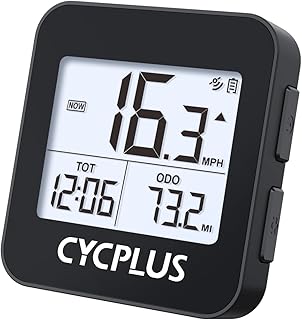


Intensity and Calorie Expenditure: Higher intensity cycling (16-20 mph) can burn up to 1000 calories/hour
Cycling at a higher intensity, specifically between 16 to 20 miles per hour, significantly increases calorie expenditure, potentially reaching up to 1000 calories per hour. This level of intensity engages multiple muscle groups, elevates the heart rate, and demands a higher oxygen consumption, all of which contribute to a greater caloric burn. For individuals looking to maximize their workout efficiency, incorporating intervals of high-intensity cycling can be an effective strategy.
To put this into perspective, a 150-pound individual cycling at a moderate pace of 10 mph would burn approximately 270 calories per hour. By increasing the speed to 16-20 mph, the same individual could more than triple their calorie expenditure. This stark difference underscores the importance of intensity in determining the overall effectiveness of a cycling workout in terms of calorie burn.
Moreover, high-intensity cycling not only burns more calories during the workout but also has a lasting impact on metabolism. The body continues to burn calories at an elevated rate even after the exercise session has ended, a phenomenon known as excess post-exercise oxygen consumption (EPOC). This means that the total calorie expenditure from a high-intensity cycling session extends beyond the immediate workout period, further enhancing its benefits for weight management and overall fitness.
Incorporating high-intensity intervals into a cycling routine can be done in various ways. One approach is to alternate between periods of high-intensity cycling and recovery phases at a lower intensity. For example, a cyclist could perform 30 seconds to 1 minute of high-intensity cycling followed by 1-2 minutes of moderate cycling. This interval training method can help improve cardiovascular fitness, increase endurance, and maximize calorie burn in a shorter amount of time compared to steady-state cycling.
It is important to note that while high-intensity cycling can be highly effective for calorie expenditure, it also places greater demands on the body. Proper warm-up, cool-down, and recovery strategies are essential to prevent injury and ensure optimal performance. Additionally, individuals should gradually increase their intensity levels to avoid overexertion and to allow their bodies to adapt to the higher demands of intense cycling.
In conclusion, for those seeking to burn a significant number of calories through cycling, increasing the intensity to 16-20 mph can yield impressive results. This approach not only maximizes calorie expenditure during the workout but also has lasting metabolic benefits. By incorporating high-intensity intervals and proper training strategies, cyclists can enhance their fitness levels and achieve their weight management goals more efficiently.
Pedaling Towards Fitness: Calorie Burn Insights for Sedentary Cyclists
You may want to see also
Explore related products


Cycling and Weight Loss: Regular cycling combined with a balanced diet can contribute to weight loss and improved fitness
Regular cycling is an effective way to burn calories and contribute to weight loss when combined with a balanced diet. The number of calories burned during cycling depends on several factors, including the intensity of the ride, the duration, and the cyclist's weight. On average, a person can burn anywhere from 400 to 1000 calories per hour of cycling. For example, a 150-pound person cycling at a moderate pace of 12-14 miles per hour can burn approximately 400-500 calories in an hour, while the same person cycling at a vigorous pace of 16-20 miles per hour can burn around 800-1000 calories in an hour.
To maximize weight loss through cycling, it's important to maintain a consistent exercise routine and gradually increase the intensity and duration of the rides. This can be achieved by incorporating interval training, where periods of high-intensity cycling are alternated with periods of lower intensity, or by gradually increasing the distance or speed of the rides over time. Additionally, incorporating strength training exercises off the bike can help build muscle mass, which in turn can increase the body's metabolism and further contribute to weight loss.
While cycling can be an effective way to burn calories and lose weight, it's important to remember that a balanced diet is also crucial for achieving and maintaining weight loss. Consuming a diet rich in whole foods, such as fruits, vegetables, lean proteins, and whole grains, can help provide the necessary nutrients and energy for cycling while also supporting weight loss goals. It's also important to stay hydrated and fuel the body appropriately before and after rides to optimize performance and recovery.
In conclusion, regular cycling combined with a balanced diet can be a powerful tool for weight loss and improved fitness. By understanding the factors that influence calorie burn during cycling and implementing a consistent and gradually challenging exercise routine, individuals can achieve their weight loss goals and enjoy the many health benefits of cycling.
Rev Up Your Indoor Cycling: Calories Burned and Benefits Unveiled
You may want to see also
Frequently asked questions
The number of calories burned while biking depends on several factors, including your weight, the intensity of your ride, and the duration. On average, a person can burn between 400 to 1000 calories per hour of cycling.
The type of bike itself doesn't significantly affect the number of calories burned. However, different types of biking, such as road cycling, mountain biking, or stationary biking, can vary in intensity and thus influence the calorie burn rate.
To increase the number of calories burned while biking, you can try increasing the intensity of your ride by going faster, biking uphill, or adding resistance if you're on a stationary bike. Additionally, extending the duration of your bike ride will also increase the total calories burned.
Biking can be an effective way to lose weight when combined with a healthy diet and overall fitness routine. Regular cycling can help you burn calories, build muscle, and improve your cardiovascular health, all of which can contribute to weight loss.
Your weight plays a role in determining the number of calories burned while biking. Generally, the more you weigh, the more calories you will burn during a bike ride, as your body requires more energy to move a heavier load.