Megan Blake
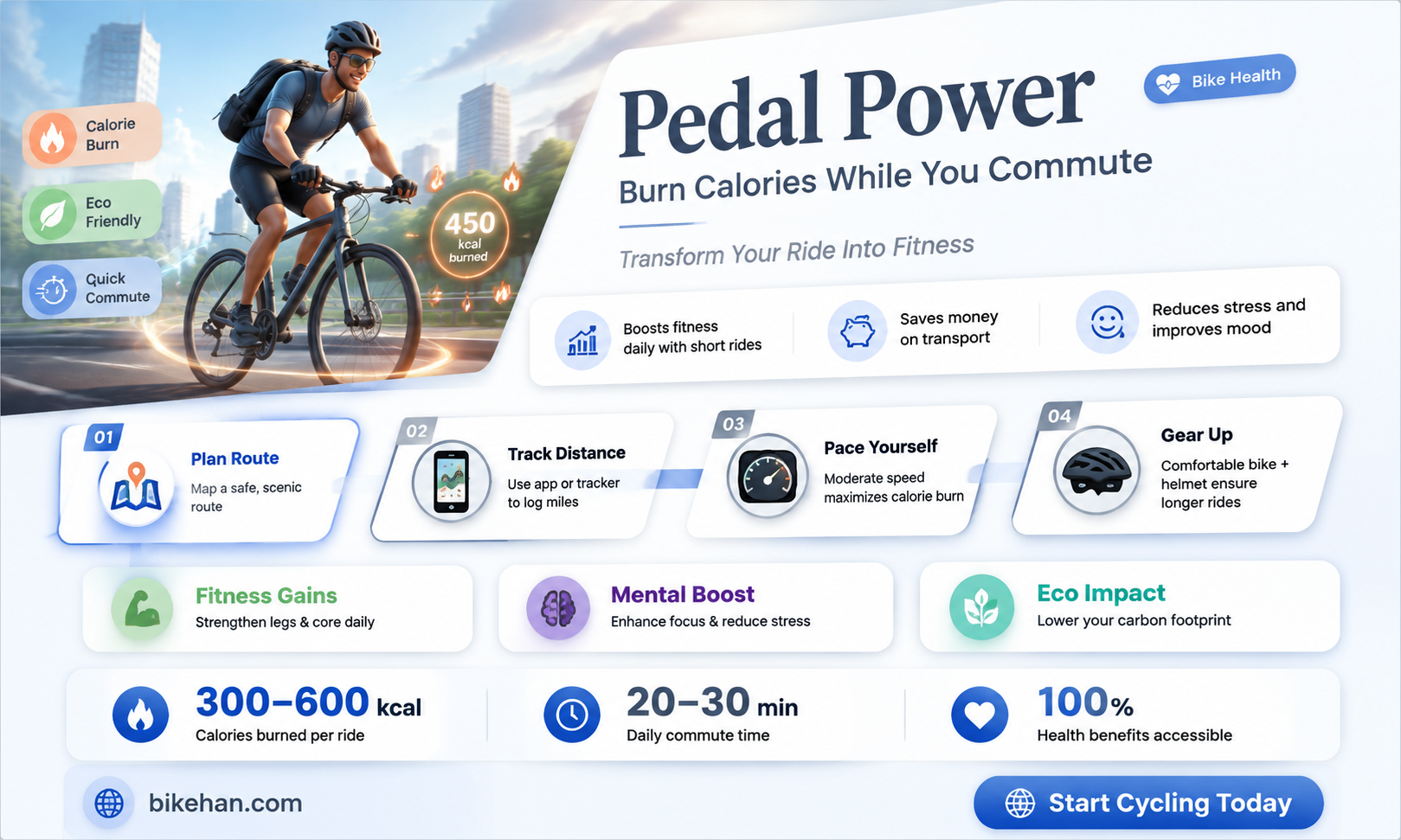
Bike commuting is an excellent way to incorporate physical activity into your daily routine, offering numerous health benefits and environmental advantages. One key aspect that often interests individuals is the caloric expenditure associated with cycling to and from work. The number of calories burned during bike commuting can vary significantly based on several factors, including the distance traveled, the intensity of the ride, the rider's weight, and the terrain. On average, a person can burn anywhere from 100 to 500 calories per commute, depending on these variables. For instance, a 30-minute bike ride at a moderate pace of 12-14 miles per hour can burn approximately 200-300 calories for an average-sized adult. Additionally, cycling uphill or in challenging conditions can further increase caloric expenditure. By understanding these factors, individuals can better estimate the health benefits of their bike commuting habits and make informed decisions about their transportation choices.
Explore related products


What You'll Learn
- Factors Affecting Calorie Burn: Weight, speed, distance, terrain, and cycling intensity influence calorie expenditure
- Average Calorie Burn per Mile: Estimates suggest 40-50 calories burned per mile for a 155-pound person
- Calorie Burn Calculators: Online tools and apps can help estimate calorie burn based on specific cycling conditions
- Health Benefits of Bike Commuting: Regular cycling can improve cardiovascular health, build muscle, and aid in weight management
- Comparing Cycling to Other Commutes: Cycling often burns more calories than driving or taking public transportation

Factors Affecting Calorie Burn: Weight, speed, distance, terrain, and cycling intensity influence calorie expenditure
Several factors significantly influence the number of calories burned during bike commuting. Understanding these variables can help you optimize your cycling routine for better fitness outcomes.
Weight plays a crucial role in calorie expenditure. The more you weigh, the more energy your body requires to pedal. For instance, a 150-pound person cycling at a moderate pace for 30 minutes burns approximately 240 calories, while a 200-pound individual burns around 320 calories under the same conditions.
Speed is another key determinant. As you increase your cycling speed, your body demands more oxygen and nutrients to meet the higher energy requirements, resulting in increased calorie burn. A 30-minute bike ride at 10 mph burns about 145 calories for a 150-pound person, whereas the same duration at 15 mph burns roughly 217 calories.
Distance covered also directly impacts calorie expenditure. The longer you cycle, the more calories you burn. For example, a 150-pound person cycling at a moderate pace for 10 miles burns approximately 400 calories, while the same person burns around 800 calories for a 20-mile ride.
Terrain affects calorie burn as well. Cycling uphill requires more effort and energy than riding on flat ground or downhill. A 150-pound person cycling uphill at a moderate pace for 30 minutes burns about 360 calories, compared to 240 calories on flat terrain.
Lastly, cycling intensity influences calorie expenditure. High-intensity interval training (HIIT) or vigorous cycling can significantly increase calorie burn both during and after your ride. A 30-minute HIIT cycling session can burn up to 450 calories for a 150-pound person, with an additional 100-150 calories burned post-ride due to the afterburn effect.
By considering these factors, you can tailor your bike commuting routine to maximize calorie burn and achieve your fitness goals more effectively.
Calorie Burn Breakdown: Your Guide to Losing Weight by Biking 2 Miles
You may want to see also
Explore related products


Average Calorie Burn per Mile: Estimates suggest 40-50 calories burned per mile for a 155-pound person
For a 155-pound individual, biking a single mile can burn approximately 40-50 calories, according to common estimates. This range accounts for variations in factors such as speed, terrain, and the rider's fitness level. For instance, a leisurely pace on flat ground might burn closer to 40 calories, while a more vigorous effort or tackling hills could increase the burn to around 50 calories or more.
To put this into perspective, if a 155-pound person bikes 5 miles to work and back each day, they could potentially burn between 200 and 250 calories daily, contributing significantly to their overall energy expenditure. Over the course of a week, this could amount to 1,400 to 1,750 calories, which is substantial when considering the average daily caloric needs for weight maintenance.
It's important to note that these are rough estimates and actual calorie burn can vary widely based on individual factors. For example, a person with more muscle mass may burn more calories due to increased metabolic rate, while someone who is less fit might burn fewer calories initially but could increase their burn rate over time as their fitness improves.
To maximize calorie burn during bike commuting, one could consider incorporating interval training, where periods of high-intensity effort are alternated with recovery periods. This approach can increase both the immediate calorie burn and the long-term metabolic benefits of cycling. Additionally, carrying extra weight, such as a backpack or panniers, can also increase the calorie expenditure per mile.
In conclusion, while the average calorie burn per mile for a 155-pound person is estimated to be between 40 and 50 calories, the actual burn rate can be influenced by a variety of factors. By understanding these variables and potentially adjusting one's cycling routine, bike commuters can optimize their calorie burn and enhance the health benefits of their daily ride.
Exploring London's Streets: The Abundance of Boris Bikes
You may want to see also
Explore related products


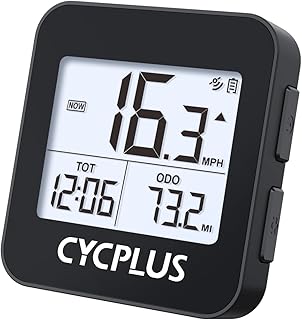

Calorie Burn Calculators: Online tools and apps can help estimate calorie burn based on specific cycling conditions
Calorie burn calculators are invaluable tools for cyclists looking to understand the energy expenditure of their bike commutes. These online resources and mobile applications use algorithms that take into account various factors such as the cyclist's weight, the distance traveled, the speed of cycling, and the terrain to provide an estimate of calories burned. For instance, a 150-pound individual cycling at a moderate pace of 12 miles per hour for 30 minutes can expect to burn approximately 240 calories, according to some calculators.
One of the key benefits of these calculators is their ability to customize the workout to the individual's specific conditions. This means that whether you're a beginner just starting out or an experienced cyclist tackling challenging routes, you can get a more accurate picture of your calorie burn. Some advanced calculators even factor in the type of bicycle used, the rider's efficiency, and the wind resistance, offering a more precise estimate.
To use these calculators effectively, cyclists should ensure they input accurate data. This includes their current weight, the exact distance of their commute, and their average speed. Additionally, understanding the intensity of the ride—whether it's a leisurely pace or a vigorous workout—can help in selecting the right calculator settings. For those who track their rides using GPS devices or cycling apps, some calorie burn calculators can sync with these tools to automatically import ride data, making the process even more seamless.
When selecting a calorie burn calculator, it's important to choose one that is reputable and has been validated against scientific research. Look for calculators that are based on established metabolic equations and have been tested for accuracy. User reviews and recommendations from cycling communities can also be helpful in finding a reliable tool.
In summary, calorie burn calculators provide cyclists with a convenient and personalized way to estimate the energy expenditure of their bike commutes. By taking into account individual factors and specific cycling conditions, these tools can offer valuable insights into the effectiveness of cycling as a form of exercise and help riders achieve their fitness goals more efficiently.
Explore related products

$19 $35


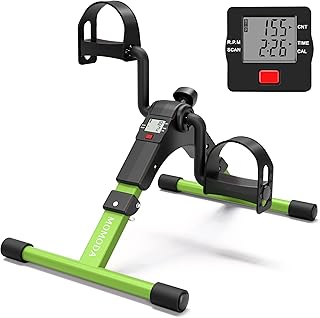
Health Benefits of Bike Commuting: Regular cycling can improve cardiovascular health, build muscle, and aid in weight management
Regular cycling is a powerful tool for improving cardiovascular health. The aerobic exercise involved in bike commuting increases heart rate and blood circulation, strengthening the heart muscle and reducing the risk of heart disease. Over time, consistent cycling can lower blood pressure, improve cholesterol levels, and enhance overall cardiovascular fitness.
In addition to its cardiovascular benefits, cycling is an effective way to build muscle. The repetitive motion of pedaling targets the lower body muscles, particularly the quadriceps, hamstrings, glutes, and calves. As cyclists increase their speed and resistance, they engage these muscles more intensely, leading to increased strength and endurance.
Cycling also plays a significant role in weight management. Bike commuting burns a substantial number of calories, depending on factors such as speed, distance, and rider weight. For example, a 150-pound person cycling at a moderate pace of 12 miles per hour can burn approximately 400-500 calories per hour. This calorie expenditure can contribute to weight loss or maintenance, especially when combined with a balanced diet.
Moreover, cycling offers additional health benefits that extend beyond cardiovascular fitness, muscle building, and weight management. Regular cycling can improve joint mobility, reduce stress, and boost mental well-being. The low-impact nature of cycling makes it an accessible form of exercise for people of all ages and fitness levels, including those with joint issues or other physical limitations.
To maximize the health benefits of bike commuting, it's essential to maintain a consistent cycling routine. Aim to cycle for at least 30 minutes per day, five days a week, to achieve noticeable improvements in cardiovascular health, muscle strength, and weight management. Additionally, incorporating interval training, hill climbs, and longer rides can further enhance the benefits of cycling.
In conclusion, bike commuting offers a wide range of health benefits, from improving cardiovascular health and building muscle to aiding in weight management and enhancing overall well-being. By making cycling a regular part of your routine, you can experience these benefits firsthand and enjoy a healthier, more active lifestyle.
Explore related products




Comparing Cycling to Other Commutes: Cycling often burns more calories than driving or taking public transportation
Cycling as a mode of commuting offers numerous health benefits, one of the most significant being its ability to burn calories. When compared to other common commuting methods such as driving or taking public transportation, cycling stands out as a more effective way to integrate physical activity into your daily routine. For instance, a 30-minute bike ride to work can burn approximately 200-300 calories, depending on factors like speed, weight, and terrain. In contrast, driving or riding public transport for the same duration typically results in minimal calorie expenditure, often less than 50 calories.
The calorie-burning potential of cycling is further enhanced by the fact that it engages multiple muscle groups, including the legs, core, and arms. This full-body workout not only aids in weight management but also contributes to overall cardiovascular health. Regular cycling can lead to improved heart function, increased lung capacity, and reduced risk of chronic diseases such as diabetes and heart disease.
Moreover, cycling offers environmental benefits that other commuting methods cannot match. By choosing to bike, individuals can significantly reduce their carbon footprint, contributing to cleaner air and a healthier planet. This eco-friendly aspect of cycling is increasingly important in urban areas, where traffic congestion and air pollution are major concerns.
In addition to the physical and environmental advantages, cycling can also have positive effects on mental health. The exercise-induced release of endorphins can help reduce stress and anxiety, leading to a more balanced and productive state of mind. Furthermore, cycling allows commuters to avoid the frustrations of traffic jams and crowded public transport, potentially resulting in a more pleasant and efficient travel experience.
To maximize the calorie-burning benefits of cycling, it is important to maintain a consistent routine and gradually increase the intensity and duration of rides. Incorporating interval training, where periods of high-intensity cycling are alternated with lower-intensity recovery phases, can further boost calorie expenditure and overall fitness levels. Additionally, ensuring proper nutrition and hydration before and after cycling can help support muscle recovery and optimize performance.
In conclusion, cycling is a superior commuting method in terms of calorie burning, offering a range of health, environmental, and mental benefits that make it an attractive option for individuals looking to improve their well-being and reduce their ecological impact. By integrating cycling into their daily routine, commuters can transform their travel time into a valuable opportunity for exercise and self-care.
Frequently asked questions
The number of calories burned during bike commuting varies depending on several factors, including your weight, the intensity of your ride, and the duration of your commute. On average, a person can burn between 400 to 600 calories per hour of moderate cycling.
Yes, the terrain significantly impacts the calorie burn. Riding uphill or on rough terrain requires more effort and thus burns more calories compared to riding on flat, smooth surfaces. For instance, climbing a steep hill can increase the calorie burn rate by up to 50%.
Your weight plays a crucial role in determining the calorie burn rate. The more you weigh, the more calories you burn because your body needs to work harder to move the additional weight. For example, a 150-pound person might burn 400 calories in an hour, while a 200-pound person could burn around 530 calories in the same duration.
For a 30-minute bike commute, you can estimate the calorie burn by considering your average speed and weight. For instance, if you weigh 150 pounds and commute at an average speed of 15 miles per hour, you might burn approximately 200 to 250 calories. However, this is a rough estimate, and actual calorie burn may vary based on the factors mentioned earlier.