Eric Johnson
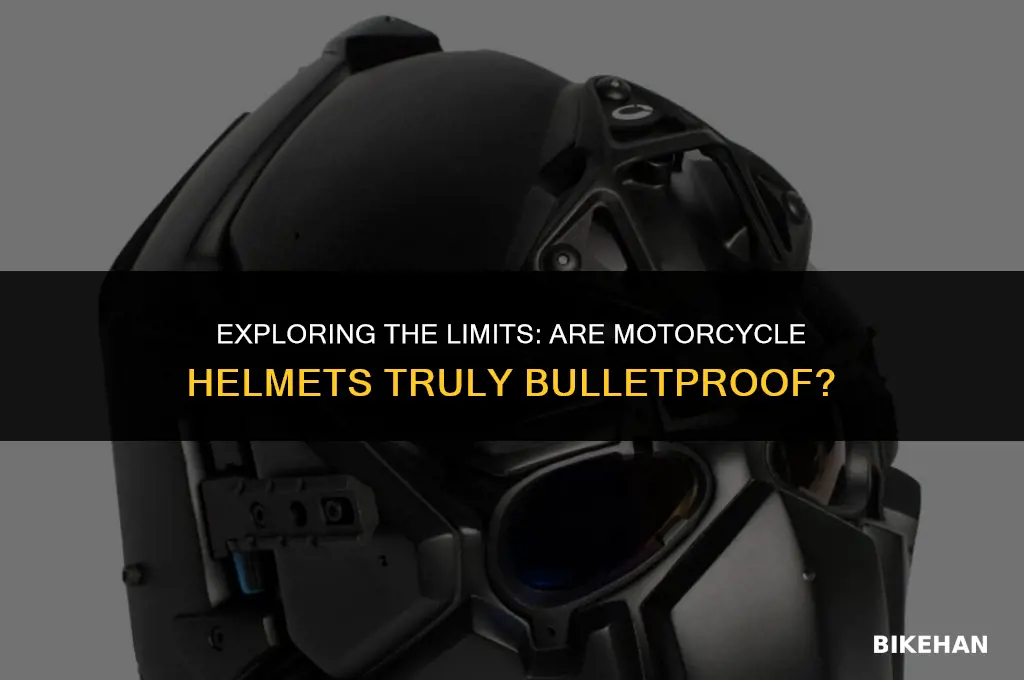
Motorcycle helmets are essential safety gear for riders, designed to protect the head in the event of an accident. However, their protective capabilities are often misunderstood. While helmets are engineered to absorb impact and reduce the risk of head injuries, they are not typically designed to be bulletproof. The materials used in standard motorcycle helmets, such as polycarbonate or fiberglass, can provide some level of protection against low-velocity projectiles, but they are not sufficient to stop high-speed bullets. For true ballistic protection, specialized helmets made with advanced materials like Kevlar or Dyneema are required. These helmets are specifically designed and tested to meet ballistic standards, offering a higher level of protection against firearm projectiles.
Explore related products



What You'll Learn
- Materials Used: Motorcycle helmets are typically made from polycarbonate, fiberglass, or carbon fiber, not bulletproof materials
- Bullet Resistance: Some helmets may offer minimal resistance to low-velocity bullets, but they are not designed to stop high-powered rounds
- Safety Standards: Helmets are tested for impact resistance and penetration, but these tests do not simulate bullet impacts
- Myth vs. Reality: Despite popular myths, motorcycle helmets are not bulletproof and should not be relied upon for ballistic protection
- Additional Protection: For added safety, some riders wear bulletproof vests or other protective gear, but helmets themselves do not provide this level of protection

Materials Used: Motorcycle helmets are typically made from polycarbonate, fiberglass, or carbon fiber, not bulletproof materials
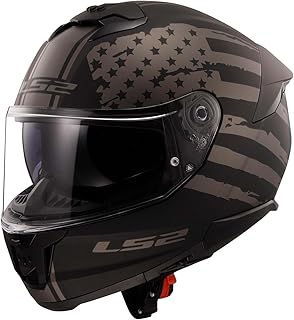
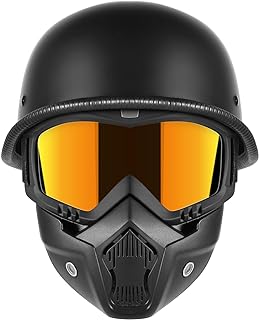
Motorcycle helmets are designed to protect riders from head injuries in the event of an accident, but they are not typically made from bulletproof materials. Instead, most helmets are constructed from polycarbonate, fiberglass, or carbon fiber. These materials are chosen for their lightweight, durable, and impact-resistant properties, which are essential for absorbing the force of a collision and reducing the risk of traumatic brain injury. While these materials are effective in their intended purpose, they are not designed to withstand the high-velocity impact of a bullet.
Polycarbonate is a popular choice for motorcycle helmets due to its high impact resistance and ability to dissipate energy. It is also relatively inexpensive and easy to mold into various shapes, making it a cost-effective option for helmet manufacturers. Fiberglass helmets are known for their strength and durability, as well as their ability to provide a snug fit. Carbon fiber helmets are the lightest and strongest option, but they are also the most expensive. Despite their differences, none of these materials are capable of stopping a bullet.
It's important to note that while motorcycle helmets are not bulletproof, they can still provide some level of protection against low-velocity projectiles. For example, a helmet may be able to deflect a small rock or piece of debris that is kicked up by another vehicle. However, this protection is limited and should not be relied upon in situations where there is a risk of gunfire.
In recent years, there has been an increase in the number of motorcycle helmets that are specifically designed to be bulletproof. These helmets are typically made from advanced materials such as Kevlar or Dyneema, which are capable of stopping high-velocity bullets. However, these helmets are often heavier and more expensive than traditional helmets, and they may not be as comfortable to wear for extended periods.
In conclusion, while motorcycle helmets are not typically made from bulletproof materials, they are still an essential piece of safety equipment for riders. It's important to choose a helmet that meets safety standards and is appropriate for the type of riding you will be doing. If you are concerned about the risk of gunfire, it may be worth considering a bulletproof helmet, but be aware of the potential trade-offs in terms of weight and comfort.
Top Spots for Scoring the Perfect Helmet: A Buyer's Guide
You may want to see also
Explore related products


Bullet Resistance: Some helmets may offer minimal resistance to low-velocity bullets, but they are not designed to stop high-powered rounds
Motorcycle helmets are primarily designed to protect riders from head injuries in the event of an accident. While some helmets may offer minimal resistance to low-velocity bullets, they are not designed to stop high-powered rounds. This is because motorcycle helmets are constructed with materials that are optimized for impact absorption and penetration resistance, rather than ballistic protection.
The materials used in motorcycle helmets, such as polycarbonate shells and expanded polystyrene foam liners, are effective at dissipating the energy of an impact and preventing skull fractures. However, these materials are not capable of withstanding the high velocity and kinetic energy of a bullet. Bullets can easily penetrate the shell and liner of a motorcycle helmet, causing serious injury or death to the rider.
It is important to note that even if a helmet does offer some level of bullet resistance, it is not a substitute for proper ballistic protection. Riders who are concerned about bullet safety should consider wearing a helmet that is specifically designed for ballistic protection, such as those used by law enforcement or military personnel. These helmets are constructed with advanced materials, such as Kevlar and ceramic plates, that are capable of stopping high-powered rounds.
In conclusion, while some motorcycle helmets may offer minimal resistance to low-velocity bullets, they are not designed to stop high-powered rounds. Riders should not rely on their motorcycle helmet for ballistic protection and should instead consider wearing a helmet that is specifically designed for this purpose.
Personalize Your Ride: The Ultimate Guide to Customizing Your Motorcycle Helmet
You may want to see also
Explore related products


Safety Standards: Helmets are tested for impact resistance and penetration, but these tests do not simulate bullet impacts
Motorcycle helmets are subjected to rigorous safety standards to ensure they provide adequate protection in the event of an accident. These standards typically include tests for impact resistance and penetration. However, it is important to note that these tests do not simulate the impact of a bullet. Bullet impacts are a unique type of force that can cause different types of damage compared to the blunt force of a fall or collision.
The impact resistance test involves dropping a helmet from a certain height onto a hard surface to simulate the force of a crash. The penetration test involves striking the helmet with a sharp object to ensure that it does not allow any foreign objects to penetrate through to the wearer's head. While these tests are crucial for ensuring the safety of motorcycle riders, they do not provide any information about the helmet's ability to withstand a bullet impact.
Bullet impacts are characterized by a high-velocity projectile that can cause significant damage upon impact. The force of a bullet impact is concentrated in a small area, which can lead to severe injuries or even fatalities. Motorcycle helmets are not designed to withstand such impacts, and it is not advisable to rely on them for protection against gunfire.
In conclusion, while motorcycle helmets are tested for impact resistance and penetration, these tests do not simulate bullet impacts. It is important for riders to understand the limitations of their helmets and to take appropriate precautions to ensure their safety in the event of an accident.
Exploring Tennessee's Motorcycle Helmet Laws: A Comprehensive Guide
You may want to see also
Explore related products


Myth vs. Reality: Despite popular myths, motorcycle helmets are not bulletproof and should not be relied upon for ballistic protection
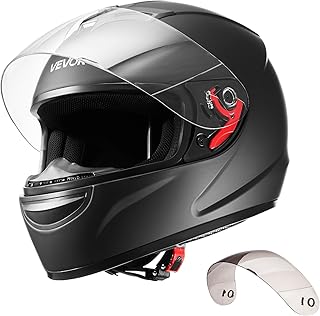
Motorcycle helmets are designed primarily to protect riders from head injuries in the event of an accident. They are constructed with a hard outer shell and a soft inner lining that absorbs impact. However, they are not designed to withstand the force of a bullet. Despite popular myths, motorcycle helmets are not bulletproof and should not be relied upon for ballistic protection.
One common misconception is that the hard outer shell of a motorcycle helmet can deflect a bullet. In reality, the shell is not strong enough to prevent a bullet from penetrating the helmet. The force of a bullet can easily break through the shell and cause serious injury to the rider. Additionally, the soft inner lining of the helmet is not designed to absorb the impact of a bullet. It is meant to cushion the head during a fall or collision, but it cannot provide adequate protection against a high-velocity projectile.
Another myth is that wearing a motorcycle helmet can provide some level of protection against a bullet. This is not true. While a helmet may provide some minimal protection against a low-velocity bullet, it is not significant enough to be relied upon. In most cases, a bullet will easily penetrate the helmet and cause serious injury. It is important to note that motorcycle helmets are not designed to be used as body armor. They are specifically designed to protect the head and should not be used for any other purpose.
In conclusion, motorcycle helmets are not bulletproof and should not be relied upon for ballistic protection. They are designed to protect riders from head injuries in the event of an accident, but they are not strong enough to withstand the force of a bullet. It is important to understand the limitations of motorcycle helmets and to use them only for their intended purpose.
Silent Ride: Unveiling the Quietest Motorcycle Helmet Options
You may want to see also
Explore related products



Additional Protection: For added safety, some riders wear bulletproof vests or other protective gear, but helmets themselves do not provide this level of protection
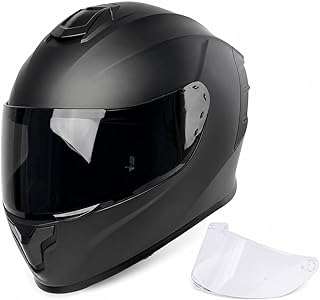
While motorcycle helmets are designed to protect riders from head injuries in the event of an accident, they do not offer protection against ballistic threats. For individuals who may be at risk of encountering such dangers, additional protective gear is necessary. Bulletproof vests and other body armor can provide a crucial layer of safety, but it's important to note that these items are not typically part of standard motorcycle safety equipment. Riders who choose to wear such gear should ensure that it is properly fitted and certified to meet relevant safety standards.
In high-risk situations, some riders may opt for specialized helmets that incorporate ballistic protection. These helmets are often used by law enforcement or military personnel and are designed to withstand impacts from firearms. However, they are generally more expensive and heavier than standard motorcycle helmets, and may not be practical for everyday use. It's also worth noting that even these specialized helmets may not provide complete protection against all types of ballistic threats.
For the average rider, the primary focus should be on wearing a high-quality, properly fitted motorcycle helmet that meets safety standards. While additional protective gear can offer enhanced safety in certain situations, it's essential to prioritize the basics of motorcycle safety, including wearing appropriate clothing, maintaining a safe speed, and being aware of one's surroundings. By taking these precautions, riders can significantly reduce their risk of injury in the event of an accident.
In conclusion, while motorcycle helmets are not bulletproof, they play a critical role in protecting riders from head injuries. For those who may face additional risks, supplementary protective gear can provide an extra layer of safety. However, it's important to remember that no amount of protective equipment can completely eliminate the dangers of riding a motorcycle. By combining proper gear with safe riding practices, individuals can minimize their risk and enjoy the freedom of the open road.
Secure Your Ride: The Ultimate Guide to Locking Your Helmet on a Motorcycle
You may want to see also
Frequently asked questions
No, motorcycle helmets are not bulletproof. They are designed to protect riders from head injuries in the event of a crash, not to stop bullets.
Motorcycle helmets are typically made from a combination of materials including a hard outer shell, often made of polycarbonate or fiberglass, and a softer inner liner made of expanded polystyrene (EPS) foam. These materials are chosen for their ability to absorb impact and provide protection in the event of a crash.
While a motorcycle helmet is not designed to stop bullets, it may provide some minimal protection against low-velocity shots due to its hard outer shell and impact-absorbing inner liner. However, this protection would be limited and not reliable.
When choosing a motorcycle helmet for maximum safety, look for one that meets or exceeds safety standards set by organizations such as the Department of Transportation (DOT) or the Snell Memorial Foundation. Additionally, consider a helmet with a full-face design for maximum coverage and protection, and ensure that it fits properly and is comfortable to wear.