Lauren Kennedy
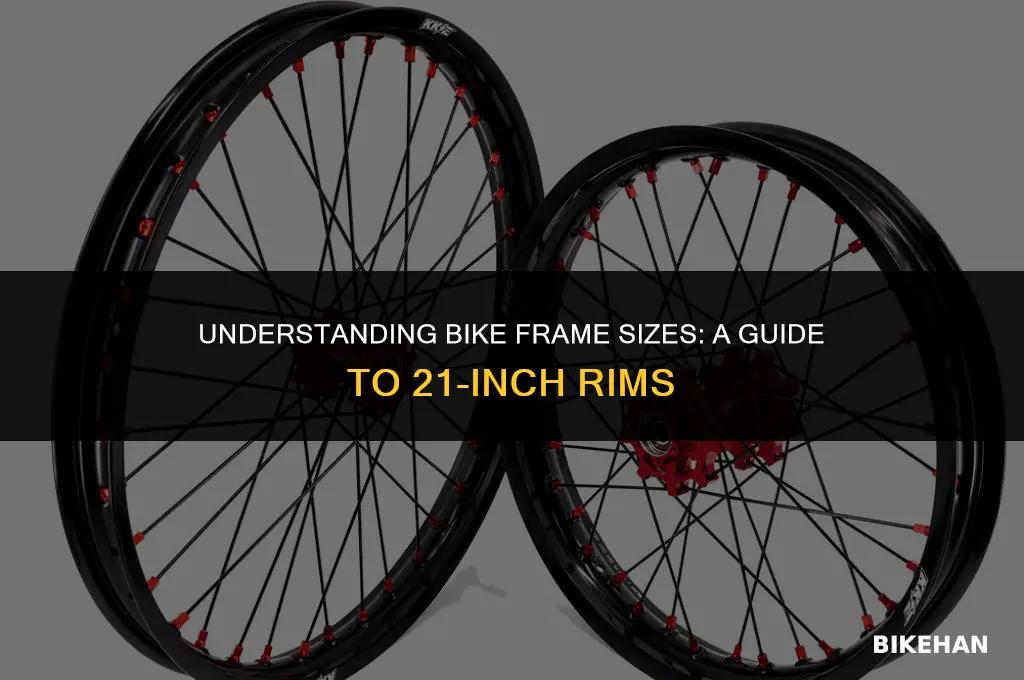
A 21-inch bike frame typically refers to the size of the bicycle's main frame, which is measured from the center of the bottom bracket to the top of the seat tube. This size is suitable for taller riders, usually those between 6'1 and 6'4 in height. The frame size does not directly correlate to the rim size, as rims are measured by their diameter and can vary independently of the frame. Common rim sizes for a 21-inch frame might range from 26 to 29 inches in diameter, depending on the type of bicycle and the rider's preference. It's important to note that the rim size affects the overall handling and performance of the bike, with larger rims generally providing a smoother ride over rough terrain but potentially making the bike less maneuverable.
Explore related products


What You'll Learn

Understanding bike frame sizes
When it comes to bike frame sizes, there are several standards used across the industry. The most common measurement is the seat tube length, which is the distance from the center of the bottom bracket to the top of the seat tube. This measurement is usually given in inches or centimeters. In addition to seat tube length, other important dimensions include the top tube length, down tube length, and chainstay length. These measurements can vary significantly between different bike types, such as road bikes, mountain bikes, and hybrid bikes.
To determine the right frame size for you, it's essential to consider your body measurements and riding style. For example, if you have a long torso and short legs, you may need a bike with a longer top tube and shorter seat tube. Conversely, if you have a short torso and long legs, you may need a bike with a shorter top tube and longer seat tube. Additionally, your riding style can influence the type of bike you choose. For instance, if you prefer a more aggressive riding position, you may opt for a bike with a steeper head angle and shorter wheelbase.
One common mistake people make when choosing a bike frame size is relying solely on their height. While height can be a good starting point, it's not the only factor that determines the best fit. In fact, two riders of the same height may require different frame sizes depending on their body proportions and riding preferences. Therefore, it's important to consider a range of measurements and test ride different bikes to find the one that feels most comfortable and responsive.
In conclusion, understanding bike frame sizes is essential for finding the right bicycle for your needs. By considering factors such as seat tube length, top tube length, and your body measurements, you can select a bike that provides a comfortable and efficient riding experience. Remember, the best way to determine the right frame size is to test ride different bikes and consult with a knowledgeable bike shop staff member who can help you find the perfect fit.
Exploring the Perfect Fit: Understanding 56cm Road Bike Sizes
You may want to see also
Explore related products


Measuring bike rims
To measure bike rims accurately, you'll need a few essential tools and some basic knowledge about rim sizing. Start by ensuring the bike is on a stable surface, and remove any wheels that might obstruct your measurement. Use a tape measure to determine the diameter of the rim from one side to the other, passing through the center. This measurement is crucial as it will give you the overall size of the rim.
Next, measure the width of the rim from the inside edge to the outside edge. This dimension is important for determining the compatibility of the rim with different tires and brake systems. Make sure to measure both the front and rear rims, as they can sometimes differ in size.
When measuring bike rims, it's essential to consider the type of bike you're dealing with. For instance, road bikes typically have narrower rims than mountain bikes. Additionally, the rim size can affect the bike's handling and speed. Larger rims tend to be faster but less maneuverable, while smaller rims are more agile but may not be as quick.
Once you have your measurements, you can use them to determine the appropriate tire size and ensure compatibility with your bike's frame and components. Remember, accurate measurements are key to maintaining your bike's performance and safety.
Understanding Bike Sizes: A Guide to 51 cm Bicycles
You may want to see also
Explore related products


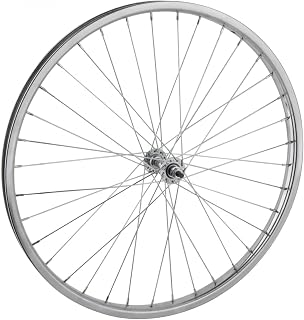
Types of bike rims
Bike rims come in various types, each designed to cater to different cycling needs and preferences. One of the most common types is the clincher rim, which is characterized by a hollow rim with a bead seat where the tire is seated. Clincher rims are popular due to their ease of use and the ability to use inner tubes, making them a practical choice for road and mountain bikes.
Another type of rim is the tubeless rim, which, as the name suggests, does not require an inner tube. Tubeless rims have a solid bead seat and are designed to be used with tubeless tires. This setup offers several advantages, including reduced weight, improved aerodynamics, and the ability to run lower tire pressures without the risk of pinch flats. Tubeless rims are commonly found on high-performance road and mountain bikes.
For those seeking a more traditional setup, there are also tube-type rims available. These rims have a hole in the center and are designed to be used with an inner tube and a tire. Tube-type rims are often found on older bikes or those that are designed for more casual riding.
In addition to these types, there are also different materials used in the construction of bike rims. Aluminum rims are lightweight and durable, making them a popular choice for many cyclists. Carbon fiber rims, on the other hand, offer superior strength-to-weight ratio and are often used on high-end bikes. Steel rims are also available, providing a balance between strength and weight.
When choosing bike rims, it's important to consider factors such as the type of riding you'll be doing, the weight of the rims, and the compatibility with your bike's frame and tires. By understanding the different types of bike rims available, you can make an informed decision that will enhance your cycling experience.
Exploring the Dimensions of a 2005 R1 Street Bike
You may want to see also
Explore related products



Choosing the right rim size
To determine the appropriate rim size, consider the bike's intended use. If it's for off-road adventures, wider rims (around 2.0 to 2.5 inches) are preferable. These provide better support for larger tires, which are essential for rough terrain. On the other hand, if the bike is meant for smooth, paved roads, narrower rims (around 1.5 to 1.8 inches) are more suitable. These rims are lighter and allow for higher tire pressures, which reduce rolling resistance and improve speed.
Another factor to consider is the rider's weight and riding style. Heavier riders or those who prefer a more aggressive riding style may benefit from stronger, wider rims that can handle more stress. Conversely, lighter riders or those with a more relaxed riding style might prefer narrower, lighter rims for easier handling and acceleration.
When selecting rim size, it's also important to ensure compatibility with the bike's frame and other components. Check the frame's specifications for recommended wheel sizes and consult with a bike mechanic or knowledgeable salesperson if unsure. Additionally, consider the availability of tires in the chosen rim size, as some sizes may be more difficult to find or replace.
In summary, choosing the right rim size for a 21-inch bike frame requires careful consideration of the bike's intended use, the rider's weight and riding style, and compatibility with the frame and other components. By taking these factors into account, riders can select rims that optimize performance, comfort, and safety.
Understanding Bike Sizes: A Guide to 18-Inch Bikes for Kids
You may want to see also
Explore related products


Compatibility with 21-inch frames
When selecting rims for a 21-inch bike frame, compatibility is key to ensuring a proper fit and optimal performance. The first step is to verify the frame's specifications, as 21-inch frames can vary slightly in their dimensions and requirements. Typically, a 21-inch frame will accommodate rims with a diameter of approximately 28 inches, but it's crucial to check the exact measurements to avoid any discrepancies.
Next, consider the width of the rims. For a 21-inch frame, rims that are too wide may cause issues with tire clearance or brake alignment. It's recommended to choose rims that are proportional to the frame size, usually ranging from 17 to 23 millimeters in width. This will ensure a balanced and efficient ride without compromising the bike's overall geometry.
Another important factor is the rim's material. While aluminum rims are a popular choice for their lightweight and durable properties, carbon fiber rims can offer improved aerodynamics and stiffness. However, carbon rims may be more susceptible to damage from impacts, so it's essential to weigh the pros and cons based on your riding style and preferences.
When it comes to the rim's profile, a deeper rim can provide better aerodynamics but may also be more prone to crosswinds. For a 21-inch frame, a rim with a moderate profile depth, such as 25 to 35 millimeters, can strike a good balance between speed and stability. Additionally, consider the rim's spoke count and lacing pattern, as these can affect the wheel's strength and responsiveness.
Finally, it's crucial to ensure that the rims are compatible with your bike's braking system. If you have disc brakes, make sure the rims have the necessary mounts and are designed to work with your specific brake model. For rim brakes, verify that the rims have a compatible braking surface and are properly aligned with the brake pads.
By carefully considering these factors, you can select rims that are not only compatible with your 21-inch bike frame but also enhance your riding experience. Remember to consult with a professional if you're unsure about any aspect of the rim selection process, as proper fit and installation are essential for safety and performance.
Exploring the Perfect Fit: Understanding 17-Inch Bike Sizes
You may want to see also
Frequently asked questions
A 21 inch bike frame typically refers to the frame size of a bicycle, which is measured from the center of the bottom bracket to the top of the seat tube. This size is suitable for riders who are approximately 6 feet tall.
The standard rim sizes for a 21 inch bike frame are usually 700c for road bikes and 29 inches for mountain bikes. These sizes provide a good balance between speed, stability, and comfort for riders of this height.
While it's possible to use different rim sizes on a 21 inch bike frame, it's important to ensure that the rims are compatible with the frame and the intended use of the bike. For example, using smaller rims may affect the bike's handling and stability, while using larger rims may require modifications to the frame or fork.
To measure the rim size of your 21 inch bike frame, you can use a ruler or measuring tape to measure the diameter of the rim from one side to the other. Make sure to measure the rim without any tires or tubes installed for an accurate measurement.
When choosing rims for your 21 inch bike frame, consider factors such as the type of riding you'll be doing (road, mountain, or hybrid), the weight and strength of the rims, the compatibility with your frame and fork, and the overall aesthetic you prefer. It's also important to ensure that the rims are the correct size and have the appropriate number of spokes for your bike.