Ryan Cole

A 21-inch bike frame is a common size for adult bicycles, particularly suited for riders of average height. To convert this measurement to centimeters, we need to understand that 1 inch is equivalent to 2.54 centimeters. Therefore, a 21-inch frame would be approximately 53.34 centimeters in size. This conversion is useful for those who are more familiar with the metric system or for comparing frame sizes across different regions where either the imperial or metric system is predominantly used.
Explore related products


What You'll Learn
- Understanding Bike Frame Sizes: Explanation of how bike frame sizes are measured and what they indicate
- Conversion from Inches to Centimeters: Simple guide on converting 21 inches to centimeters for bike frames
- Ideal Rider Height for 21 Inch Frame: Information on the typical height range of riders who would fit a 21 inch bike frame
- Bike Frame Size Chart: Overview of a standard bike frame size chart, showing how 21 inches compares to other sizes
- Customization and Adjustments: Discussion on how bike frames can be customized or adjusted to fit different rider preferences and needs

Understanding Bike Frame Sizes: Explanation of how bike frame sizes are measured and what they indicate
Bike frame sizes are a critical aspect of cycling, as they directly impact the rider's comfort, control, and overall experience. Understanding how these sizes are measured and what they indicate is essential for selecting the right bike for your needs.
Frame size is typically measured from the center of the bottom bracket to the top of the seat tube, a distance known as the seat tube length. This measurement is usually given in inches or centimeters. In the case of a 21-inch bike frame, this measurement would be 21 inches or approximately 53.34 centimeters.
However, it's important to note that frame size is not the only factor that determines how well a bike fits a rider. Other key considerations include the rider's height, inseam length, and personal preferences for riding position. A 21-inch frame may be suitable for a rider who is around 5'8" to 6' tall, but this can vary depending on the individual's proportions and riding style.
When selecting a bike frame size, it's crucial to consider the type of cycling you'll be doing. For example, a larger frame may be more suitable for off-road or mountain biking, where a more upright riding position is beneficial for navigating rough terrain. Conversely, a smaller frame may be preferred for road cycling, where a lower, more aerodynamic position is advantageous for speed and efficiency.
Ultimately, the best way to determine the right frame size is to test ride different bikes and consult with a knowledgeable bike shop professional. They can help you find a bike that not only fits your body but also meets your specific cycling needs and preferences.
Understanding 700c Bike Tires: A Comprehensive Guide to Size and Fit
You may want to see also
Explore related products


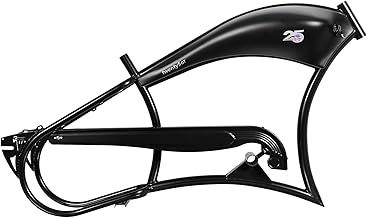


Conversion from Inches to Centimeters: Simple guide on converting 21 inches to centimeters for bike frames
To convert 21 inches to centimeters for bike frames, you'll need to understand the basic conversion factor between inches and centimeters. One inch is equal to 2.54 centimeters. This conversion is crucial for accurately determining the size of a bike frame, especially when dealing with international standards or custom builds.
Begin by taking the measurement in inches—in this case, 21 inches—and multiply it by the conversion factor of 2.54. The calculation is straightforward: 21 inches × 2.54 cm/inch = 53.34 cm. Therefore, a 21-inch bike frame is equivalent to approximately 53.34 centimeters.
It's important to note that bike frame sizes are typically rounded to the nearest whole number or half-inch increment. In this instance, the conversion yields a non-standard measurement in centimeters. However, for practical purposes, you might round this to the nearest centimeter, resulting in a frame size of 53 cm.
When converting bike frame sizes, it's also essential to consider the context in which the measurement is being used. For example, if you're purchasing a bike frame from a manufacturer that uses metric measurements, they may have specific sizing charts that account for the conversion discrepancies. Additionally, some bike builders might offer custom sizing options to accommodate unique frame dimensions.
In summary, converting 21 inches to centimeters for bike frames involves a simple multiplication using the conversion factor of 2.54. This results in a frame size of approximately 53.34 cm, which can be rounded to 53 cm for practical purposes. Always consider the specific context and standards of the bike frame manufacturer or builder when using converted measurements.
Understanding Bike Sizes: A Guide to 50cm Frames
You may want to see also
Explore related products


Ideal Rider Height for 21 Inch Frame: Information on the typical height range of riders who would fit a 21 inch bike frame
A 21-inch bike frame is typically suitable for riders within a specific height range. This range is generally between 5'7" (170 cm) and 6'1" (185 cm), although this can vary slightly depending on the bike's design and the rider's personal preference. Riders within this height range will find that a 21-inch frame provides a comfortable and efficient riding position, with the seat height and handlebar reach optimized for their body size.
When determining the ideal rider height for a 21-inch frame, it's important to consider the rider's inseam length as well as their overall height. The inseam length is the distance from the crotch to the ground, and it plays a crucial role in determining the correct seat height. A rider with a longer inseam may be able to comfortably ride a 21-inch frame even if they are slightly taller than the typical range, while a rider with a shorter inseam may find the frame too large if they are on the shorter end of the range.
In addition to height and inseam length, the rider's riding style and the type of bike should also be taken into account. For example, a rider who prefers a more aggressive riding position may opt for a slightly smaller frame, while a rider who prefers a more relaxed position may choose a larger frame. Similarly, the type of bike – whether it's a road bike, mountain bike, or hybrid – can influence the ideal frame size.
To determine if a 21-inch frame is the right size, riders can perform a simple test. They should stand over the bike with their feet shoulder-width apart and their hands on the handlebars. The seat height should be adjusted so that their leg is almost fully extended when pedaling, with a slight bend in the knee. If the rider can comfortably reach the handlebars and pedals in this position, then the 21-inch frame is likely a good fit.
Ultimately, the ideal rider height for a 21-inch frame will depend on a combination of factors, including the rider's height, inseam length, riding style, and the type of bike. By considering these factors and performing a test ride, riders can ensure that they choose the right frame size for their needs.
Choosing the Right Inner Tube Size for Your Road Bike: A Guide
You may want to see also
Explore related products


Bike Frame Size Chart: Overview of a standard bike frame size chart, showing how 21 inches compares to other sizes
A standard bike frame size chart is a crucial tool for cyclists looking to find the perfect fit for their ride. The chart typically lists frame sizes in inches, with each size corresponding to a specific range of rider heights. A 21-inch bike frame is generally considered to be on the larger end of the spectrum, suitable for taller riders. To put this size into perspective, it's helpful to compare it to other common frame sizes.
For instance, a 21-inch frame is significantly larger than a 16-inch frame, which is often recommended for riders around 5'3" to 5'7" tall. The 21-inch frame would be more appropriate for someone in the 6' to 6'4" height range. Understanding these size differences is essential for ensuring a comfortable and efficient riding experience.
When converting inches to centimeters, it's important to note that 1 inch is equal to 2.54 centimeters. Therefore, a 21-inch bike frame would be approximately 53.34 centimeters in size. This conversion can be particularly useful for international buyers or those more familiar with the metric system.
In addition to height, other factors such as inseam length and riding style can influence the ideal frame size. For example, a rider with a longer inseam may prefer a larger frame size to accommodate their leg length, even if their overall height falls within a smaller frame size range. Similarly, different riding styles, such as road cycling or mountain biking, may require slightly different frame sizes for optimal performance and comfort.
Ultimately, consulting a bike frame size chart and considering individual rider characteristics are key steps in selecting the right bike frame size. By understanding how sizes compare and how to convert between measurement systems, cyclists can make informed decisions and enjoy a more comfortable and efficient ride.
Understanding Bike Frame Sizes: A Guide to the 18-Inch Frame
You may want to see also
Explore related products



Customization and Adjustments: Discussion on how bike frames can be customized or adjusted to fit different rider preferences and needs
Bike frames can be customized or adjusted in several ways to accommodate different rider preferences and needs. One common method is through the use of adjustable components such as seat posts, handlebars, and stems. These components can be moved up or down, forward or backward, to change the rider's position on the bike. For example, a rider who prefers a more upright riding position can raise the handlebars and seat post, while a rider who wants a more aggressive position can lower them.
Another way to customize a bike frame is through the use of different wheel sizes. Most adult bikes come with 26-inch or 29-inch wheels, but some frames can accommodate other sizes such as 27.5 inches or even fat bike tires. Changing the wheel size can affect the bike's handling, stability, and speed, so it's important to choose the right size for the rider's intended use.
Frame geometry can also be adjusted to some extent. For example, some frames have adjustable head angles or seat angles, which can change the bike's handling characteristics. Additionally, some frames have modular designs that allow for different components to be swapped out or added, such as fenders, racks, or suspension forks.
Customization can also extend to the bike's color and graphics. Many bike manufacturers offer custom paint options, allowing riders to choose their own color schemes and designs. This can be a fun way to personalize a bike and make it stand out from the crowd.
Finally, for riders with specific needs, such as those with disabilities or injuries, there are adaptive bikes and accessories available. These can include handcycles, recumbent bikes, and bikes with modified frames or components to accommodate different body types and abilities.
In conclusion, there are many ways to customize or adjust a bike frame to fit different rider preferences and needs. From adjustable components to different wheel sizes, frame geometry, color options, and adaptive bikes, there's a solution for every rider.
Choosing the Perfect Inner Tube Size for Your Bike: A Guide
You may want to see also
Frequently asked questions
A 21 inch bike frame is approximately 53.34 cm in size.
To measure a bike frame size, you need to measure the distance from the center of the bottom bracket to the top of the seat tube. This measurement is usually taken in inches or centimeters.
The difference between a 21 inch and a 22 inch bike frame is approximately 1.27 cm. A 22 inch frame is slightly larger than a 21 inch frame.
The ideal bike frame size for a person who is 5'10" is usually between 21 and 22 inches. However, this can vary depending on the individual's body proportions and riding style.
While a 21 inch bike frame may be too small for some 6' tall individuals, it may be suitable for others depending on their body proportions and riding style. It is recommended to consult with a bike fitting specialist to determine the best frame size for your height and riding preferences.