Eric Johnson
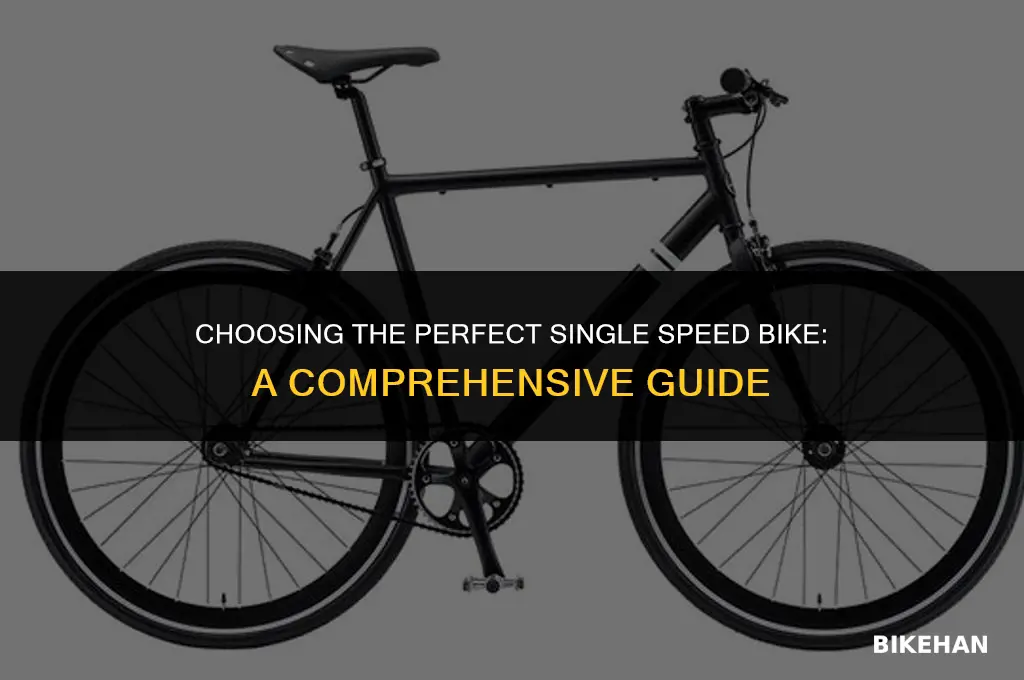
When considering purchasing a single speed bike, several factors come into play to ensure you find the perfect fit for your needs. Single speed bikes, known for their simplicity and low maintenance, are ideal for urban commuting and casual riding. They lack the complex gear systems found in multi-speed bikes, making them lighter and more straightforward to use. However, this also means they're best suited for relatively flat terrain. In this guide, we'll explore key aspects to consider, such as frame material, wheel size, and overall comfort, to help you make an informed decision on the best single speed bike for your lifestyle and preferences.
Explore related products


What You'll Learn
- Budget Considerations: Determine your price range for the bike and related accessories
- Riding Style: Identify your typical terrain and riding preferences (e.g., urban, off-road)
- Bike Features: Decide on essential features like frame material, wheel size, and braking system
- Brand Research: Investigate reputable brands and models within your budget and preferences
- Test Rides: Visit local bike shops to test ride potential bikes and ensure a comfortable fit

Budget Considerations: Determine your price range for the bike and related accessories
When determining your budget for a single-speed bike and related accessories, it's crucial to consider both the initial purchase price and ongoing costs. Start by assessing your financial situation and deciding how much you're willing to spend upfront. Keep in mind that quality bikes can range from a few hundred to several thousand dollars, depending on the brand, materials, and components.
Next, factor in the cost of accessories such as a helmet, lock, lights, and maintenance tools. These items can add up quickly, so it's important to include them in your overall budget. Additionally, consider the cost of any necessary repairs or replacements down the line.
Another aspect to consider is the potential for customization. If you plan to upgrade or modify your bike in the future, make sure to leave some room in your budget for these enhancements. This could include anything from a new saddle or handlebars to a complete overhaul of your drivetrain.
It's also important to think about the value of the bike in relation to its cost. A more expensive bike may offer better performance, durability, and resale value, while a cheaper option may be more suitable for casual riding or as a temporary solution.
Finally, don't forget to consider any additional costs associated with owning a bike, such as storage, insurance, and registration fees. By taking all of these factors into account, you can determine a realistic budget that will allow you to find the perfect single-speed bike for your needs and preferences.
Unveiling the Secrets: Wholesale Prices at Bike Shops Revealed
You may want to see also
Explore related products


Riding Style: Identify your typical terrain and riding preferences (e.g., urban, off-road)
Analyzing your riding style is crucial when selecting a single speed bike, as it directly influences the type of bike that will best suit your needs. Begin by evaluating the terrain you typically ride on. Do you navigate through urban landscapes, with smooth pavement and occasional potholes, or do you prefer the ruggedness of off-road trails, with dirt, rocks, and uneven surfaces?
Next, consider your riding preferences. Are you a commuter who values efficiency and speed on city streets, or an adventure seeker who enjoys the challenge of off-road terrain? Your preferences will guide you towards a bike that is optimized for your specific type of riding.
For urban riders, a single speed bike with a lightweight frame and narrow tires will be ideal. These features will allow for quick acceleration and easy maneuverability through traffic. Additionally, a bike with a higher gear ratio will enable you to maintain a fast pace on flat city streets.
On the other hand, off-road riders will benefit from a bike with a more robust frame and wider, knobby tires. These features will provide better traction and stability on uneven terrain. A lower gear ratio will also be advantageous, as it will allow for easier pedaling on steep inclines and rough surfaces.
Ultimately, understanding your riding style and preferences will help you choose a single speed bike that is tailored to your specific needs, ensuring a more enjoyable and efficient riding experience.
Choosing the Perfect Bike Trainer: A Comprehensive Guide
You may want to see also
Explore related products

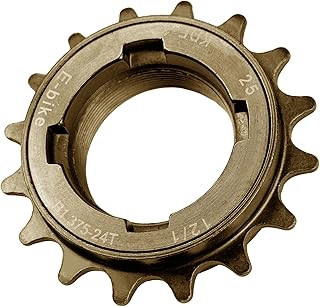


Bike Features: Decide on essential features like frame material, wheel size, and braking system
When selecting a single speed bike, the frame material is a critical feature to consider. The most common materials used are steel, aluminum, and carbon fiber. Steel frames are known for their durability and smooth ride, making them a popular choice for commuters and casual riders. Aluminum frames, on the other hand, are lighter and more resistant to corrosion, which can be beneficial for those who live in areas with harsh weather conditions. Carbon fiber frames are the lightest and most aerodynamic, but they also come with a higher price tag.
Wheel size is another important factor to consider. The most common wheel sizes for single speed bikes are 26 inches, 27.5 inches, and 29 inches. Smaller wheels are generally more maneuverable and easier to handle in tight spaces, while larger wheels provide a smoother ride and better rolling resistance. The choice of wheel size will depend on the type of riding you plan to do and your personal preferences.
The braking system is also a key feature to consider. Single speed bikes typically come with either rim brakes or disc brakes. Rim brakes are simpler and more cost-effective, but they can be less effective in wet conditions. Disc brakes, on the other hand, provide better stopping power and are more reliable in all weather conditions. If you plan to ride in areas with steep hills or heavy traffic, disc brakes may be a better option.
Other features to consider include the saddle, handlebars, and pedals. A comfortable saddle is essential for long rides, and handlebars should be chosen based on your riding style and preferences. Pedals should be durable and provide good traction, especially if you plan to ride in wet conditions.
Ultimately, the best single speed bike for you will depend on your specific needs and preferences. By considering the essential features outlined above, you can make an informed decision and find a bike that will provide you with years of enjoyment.
Choosing the Perfect Bike for Burning Man: A Comprehensive Guide
You may want to see also
Explore related products


Brand Research: Investigate reputable brands and models within your budget and preferences
When researching brands for a single speed bike, it's crucial to focus on manufacturers known for their quality and reliability. Start by making a list of well-regarded brands in the cycling community, such as Brompton, Linus, and Surly. These brands have established reputations for producing durable and high-performance bikes. Next, narrow down your options by considering your budget. Single speed bikes can range from a few hundred to several thousand dollars, so it's important to set a realistic budget before you begin your search.
Once you've identified a few brands that fit within your budget, delve deeper into their specific models. Look for reviews from both professional cycling publications and everyday riders to get a comprehensive understanding of each bike's strengths and weaknesses. Pay attention to factors such as frame material, wheel quality, and the overall build of the bike. Additionally, consider the brand's customer service and warranty policies, as these can be indicative of the company's commitment to quality and customer satisfaction.
Another aspect to consider is the bike's design and aesthetics. While functionality is paramount, the look and feel of the bike are also important, as they can impact your overall riding experience. Some brands, like Linus, are known for their stylish and minimalist designs, while others, like Surly, offer more rugged and utilitarian options. Think about your personal preferences and the type of riding you plan to do when evaluating different models.
It's also beneficial to test ride bikes from different brands and models whenever possible. This will give you a firsthand experience of how each bike handles and feels on the road. Many bike shops offer test rides, and some brands even have demo programs that allow you to try out their bikes for an extended period.
In conclusion, thorough brand research is essential when choosing a single speed bike. By focusing on reputable brands, considering your budget, evaluating specific models, and prioritizing both functionality and aesthetics, you can find a bike that meets your needs and preferences. Remember to also consider factors such as customer service and warranty policies, and don't hesitate to test ride bikes to ensure the best possible fit.
Choosing the Perfect Hybrid Bike: A Comprehensive Guide
You may want to see also
Explore related products


Test Rides: Visit local bike shops to test ride potential bikes and ensure a comfortable fit
Before committing to a single speed bike, it's crucial to experience how it feels to ride one. Visiting local bike shops for test rides is an invaluable step in the decision-making process. This hands-on approach allows you to assess the bike's comfort, handling, and overall suitability for your needs.
When you arrive at a bike shop, don't be afraid to ask questions. The staff are typically knowledgeable and can guide you through the different models available. Explain your preferences, such as the type of terrain you'll be riding on and your fitness level. They can help you narrow down your options and choose a bike that's appropriate for your requirements.
During the test ride, pay attention to several key factors. First, ensure the bike's frame size is correct for your height. The shop staff can help you with this, but it's essential to feel comfortable and in control while riding. Next, consider the saddle height and position. You should be able to touch the ground with both feet when seated, and the saddle should support your sit bones without causing discomfort.
As you ride, take note of the bike's handling. Does it feel responsive and agile, or sluggish and difficult to maneuver? Test the brakes and gears to ensure they're functioning smoothly. Also, consider the overall comfort of the ride. Are there any pressure points or areas of discomfort? If so, this may indicate that the bike isn't the right fit for you.
Finally, don't be afraid to try out different types of single speed bikes. Each model will have its own unique characteristics, and it's essential to find the one that best suits your riding style and preferences. By taking the time to test ride potential bikes, you can make an informed decision and find the perfect single speed bike for you.
Choosing the Perfect Sports Bike: A Comprehensive Guide
You may want to see also
Frequently asked questions
Single speed bikes are known for their simplicity and low maintenance. They lack the complex gear systems found in multi-speed bikes, which means there are fewer parts that can break or require regular servicing. This simplicity often results in a lighter bike that's easy to maneuver, especially in urban environments. Additionally, single speed bikes can be more cost-effective both in terms of initial purchase price and long-term maintenance costs.
Choosing the right single speed bike involves considering several factors. First, think about the type of riding you'll be doing most often—whether it's commuting, leisure riding, or tackling hills. This will help determine the appropriate frame size and geometry. Next, consider the wheel size and tire type, as these can affect the bike's handling and comfort. It's also important to choose a bike with a reliable drivetrain and brakes. Finally, test ride different models to find the one that feels most comfortable and suits your riding style.
While single speed bikes are versatile and can handle a variety of terrains, they may not be as efficient as multi-speed bikes on steep hills or rough off-road trails. The lack of gears means you'll need to rely on your own strength and endurance to tackle challenging terrain. However, for urban commuting, gravel paths, and gentle hills, a single speed bike can be an excellent choice. If you're planning to ride in varied terrain, you might want to consider a bike with a wider tire for better traction and stability.