Samantha Lee

When it comes to constructing bicycle frames, manufacturers often turn to metals that offer a balance of strength, durability, and lightweight properties. Among the most popular choices are aluminum, steel, titanium, and carbon fiber—each with its own unique characteristics and advantages. Aluminum frames are prized for their light weight and corrosion resistance, making them a common sight in many modern bicycles. Steel, on the other hand, provides a sturdy and reliable option, often favored for its durability and classic aesthetic. Titanium frames are known for their impressive strength-to-weight ratio and resistance to fatigue, while carbon fiber offers unparalleled lightness and stiffness, albeit at a higher cost. The choice of metal ultimately depends on the intended use of the bicycle, the rider's preferences, and the desired performance characteristics.
Explore related products




What You'll Learn
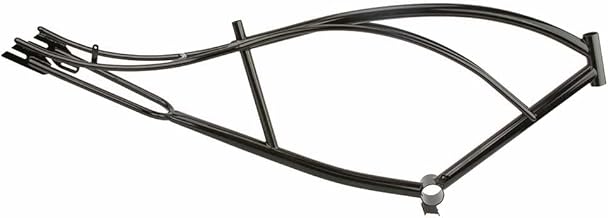
- Steel: Known for its strength and durability, steel is a traditional choice for bicycle frames
- Aluminum: Lightweight and resistant to corrosion, aluminum offers a good balance between weight and strength
- Carbon Fiber: High-performance material favored for its stiffness, low weight, and ability to be molded into aerodynamic shapes
- Titanium: Combines high strength with low density, making it ideal for premium, lightweight bike frames
- Chromoly: A type of steel alloyed with chromium and molybdenum, offering enhanced strength and corrosion resistance

Steel: Known for its strength and durability, steel is a traditional choice for bicycle frames
Steel has been a cornerstone material in bicycle frame construction for over a century, prized for its exceptional strength-to-weight ratio and durability. Its ability to withstand the rigors of daily use and harsh environmental conditions makes it a preferred choice for many cyclists and manufacturers alike. Steel frames are particularly favored in touring and commuting bicycles, where the emphasis is on longevity and reliability over lightweight performance.
One of the key advantages of steel is its versatility in frame design. It can be easily manipulated into various shapes and sizes, allowing for a wide range of bicycle styles and geometries. This flexibility enables manufacturers to create frames that cater to different riding preferences and needs, from upright city bikes to aggressive road racing machines. Additionally, steel's inherent elasticity provides a comfortable ride quality, absorbing road vibrations and reducing rider fatigue during long journeys.
Despite the emergence of newer materials like aluminum, carbon fiber, and titanium, steel remains a popular choice due to its cost-effectiveness and ease of maintenance. Steel frames are generally more affordable to produce and repair compared to their counterparts, making them an attractive option for budget-conscious cyclists. Furthermore, steel's resistance to corrosion and its ability to be welded and brazed with relative ease contribute to its enduring popularity in the bicycle industry.
However, steel does have some drawbacks. It is heavier than some of the newer materials, which can be a disadvantage for cyclists who prioritize speed and agility. Additionally, steel frames require regular maintenance to prevent rust and corrosion, especially in wet or salty environments. Despite these limitations, steel's proven track record and unique combination of strength, durability, and affordability ensure its continued relevance in the world of bicycle frame materials.
Unfolding the Secrets: Materials Behind Foldable Bikes
You may want to see also
Explore related products


Aluminum: Lightweight and resistant to corrosion, aluminum offers a good balance between weight and strength
Aluminum has become a popular choice for bicycle frames due to its advantageous properties. Its lightweight nature allows for easier handling and maneuverability, making it an ideal material for both casual riders and competitive cyclists. Additionally, aluminum's resistance to corrosion ensures that bike frames maintain their structural integrity over time, even when exposed to harsh weather conditions or rough terrain.
One of the key benefits of using aluminum for bike frames is its excellent strength-to-weight ratio. This means that aluminum frames can provide the necessary support and durability without adding excessive weight to the bicycle. As a result, cyclists can enjoy a more efficient and responsive ride, as less energy is required to propel the bike forward.
Furthermore, aluminum frames are relatively easy to manufacture and can be designed in a variety of shapes and sizes to suit different riding styles and preferences. This versatility allows bike manufacturers to create frames that cater to specific needs, such as aerodynamic designs for road racing or more robust constructions for mountain biking.
In terms of maintenance, aluminum frames are generally low-maintenance and do not require the same level of care as other materials, such as steel or titanium. They are less prone to rust and can be easily cleaned with a simple soap and water solution. However, it is important to note that aluminum frames can be more susceptible to damage from impacts or crashes, so riders should take extra care to protect their bikes from unnecessary wear and tear.
Overall, aluminum's combination of lightweight, corrosion resistance, and strength makes it an attractive option for bicycle frames. Its versatility and ease of maintenance further contribute to its popularity among cyclists of all levels.
Choosing the Right Lube for Your Stationary Bike: A Guide
You may want to see also
Explore related products


Carbon Fiber: High-performance material favored for its stiffness, low weight, and ability to be molded into aerodynamic shapes
Carbon fiber is a high-performance material that has revolutionized the bicycle industry. Its unique combination of stiffness, low weight, and moldability makes it an ideal choice for creating aerodynamic bike frames. Unlike traditional metals such as steel or aluminum, carbon fiber is composed of thin strands of carbon atoms that are woven together and then infused with a resin to form a solid material. This process allows for the creation of frames that are both strong and lightweight, providing cyclists with a competitive edge.
One of the key advantages of carbon fiber is its ability to be molded into complex shapes. This allows bike manufacturers to design frames that are optimized for aerodynamics, reducing air resistance and improving speed. Additionally, carbon fiber frames can be designed to provide a more comfortable ride by absorbing vibrations and shocks from the road.
However, carbon fiber frames also have some drawbacks. They are generally more expensive than metal frames, and they can be more difficult to repair if damaged. Furthermore, carbon fiber is not as recyclable as metals, which can be a concern for environmentally conscious consumers.
Despite these challenges, carbon fiber remains a popular choice for high-performance bicycles. Its unique properties make it an ideal material for creating frames that are both strong and lightweight, providing cyclists with a competitive edge. As technology continues to advance, it is likely that carbon fiber will become even more widely used in the bicycle industry.
Exploring the Lightweight Materials Behind Sport Bike Fairings
You may want to see also
Explore related products


Titanium: Combines high strength with low density, making it ideal for premium, lightweight bike frames
Titanium stands out in the realm of bicycle frame materials due to its exceptional combination of high strength and low density. This unique blend makes it the go-to choice for crafting premium, lightweight bike frames that cater to both performance enthusiasts and casual riders seeking durability without the heft.
One of the key advantages of titanium frames is their ability to provide a smooth, comfortable ride. The metal's natural flexibility allows it to absorb road vibrations more effectively than other materials like aluminum or steel, resulting in reduced fatigue for the rider during long journeys. Additionally, titanium's corrosion resistance ensures that the frame will maintain its integrity and appearance over time, even in harsh weather conditions.
From a manufacturing perspective, titanium frames are often constructed using a process called welding, where individual tubes are joined together to form the desired shape. This method allows for a high degree of customization, enabling builders to create frames that are tailored to the specific needs and preferences of each rider. However, the welding process requires specialized skills and equipment, which can contribute to the higher cost of titanium frames compared to those made from other metals.
Despite the initial investment, titanium frames offer long-term value through their durability and low maintenance requirements. Unlike steel frames, which may require regular painting to prevent rust, titanium frames can be left in their natural state without fear of corrosion. This not only saves time and effort but also preserves the frame's aesthetic appeal, as the natural titanium finish is highly prized for its sleek, modern look.
In conclusion, titanium's unique properties make it an ideal material for crafting high-quality, lightweight bike frames that offer a superior riding experience. While the upfront cost may be higher than that of frames made from other metals, the long-term benefits of durability, comfort, and low maintenance make titanium a worthwhile investment for discerning cyclists.
Exploring the Essential Materials That Make Up Modern Bicycles
You may want to see also
Explore related products


Chromoly: A type of steel alloyed with chromium and molybdenum, offering enhanced strength and corrosion resistance
Chromoly steel, an alloy of chromium and molybdenum, is a popular choice for bicycle frames due to its superior strength-to-weight ratio and corrosion resistance. This type of steel is particularly favored in the cycling industry for its ability to withstand the rigors of both road and off-road cycling while maintaining a relatively lightweight profile. The addition of chromium provides a protective layer against rust and corrosion, making chromoly frames durable and long-lasting even in harsh weather conditions.
One of the key benefits of chromoly steel is its versatility. It can be manipulated into various shapes and sizes, allowing frame builders to create custom designs that cater to different riding styles and preferences. This flexibility also enables the production of frames with specific performance characteristics, such as increased stiffness for improved power transfer or a more compliant ride for enhanced comfort on long journeys.
In terms of construction, chromoly frames are typically built using a combination of welding and brazing techniques. These methods allow for strong, reliable joints that can withstand the stresses of cycling. Additionally, chromoly steel can be heat-treated to further enhance its strength and durability, making it an ideal material for high-performance bicycle frames.
When compared to other frame materials like aluminum or carbon fiber, chromoly steel offers a unique balance of strength, weight, and cost. While it may not be as lightweight as carbon fiber, it is significantly more affordable and easier to repair. Furthermore, chromoly frames provide a classic aesthetic that appeals to many cyclists who appreciate the timeless look and feel of steel.
In conclusion, chromoly steel is a highly regarded material in the bicycle frame industry due to its exceptional strength, corrosion resistance, and versatility. Its ability to be crafted into custom designs and its durability make it a preferred choice for both casual riders and serious cyclists alike.
Safe Cycling After Tooth Extraction: Tips and Precautions
You may want to see also
Frequently asked questions
The most common metals used for bike frames are aluminum, steel, titanium, and carbon fiber. Each material has its own unique properties and advantages.
Aluminum is lightweight, which makes it easier to handle and maneuver the bike. It's also resistant to corrosion, which increases the durability and lifespan of the frame. Additionally, aluminum is relatively inexpensive compared to other materials.
Steel is heavier than aluminum, but it's also stronger and more durable. Steel frames can absorb more impact and are less likely to crack or break. They're also more comfortable to ride, as steel has a natural ability to dampen vibrations.
Titanium is a premium material that offers a great balance of strength, weight, and durability. It's lighter than steel but stronger than aluminum. Titanium is also resistant to corrosion and fatigue, which makes it a good choice for high-end bikes.
Carbon fiber is not a metal, but a composite material made from carbon atoms. It's used for bike frames because it's incredibly lightweight and strong. Carbon fiber frames are also aerodynamic, which can improve the bike's performance and speed.