Eric Johnson
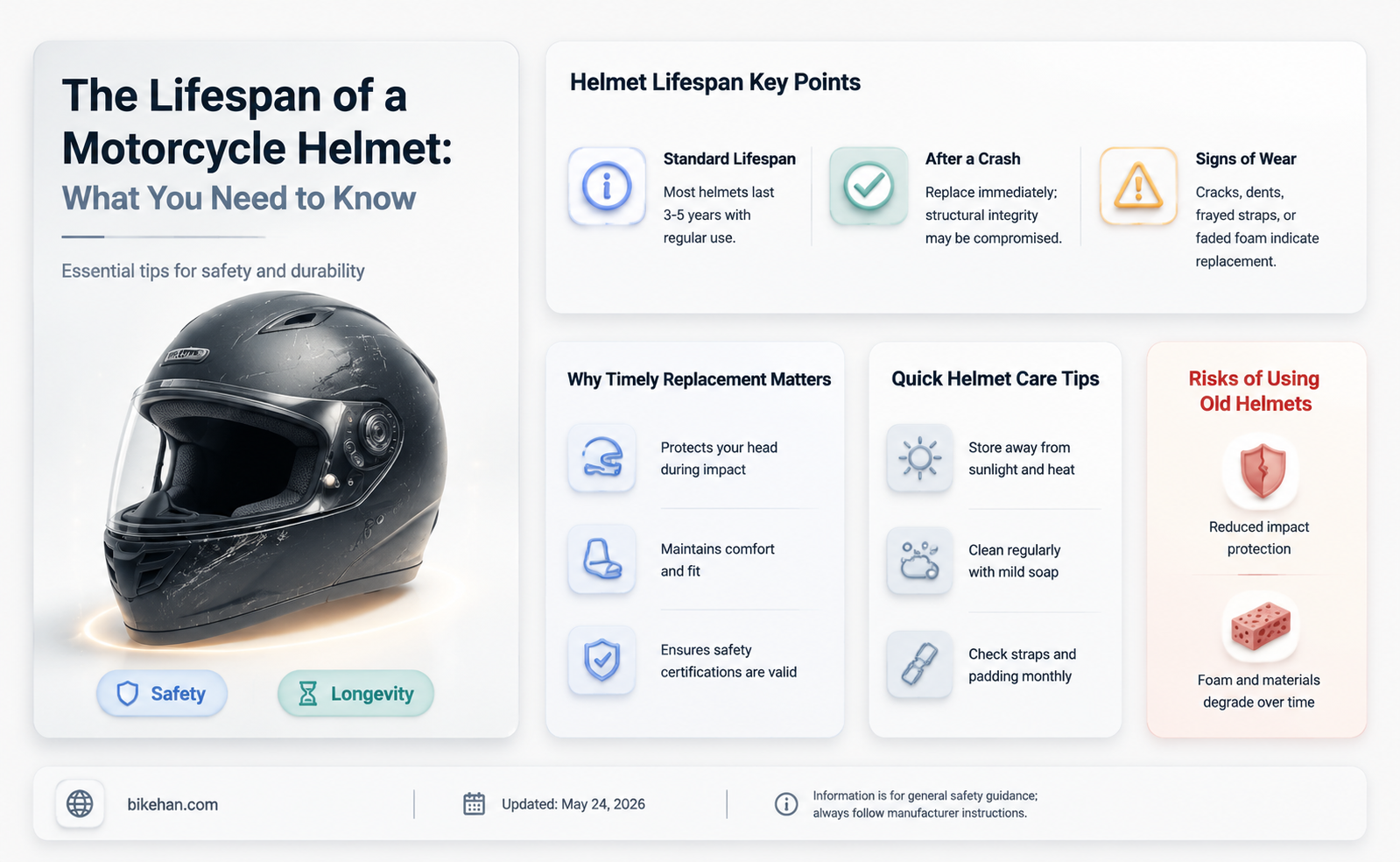
Motorcycle helmets are crucial safety gear for riders, designed to protect the head in the event of an accident. However, like any protective equipment, they have a limited lifespan. The durability of a motorcycle helmet depends on various factors, including the quality of materials used, the frequency of use, and exposure to environmental elements. Manufacturers typically recommend replacing helmets every five years, but this can vary based on specific usage conditions. It's essential for riders to inspect their helmets regularly for signs of wear and tear, such as cracks, dents, or damage to the padding, and to replace them immediately if any issues are detected. Proper maintenance, such as cleaning the helmet regularly and storing it in a cool, dry place, can help extend its lifespan. Ultimately, understanding how long a motorcycle helmet lasts is vital for ensuring optimal protection while riding.
Explore related products


What You'll Learn
- Factors Affecting Helmet Lifespan: Explore elements like usage frequency, storage conditions, and environmental factors impacting helmet durability
- Manufacturer Recommendations: Detail typical lifespan guidelines provided by helmet manufacturers and how they vary by brand and model
- Safety Standards Over Time: Discuss how evolving safety standards may influence the recommended replacement period for motorcycle helmets
- Signs of Wear and Tear: Identify common indicators that a helmet may need replacement, such as cracks, padding degradation, or visor damage
- Cost vs. Safety: Analyze the financial aspects of helmet replacement, balancing cost considerations with the importance of maintaining optimal safety

Factors Affecting Helmet Lifespan: Explore elements like usage frequency, storage conditions, and environmental factors impacting helmet durability
Motorcycle helmets are subjected to various factors that can significantly impact their lifespan. One of the primary factors is usage frequency. Helmets that are used daily will naturally experience more wear and tear compared to those used occasionally. The materials in the helmet, such as the outer shell and the inner padding, can degrade over time due to repeated exposure to the elements and physical stress.
Storage conditions also play a crucial role in helmet durability. Helmets should be stored in a cool, dry place away from direct sunlight. Prolonged exposure to sunlight can cause the materials to fade and become brittle. Additionally, storing helmets in areas with high humidity can lead to the growth of mold and mildew, which can compromise the structural integrity of the helmet.
Environmental factors, such as extreme temperatures, rain, and snow, can also affect helmet lifespan. Helmets that are frequently used in harsh weather conditions may require more frequent replacement. For instance, exposure to freezing temperatures can cause the materials to contract and become more susceptible to cracking. Similarly, exposure to high temperatures can cause the materials to expand and lose their shape.
Another factor to consider is the quality of the helmet. Helmets that are made from high-quality materials and constructed with attention to detail are likely to last longer than those that are made from inferior materials. It is important to invest in a helmet that meets safety standards and is designed to withstand the rigors of regular use.
Regular maintenance can also help extend the lifespan of a helmet. This includes cleaning the helmet regularly to remove dirt and debris, inspecting it for any signs of damage, and replacing any worn or damaged parts. By taking proper care of a helmet, riders can help ensure that it continues to provide adequate protection for as long as possible.
Secure Your Ride: The Ultimate Guide to Locking Your Helmet on a Motorcycle
You may want to see also
Explore related products




Manufacturer Recommendations: Detail typical lifespan guidelines provided by helmet manufacturers and how they vary by brand and model
Helmet manufacturers provide lifespan guidelines that vary significantly by brand and model. For instance, some premium brands like Arai and Shoei recommend replacing helmets every 5 years, regardless of usage, due to advancements in technology and materials. In contrast, more budget-friendly options like HJC and Bell often suggest a lifespan of 7-10 years.
These recommendations are not arbitrary; they are based on extensive research and testing. Manufacturers consider factors such as the degradation of materials over time, the impact of UV radiation, and the effects of repeated use. For example, the foam padding inside a helmet can break down over time, reducing its ability to absorb impact. Similarly, the outer shell can become brittle and more susceptible to cracking after prolonged exposure to the elements.
It's important to note that these guidelines are general and may not apply to every situation. For instance, if a helmet has been involved in an accident, it should be replaced immediately, regardless of its age. Additionally, frequent riders may need to replace their helmets more often than those who ride infrequently.
To ensure maximum safety, riders should always check their helmet's certification label for specific lifespan recommendations. They should also inspect their helmet regularly for signs of wear and tear, such as cracks, dents, or loose padding. By following the manufacturer's guidelines and staying vigilant, riders can help ensure that their helmets provide optimal protection for as long as possible.
Exploring the Versatility of Modular Motorcycle Helmets
You may want to see also
Explore related products


Safety Standards Over Time: Discuss how evolving safety standards may influence the recommended replacement period for motorcycle helmets
Evolving safety standards have significantly influenced the recommended replacement period for motorcycle helmets. As safety regulations become more stringent, manufacturers are compelled to innovate and improve helmet designs, materials, and construction methods. These advancements often render older helmets less effective in meeting current safety benchmarks, thereby necessitating more frequent replacements. For instance, the introduction of new impact absorption technologies or enhanced retention systems may prompt regulatory bodies to update their standards, which in turn affects the lifespan of helmets on the market.
Historically, motorcycle helmets were designed with a primary focus on basic impact protection. However, as research and development in the field of safety have progressed, additional factors such as aerodynamics, comfort, and visibility have been integrated into helmet design. These enhancements not only improve the overall riding experience but also contribute to a helmet's protective capabilities. Consequently, helmets that do not incorporate these modern features may be considered outdated and less safe, leading to shorter recommended usage periods.
Moreover, changes in safety standards often reflect a broader understanding of injury mechanisms and the importance of mitigating specific risks. For example, advancements in the study of traumatic brain injuries have led to the development of helmets with improved rotational impact protection. As these new standards are implemented, older helmets that lack such features may no longer be deemed adequate, necessitating replacement.
In some cases, evolving safety standards may also be driven by changes in riding habits and motorcycle technology. For instance, the increasing popularity of high-performance motorcycles and aggressive riding styles may prompt the development of helmets with enhanced protection against high-speed impacts. Similarly, the integration of advanced electronics and communication systems into helmets may influence safety standards, as these features can impact a rider's situational awareness and reaction times.
Ultimately, the continuous evolution of safety standards ensures that motorcycle helmets remain effective in protecting riders from the ever-changing risks associated with motorcycling. While this may result in shorter replacement periods, it also guarantees that riders benefit from the latest advancements in helmet technology and safety research. As such, it is crucial for motorcyclists to stay informed about current safety standards and to replace their helmets accordingly to maximize their protection on the road.
Rev Up Your Safety: Signs It's Time for a New Motorcycle Helmet
You may want to see also
Explore related products


Signs of Wear and Tear: Identify common indicators that a helmet may need replacement, such as cracks, padding degradation, or visor damage
Motorcycle helmets are subjected to various stresses during use, and over time, these can lead to wear and tear that compromises their safety and effectiveness. One of the most critical signs that a helmet may need replacement is the presence of cracks. These can occur due to impacts, drops, or even exposure to extreme temperatures. Cracks may be visible on the outer shell or may be hidden beneath the surface, so it's essential to inspect the helmet regularly for any signs of damage.
Another common indicator of wear and tear is the degradation of the helmet's padding. This can manifest as compression, discoloration, or even the growth of mold and mildew. Padding degradation can reduce the helmet's ability to absorb impact and provide a comfortable fit, so it's crucial to check the padding periodically and replace it if necessary.
Visor damage is another sign that a helmet may need replacement. Scratches, chips, or cracks in the visor can impair visibility and increase the risk of injury in the event of an accident. Additionally, the visor's UV protection can degrade over time, reducing its effectiveness in shielding the rider's eyes from harmful rays. Regularly inspecting the visor and replacing it when damaged or worn out is essential for maintaining optimal visibility and protection.
In addition to these specific signs of wear and tear, it's also important to consider the overall condition of the helmet. If the helmet has been involved in an accident, it's likely that it has sustained damage that may not be immediately visible. In such cases, it's best to err on the side of caution and replace the helmet to ensure continued safety.
To extend the life of a motorcycle helmet, it's essential to store it properly when not in use. This means keeping it in a cool, dry place away from direct sunlight and extreme temperatures. Regular cleaning and maintenance can also help to prevent the buildup of dirt, grime, and bacteria that can contribute to wear and tear.
In conclusion, identifying and addressing signs of wear and tear is crucial for ensuring the safety and effectiveness of a motorcycle helmet. By regularly inspecting the helmet for cracks, padding degradation, visor damage, and other signs of wear, riders can help to extend the life of their helmet and reduce the risk of injury in the event of an accident.
Texas Motorcycle Helmet Laws: What You Need to Know
You may want to see also
Explore related products
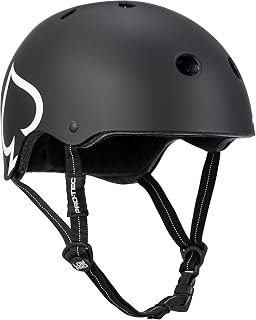


Cost vs. Safety: Analyze the financial aspects of helmet replacement, balancing cost considerations with the importance of maintaining optimal safety
Motorcycle helmets are critical safety gear, but they don't last forever. One of the key considerations when determining how long a motorcycle helmet lasts is the balance between cost and safety. While it's tempting to extend the life of a helmet to save money, compromising on safety can have severe consequences.
The financial aspects of helmet replacement involve not only the initial purchase price but also the long-term costs of maintenance and potential repairs. A high-quality helmet may cost more upfront but could provide better protection and durability, ultimately saving money in the long run. Conversely, a cheaper helmet might need to be replaced more frequently, increasing overall costs.
Safety should always be the primary concern when evaluating the lifespan of a motorcycle helmet. Even minor damage can compromise a helmet's ability to protect the rider in the event of an accident. Regular inspections and timely replacements are essential to ensure optimal safety. However, riders should also be aware of the manufacturer's recommended replacement interval, which typically ranges from 3 to 5 years, depending on usage and maintenance.
In conclusion, while cost is an important factor to consider when determining how long a motorcycle helmet lasts, it should never take precedence over safety. Riders should carefully evaluate their needs, budget, and riding habits to make informed decisions about helmet replacement, always prioritizing the protection of themselves and others on the road.
Top Spots for Scoring the Perfect Helmet: A Buyer's Guide
You may want to see also
Frequently asked questions
A motorcycle helmet typically lasts between 3 to 5 years, depending on usage and maintenance.
Factors affecting the lifespan of a motorcycle helmet include frequency of use, exposure to sunlight, weather conditions, and the quality of the helmet's materials.
Yes, you should replace your helmet if it has been in a crash, even if it appears undamaged. The impact can compromise the helmet's structural integrity.
To maintain your motorcycle helmet, clean it regularly with mild soap and water, avoid exposing it to extreme temperatures, and store it in a cool, dry place away from direct sunlight.