Megan Blake
WD-40 is a popular multi-purpose lubricant known for its versatility in various applications, including household, automotive, and industrial uses. When it comes to bicycle maintenance, one common question is whether WD-40 is suitable for lubricating bike bearings. While WD-40 can provide temporary relief from squeaky or stiff bearings, it is not the ideal choice for long-term lubrication. Bike bearings require a specific type of lubricant that can withstand the high pressures and repetitive motions involved in cycling. Using WD-40 on bike bearings may lead to inadequate lubrication, increased wear, and potential damage over time. Therefore, it is recommended to use a dedicated bicycle bearing lubricant for optimal performance and longevity of your bike's components.
Explore related products


What You'll Learn
- Lubrication: WD-40 provides temporary lubrication, but may not be ideal for long-term bearing performance
- Corrosion protection: It offers some protection against rust and corrosion, beneficial for bike bearings exposed to moisture
- Penetration: WD-40's thin consistency allows it to penetrate deep into bearings, reaching inner components effectively
- Residue: Leaves a residue that can attract dirt and grime, potentially leading to increased wear over time
- Alternatives: Specialized bike lubricants may offer better performance and longevity for bike bearings compared to WD-40

Lubrication: WD-40 provides temporary lubrication, but may not be ideal for long-term bearing performance
WD-40 is a popular multi-purpose lubricant known for its ability to reduce friction and wear in various mechanical components. However, when it comes to bike bearings, the suitability of WD-40 is a topic of debate. While it can provide temporary lubrication, its long-term performance in bike bearings is questionable.
One of the main concerns with using WD-40 in bike bearings is its tendency to attract dirt and debris. The lubricant's thin consistency and high viscosity make it prone to collecting contaminants, which can lead to increased wear and tear on the bearings over time. This can result in reduced performance and a shorter lifespan for the bearings.
Another issue with WD-40 is its lack of specific additives that are beneficial for bike bearings. High-quality bike lubricants often contain additives that help to reduce friction, protect against corrosion, and improve the overall durability of the bearings. WD-40, on the other hand, is a general-purpose lubricant that does not offer these specialized benefits.
Despite these limitations, WD-40 can still be useful in certain situations. For example, if you're in a pinch and need a quick fix for a squeaky bearing, WD-40 can provide temporary relief. However, it's important to note that this should be a short-term solution, and you should replace it with a more suitable lubricant as soon as possible.
In conclusion, while WD-40 can provide temporary lubrication for bike bearings, it is not an ideal choice for long-term performance. Its tendency to attract dirt and lack of specific additives make it less suitable than specialized bike lubricants. If you're looking to maintain the optimal performance and longevity of your bike bearings, it's best to use a lubricant that is specifically designed for this purpose.
Exploring the Reliability of Vinka Bike Motors: A Comprehensive Review
You may want to see also
Explore related products


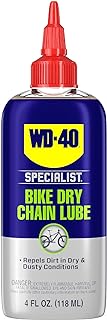

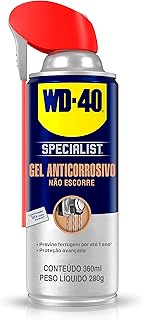

Corrosion protection: It offers some protection against rust and corrosion, beneficial for bike bearings exposed to moisture
WD-40's corrosion protection properties make it a valuable ally for bike bearings, especially those frequently exposed to moisture. The product forms a protective barrier that shields the metal from the elements, reducing the risk of rust and corrosion. This is particularly beneficial for cyclists who ride in wet conditions or live in humid climates, where moisture can quickly compromise the integrity of bike bearings.
To effectively use WD-40 for corrosion protection, cyclists should first clean their bike bearings thoroughly to remove any dirt or debris. Once the bearings are clean, a small amount of WD-40 can be applied directly to the metal. It's important to use a moderate amount, as excessive application can lead to a buildup of residue that may attract dirt and compromise the bearing's performance. After application, the WD-40 should be allowed to penetrate the metal for a few minutes before any excess is wiped away.
While WD-40 offers some protection against rust and corrosion, it's important to note that it is not a permanent solution. Cyclists should still take steps to minimize their bike's exposure to moisture, such as storing it in a dry place and using a bike cover when necessary. Additionally, regular maintenance, including cleaning and lubricating the bearings, is essential to ensure their longevity and optimal performance.
In summary, WD-40 can be a useful tool in the fight against rust and corrosion in bike bearings. When used correctly and in conjunction with other maintenance practices, it can help extend the life of bike bearings and keep them running smoothly. However, it's important to remember that WD-40 is not a silver bullet and should be used as part of a comprehensive bike maintenance routine.
Exploring the V-Star 1100: A Comprehensive Review for Motorcycle Enthusiasts
You may want to see also
Explore related products

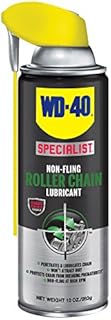
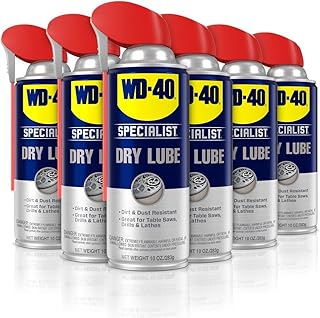


Penetration: WD-40's thin consistency allows it to penetrate deep into bearings, reaching inner components effectively
WD-40's unique formula is designed to penetrate deep into the bearings of your bike, ensuring that the lubricant reaches the inner components where it's most needed. This is particularly important for bike bearings, which are subject to constant friction and wear. By using WD-40, you can help to reduce this wear and tear, prolonging the life of your bike's bearings and ensuring smooth operation.
One of the key benefits of WD-40 is its ability to displace moisture, which can be a major cause of corrosion and damage in bike bearings. By penetrating deep into the bearings, WD-40 can help to drive out any moisture that may have accumulated, preventing rust and corrosion from taking hold. This is especially important for bikes that are used in wet or humid conditions, where moisture can be a constant problem.
In addition to its penetrating properties, WD-40 also contains a blend of lubricants and corrosion inhibitors that can help to protect your bike's bearings from damage. These ingredients work together to create a protective barrier that can help to prevent wear and tear, even under heavy use. This makes WD-40 an excellent choice for cyclists who want to keep their bikes in top condition.
When using WD-40 on your bike's bearings, it's important to apply it sparingly and to work it into the bearings thoroughly. This will ensure that the lubricant reaches all of the inner components and provides the maximum level of protection. It's also a good idea to clean your bike's bearings regularly to remove any dirt or debris that may have accumulated, as this can help to prevent damage and prolong the life of the bearings.
Overall, WD-40's penetrating properties make it an excellent choice for lubricating and protecting bike bearings. By using WD-40, you can help to ensure that your bike's bearings operate smoothly and efficiently, reducing wear and tear and prolonging the life of your bike.
Triathlon Bike for Commuting: Pros, Cons, and Practical Tips
You may want to see also
Explore related products


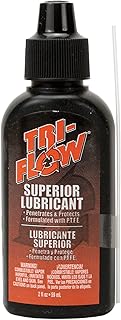


Residue: Leaves a residue that can attract dirt and grime, potentially leading to increased wear over time
WD-40, a popular lubricant, can indeed leave a residue on bike bearings. This residue, while initially beneficial for reducing friction, can over time attract dirt and grime. The accumulation of these particles can lead to increased wear and tear on the bearings, potentially reducing their lifespan. It's crucial for cyclists to understand this trade-off and to regularly clean and maintain their bike bearings to prevent long-term damage.
The residue left by WD-40 is typically a light, oily film that can be easily wiped away with a clean cloth. However, if left unchecked, this film can become a magnet for dust and other contaminants. These particles can then embed themselves into the bearing surfaces, causing abrasion and increasing the risk of bearing failure. Regular cleaning with a degreaser and a soft brush can help mitigate this risk, ensuring that the bearings remain in good working condition.
In addition to attracting dirt, the residue from WD-40 can also affect the performance of the lubricant itself. Over time, the buildup of grime can interfere with the lubricant's ability to reduce friction, leading to less efficient pedaling and potentially increased strain on the bike's drivetrain. To maintain optimal performance, cyclists should not only clean their bearings but also reapply lubricant as needed, ensuring that the bearings are properly protected against wear and corrosion.
It's worth noting that while WD-40 can be effective for bike bearings in the short term, there are other lubricants specifically designed for bicycle use that may offer better long-term performance. These specialized lubricants are formulated to withstand the unique demands of cycling, including exposure to dirt, moisture, and varying temperatures. Cyclists who are serious about maintaining their bikes may want to consider using one of these dedicated bicycle lubricants instead of WD-40.
In conclusion, while WD-40 can be a useful tool for lubricating bike bearings, its tendency to leave a residue that attracts dirt and grime means that cyclists must be diligent about regular cleaning and maintenance. By understanding the potential drawbacks of using WD-40 and taking steps to mitigate these risks, cyclists can help ensure that their bike bearings remain in good working condition for as long as possible.
Exploring Walmart's Winter Bike Options: A Comprehensive Review
You may want to see also
Explore related products


Alternatives: Specialized bike lubricants may offer better performance and longevity for bike bearings compared to WD-40
While WD-40 is a popular choice for lubricating bike bearings, specialized bike lubricants may offer superior performance and longevity. These lubricants are specifically formulated to withstand the unique demands of cycling, including exposure to dirt, grime, and varying temperatures. They often contain additives that enhance their ability to reduce friction and wear, leading to smoother rides and longer-lasting bearings.
One alternative to WD-40 is a synthetic lubricant, such as those made by brands like Shimano or SRAM. These lubricants are designed to provide a thin, consistent film that reduces friction without attracting dirt. They are also more resistant to water and moisture, which can be beneficial for riders who frequently encounter wet conditions. Another option is a ceramic lubricant, which contains tiny ceramic particles that help to reduce friction and wear. These lubricants are known for their durability and can provide excellent performance in a variety of conditions.
When choosing a specialized bike lubricant, it's important to consider the specific needs of your bike and riding style. For example, if you frequently ride in wet conditions, a water-resistant lubricant may be a good choice. If you're looking for a lubricant that will provide long-lasting performance, a ceramic lubricant may be worth considering. It's also important to follow the manufacturer's instructions for application and maintenance to ensure optimal performance.
In conclusion, while WD-40 can be a useful lubricant for bike bearings, specialized bike lubricants may offer better performance and longevity. By choosing a lubricant that is specifically formulated for cycling, riders can enjoy smoother rides and longer-lasting bearings, ultimately improving their overall cycling experience.
Lubricating Your Ride: The Benefits of WD-40 for Bike Chains
You may want to see also
Frequently asked questions
WD-40 is not the best choice for lubricating bike bearings. While it can provide temporary relief from squeaking, it's primarily a cleaning agent and doesn't offer the long-lasting lubrication that bearings need.
Using WD-40 on bike bearings can lead to several issues. It can wash away the existing lubricant, cause corrosion, and attract dirt and debris, which can further damage the bearings.
A better option for bike bearings is a dedicated bearing lubricant or a high-quality synthetic grease. These products are designed to provide long-lasting lubrication, resist corrosion, and repel dirt and moisture.
The frequency of lubrication depends on the riding conditions and the quality of the lubricant used. As a general rule, it's recommended to lubricate bike bearings every 100-200 miles or after cleaning the bike.