Ryan Cole

WD-40 is a popular multi-purpose lubricant known for its versatility in various applications, including bike maintenance. When it comes to bike degreasers, WD-40 can be effective in removing grease and grime from bike chains, gears, and other components. Its penetrating properties allow it to reach deep into the parts, loosening stubborn dirt and making it easier to clean. However, while WD-40 can serve as a bike degreaser, it's essential to note that it may not be as specialized or efficient as dedicated bike degreasers designed explicitly for this purpose. Some cyclists prefer using WD-40 for its convenience and availability, while others opt for more specialized products that offer better performance and are specifically formulated for bike maintenance.
Explore related products


What You'll Learn
- Effectiveness: WD-40's cleaning power and ability to remove grease and grime from bike parts
- Safety: Potential risks or precautions when using WD-40 on bicycle components and materials
- Environmental Impact: The eco-friendliness of WD-40 and its disposal considerations for bike maintenance
- Alternatives: Comparison with other bike degreasers and maintenance products available in the market
- User Reviews: Feedback and experiences from cyclists who have used WD-40 for bike maintenance

Effectiveness: WD-40's cleaning power and ability to remove grease and grime from bike parts
WD-40's cleaning power is often underestimated when it comes to bike maintenance. While it's commonly known for its lubricating properties, its ability to cut through grease and grime is equally impressive. The secret lies in its unique blend of solvents and surfactants, which work together to break down and lift away stubborn dirt and oil.
One of the key advantages of using WD-40 for bike cleaning is its versatility. It can be used on a wide range of components, from chains and gears to brakes and cables. This makes it an ideal choice for cyclists who want a single, go-to cleaner for their entire bike. Additionally, WD-40's fast-drying formula means that it won't leave behind a sticky residue, which can attract more dirt and grime over time.
However, it's important to note that WD-40 should be used with caution on certain bike parts. For example, it can damage some types of rubber seals and gaskets, so it's best to avoid using it on these components. Furthermore, while WD-40 is effective at removing surface dirt and grime, it may not be as effective at penetrating deep into heavily soiled areas.
To get the most out of WD-40's cleaning power, it's important to use it correctly. Start by spraying it directly onto the dirty area and allowing it to sit for a few minutes. This will give the solvents and surfactants time to work their magic. Then, use a clean rag or brush to scrub away the loosened dirt and grime. Finally, wipe down the area with a dry cloth to remove any remaining residue.
In conclusion, WD-40's cleaning power and ability to remove grease and grime from bike parts make it a valuable tool for any cyclist's maintenance arsenal. When used correctly and with caution, it can help keep your bike running smoothly and looking its best.
Exploring the V-Rod: A Comprehensive Review of Harley-Davidson's Unique Cruiser
You may want to see also
Explore related products




Safety: Potential risks or precautions when using WD-40 on bicycle components and materials
WD-40 is a popular multi-purpose lubricant and degreaser, often used for bicycle maintenance. However, it's essential to understand the potential risks and take necessary precautions when applying it to bicycle components and materials. One of the primary concerns is the risk of damaging certain materials, such as plastics, rubbers, and painted surfaces. WD-40 can cause these materials to degrade or become brittle over time, leading to cracks, breaks, or discoloration. To avoid this, it's crucial to test WD-40 on a small, inconspicuous area of the material before applying it to the entire component.
Another safety concern is the risk of fire or explosion when using WD-40 near heat sources or open flames. This is because WD-40 is a flammable substance and can ignite if exposed to high temperatures or sparks. To minimize this risk, always use WD-40 in a well-ventilated area, away from heat sources, and never use it near open flames or sparks. Additionally, it's important to store WD-40 in a cool, dry place, away from direct sunlight and heat sources.
When using WD-40 on bicycle components, it's also essential to consider the environmental impact. WD-40 can be harmful to the environment if it's washed off into waterways or soil. To prevent this, always use a drip tray or absorbent material when applying WD-40, and dispose of any excess or used product according to local regulations. Furthermore, it's important to use WD-40 sparingly and only apply it to the areas that need it, as excessive use can lead to waste and environmental contamination.
In terms of personal safety, it's important to wear protective gear when using WD-40, such as gloves and eye protection. This is because WD-40 can cause skin irritation or allergic reactions in some individuals, and it can also damage the eyes if it comes into contact with them. Additionally, it's important to avoid inhaling WD-40 fumes, as they can be harmful to the respiratory system. To minimize this risk, always use WD-40 in a well-ventilated area and avoid breathing in the fumes.
Finally, it's essential to consider the compatibility of WD-40 with other bicycle maintenance products. WD-40 can react with certain chemicals, such as brake fluid or gear oil, leading to damage or reduced effectiveness of the product. To avoid this, always read the labels of other maintenance products and check for compatibility with WD-40 before using them together.
In conclusion, while WD-40 can be a useful tool for bicycle maintenance, it's essential to understand the potential risks and take necessary precautions to ensure safe and effective use. By following these guidelines, cyclists can minimize the risks associated with using WD-40 and maintain their bicycles safely and responsibly.
Is the Versys 650 a Good Beginner Bike?
You may want to see also
Explore related products


Environmental Impact: The eco-friendliness of WD-40 and its disposal considerations for bike maintenance
WD-40 is a popular multi-purpose lubricant and degreaser commonly used in bike maintenance. However, its environmental impact is a growing concern among eco-conscious cyclists. The product contains petroleum-based solvents and other chemicals that can be harmful to the environment if not disposed of properly. When using WD-40 for bike maintenance, it's essential to consider its eco-friendliness and the proper disposal methods to minimize its environmental impact.
One of the main concerns with WD-40 is its potential to contaminate water sources. The chemicals in WD-40 can seep into the ground and enter waterways, harming aquatic life and potentially affecting human health. To prevent this, it's crucial to avoid using WD-40 near water sources and to dispose of any rags or materials used with WD-40 in a responsible manner. Many communities have hazardous waste disposal programs that can safely handle chemicals like those found in WD-40.
Another environmental consideration is the impact of WD-40 on soil and plant life. The petroleum-based solvents in WD-40 can damage soil structure and harm beneficial microorganisms, leading to long-term soil degradation. Additionally, WD-40 can be toxic to plants, causing leaf damage and stunted growth. To minimize these effects, it's important to use WD-40 sparingly and to avoid applying it directly to soil or plant life.
Despite these concerns, WD-40 can still be a useful tool in bike maintenance when used responsibly. Its degreasing properties can help remove stubborn grime and grease, and its lubricating properties can keep bike parts functioning smoothly. However, it's essential to consider alternative, eco-friendly products that can achieve similar results without the environmental risks.
In conclusion, while WD-40 can be an effective bike maintenance product, its environmental impact must be carefully considered. By using it sparingly, disposing of it properly, and exploring eco-friendly alternatives, cyclists can minimize the negative effects of WD-40 on the environment while still maintaining their bikes effectively.
Is the Triumph Bobber a Good First Bike? A Comprehensive Review
You may want to see also
Explore related products




Alternatives: Comparison with other bike degreasers and maintenance products available in the market
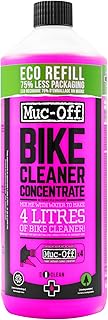
When evaluating the effectiveness of WD-40 Bike Degreaser, it's essential to consider how it stacks up against other products in the market. One popular alternative is Muc-Off Bike Cleaner, which is specifically formulated for bicycles and is known for its ability to cut through grime and grease without damaging the bike's components. Another option is Simple Green Bike Cleaner & Degreaser, an eco-friendly choice that uses plant-based ingredients to clean and degrease.
In terms of performance, WD-40 Bike Degreaser is often praised for its quick-acting formula that can penetrate and break down stubborn grease and grime. However, some users find that it can be too harsh on certain bike parts, such as rubber seals and plastics. Muc-Off, on the other hand, is gentler on bike components but may require more elbow grease to achieve the same level of cleanliness. Simple Green offers a good balance between effectiveness and gentleness, making it a suitable choice for regular maintenance.
When it comes to application, WD-40 Bike Degreaser is typically sprayed directly onto the dirty parts of the bike, while Muc-Off and Simple Green are often applied using a brush or sponge. This difference in application methods can affect the overall cleaning experience, with some users preferring the convenience of a spray, while others appreciate the control offered by a brush or sponge.
In conclusion, while WD-40 Bike Degreaser is a popular choice for bike maintenance, it's important to consider the specific needs of your bike and your personal preferences when choosing a degreaser. Alternatives like Muc-Off and Simple Green offer different benefits and may be more suitable for certain types of bikes or cleaning tasks.
Exploring Venzo Bikes: A Comprehensive Review of Quality and Performance
You may want to see also
Explore related products


User Reviews: Feedback and experiences from cyclists who have used WD-40 for bike maintenance
Cyclists often turn to WD-40 as a go-to solution for bike maintenance, and user reviews provide valuable insights into its effectiveness. One common theme in these reviews is the product's versatility. Many users praise WD-40 for its ability to not only degrease but also to lubricate and protect various bike components. For instance, a reviewer on a popular cycling forum noted that WD-40 helped remove stubborn grime from their bike chain, while another user mentioned its effectiveness in preventing rust on metal parts.
However, not all reviews are positive. Some cyclists have expressed concerns about the product's impact on the environment and its potential to attract more dirt in the long run. A user on an eco-friendly cycling blog criticized WD-40 for its petroleum-based formula, suggesting that it may not be the most sustainable option for bike maintenance. Another reviewer on a mountain biking forum warned that while WD-40 can provide a quick fix, it may lead to a buildup of dirt and grime over time, requiring more frequent cleaning.
Despite these mixed reviews, many cyclists continue to swear by WD-40 for its convenience and ease of use. A user on a road cycling forum highlighted the product's ability to quickly clean and lubricate the bike chain, saving time and effort. Another reviewer on a beginner's cycling blog appreciated the product's affordability and availability, making it a practical choice for those new to bike maintenance.
In conclusion, user reviews of WD-40 for bike maintenance reveal a product that is both versatile and effective, yet not without its drawbacks. Cyclists who value convenience and affordability may find WD-40 to be a useful addition to their maintenance toolkit, while those who prioritize environmental sustainability may wish to explore alternative options. Ultimately, the decision to use WD-40 for bike maintenance depends on individual preferences and priorities.
Rev Up Your Fitness: The Benefits of Upright Bike Workouts
You may want to see also
Frequently asked questions
Yes, WD-40 Bike Degreaser is effective for cleaning bicycle chains. It helps to remove grease, grime, and dirt, leaving the chain clean and lubricated.
Yes, WD-40 Bike Degreaser can be used on other parts of the bicycle such as gears, derailleurs, and brakes. It helps to clean and lubricate these components, improving their performance.
WD-40 Bike Degreaser should be used regularly as part of your bicycle maintenance routine. The frequency depends on how often you ride and the conditions you ride in, but a general guideline is to clean and lubricate your bike chain every 100-200 miles.
Yes, WD-40 Bike Degreaser is safe for use on all types of bicycle chains, including metal and plastic chains. It is formulated to be gentle on the chain while effectively removing grease and grime.
WD-40 Bike Degreaser has several benefits compared to other cleaning products. It is specifically formulated for bicycles, it is easy to use, it effectively removes grease and grime, and it leaves a protective layer of lubrication on the chain and other components.