Matthew Brooks

WD-40 is a well-known multi-purpose lubricant that comes in both spray and gel forms. It's widely used for various applications, including household items, automotive parts, and even sports equipment. When it comes to sports bikes, the suitability of WD-40 depends on the specific needs and conditions of the bike. While WD-40 can provide temporary relief from squeaks and minor friction, it's not specifically formulated for the high-performance demands of sports bikes. These bikes often require specialized lubricants that can withstand high temperatures, pressures, and the rigors of aggressive riding. Additionally, WD-40's solvent properties can potentially harm certain materials or coatings on sports bike components. Therefore, while WD-40 might be a quick fix for minor issues, it's generally recommended to use lubricants specifically designed for sports bikes to ensure optimal performance and longevity.
Explore related products


What You'll Learn
- Lubrication Efficiency: Does WD-40 provide adequate lubrication for sports bike chains and gears
- Corrosion Protection: Can WD-40 protect sports bike components from rust and corrosion
- Performance Impact: How does WD-40 affect the performance and speed of sports bikes
- Compatibility: Is WD-40 compatible with all sports bike materials and components
- Maintenance Tips: Best practices for using WD-40 on sports bikes for optimal results

Lubrication Efficiency: Does WD-40 provide adequate lubrication for sports bike chains and gears?
WD-40 is a popular multi-purpose lubricant known for its versatility in various applications, including household items and machinery. However, when it comes to sports bike chains and gears, the question of whether WD-40 provides adequate lubrication is a topic of debate among enthusiasts and mechanics.
One of the primary concerns with using WD-40 on sports bike chains and gears is its composition. WD-40 is primarily a solvent-based product with a low viscosity, which means it may not provide the same level of lubrication as dedicated chain lubricants. These specialized lubricants are designed to penetrate the rollers and pins of the chain, providing a protective film that reduces friction and wear. In contrast, WD-40 may evaporate quickly, leaving behind a residue that can attract dirt and debris, potentially leading to increased wear and tear on the chain and gears.
Another factor to consider is the specific needs of sports bike chains and gears. These components are subject to high stress and require a lubricant that can withstand extreme pressures and temperatures. While WD-40 may provide some level of lubrication, it may not be sufficient to protect the chain and gears from damage under these conditions. Dedicated chain lubricants, on the other hand, are formulated to meet these specific requirements, offering better performance and protection.
Despite these concerns, some sports bike owners may still choose to use WD-40 as a temporary solution or for maintenance tasks such as cleaning and loosening stuck parts. However, it is important to note that using WD-40 as a primary lubricant for sports bike chains and gears may not be the best choice for long-term performance and protection.
In conclusion, while WD-40 may have its uses in sports bike maintenance, it is not recommended as a primary lubricant for chains and gears due to its composition and the specific needs of these components. For optimal performance and protection, it is advisable to use a dedicated chain lubricant designed for sports bikes.
Exploring the Pros and Cons: Is the TVS Radeon a Good Bike?
You may want to see also
Explore related products
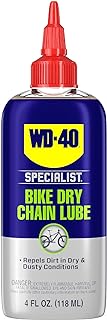


Corrosion Protection: Can WD-40 protect sports bike components from rust and corrosion?
WD-40 is a popular multi-purpose lubricant known for its ability to protect metal components from rust and corrosion. For sports bike owners, the question of whether WD-40 can effectively safeguard their bike's components from the damaging effects of moisture and road salt is a pertinent one. The good news is that WD-40 does indeed have corrosion-inhibiting properties that can help protect sports bike components.
One of the key ingredients in WD-40 is a blend of antioxidants and corrosion inhibitors that work to prevent the oxidation process that leads to rust. By displacing moisture and creating a protective barrier on metal surfaces, WD-40 can help to prevent corrosion from taking hold. This is particularly important for sports bikes, which are often exposed to harsh weather conditions and road salt during winter months.
To effectively use WD-40 for corrosion protection on a sports bike, it's important to follow a few key steps. First, ensure that the bike is clean and dry before applying the lubricant. This will help to prevent the WD-40 from trapping moisture against the metal surfaces, which could actually accelerate corrosion. Next, apply a thin layer of WD-40 to the metal components that are most susceptible to rust, such as the chain, sprockets, and brake components. Be sure to avoid applying too much lubricant, as this can attract dirt and debris, leading to further corrosion.
While WD-40 can be an effective tool in the fight against corrosion, it's important to note that it is not a permanent solution. Regular maintenance and reapplication of the lubricant will be necessary to ensure ongoing protection. Additionally, WD-40 should not be used as a substitute for proper cleaning and lubrication of the bike's components.
In conclusion, WD-40 can be a useful addition to a sports bike owner's maintenance arsenal, providing an extra layer of protection against rust and corrosion. However, it's important to use the lubricant correctly and in conjunction with regular cleaning and maintenance to ensure the best possible results.
Exploring the Trek Verve 1: A Comprehensive Review for Cycling Enthusiasts
You may want to see also
Explore related products


Performance Impact: How does WD-40 affect the performance and speed of sports bikes?
WD-40 is a popular lubricant known for its versatility, but its use on sports bikes is a topic of debate among enthusiasts and mechanics. While some swear by its ability to reduce friction and improve performance, others argue that it's not suitable for the high-precision components of modern sports bikes.
One of the primary concerns with using WD-40 on sports bikes is its potential to attract dirt and debris. The lubricant's sticky nature can cause grime to accumulate on the bike's chain, gears, and other moving parts, leading to increased wear and tear. This can ultimately result in reduced performance and speed, as the bike's components become less efficient.
Furthermore, WD-40 is not specifically formulated for the high-temperature and high-pressure environments found in sports bike engines. As a result, it may break down under these conditions, losing its lubricating properties and potentially causing damage to the engine.
On the other hand, some sports bike owners have reported positive results with using WD-40. They claim that the lubricant can help to reduce friction and improve the bike's acceleration and top speed. However, these anecdotal reports should be taken with a grain of salt, as they are not supported by scientific evidence.
In conclusion, while WD-40 may have its uses in other applications, it's not recommended for use on sports bikes. The potential risks of dirt accumulation and lubricant breakdown outweigh any perceived benefits. Instead, sports bike owners should opt for specialized lubricants that are specifically designed for high-performance engines and components.
Exploring the Quality and Performance of Viribus Bikes: A Comprehensive Review
You may want to see also
Explore related products


Compatibility: Is WD-40 compatible with all sports bike materials and components?
WD-40 is a popular lubricant and penetrating oil used for various mechanical and household applications. However, when it comes to sports bikes, compatibility is a crucial factor to consider. While WD-40 can be used on some parts of a sports bike, it is not universally compatible with all materials and components.
One of the primary concerns with using WD-40 on sports bikes is its potential to damage certain materials. For instance, WD-40 should not be used on rubber components, such as tires, seals, or gaskets, as it can cause them to deteriorate. Additionally, WD-40 is not suitable for use on certain plastics or painted surfaces, as it can cause discoloration or damage.
When it comes to metal components, WD-40 can be used as a temporary solution to reduce friction and wear. However, it is not a long-term lubricant and should not be used as a substitute for a proper chain lubricant or bearing grease. In fact, using WD-40 on a sports bike chain can actually attract dirt and debris, leading to increased wear and reduced performance.
For optimal performance and longevity, it is recommended to use lubricants specifically designed for sports bikes. These lubricants are formulated to withstand the high temperatures and pressures experienced by sports bike components, and they provide superior protection against wear and corrosion.
In conclusion, while WD-40 can be a useful tool in a pinch, it is not a universally compatible lubricant for sports bikes. It is important to use the right lubricants for the specific components and materials of your sports bike to ensure optimal performance and longevity.
Exploring the Trek X-Caliber 8: A Comprehensive Review
You may want to see also
Explore related products
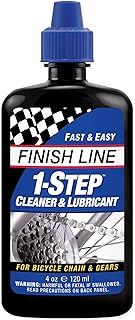


Maintenance Tips: Best practices for using WD-40 on sports bikes for optimal results
WD-40 is a versatile lubricant that can be used on sports bikes, but it's essential to understand the best practices for its application to ensure optimal results. One of the key benefits of WD-40 is its ability to displace moisture, which can help prevent rust and corrosion on metal parts. However, it's important to note that WD-40 is not a heavy-duty lubricant, so it may not be suitable for all applications on a sports bike.
When using WD-40 on a sports bike, it's best to apply it in moderation. Over-application can lead to a buildup of residue, which can attract dirt and debris, ultimately causing more harm than good. Focus on applying WD-40 to areas that are prone to rust and corrosion, such as the chain, hinges, and pivot points. It's also a good idea to use WD-40 to lubricate the bike's cables, as this can help improve shifting performance.
One of the unique features of WD-40 is its ability to penetrate tight spaces, making it an excellent choice for lubricating hard-to-reach areas on a sports bike. However, this also means that it's important to be careful when applying WD-40 to avoid getting it on areas that don't require lubrication, such as the brakes or the tires.
In terms of frequency, it's generally recommended to apply WD-40 to a sports bike after each ride, especially if the bike has been exposed to moisture. However, this may vary depending on the specific conditions in which the bike is ridden. For example, if the bike is frequently ridden in wet or humid conditions, it may be necessary to apply WD-40 more often.
Overall, WD-40 can be a useful tool in maintaining a sports bike, but it's important to use it correctly to avoid potential problems. By following these best practices, you can help ensure that your sports bike remains in top condition for years to come.
Exploring Wakrays Bikes: A Comprehensive Review of Quality and Performance
You may want to see also
Frequently asked questions
WD-40 is a versatile lubricant that can be used on sports bikes, but it's important to apply it sparingly and avoid spraying it directly onto the chain or other moving parts while the bike is in operation. It's best used for spot lubrication on hinges, pivots, and other non-moving parts.
WD-40 can help to lubricate and protect various components of a sports bike, such as hinges, pivots, and cables. It can also help to prevent rust and corrosion, and make it easier to clean the bike.
One potential drawback of using WD-40 on a sports bike is that it can attract dirt and grime, which can lead to a buildup of debris on the bike's components. Additionally, if used excessively or improperly, it can interfere with the bike's performance.
There are several alternative lubricants that might be better suited for sports bikes, such as silicone-based lubricants or specialized bike lubricants. These products are designed specifically for use on bikes and can provide better performance and protection than WD-40.