Matthew Brooks
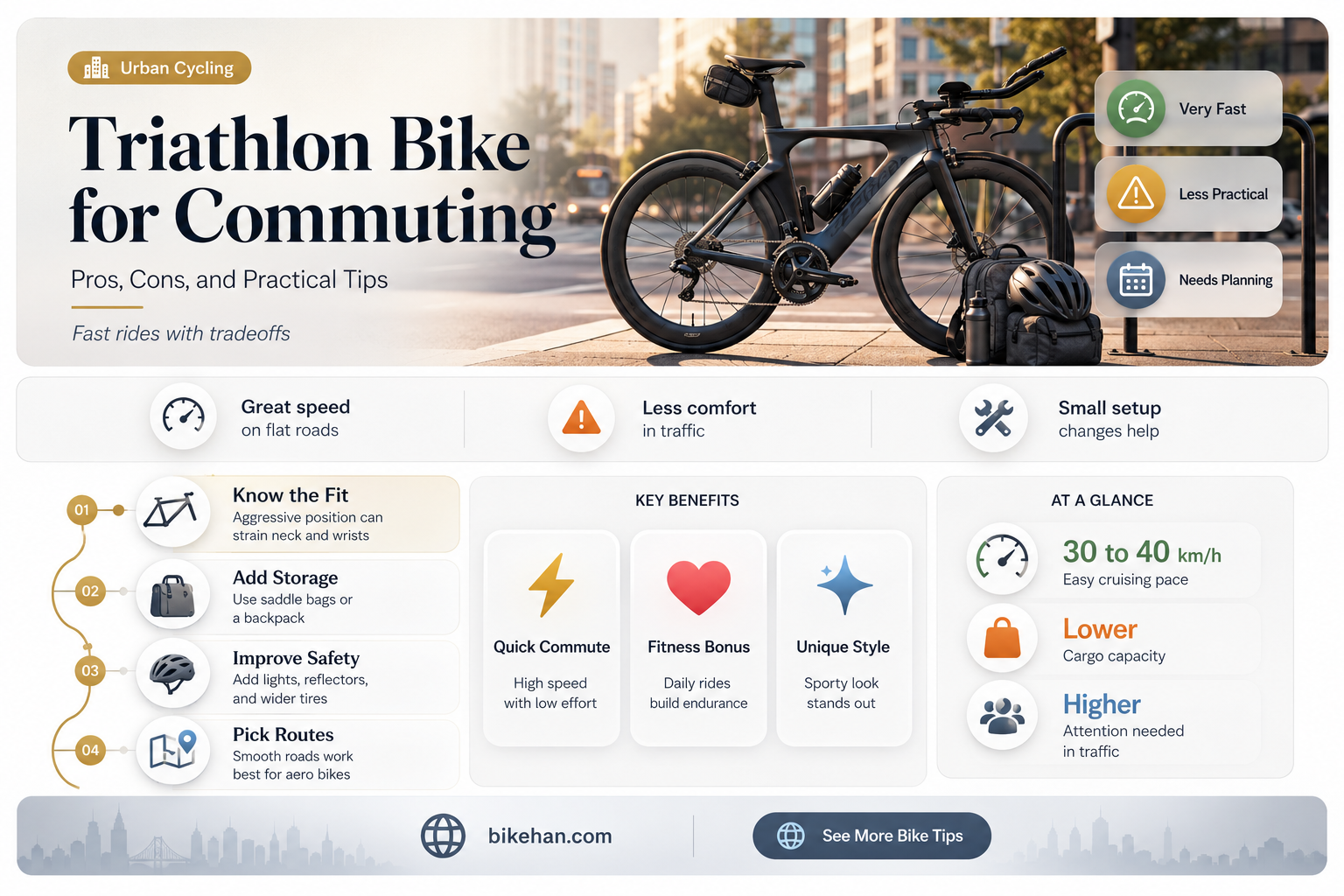
Triathlon bikes, designed for competitive multisport events, offer unique features that can make them suitable for commuting. Their aerodynamic frames and riding position can provide an efficient and fast travel option for those looking to cover longer distances quickly. However, the suitability of a triathlon bike for commuting also depends on various factors such as road conditions, personal comfort, and the need for carrying additional items. This article explores the pros and cons of using a triathlon bike for daily commuting, helping you decide if it's the right choice for your needs.
Explore related products


What You'll Learn
- Comfort and Efficiency: Triathlon bikes prioritize aerodynamics over comfort, which may affect commuting enjoyment and practicality
- Speed and Performance: These bikes are designed for racing, offering superior speed and handling, potentially enhancing commute times
- Durability and Maintenance: Triathlon bikes often feature high-quality components, but may require more frequent maintenance due to their specialized nature
- Safety Considerations: The aggressive riding position on a triathlon bike can impact visibility and control, important factors for safe commuting
- Cost and Value: Triathlon bikes tend to be more expensive than standard road bikes, raising questions about their value for daily commuting

Comfort and Efficiency: Triathlon bikes prioritize aerodynamics over comfort, which may affect commuting enjoyment and practicality
Triathlon bikes are engineered for speed and efficiency, with a design that prioritizes aerodynamics over comfort. This focus on performance can make them less suitable for commuting, where comfort and practicality are often more important. The aggressive riding position on a triathlon bike, which is optimized for reducing air resistance, can lead to discomfort during longer rides, especially for those who are not accustomed to such a posture. Additionally, the narrow tires and lightweight frame, while beneficial for racing, may not provide the necessary stability and cushioning for rough urban roads.
Despite these potential drawbacks, triathlon bikes can still be used for commuting, particularly for shorter distances or by experienced riders who are comfortable with the aggressive riding position. The aerodynamic design can make it easier to maintain higher speeds with less effort, which can be advantageous for those looking to minimize their travel time. However, it is important to consider the trade-offs between speed and comfort when choosing a triathlon bike for commuting. Riders may need to invest in additional accessories, such as more comfortable saddles or handlebar risers, to improve the bike's ergonomics for longer rides.
Ultimately, the suitability of a triathlon bike for commuting depends on the individual rider's preferences and needs. Those who prioritize speed and efficiency may find a triathlon bike to be an excellent choice, while others who value comfort and practicality may need to look elsewhere. It is essential to test ride different types of bikes and consider factors such as distance, road conditions, and personal comfort levels before making a decision.
Exploring the Pros and Cons: Is the Trek Bike Worth It?
You may want to see also
Explore related products

$599.99

$36.89 $40.99


$799.99 $1199.99


Speed and Performance: These bikes are designed for racing, offering superior speed and handling, potentially enhancing commute times
Triathlon bikes are engineered with a focus on aerodynamics and speed, making them an attractive option for commuters looking to shave off precious minutes from their daily travel time. The design elements that contribute to their superior performance include a lightweight frame, narrow tires for reduced rolling resistance, and an aggressive riding position that minimizes air resistance. These features allow triathlon bikes to achieve higher speeds with less effort, which can be particularly beneficial for longer commutes.
One of the key advantages of using a triathlon bike for commuting is its ability to maintain high speeds even in challenging conditions. The aerodynamic design helps to cut through headwinds, while the lightweight frame makes it easier to accelerate and climb hills. Additionally, the narrow tires provide better traction on wet or slippery surfaces, ensuring a safer and more efficient ride.
However, it's important to note that the aggressive riding position of a triathlon bike may not be comfortable for all commuters, especially those who prefer a more upright posture. This position can put strain on the back and shoulders over long distances, potentially leading to discomfort or injury. Furthermore, the high-performance nature of triathlon bikes often comes with a higher price tag, which may not be justifiable for all commuters.
In conclusion, triathlon bikes can be an excellent choice for commuters who prioritize speed and performance. Their aerodynamic design, lightweight frame, and narrow tires make them well-suited for achieving high speeds and maintaining efficiency in various conditions. However, potential buyers should carefully consider the aggressive riding position and higher cost associated with these bikes to ensure they are the right fit for their commuting needs.
Exploring the Performance of Tri Flow Bike Chain Oil
You may want to see also
Explore related products


Durability and Maintenance: Triathlon bikes often feature high-quality components, but may require more frequent maintenance due to their specialized nature
Triathlon bikes are engineered for peak performance in competitive settings, which often translates to high-quality components that can withstand the rigors of intense training and racing. However, this specialized nature also means that they may require more frequent maintenance compared to standard road bikes. For instance, the aerodynamic features and aggressive riding position can put additional stress on certain parts, such as the chain, derailleurs, and brake pads, necessitating more regular inspections and replacements.
One of the key aspects of maintaining a triathlon bike is ensuring that the chain is clean and well-lubricated. Due to the high-speed and high-cadence nature of triathlon riding, chains can wear out more quickly. It's recommended to clean the chain after every ride and apply a high-quality lubricant to reduce friction and prolong its lifespan. Additionally, the derailleurs and brake pads should be inspected regularly for signs of wear and replaced as needed to maintain optimal shifting and braking performance.
Another consideration is the bike's aerodynamic components, such as the aero bars and wheels. These parts are designed to reduce drag and improve speed, but they can also be more susceptible to damage from road debris or in the event of a crash. Regularly checking these components for any signs of damage or wear is crucial to ensure they continue to function effectively and safely.
In terms of durability, triathlon bikes are generally built to last, with many models featuring robust frames and high-end materials like carbon fiber. However, the aggressive riding position and the stress of high-speed cycling can take a toll on the bike over time. It's important to have the bike professionally serviced at least once a year to check for any potential issues with the frame, wheels, and other components.
Overall, while triathlon bikes may require more frequent maintenance due to their specialized nature, proper care and attention can help ensure that they remain in top condition for years to come. By staying on top of regular maintenance tasks and addressing any issues promptly, triathlon bike owners can enjoy the benefits of these high-performance machines while minimizing the risks of breakdowns or accidents.
Exploring the Trek X-Caliber 8: A Comprehensive Review
You may want to see also
Explore related products


Safety Considerations: The aggressive riding position on a triathlon bike can impact visibility and control, important factors for safe commuting
The aggressive riding position on a triathlon bike, characterized by a forward-leaning posture and low handlebars, can significantly impact a rider's visibility and control, which are crucial for safe commuting. This position, while aerodynamic and efficient for racing, may not be ideal for navigating through traffic or busy urban environments.
One of the primary safety concerns is reduced visibility. When riding in an aggressive position, the rider's head is lowered, which can limit their ability to see and be seen by other road users. This can be particularly problematic at intersections or when merging with traffic, as drivers may not notice the cyclist until it's too late. Additionally, the low handlebars can make it difficult for the rider to use hand signals effectively, further complicating communication with other road users.
Control is another critical factor affected by the aggressive riding position. The forward-leaning posture and stretched-out arms can make it challenging to maneuver the bike quickly and precisely, especially in tight spaces or when avoiding obstacles. This can increase the risk of accidents, as the rider may not be able to react fast enough to changing road conditions or the actions of other road users.
To mitigate these safety concerns, commuters using triathlon bikes should consider adopting a more upright riding position, at least when navigating through traffic or busy areas. This can be achieved by raising the handlebars or using aero bars that allow for a more relaxed posture. Additionally, riders should be extra vigilant about their surroundings, using mirrors or cameras to improve their visibility and awareness of other road users.
In conclusion, while triathlon bikes can be an efficient and enjoyable option for commuting, the aggressive riding position they promote can pose safety risks. By being aware of these risks and taking steps to address them, commuters can enjoy the benefits of a triathlon bike while minimizing the potential dangers.
Exploring the Benefits of Tri-Flow for Bike Chain Maintenance
You may want to see also
Explore related products


Cost and Value: Triathlon bikes tend to be more expensive than standard road bikes, raising questions about their value for daily commuting
Triathlon bikes, with their sleek designs and advanced features, often come with a hefty price tag that surpasses that of standard road bikes. This raises a pertinent question for daily commuters: Is the additional cost justified by the value these bikes offer? To answer this, we need to delve into the specifics of what makes a triathlon bike unique and whether those features align with the needs of a typical commuter.
One of the primary factors contributing to the higher cost of triathlon bikes is their specialized design. These bikes are engineered for speed and efficiency in competitive settings, featuring aerodynamic frames, advanced gearing systems, and lightweight materials. While these characteristics can enhance performance, they may not necessarily translate to practical benefits for daily commuting. For instance, the aggressive riding position typical of triathlon bikes might not be as comfortable for long rides in urban environments, where frequent stops and starts are common.
Another aspect to consider is the maintenance and durability of triathlon bikes. Given their high-performance components, these bikes may require more frequent and costly maintenance compared to standard road bikes. Additionally, the specialized parts might be harder to replace or repair, potentially leading to longer downtimes and higher overall costs. For commuters who rely on their bikes for daily transportation, these factors could significantly impact the bike's value proposition.
However, it's also important to note that triathlon bikes can offer certain advantages for commuters. For example, their lightweight construction can make them easier to carry up stairs or onto public transportation. The aerodynamic design might also provide a slight speed boost, which could be beneficial for those with longer commutes. Furthermore, the advanced gearing systems can offer a smoother and more efficient ride, particularly in hilly areas.
Ultimately, the value of a triathlon bike for daily commuting depends on the individual's specific needs and preferences. While these bikes undoubtedly offer high-performance features, their cost and specialized design may not align with the practical requirements of most commuters. Therefore, it's crucial to weigh the benefits against the costs and consider alternative options, such as hybrid or commuter-specific bikes, which might provide a better balance of performance, comfort, and affordability for daily use.
Exploring the Trek Skye: A Comprehensive Review for Cycling Enthusiasts
You may want to see also
Frequently asked questions
Triathlon bikes are designed for racing and may not be the most comfortable or practical choice for daily commuting. They have an aggressive riding position that can be tiring over long distances and lack the accessories needed for commuting, such as fenders and racks.
While you can use a triathlon bike for casual rides, it may not be the most enjoyable experience. Triathlon bikes are built for speed and efficiency in racing conditions, which means they can be less comfortable and more challenging to maneuver in urban environments.
Triathlon bikes are designed for racing and have an aerodynamic frame, aggressive riding position, and lightweight components. Commuter bikes, on the other hand, are built for comfort and practicality, with features like fenders, racks, and a more upright riding position.
To make a triathlon bike more suitable for commuting, you can consider adding fenders to protect against road spray, installing a rack or panniers for carrying gear, and using more comfortable handlebars or grips. You may also want to adjust the saddle height and position for a more upright riding posture.