Lauren Kennedy
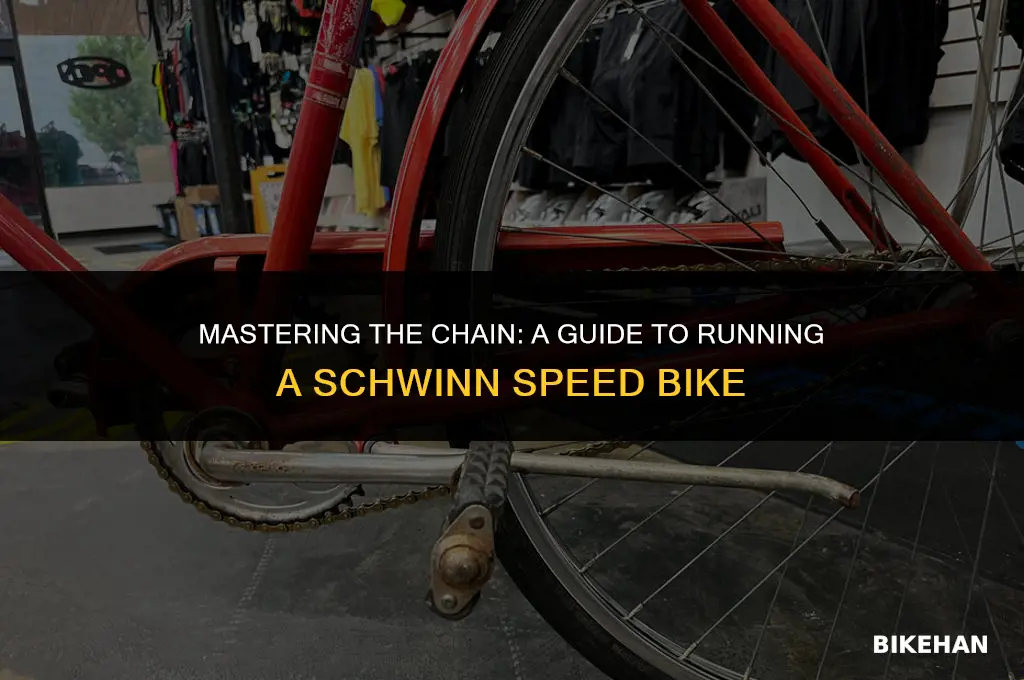
Running a chain on a Schwinn speed bike involves several key steps to ensure smooth and efficient operation. First, it's essential to select the appropriate chain size and type compatible with your specific Schwinn model. Once you have the correct chain, you'll need to remove the old chain if applicable, which typically involves using a chain tool to push out the pins. Next, thread the new chain through the derailleur and around the cassette and chainrings, ensuring proper alignment and tension. Finally, secure the chain by reinserting the pins and lubricate it to reduce friction and wear. Regular maintenance, including cleaning and lubrication, is crucial to prolong the life of your chain and keep your Schwinn speed bike performing optimally.
Explore related products




What You'll Learn
- Adjusting the Chain: Ensure proper tension and alignment for smooth pedaling and efficient power transfer
- Lubricating the Chain: Regular maintenance to reduce friction, prevent rust, and prolong chain life
- Chain Replacement: Steps to safely remove and install a new chain when wear and tear necessitate
- Gear Shifting: Techniques for seamless gear changes to optimize performance and riding comfort
- Chain Cleaning: Methods to keep the chain free from dirt and grime, ensuring longevity and reliability

Adjusting the Chain: Ensure proper tension and alignment for smooth pedaling and efficient power transfer
To ensure proper tension and alignment of the chain on a Schwinn speed bike, it's crucial to follow a methodical approach. Begin by checking the chain's tension. A properly tensioned chain should have a slight give when pressed in the middle of its longest span. If the chain is too loose, it can slip off the gears; if it's too tight, it can cause excessive wear and make pedaling difficult. To adjust the tension, use the barrel adjuster on the derailleur. Turn it clockwise to increase tension and counterclockwise to decrease it. Make small adjustments and frequently check the tension until it's correct.
Next, ensure the chain is properly aligned with the gears. Misalignment can lead to inefficient power transfer and increased wear on both the chain and the gears. To check alignment, visually inspect the chain as it runs through the derailleur and onto the gears. It should run straight and not rub against any part of the derailleur or frame. If the chain is misaligned, adjust the derailleur's limit screws. The high limit screw controls how far the derailleur moves outward, while the low limit screw controls how far it moves inward. Turn the screws to fine-tune the derailleur's position and ensure the chain runs smoothly through all gears.
Smooth pedaling is also dependent on the chain's lubrication. A well-lubricated chain reduces friction and wear, allowing for more efficient power transfer. To lubricate the chain, apply a small amount of chain lube to each roller while slowly rotating the pedals backward. Wipe off any excess lube with a clean rag to prevent dirt buildup. It's important to lubricate the chain regularly, especially after riding in wet or dirty conditions.
In addition to tension, alignment, and lubrication, it's essential to periodically inspect the chain for wear and damage. A worn or damaged chain can break unexpectedly, leading to potential injury. To inspect the chain, look for signs of wear such as stretched links, rust, or bent rollers. If you notice any damage, replace the chain immediately. Regular maintenance, including proper tension, alignment, lubrication, and inspection, will ensure smooth pedaling and efficient power transfer on your Schwinn speed bike.
Mastering Bike Maintenance: A Guide to Replacing Your Shimano Chain
You may want to see also
Explore related products


Lubricating the Chain: Regular maintenance to reduce friction, prevent rust, and prolong chain life
Regular maintenance of your Schwinn speed bike's chain is crucial for ensuring smooth rides and prolonging the life of your bicycle. Lubricating the chain is a key part of this maintenance routine, as it helps to reduce friction, prevent rust, and keep the chain running efficiently. To lubricate your chain effectively, start by cleaning it thoroughly to remove any dirt, grime, or old lubricant. You can use a chain cleaning device or simply wipe the chain down with a clean rag and mild detergent.
Once the chain is clean and dry, apply a small amount of lubricant to each roller as you slowly rotate the pedals backward. Be sure to use a lubricant specifically designed for bicycle chains, as other types of lubricants may not be suitable. Avoid over-lubricating the chain, as this can attract dirt and lead to a buildup of grime. After lubricating the chain, allow it to sit for a few minutes before wiping off any excess lubricant with a clean rag.
In addition to regular lubrication, it's important to inspect your chain for signs of wear and tear. A worn chain can cause damage to your bike's gears and sprockets, leading to costly repairs. To check your chain's condition, look for any signs of rust, corrosion, or excessive wear on the rollers and pins. If you notice any of these signs, it's time to replace your chain.
Another important aspect of chain maintenance is proper storage. When not in use, store your bike in a dry, clean environment to prevent rust and corrosion. If you live in a humid climate, consider using a chain guard or covering your bike with a protective cover to keep it dry.
By following these simple steps, you can keep your Schwinn speed bike's chain running smoothly and efficiently, ensuring a safe and enjoyable riding experience. Remember, regular maintenance is key to prolonging the life of your bicycle and avoiding costly repairs down the road.
Resizing Your Bike Chain with a Master Link: A Step-by-Step Guide
You may want to see also
Explore related products

$9.91 $12.39


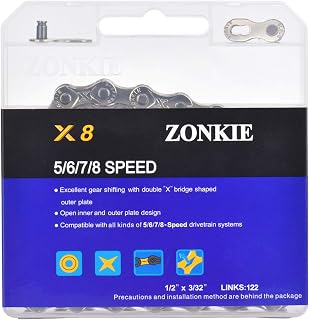
Chain Replacement: Steps to safely remove and install a new chain when wear and tear necessitate
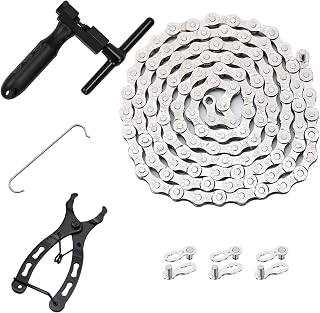
To replace a worn-out chain on a Schwinn speed bike, begin by ensuring the bike is securely positioned on a stand or against a stable surface to prevent it from falling during the process. Next, use a chain tool to push out the pins of the old chain, starting from the rear derailleur and working your way forward. Be cautious not to push the pins out completely, as you'll need to reuse them for the new chain. Once the old chain is removed, inspect the bike's drivetrain for any signs of wear or damage that may have contributed to the chain's deterioration. Clean the drivetrain thoroughly to remove any dirt or debris that could affect the performance of the new chain.
When installing the new chain, start by threading it through the front chainring and then the rear derailleur. Ensure the chain is properly aligned with the teeth of the chainrings and the jockey wheels of the derailleur. Once the chain is in place, use the chain tool to insert the pins back into the chain, making sure they are securely fastened. After the new chain is installed, shift the bike through its gears to ensure smooth operation. If the chain skips or hesitates, it may be necessary to adjust the derailleur or the chain tension.
It's important to note that chain replacement is a critical maintenance task that should be performed regularly to ensure the longevity and performance of your Schwinn speed bike. A worn-out chain can cause damage to the chainrings and derailleur, leading to more costly repairs down the line. By following these steps and maintaining your bike's drivetrain, you can enjoy a smooth and efficient ride for years to come.
Mastering Bike Maintenance: A Guide to Chain Repair
You may want to see also
Explore related products
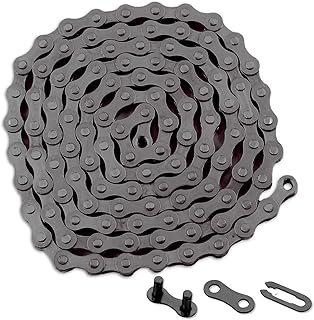


Gear Shifting: Techniques for seamless gear changes to optimize performance and riding comfort
To shift gears seamlessly on a Schwinn speed bike, it's crucial to understand the mechanics of the derailleur system. The derailleur is the component that moves the chain between sprockets, allowing you to change gears. Familiarize yourself with the layout of your bike's gears, noting the largest and smallest sprockets on both the front and rear cassettes. This knowledge will help you anticipate gear changes and execute them smoothly.
When initiating a gear shift, it's important to apply consistent pressure to the pedals while simultaneously moving the gear shifter. For a smooth transition, avoid sudden movements and instead opt for a gentle, rolling motion. This technique ensures that the chain has enough tension to move cleanly between gears without slipping or causing unnecessary wear.
One common mistake riders make is attempting to shift gears while pedaling at a high cadence. To prevent this, try to time your gear shifts during moments of lower pedal speed, such as when approaching a stop sign or during a brief pause in your ride. This allows the chain to move more easily between sprockets and reduces the risk of chain slippage or damage.
Another key aspect of seamless gear shifting is maintaining proper chain tension. A loose chain can cause the chain to skip gears or make noise, while an overly tight chain can lead to increased wear and tear on both the chain and the sprockets. Regularly check your chain tension and adjust as necessary to ensure smooth gear changes and optimal performance.
Finally, practice makes perfect. Spend time riding your Schwinn speed bike and experimenting with different gear shifting techniques. Over time, you'll develop a feel for how your bike responds to various inputs and be able to execute gear changes with greater precision and confidence. Remember, the goal is to find a rhythm that works for you and your bike, allowing you to ride efficiently and comfortably.
Mastering Bike Maintenance: The Essential Guide to Resizing Your Chain
You may want to see also
Explore related products


Chain Cleaning: Methods to keep the chain free from dirt and grime, ensuring longevity and reliability
Regular chain cleaning is essential for maintaining the performance and longevity of your Schwinn speed bike. Dirt and grime can accumulate quickly, leading to increased wear and tear, reduced efficiency, and potential damage to the chain and other components. To keep your chain in top condition, it's important to develop a routine cleaning schedule and use the right tools and techniques.
One effective method for cleaning your bike chain is to use a chain cleaning device. These devices are specifically designed to remove dirt and grime from the chain while it's still on the bike. They typically consist of a container filled with cleaning fluid and a rotating brush that scrubs the chain as it passes through. To use a chain cleaning device, simply place the chain on the device and pedal the bike in the direction indicated by the manufacturer. This process will help to loosen and remove any built-up dirt and grime.
Another option for cleaning your bike chain is to remove it from the bike and soak it in a cleaning solution. This method is more time-consuming but can be more effective for removing stubborn dirt and grime. To do this, first remove the chain from the bike using a chain tool. Then, place the chain in a container filled with cleaning solution and let it soak for several minutes. After soaking, use a brush to scrub the chain thoroughly, making sure to remove any remaining dirt and grime. Finally, rinse the chain with clean water and dry it completely before reinstalling it on the bike.
In addition to regular cleaning, it's also important to lubricate your bike chain to reduce friction and wear. Use a high-quality chain lubricant and apply it sparingly to the chain while pedaling the bike slowly. Be sure to wipe off any excess lubricant with a clean cloth to prevent dirt and grime from sticking to the chain.
By following these chain cleaning and maintenance tips, you can help to ensure that your Schwinn speed bike runs smoothly and efficiently for years to come. Remember to always refer to your bike's owner's manual for specific maintenance recommendations and guidelines.
Revive Your Ride: The Ultimate Guide to Restoring Your Bike Chain
You may want to see also
Frequently asked questions
Schwinn speed bikes typically use a standard 1/2" pitch chain, which is compatible with most single-speed or fixed-gear bicycles.
Inspect the chain for signs of wear, such as rust, kinks, or stretched links. If the chain has more than 1/16" of stretch or shows significant wear, it's time to replace it.
You'll need a chain tool to remove and install the chain, as well as a wrench to adjust the tension. Some bikes may also require a derailleur adjustment tool.
After installing the chain, use a wrench to adjust the tension by turning the barrel adjuster on the derailleur. The chain should be taut but not overly tight, with about 1/2" of slack when pressed in the middle.
Regularly clean and lubricate the chain to prevent rust and wear. Use a degreaser to remove dirt and grime, then apply a suitable lubricant. Also, avoid riding in wet or muddy conditions, which can accelerate chain wear.