Megan Blake
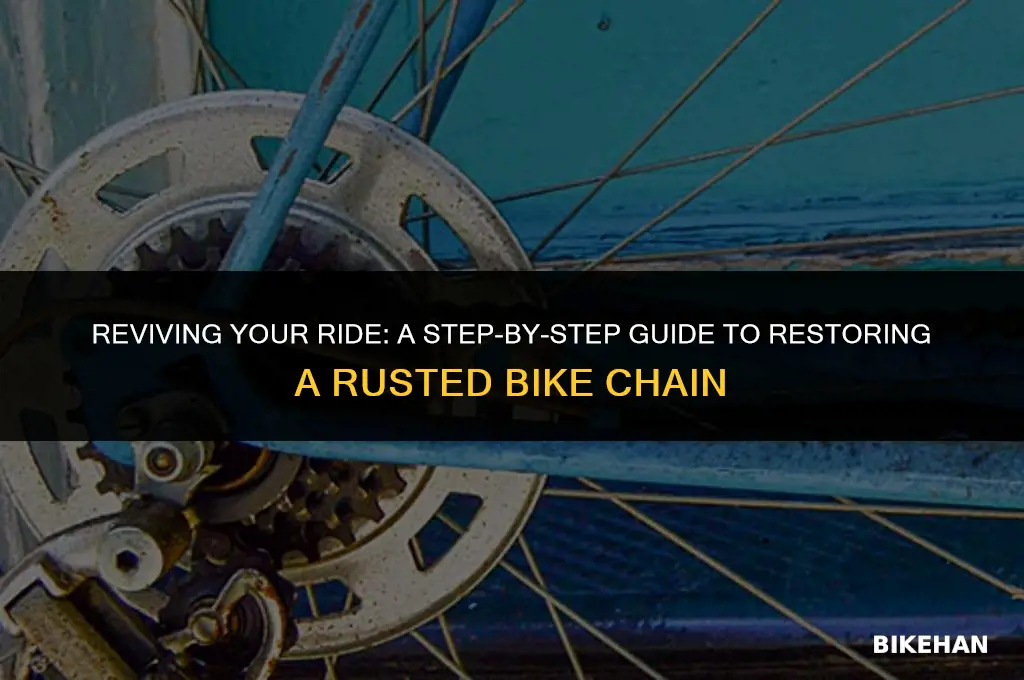
Restoring a rusted bike chain can significantly extend the life of your bicycle and ensure smoother rides. Over time, exposure to moisture, dirt, and salt can cause a bike chain to rust, leading to reduced performance and potential damage to other components. To restore a rusted chain, start by thoroughly cleaning it using a degreaser and a stiff brush to remove any dirt and grime. Once clean, apply a rust remover or a mixture of baking soda and water to the chain, allowing it to sit for a few minutes to penetrate the rust. After treating the rust, rinse the chain with water and dry it completely. Finally, lubricate the chain with a suitable bike lubricant to protect it from future rust and wear. Regular maintenance, including cleaning and lubrication, can help prevent rust from forming in the first place, keeping your bike chain in optimal condition.
Explore related products


What You'll Learn
- Assessment: Inspect the chain for rust severity, identifying affected links and determining if restoration is feasible
- Cleaning: Use a degreaser and a stiff brush to remove dirt, grime, and old lubricant from the chain
- Rust Removal: Apply a rust remover or use a mixture of baking soda and water to scrub off rust from the chain
- Lubrication: Once the chain is clean and dry, apply a suitable lubricant to prevent future rust and ensure smooth operation
- Maintenance: Regularly clean and lubricate the chain to prevent rust buildup and prolong the life of the bike chain

Assessment: Inspect the chain for rust severity, identifying affected links and determining if restoration is feasible
Begin the assessment by carefully examining each link of the bike chain for signs of rust. Look for reddish-brown discoloration, which is a clear indicator of oxidation. Pay close attention to the pins and rollers of each link, as these are the most vulnerable parts to rust. Use a magnifying glass if necessary to get a closer look at any suspicious areas.
Next, identify the affected links by noting which ones show the most severe rusting. These links may be stiff, difficult to move, or have a rough texture compared to the others. Make a mental note or mark these links with a pen or marker so you can easily locate them later.
Once you've identified the rusted links, determine the extent of the damage. Check if the rust has penetrated deep into the metal or if it's just surface rust. You can do this by gently scraping the rusted area with a screwdriver or a similar tool. If the rust comes off easily, it's likely just surface rust and the link can be restored. However, if the rust is deep and has caused significant corrosion, the link may be beyond repair and will need to be replaced.
Consider the overall condition of the chain as well. If more than half of the links are severely rusted, it may be more cost-effective and efficient to replace the entire chain rather than attempting to restore it. Also, take into account the age and usage of the chain. If it's an older chain that has seen a lot of wear and tear, it may be time to replace it regardless of the rust severity.
Finally, if you've determined that restoration is feasible, proceed with the cleaning and lubrication process. Use a chain cleaning device or a degreaser to remove any dirt, grime, or old lubricant from the chain. Then, apply a high-quality lubricant to each link, making sure to cover all surfaces evenly. Allow the lubricant to penetrate for a few minutes before wiping off any excess. This will help protect the chain from future rusting and ensure smooth operation.
Mastering the Art of Chain Reset on Your 21-Speed Bike
You may want to see also
Explore related products




Cleaning: Use a degreaser and a stiff brush to remove dirt, grime, and old lubricant from the chain
Begin the restoration process by thoroughly cleaning the bike chain. This crucial step involves using a degreaser specifically designed for bike chains to break down and remove the accumulated dirt, grime, and old lubricant. Select a well-ventilated area to work in, as degreasers can emit strong fumes. Apply the degreaser according to the manufacturer's instructions, typically by spraying or brushing it onto the chain while slowly rotating the pedals backward. Allow the degreaser to penetrate and work on the grime for a few minutes.
Next, use a stiff-bristled brush to scrub the chain vigorously. This action helps dislodge any stubborn dirt and grime that the degreaser has loosened. Pay particular attention to the rollers and pins of the chain links, as these areas tend to accumulate the most debris. As you brush, continue to rotate the pedals backward to ensure that the entire length of the chain is cleaned evenly. Rinse the chain with clean water to remove any remaining degreaser and grime.
After rinsing, thoroughly dry the chain with a clean cloth or allow it to air dry completely. It's essential to remove all moisture from the chain to prevent rust from forming. Once the chain is dry, inspect it closely for any signs of wear or damage. Look for stretched or bent links, as well as any cracks or corrosion. If you notice any significant wear, it may be necessary to replace the chain entirely.
To further protect the chain from rust and corrosion, apply a suitable lubricant. Choose a lubricant designed for bike chains, as these products are formulated to withstand the specific conditions and stresses that bike chains endure. Apply the lubricant sparingly, ensuring that it penetrates the rollers and pins of the chain links. Wipe off any excess lubricant with a clean cloth, as it can attract dirt and grime, leading to a buildup of grime and potentially causing more rust.
Regular maintenance is key to preventing rust and prolonging the life of your bike chain. After each ride, especially in wet or dirty conditions, take a few minutes to clean and lubricate the chain. This simple routine can save you time and money in the long run by reducing the need for more extensive restoration or replacement.
Effortless Cycling: Mastering the Art of Replacing Your 10-Speed Bike Chain
You may want to see also
Explore related products

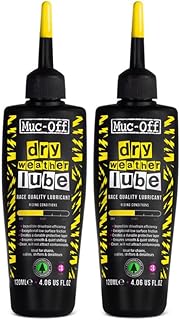


Rust Removal: Apply a rust remover or use a mixture of baking soda and water to scrub off rust from the chain
To effectively remove rust from a bike chain, it's essential to use the right tools and techniques. One popular method is to apply a commercial rust remover, which can be found at most hardware stores or bike shops. These products typically contain strong acids or bases that break down the rust, making it easier to scrub off. When using a rust remover, be sure to follow the manufacturer's instructions carefully, as some products can be harmful if not used properly.
An alternative to commercial rust removers is a homemade solution of baking soda and water. This mixture is less harsh than chemical rust removers and can be just as effective. To make the solution, mix equal parts baking soda and water to form a thick paste. Apply the paste to the rusted areas of the chain and let it sit for about 15-20 minutes. Then, use a stiff brush or steel wool to scrub off the rust. Be sure to rinse the chain thoroughly with water afterward to remove any remaining baking soda residue.
When scrubbing off rust, it's important to be gentle yet thorough. Use a circular motion to work the brush or steel wool around the chain, focusing on the rusted areas. Avoid using too much pressure, as this can damage the chain's metal. If the rust is particularly stubborn, you may need to repeat the process several times or use a more abrasive scrubbing tool.
After removing the rust, it's crucial to dry the chain thoroughly to prevent further rusting. Use a clean cloth or paper towel to wipe off any excess moisture, and then let the chain air dry completely. Once the chain is dry, apply a lubricant to protect the metal and keep it running smoothly.
Remember, prevention is key when it comes to rust. Regularly cleaning and lubricating your bike chain can help prevent rust from forming in the first place. Additionally, storing your bike in a dry, cool place can reduce the risk of rust development. By following these tips and techniques, you can keep your bike chain in good condition and extend its lifespan.
Mastering Bike Maintenance: The Easy Guide to Replacing a Chain Pin
You may want to see also
Explore related products


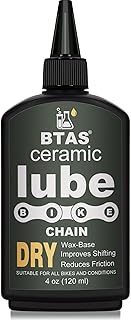

Lubrication: Once the chain is clean and dry, apply a suitable lubricant to prevent future rust and ensure smooth operation
After thoroughly cleaning and drying your bike chain, the next crucial step in restoration is lubrication. This process not only prevents future rust but also ensures that your chain operates smoothly, reducing wear and tear on your bike's drivetrain. When selecting a lubricant, it's essential to choose one specifically designed for bike chains, as these products are formulated to withstand the unique demands of cycling.
To lubricate your chain effectively, begin by holding the lube bottle directly over the chain and applying a small amount to each roller as you slowly rotate the pedals backward. This method ensures that the lubricant penetrates deep into the rollers and pins, where it's most needed. Be cautious not to over-lubricate, as excess lube can attract dirt and grime, leading to a buildup of debris that can harm your chain and drivetrain.
Once you've applied the lubricant, allow it to sit for a few minutes to fully penetrate the chain's components. Then, use a clean rag to wipe off any excess lube, focusing on the outer surfaces of the chain. This step is crucial, as it prevents the accumulation of dirt and ensures that your chain remains clean and efficient.
In terms of frequency, it's generally recommended to lubricate your bike chain every 100-200 miles, depending on riding conditions. If you frequently ride in wet or dirty environments, you may need to lubricate more often to maintain optimal chain performance.
Remember, proper lubrication is key to extending the life of your bike chain and maintaining a smooth, efficient ride. By following these steps and choosing the right lubricant, you can keep your chain in top condition and enjoy a better cycling experience.
Spin Bike Maintenance: A Step-by-Step Guide to Replacing Your Chain
You may want to see also
Explore related products
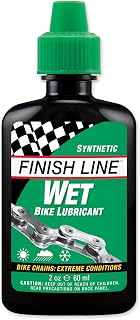
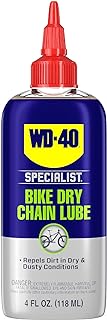


Maintenance: Regularly clean and lubricate the chain to prevent rust buildup and prolong the life of the bike chain
Regular maintenance is crucial for preventing rust buildup on a bike chain. To keep your chain in top condition, it's essential to clean and lubricate it regularly. This not only prevents rust but also prolongs the life of the chain, ensuring smooth and efficient operation of your bicycle.
Cleaning the chain is the first step in the maintenance process. Use a soft brush or cloth to remove any dirt, grime, or debris that may have accumulated on the chain. For more thorough cleaning, you can use a chain cleaning device or soak the chain in a degreaser solution. Be sure to rinse the chain thoroughly with water after cleaning to remove any remaining degreaser.
Once the chain is clean, it's time to lubricate it. Choose a high-quality lubricant specifically designed for bike chains. Apply the lubricant sparingly, focusing on the rollers and pins of the chain links. Avoid over-lubricating, as this can attract dirt and grime, leading to a buildup of rust.
In addition to regular cleaning and lubrication, it's important to inspect your bike chain for signs of wear and tear. Look for any bent or damaged links, as well as any signs of rust. If you notice any issues, it's best to replace the chain to prevent further damage to your bicycle.
By following these maintenance tips, you can keep your bike chain in excellent condition, preventing rust buildup and ensuring a smooth and enjoyable ride. Remember, a well-maintained chain is not only more efficient but also safer, as it reduces the risk of chain failure while riding.
Mastering Bike Maintenance: The Essential Guide to Resizing Your Chain
You may want to see also
Frequently asked questions
To clean a rusted bike chain, start by removing it from the bike. Then, soak the chain in a degreaser solution for about 15-20 minutes. After soaking, scrub the chain with a stiff brush to remove any remaining grease and rust. Rinse the chain thoroughly with water and dry it completely before reinstalling it on the bike.
While WD-40 can help in loosening rust, it is not the best choice for cleaning a rusted bike chain. WD-40 is primarily a lubricant and may leave a residue that can attract more dirt and grime. Instead, use a dedicated degreaser solution or a mixture of baking soda and water to effectively clean the chain.
After cleaning and drying the bike chain, apply a small amount of lubricant to each roller while slowly rotating the pedals backward. Wipe off any excess lubricant with a clean cloth. It's important to use a lubricant specifically designed for bike chains, as other types of lubricants may not provide the necessary protection against wear and rust.
To prevent rust and maintain optimal performance, it's recommended to clean and lubricate your bike chain every 100-200 miles, or more frequently if you ride in wet or dirty conditions. Regular maintenance will help extend the life of your chain and ensure smooth shifting and pedaling.