Eric Johnson
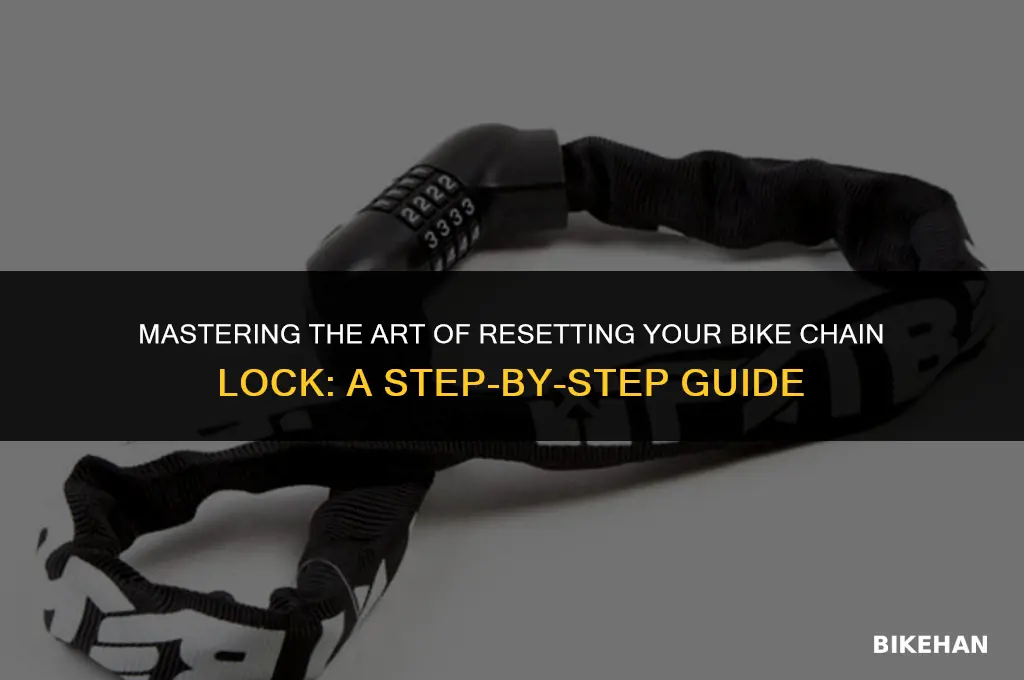
Resetting a bike chain lock is a crucial skill for any cyclist, ensuring the security of your bicycle when parked in public spaces. Whether you've forgotten your current combination or are setting up a new lock, the process typically involves a few straightforward steps. First, locate the reset mechanism on your lock, which is usually a small button or lever. Next, press or slide this mechanism while simultaneously entering the default combination, often found in the lock's manual or on the manufacturer's website. Once the default combination is accepted, you'll be able to set a new, personalized combination that's easy for you to remember but difficult for others to guess. It's important to choose a combination that includes a mix of numbers and, if possible, letters to enhance security. After setting your new combination, test the lock several times to ensure it functions smoothly and that you can easily open and close it with your chosen code.
Explore related products



What You'll Learn
- Identify the Lock Type: Determine whether you have a combination or keyed bike chain lock
- Gather Necessary Tools: Collect tools needed, such as a pen, paper, or a smartphone for combination locks
- Find the Reset Mechanism: Locate the reset button or keyhole, usually found near the locking mechanism
- Follow Manufacturer Instructions: Refer to the user manual or online instructions specific to your lock model
- Test the Lock: After resetting, ensure the lock opens and closes smoothly with the new combination or key

Identify the Lock Type: Determine whether you have a combination or keyed bike chain lock
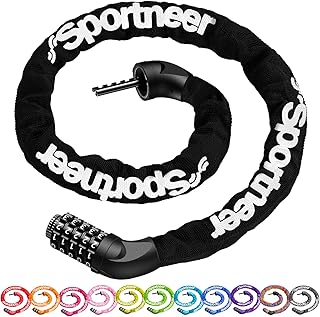
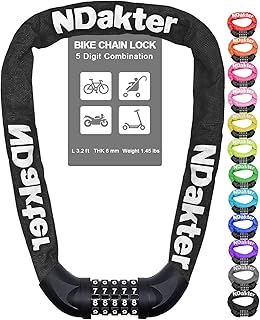
To identify the type of bike chain lock you have, examine the locking mechanism closely. Combination locks typically have a series of rotating dials with numbers that need to be aligned in a specific sequence to unlock. Keyed locks, on the other hand, have a keyhole where a physical key is inserted to operate the lock.
If you're unsure, try the following: First, look for any visible keyhole. If there isn't one, it's likely a combination lock. Next, check for a series of dials or a digital keypad, which are characteristic of combination locks. If you find these features, you can confirm it's a combination lock.
Knowing the type of lock is crucial for resetting it. Combination locks usually require a specific sequence of numbers to be entered, while keyed locks need the correct key. Without this information, resetting the lock can be challenging or even impossible.
In some cases, the lock type might be indicated on the packaging or in the user manual. If you still have these materials, refer to them for confirmation. Additionally, many modern locks have a model number or a QR code that can be scanned to access detailed information about the lock, including its type and how to reset it.
Once you've identified the lock type, you can proceed with the appropriate resetting method. For combination locks, this often involves aligning the dials to a specific sequence, while for keyed locks, you may need to use a special tool or contact the manufacturer for assistance.
Revive Your Ride: The Complete Guide to Resetting Your Bike Chain
You may want to see also
Explore related products


Gather Necessary Tools: Collect tools needed, such as a pen, paper, or a smartphone for combination locks
Before attempting to reset a bike chain lock, it's crucial to gather the necessary tools to ensure a smooth process. A pen and paper are essential for jotting down the new combination once it's generated, as it's easy to forget the sequence in the midst of the reset process. For combination locks that require a specific sequence of numbers, having a smartphone handy can be beneficial. Many smartphones have built-in note-taking apps that allow you to securely store the combination for future reference. Additionally, some locks may require a small screwdriver or Allen wrench to access the reset mechanism, so it's wise to have these tools on hand as well.
When gathering your tools, consider the specific type of lock you're dealing with. Some locks may have unique requirements, such as a specialized reset tool or a particular type of writing instrument. For instance, certain high-security locks might necessitate a stylus for precise manipulation of the reset components. It's also important to ensure that the tools you're using are in good condition, as damaged or worn-out tools can make the reset process more challenging or even cause damage to the lock.
Once you've assembled your toolkit, find a well-lit, comfortable workspace to perform the reset. This will help you avoid mistakes and ensure that you can clearly see the lock's components and any instructions you may need to follow. Remember to keep your workspace organized, as a cluttered area can lead to misplaced tools or forgotten steps.
In summary, gathering the necessary tools is a critical first step in resetting a bike chain lock. By having the right instruments at your disposal, you can streamline the process and minimize the risk of errors or complications.
Mastering the Art of Repinning Your Bike Chain: A Step-by-Step Guide
You may want to see also
Explore related products


Find the Reset Mechanism: Locate the reset button or keyhole, usually found near the locking mechanism
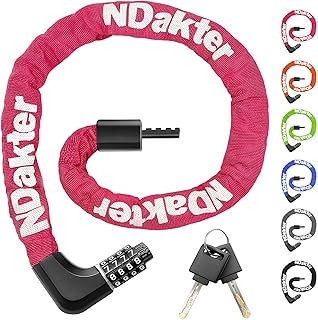
To reset a bike chain lock, the first crucial step is locating the reset mechanism. This is typically a small button or keyhole situated near the locking mechanism itself. The exact placement can vary depending on the model and brand of the lock, but it's generally designed to be accessible while the lock is in the open position.
For most bike chain locks, the reset button is a small, round indentation that can be pressed using a pen or a similar tool. If your lock uses a keyhole for resetting, you'll need the corresponding reset key, which often comes with the lock when you purchase it. In some cases, the reset key might be a small Allen wrench or a specialized tool provided by the manufacturer.
Once you've located the reset mechanism, ensure that the lock is in the open position. This is essential because the reset function typically only works when the lock is not engaged. If the lock is closed, try opening it using the standard unlocking method before proceeding with the reset.
Now, if you're using a reset button, press it firmly and hold it for a few seconds. You might hear a click or feel a slight resistance, indicating that the lock has been reset. If you're using a reset key, insert it into the keyhole and turn it in the direction specified by the manufacturer. Again, you should feel or hear a confirmation that the lock has been reset.
After successfully resetting the lock, it's a good practice to test it a few times to ensure it's functioning correctly. Lock and unlock the chain a couple of times to make sure the reset has taken effect and that the lock is operating smoothly.
Remember, if you're unsure about the reset process or if your lock doesn't seem to have a reset mechanism, it's always best to consult the user manual or contact the manufacturer for specific instructions. They can provide detailed guidance tailored to your particular lock model, ensuring you can reset it safely and effectively.
Revive Your Ride: A Simple Guide to Replacing Your Bike's Chain Guard
You may want to see also
Explore related products


Follow Manufacturer Instructions: Refer to the user manual or online instructions specific to your lock model
To reset a bike chain lock, it's crucial to follow the manufacturer's instructions meticulously. Each lock model may have unique features and mechanisms that require specific steps for resetting. The user manual that came with your lock is the best resource for detailed, model-specific instructions. If you've misplaced the manual, most manufacturers provide online resources, including instructional videos and downloadable PDFs, that can guide you through the process.
Before attempting to reset your lock, ensure you have the necessary tools and information. This might include a special reset key, a combination of specific numbers or letters, or even a smartphone app for some modern locks. Referring to the manufacturer's instructions will help you identify what you need and avoid any unnecessary frustration or potential damage to the lock.
One common mistake people make when resetting bike chain locks is assuming that all locks follow the same procedure. This can lead to incorrect attempts at resetting, which may lock the mechanism permanently or render it insecure. By consulting the specific instructions for your lock model, you can avoid these pitfalls and ensure that the reset process is carried out safely and effectively.
In some cases, the manufacturer's instructions might include important safety warnings or precautions that are unique to your lock model. These could involve specific environmental conditions, such as avoiding extreme temperatures or moisture during the reset process, or warnings about the potential risks of improper resetting. By following these guidelines, you can protect both yourself and your lock from harm.
Ultimately, the key to successfully resetting a bike chain lock is to approach the task with patience and attention to detail. By carefully following the manufacturer's instructions, you can ensure that your lock is reset correctly and securely, providing you with the peace of mind that your bike is protected.
Revitalize Your Ride: A Step-by-Step Guide to Replacing Your KMC Bike Chain
You may want to see also
Explore related products


Test the Lock: After resetting, ensure the lock opens and closes smoothly with the new combination or key
After resetting your bike chain lock, it's crucial to test its functionality to ensure it operates smoothly with the new combination or key. Begin by inserting the new key or entering the new combination and turning the lock mechanism. The lock should open effortlessly without any resistance or jamming. If the lock fails to open, you may need to reinsert the key or re-enter the combination, ensuring that each number or letter is aligned correctly.
Once the lock opens, test it by closing it again and repeating the opening process several times. This will help you identify any potential issues with the lock's internal mechanism. Pay close attention to the alignment of the shackle and the body of the lock, ensuring that it moves freely and doesn't catch or snag during operation.
If you're using a combination lock, it's essential to memorize the new combination and test it from memory to ensure you can open the lock without referring to any notes or reminders. This will help you become familiar with the new combination and reduce the risk of forgetting it in the future.
When testing a key lock, ensure that the key turns smoothly in the lock and that there's no resistance or grinding noise. If the key doesn't turn easily, you may need to clean the lock's keyhole or try a different key. It's also a good idea to make a copy of the new key and test it in the lock to ensure it works correctly.
Finally, after successfully testing the lock, secure your bike in a safe location and monitor its security over the next few days. This will help you identify any potential issues with the lock's performance in real-world conditions and allow you to make adjustments or seek professional assistance if needed.
Mastering Bike Maintenance: A Guide to Chain Repair
You may want to see also
Frequently asked questions
Typically, you'll need a pair of pliers or a specialized reset tool that matches the lock's brand and model.
Check the brand and model of your lock, then search for the corresponding reset tool online or consult the manufacturer's customer service.
Ensure the lock is in the open position, then insert the reset tool into the reset port, which is usually located near the locking mechanism.
You'll often hear a click or feel a slight resistance change when the lock resets. Some locks may also have an indicator light or a specific position that confirms the reset.
Remove the reset tool, ensure the lock is in the open position, and then test the lock by closing and opening it a few times to make sure it's functioning correctly.