Ryan Cole

Measuring for a motorcycle helmet is crucial to ensure safety and comfort while riding. A properly fitted helmet can significantly reduce the risk of head injuries in the event of an accident. To measure for a motorcycle helmet, you'll need a soft measuring tape and a mirror. Start by wrapping the measuring tape around the fullest part of your head, just above your eyebrows and ears. Make sure the tape is snug but not too tight, and take note of the measurement in centimeters or inches. This measurement will help you determine the correct helmet size according to the manufacturer's sizing chart. It's also important to consider the shape of your head, as helmets come in different shapes to accommodate various head types. Trying on helmets in person, if possible, can help you find the best fit and ensure your comfort and safety on the road.
| Characteristics | Values |
|---|---|
| Measurement Type | Circumference |
| Unit of Measure | Inches or centimeters |
| Measurement Location | Head, above eyebrows and ears |
| Required Tools | Measuring tape, pen and paper |
| Preparation | Remove hair or accessories from head |
| Starting Point | Front of forehead |
| Ending Point | Back of head |
| Number of Measurements | 2-3 times for accuracy |
| Average Calculation | Sum measurements, divide by number of measurements |
| Precision | To the nearest 1/8 inch or 1 mm |
| Recommended Helmet Fit | Snug but not tight, no discomfort |
| Helmet Size Chart | Refer to manufacturer's chart for corresponding sizes |
| Measurement Frequency | Every time helmet is worn, or after any head injury |
| Importance of Measurement | Ensures safety and comfort while riding |
| Common Mistakes | Measuring too loosely or too tightly, not following manufacturer's instructions |
| Additional Tips | Measure with a friend for assistance, take measurements at different times of day for consistency |
Explore related products


What You'll Learn
- Head Circumference: Measure around the fullest part of your head, above eyebrows and ears
- Helmet Sizing Charts: Refer to manufacturer's charts to match head circumference with helmet size
- Fit and Comfort: Ensure the helmet fits snugly without discomfort or pressure points
- Visor and Face Shield: Check that the visor or shield aligns properly with your face
- Chin Strap Adjustment: Adjust the strap so it's secure but not too tight, allowing one finger to fit

Head Circumference: Measure around the fullest part of your head, above eyebrows and ears
To accurately measure your head circumference for a motorcycle helmet, you need to follow a specific technique that ensures you get the right fit. Start by positioning a flexible measuring tape around the fullest part of your head, which is typically located just above your eyebrows and ears. This area is crucial because it represents the widest point of your head, and a helmet that doesn’t fit well here can be uncomfortable or even unsafe.
Make sure the measuring tape is snug but not tight, as you want the helmet to fit comfortably without being too loose. If you don’t have a flexible measuring tape, you can use a piece of string or a cloth tape measure, but be sure to mark the measurement accurately. It’s also helpful to have someone assist you with this step to ensure the tape is positioned correctly and the measurement is precise.
Once you have your head circumference measurement, you can refer to the manufacturer’s sizing chart to determine the appropriate helmet size. Keep in mind that different brands and models may have slightly different sizing standards, so it’s important to check the specific chart for the helmet you’re interested in. If you’re between sizes, it’s generally better to opt for the larger size to ensure a comfortable fit.
In addition to head circumference, some helmets may also require additional measurements, such as the distance from the base of your chin to the top of your head. This measurement can help determine the correct chin strap length and ensure the helmet sits properly on your head. Always follow the manufacturer’s instructions for taking these additional measurements and refer to their sizing charts for guidance.
Remember, a properly fitted helmet is essential for safety while riding a motorcycle. A helmet that is too loose can come off in the event of an accident, while a helmet that is too tight can cause discomfort and headaches. By taking the time to measure your head circumference accurately and following the manufacturer’s sizing guidelines, you can ensure a comfortable and secure fit that will help protect you on the road.
Rev Up Your Safety: Signs It's Time for a New Motorcycle Helmet
You may want to see also
Explore related products


Helmet Sizing Charts: Refer to manufacturer's charts to match head circumference with helmet size
To ensure a proper fit for your motorcycle helmet, it's crucial to refer to the manufacturer's sizing charts. These charts are designed to match your head circumference with the appropriate helmet size, providing both comfort and safety. Start by measuring your head circumference using a flexible tape measure, positioning it just above your eyebrows and ears. Record the measurement to the nearest centimeter or inch.
Next, consult the sizing chart provided by the helmet manufacturer. These charts typically list head circumference measurements alongside corresponding helmet sizes. Match your recorded measurement to the closest size on the chart. It's important to note that sizing can vary slightly between manufacturers, so always refer to the specific chart for the helmet you're interested in.
If your measurement falls between two sizes, it's generally recommended to choose the larger size. This ensures that the helmet will fit comfortably without being too tight. Additionally, consider the thickness of any liners or padding that may be added to the helmet, as this can affect the overall fit.
When trying on a helmet, make sure it sits snugly on your head without any pressure points. The chin strap should be adjusted so that it's secure but not overly tight. You should be able to fit one finger between the strap and your chin for a comfortable fit.
Remember, a properly fitted helmet is essential for safety while riding. An ill-fitting helmet can compromise its protective capabilities and may cause discomfort during long rides. By following the manufacturer's sizing charts and these fitting guidelines, you can ensure that your motorcycle helmet provides the best possible protection and comfort.
Top Spots for Scoring the Perfect Helmet: A Buyer's Guide
You may want to see also
Explore related products


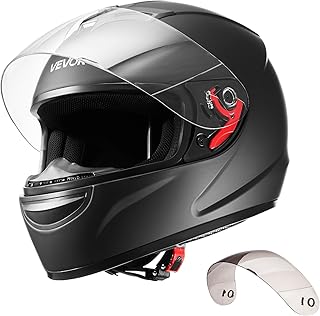


Fit and Comfort: Ensure the helmet fits snugly without discomfort or pressure points
Ensuring a helmet fits snugly without causing discomfort or pressure points is crucial for both safety and riding enjoyment. A well-fitted helmet not only protects the rider in case of an accident but also reduces wind noise and fatigue during long rides. To achieve this, start by measuring your head circumference using a flexible tape measure, positioning it just above your eyebrows and ears. This measurement will help you select the appropriate helmet size.
Once you have the right size, put on the helmet and fasten the chin strap. The helmet should sit comfortably on your head without being too tight or too loose. Check for any pressure points by gently pressing your fingers against the inside of the helmet. If you feel any discomfort, try adjusting the padding or consider a different helmet model.
It's also important to consider the shape of your head. Helmets come in various shapes to accommodate different head types, such as round, oval, or elongated. Choosing a helmet that matches your head shape will ensure a better fit and reduce the risk of discomfort or pressure points.
In addition to the fit, consider the comfort features of the helmet. Look for helmets with moisture-wicking liners, adjustable ventilation, and quick-release buckles. These features will enhance your overall comfort and make your riding experience more enjoyable.
Remember, a properly fitted helmet is essential for safety. A helmet that is too loose may come off in the event of an accident, while a helmet that is too tight may cause discomfort and distract you while riding. By taking the time to ensure a proper fit and selecting a helmet with the right comfort features, you can enjoy a safer and more comfortable riding experience.
Rev Up Your Ride: A Guide to Cleaning Your Motorcycle Helmet Visor
You may want to see also
Explore related products

$55.09 $57.99


Visor and Face Shield: Check that the visor or shield aligns properly with your face
Ensuring that your motorcycle helmet's visor or face shield aligns properly with your face is crucial for both safety and comfort. Misalignment can lead to wind noise, reduced visibility, and even discomfort during long rides. To check the alignment, start by putting on the helmet and securing it with the chin strap. Then, look straight ahead and observe if the visor or shield sits parallel to your line of sight. If it doesn't, you may need to adjust the helmet's fit or the visor's position.
One common issue is that the visor or shield may sit too low on the nose, causing it to fog up or obstruct the rider's view. To address this, some helmets have adjustable nose pads or bridges that can be moved upward to create a better seal and improve airflow. Additionally, make sure that the helmet's interior padding is not compressing your face, as this can also affect the alignment of the visor or shield.
Another factor to consider is the helmet's overall fit. If the helmet is too loose, the visor or shield may not align properly with your face. Conversely, if the helmet is too tight, it can cause discomfort and even headaches. To ensure a proper fit, measure your head circumference and compare it to the manufacturer's sizing chart. If you're between sizes, it's usually best to go with the smaller size, as most helmets will stretch slightly with use.
When checking the alignment of your visor or shield, it's also important to consider the angle at which you'll be riding. For example, if you'll be riding in a more aggressive, forward-leaning position, you may need to adjust the visor or shield to accommodate this angle. This will help ensure that you have optimal visibility and protection while riding.
Finally, remember to regularly inspect your helmet's visor or shield for any signs of damage or wear. Even small scratches or cracks can compromise the integrity of the visor or shield and reduce its effectiveness in protecting your face. If you notice any damage, it's best to replace the visor or shield immediately to ensure your safety on the road.
Illinois Motorcycle Helmet Law: What You Need to Know
You may want to see also
Explore related products

$36.84


Chin Strap Adjustment: Adjust the strap so it's secure but not too tight, allowing one finger to fit
To ensure optimal safety and comfort while riding a motorcycle, proper adjustment of the helmet's chin strap is crucial. The chin strap should be snug enough to keep the helmet securely in place during a ride, but not so tight that it causes discomfort or restricts blood flow. A good rule of thumb is to adjust the strap so that you can fit one finger between it and your chin. This allows for a secure fit without being overly constrictive.
Begin by fastening the chin strap and pulling it tight. Then, try to fit one finger between the strap and your chin. If you can't fit a finger, the strap is too tight and should be loosened slightly. Conversely, if you can fit more than one finger, the strap is too loose and needs to be tightened. It's important to note that the strap should sit flat against your chin and not dig into your skin.
Once you've achieved the proper fit, make sure to secure the strap's adjustment mechanism, if applicable. Some helmets have a sliding buckle or a ratchet system that allows for precise adjustments. Others may have a more traditional buckle that requires you to thread the strap through and secure it at the desired length. Regardless of the mechanism, ensure that it is properly engaged to maintain the strap's tension.
Regularly check and adjust your helmet's chin strap, as it can loosen over time due to wear and tear or changes in your head's shape. Additionally, if you're wearing a balaclava or other headgear underneath your helmet, make sure to adjust the chin strap accordingly to accommodate the extra layers.
In summary, proper chin strap adjustment is a critical aspect of motorcycle helmet safety. By ensuring a snug but comfortable fit, you can significantly reduce the risk of your helmet coming off in the event of an accident. Remember to adjust the strap so that you can fit one finger between it and your chin, and regularly check and maintain the strap's tension for optimal safety and comfort.
Secure Your Ride: Mastering the Art of Tying a Motorcycle Helmet
You may want to see also
Frequently asked questions
To measure for a motorcycle helmet, you'll need a flexible measuring tape, a pen and paper to note down your measurements, and a mirror to help you measure the back of your head accurately.
To measure the circumference of your head, place the measuring tape about one inch above your eyebrows and wrap it around your head horizontally. Make sure the tape is snug but not too tight, and record the measurement to the nearest inch or centimeter.
In addition to the circumference, it's important to measure the length of your head from the front of your forehead to the back of your neck. This measurement helps ensure the helmet covers your entire head properly. Also, consider the fit of the helmet's interior padding and the comfort of the chin strap when making your selection.