Matthew Brooks
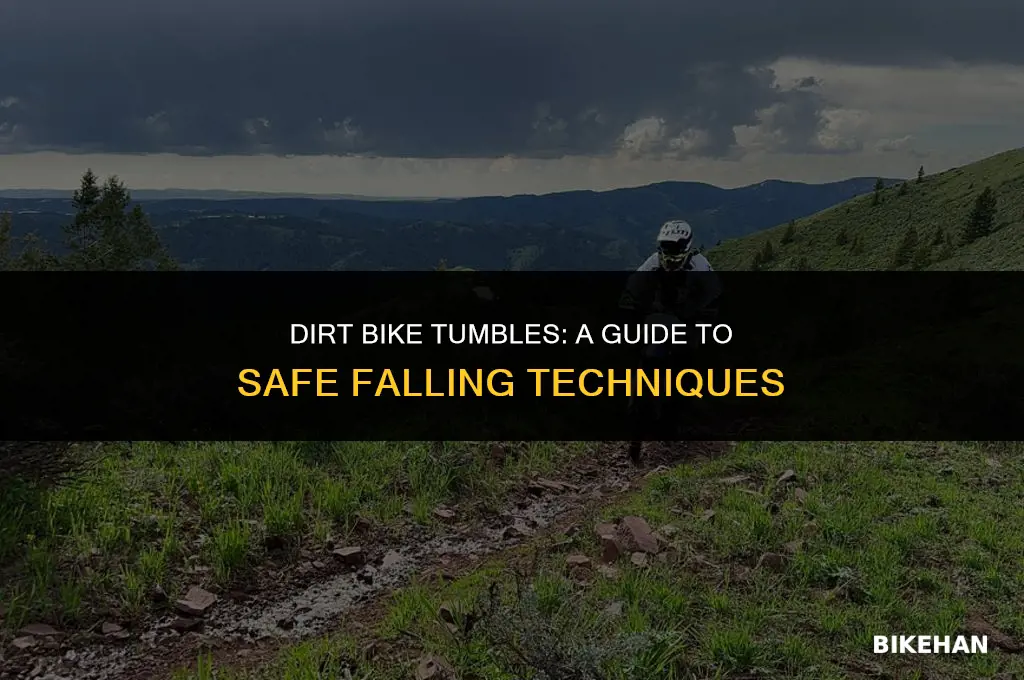
Falling off a dirt bike is an inevitable part of the learning process for many riders. It's important to know how to fall safely to minimize the risk of injury. When you feel yourself losing balance, try to relax your body and avoid tensing up, as this can make the fall more dangerous. Aim to fall on your side, away from the bike, and try to roll with the impact. Keep your arms and legs tucked in to protect your extremities. After the fall, take a moment to assess your condition and make sure you're not injured before getting back on the bike. Remember, practice makes perfect, and learning how to fall correctly is just as important as learning how to ride.
Explore related products


What You'll Learn
- Choosing the Right Gear: Essential protective equipment for dirt biking to minimize injury risks
- Bike Maintenance: Regular checks and maintenance to ensure bike safety and prevent accidents
- Riding Techniques: Tips on handling the bike, including braking, turning, and accelerating safely
- Environmental Awareness: Understanding and adapting to different terrains and weather conditions
- Emergency Preparedness: Steps to take in case of a fall, including first aid and seeking help

Choosing the Right Gear: Essential protective equipment for dirt biking to minimize injury risks
Dirt biking is an exhilarating sport that comes with its fair share of risks. One of the most crucial aspects of minimizing these risks is choosing the right protective gear. A well-fitted helmet is the cornerstone of any dirt biker's safety equipment. It should meet the necessary safety standards and be replaced every few years or after a significant impact. Additionally, goggles protect the eyes from debris and improve visibility, while gloves enhance grip and shield the hands from abrasions.
Body armor is another essential component, providing protection to the chest, back, and vital organs. It's important to select armor that is both comfortable and meets safety certifications. Elbow and knee pads offer additional protection to joints, which are particularly vulnerable during falls. These pads should be snug but not restrictive, allowing for full range of motion.
Boots are often overlooked but are critical for protecting the feet, ankles, and lower legs. They should be sturdy, cover the ankles, and have a good tread pattern for grip. Lastly, consider wearing a neck brace to prevent neck injuries, which can be severe. When selecting gear, it's also important to consider the fit and comfort, as ill-fitting equipment can be just as dangerous as not wearing any at all.
In summary, investing in high-quality, well-fitted protective gear is essential for dirt biking. It not only minimizes the risk of injury but also allows riders to enjoy the sport with greater confidence and peace of mind.
Dirt Bike Drag Racing 101: Tips and Techniques to Get You Started
You may want to see also
Explore related products


Bike Maintenance: Regular checks and maintenance to ensure bike safety and prevent accidents
Regular bike maintenance is crucial for ensuring safety and preventing accidents, especially when it comes to dirt bikes, which are subjected to rough terrain and high-impact riding. Before every ride, it's essential to perform a pre-ride inspection to check for any potential issues. This includes examining the tires for proper inflation and tread depth, ensuring the brakes are functioning correctly, and checking the chain for tension and lubrication. Additionally, inspect the suspension components for any signs of damage or wear, as these are critical for absorbing shocks and maintaining control on uneven surfaces.
One often overlooked aspect of bike maintenance is the importance of keeping the bike clean. Dirt and debris can accumulate quickly on a dirt bike, which can lead to mechanical issues if left unchecked. Regularly washing the bike and lubricating moving parts can help prevent premature wear and tear, ensuring that the bike remains in good working condition. It's also important to address any minor issues promptly, as they can escalate into more significant problems if ignored. For example, a loose bolt or a worn-out pad can compromise the bike's performance and safety if not fixed immediately.
In addition to routine maintenance, it's crucial to be aware of the bike's limitations and to ride within your skill level. Overestimating your abilities or pushing the bike beyond its intended use can lead to accidents and injuries. It's also important to wear appropriate safety gear, including a helmet, gloves, and protective clothing, to minimize the risk of injury in the event of a fall. By following these guidelines and prioritizing regular bike maintenance, riders can significantly reduce the likelihood of accidents and ensure a safer, more enjoyable riding experience.
Mastering the Art of Clutch Control on Your Dirt Bike
You may want to see also
Explore related products


Riding Techniques: Tips on handling the bike, including braking, turning, and accelerating safely
Mastering the art of dirt biking involves not just learning how to ride but also understanding how to handle the bike in various situations. One of the most critical aspects of dirt biking is knowing how to brake effectively. When braking, it's essential to use both the front and rear brakes simultaneously to maintain balance and control. The front brake provides more stopping power, but using it alone can cause the bike to tip forward. The rear brake, on the other hand, helps to slow down the bike without affecting its balance.
Turning is another crucial skill in dirt biking. To execute a smooth turn, the rider should lean into the turn while keeping their body weight centered over the bike. This technique helps to maintain traction and control. It's also important to look ahead and anticipate the turn, adjusting the bike's angle accordingly. Accelerating safely is equally important. The rider should gradually increase the throttle to avoid wheel spin and maintain control of the bike.
In addition to these basic techniques, there are several other tips that can help riders handle their bikes more effectively. For example, maintaining a relaxed grip on the handlebars can help to improve control and reduce fatigue. Keeping the bike's suspension properly adjusted can also enhance handling and comfort. Finally, practicing regularly and gradually increasing the difficulty of the terrain can help riders build their skills and confidence.
Remember, the key to safe and effective dirt biking is to always stay in control of the bike. By mastering these riding techniques, riders can reduce the risk of accidents and injuries, and enjoy a more rewarding and exhilarating experience on the trails.
Mastering the Clutch: A Beginner's Guide to Dirt Bike Driving
You may want to see also
Explore related products

$10.44 $16.95


Environmental Awareness: Understanding and adapting to different terrains and weather conditions
Riding a dirt bike requires a keen sense of environmental awareness, as the ability to read and adapt to different terrains and weather conditions is crucial for both performance and safety. Understanding how various surfaces affect your bike's handling can help you anticipate and react to potential hazards, reducing the risk of falls and injuries.
When navigating through different terrains, it's essential to recognize the unique challenges each presents. For instance, loose dirt or mud can cause your bike to lose traction, while rocky or uneven surfaces may require more precise throttle control and body positioning. In wet conditions, puddles and slippery surfaces can be particularly treacherous, necessitating a more cautious approach and adjustments to your riding technique.
To enhance your environmental awareness, practice observing and analyzing the terrain ahead. Look for changes in surface texture, moisture levels, and potential obstacles. As you ride, pay attention to how your bike responds to different inputs and make adjustments accordingly. This might involve altering your speed, shifting your weight, or using different braking techniques.
Developing a deep understanding of your bike's capabilities and limitations is also vital. Know how much traction you can expect from your tires in various conditions and be aware of your bike's suspension travel and ground clearance. This knowledge will help you make informed decisions about when to push your limits and when to exercise caution.
Finally, don't underestimate the importance of proper gear and equipment. Wearing appropriate clothing and protective gear can help you stay comfortable and safe in a wide range of conditions. Additionally, ensuring your bike is well-maintained and equipped with the right tires and suspension settings for the terrain you'll be riding can significantly impact your ability to navigate challenging environments effectively.
Mastering the Streets: A Guide to Riding Street Bikes with Dirt Boots
You may want to see also
Explore related products


$5.99 $12.99


Emergency Preparedness: Steps to take in case of a fall, including first aid and seeking help
In the event of a fall from a dirt bike, immediate action is crucial to minimize injury and ensure safety. The first step is to assess the situation and determine if you are in a safe location to provide first aid. If the fall occurred on a track or trail, move to a clear area away from potential hazards such as other riders or obstacles.
Once in a safe location, check for any visible injuries such as cuts, bruises, or broken bones. If there are any open wounds, clean them thoroughly with soap and water to prevent infection. Apply antibiotic ointment and cover the wound with a sterile bandage. For bruises or swelling, apply ice to the affected area for 15-20 minutes at a time to reduce inflammation.
If you suspect a broken bone or more severe injury, do not attempt to move the affected limb. Instead, immobilize the area using a makeshift splint made from materials such as sticks or clothing. Seek immediate medical attention by calling emergency services or having someone else call for you.
In addition to providing first aid, it is important to assess your condition and determine if you are able to continue riding. If you are in pain or feel disoriented, it is best to stop riding and seek further medical evaluation. Continuing to ride could exacerbate existing injuries or lead to additional accidents.
Finally, always remember to wear appropriate safety gear when riding a dirt bike, including a helmet, gloves, and protective clothing. This can significantly reduce the risk of injury in the event of a fall. By being prepared and taking the necessary precautions, you can minimize the risks associated with dirt bike riding and enjoy the sport safely.
Rev Up Your Ride: The Ultimate Guide to Drying Your Dirt Bike
You may want to see also
Frequently asked questions
The most common causes include loss of traction, improper weight distribution, misjudging obstacles, and mechanical failures.
Wear appropriate protective gear such as a helmet, gloves, boots, and body armor. Practice falling techniques to roll with the impact and avoid direct hits to vulnerable areas.
Assess your physical condition for any injuries. If unharmed, check the bike for damage, ensuring it's safe to continue riding. If injured, seek medical attention promptly.
Regular practice, focusing on balance and control, attending riding clinics, and gradually increasing the difficulty of terrains can help improve your skills and reduce the likelihood of falls.