Ryan Cole
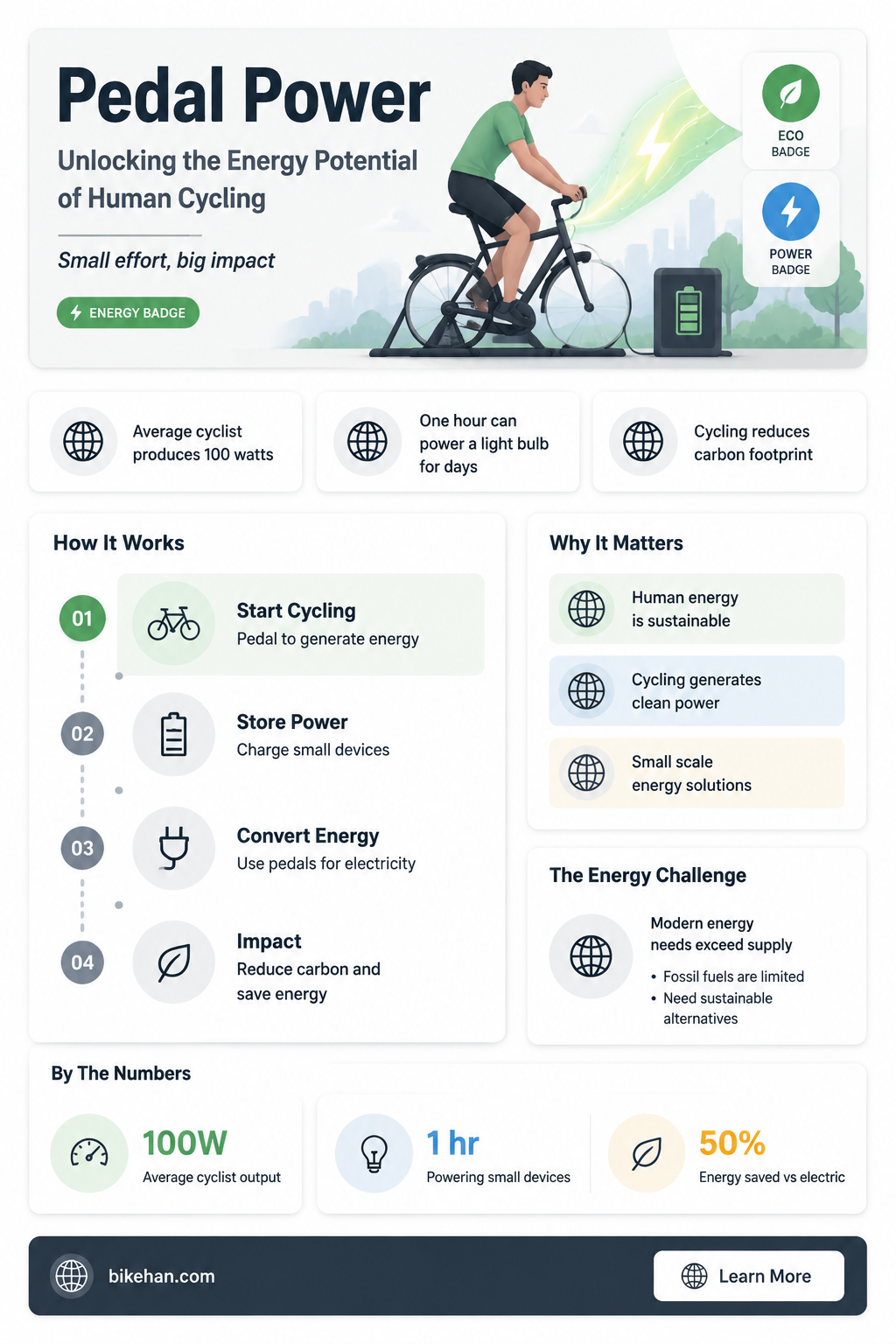
Human-powered bicycles are an efficient means of transportation and exercise, but they also represent a fascinating example of human energy output. On average, a fit adult can generate around 100-150 watts of power while cycling at a moderate pace. This energy output can vary significantly depending on factors such as the individual's fitness level, the intensity of the cycling, and the duration of the effort. For instance, professional cyclists can produce over 400 watts during short sprints, while endurance cyclists might maintain a steady 200-300 watts over long distances. Understanding the limits and potential of human power generation on a bike can provide valuable insights into athletic performance, sustainable transportation, and even the design of more efficient cycling technologies.
Explore related products


What You'll Learn

Factors Affecting Power Output
The power output of a human on a bike is influenced by several key factors, each playing a crucial role in determining the overall efficiency and effectiveness of the cyclist. One of the primary factors is the cyclist's physical fitness level, which encompasses aspects such as cardiovascular endurance, muscular strength, and flexibility. A well-conditioned athlete will be able to generate more power and sustain it over longer periods compared to someone who is less fit.
Another significant factor is the cyclist's technique and form. Proper pedaling technique, including the use of clipless pedals and the correct body position, can greatly enhance power output by ensuring that the cyclist's energy is being used efficiently. Additionally, the gear ratio and cadence at which the cyclist pedals can also impact power output, with higher cadences generally being more efficient for sustained efforts.
The type of bicycle and its components can also affect power output. A lightweight, aerodynamic bike with high-quality components will allow the cyclist to generate more power with less effort. Furthermore, the condition of the bike, including the inflation of the tires and the lubrication of the chain, can also impact efficiency.
Environmental factors, such as wind resistance, temperature, and altitude, can also play a role in determining power output. For example, cycling in a headwind will require more power to maintain the same speed as cycling in a tailwind. Similarly, cycling in hot temperatures can lead to dehydration and heat exhaustion, which can negatively impact performance.
Finally, the cyclist's mental state and motivation can also influence power output. A cyclist who is mentally focused and motivated will be able to push themselves harder and generate more power than someone who is not as mentally engaged. This can be particularly important in competitive cycling, where the mental edge can often be the difference between winning and losing.
Understanding the Weight Capacity of Your Carbon Bike
You may want to see also
Explore related products


Average Power Generation
The average power generation of a human on a bike can vary significantly based on several factors, including the individual's fitness level, the type of bike, and the terrain. Generally, a moderately fit individual can generate around 100-200 watts of power while cycling at a moderate pace. This is roughly equivalent to the power needed to light 10-20 LED bulbs or to charge a smartphone in about an hour.
For a more detailed analysis, we can break down the factors that influence power generation. Firstly, the cyclist's fitness level plays a crucial role. Elite cyclists can generate upwards of 400-500 watts during intense efforts, while beginners might struggle to maintain 100 watts. Secondly, the type of bike and its efficiency can impact power output. Road bikes are generally more efficient than mountain bikes due to their lighter weight and thinner tires, which reduce rolling resistance. Lastly, the terrain and environmental conditions can also affect power generation. Cycling uphill requires significantly more power than cycling on flat ground, and headwinds can also increase the effort needed.
To maximize power generation, cyclists can focus on improving their cardiovascular fitness and muscular strength through targeted training. Additionally, investing in a more efficient bike and maintaining it properly can help increase power output. Cyclists should also consider the environmental conditions and plan their rides accordingly to optimize their performance.
In conclusion, while the average power generation of a human on a bike is around 100-200 watts, there is considerable variability based on individual fitness, bike type, and terrain. By understanding these factors and taking steps to improve their performance, cyclists can increase their power output and enhance their overall cycling experience.
Optimal Paint Protection for Your Sport Bike: A Comprehensive Guide
You may want to see also
Explore related products


Peak Power Capabilities
The peak power capabilities of a human on a bike are a fascinating subject, often explored in the realms of exercise physiology and sports science. At its core, peak power refers to the maximum amount of energy an individual can exert in a given period, typically measured in watts. For cyclists, this can vary greatly depending on factors such as fitness level, muscle strength, and technique.
One of the most effective ways to measure peak power is through a sprint test, where the cyclist is asked to pedal as hard as possible for a short duration, usually 30 seconds to a minute. During this test, the cyclist's power output is recorded, and the highest value achieved is considered their peak power. This method provides a direct insight into the cyclist's anaerobic capacity and their ability to generate force quickly.
Interestingly, peak power capabilities are not solely determined by physical attributes. Mental factors, such as motivation and focus, play a crucial role in a cyclist's ability to reach their maximum output. Studies have shown that cyclists who are more mentally engaged and have a clear goal in mind are able to generate higher peak power values. This highlights the importance of psychological preparation in addition to physical training.
Another aspect to consider is the type of bike and equipment used. Different bikes, such as road bikes, mountain bikes, and track bikes, have varying levels of efficiency and can affect the cyclist's peak power output. For example, a track bike, which is designed for speed and efficiency on a velodrome, may allow a cyclist to achieve higher peak power values compared to a mountain bike, which is built for off-road terrain and stability.
In conclusion, peak power capabilities on a bike are a complex interplay of physical, mental, and environmental factors. By understanding these elements and tailoring training programs accordingly, cyclists can optimize their performance and reach new heights in their power output.
Exploring the Price Range of Peloton Bikes: A Comprehensive Guide
You may want to see also
Explore related products


Efficiency of Energy Transfer
The efficiency of energy transfer in human-powered bicycles is a critical factor in determining how much power a human can generate. When a person pedals a bike, their muscular energy is converted into mechanical energy, which is then transferred to the wheels to propel the bike forward. However, this process is not 100% efficient, and various factors can affect the overall efficiency of energy transfer.
One of the primary factors affecting energy transfer efficiency is the mechanical design of the bicycle. The type of drivetrain, the gear ratio, and the condition of the chain and sprockets can all impact how effectively the rider's energy is converted into forward motion. For example, a well-maintained bike with a high-quality chain and sprockets can transfer energy more efficiently than a bike with a worn-out chain or poorly aligned gears.
Another important factor is the rider's technique and physical condition. A rider who is in good physical shape and has proper pedaling technique can generate more power and transfer it more efficiently than a rider who is out of shape or has poor technique. Proper pedaling technique involves using the entire leg to generate power, rather than just the quadriceps, and maintaining a consistent cadence to minimize energy loss.
Environmental factors can also play a role in energy transfer efficiency. Riding on a flat, smooth surface will generally be more efficient than riding on a rough or hilly terrain. Additionally, wind resistance can significantly impact energy transfer efficiency, especially at higher speeds. Riders can reduce wind resistance by adopting an aerodynamic position, wearing tight-fitting clothing, and using aero bars or other aerodynamic accessories.
Finally, the type of bike and its intended use can also affect energy transfer efficiency. For example, a road bike designed for speed and efficiency will typically have a higher energy transfer efficiency than a mountain bike designed for off-road use. Similarly, a bike with a lightweight frame and high-quality components will generally be more efficient than a heavier bike with lower-quality components.
In conclusion, the efficiency of energy transfer is a complex factor that depends on a variety of variables, including the mechanical design of the bicycle, the rider's technique and physical condition, environmental factors, and the type of bike and its intended use. By understanding and optimizing these factors, riders can maximize their power output and achieve greater efficiency in their cycling efforts.
Exploring the Cost of Peloton Bikes: A Comprehensive Guide
You may want to see also
Explore related products


Applications of Bicycle-Generated Power
Bicycle-generated power has a wide range of practical applications that extend beyond traditional uses. One innovative application is in the field of renewable energy, where bicycles can be used to generate electricity for charging small electronic devices or powering LED lights. This is particularly useful in off-grid situations or during power outages. For instance, a bicycle-powered generator can provide a sustainable source of energy for camping trips or emergency kits.
In addition to energy generation, bicycles can also be used for water purification. By pedaling a specially designed bicycle, individuals can pump and filter water, making it safe for drinking. This application is especially valuable in regions with limited access to clean water. Furthermore, bicycle-powered water pumps can be used for irrigation in small-scale farming, promoting sustainable agriculture practices.
Another interesting application is in the realm of fitness and health. Exercise bikes equipped with generators can convert the kinetic energy produced during a workout into electrical energy, which can then be used to power fitness equipment or even feed back into the grid. This not only provides an eco-friendly way to exercise but also encourages users to monitor their energy output and strive for more efficient workouts.
Bicycles can also play a role in educational settings. Schools and universities can incorporate bicycle-generated power into their curricula to teach students about renewable energy, sustainability, and the mechanics of power generation. Hands-on projects involving bicycle-powered devices can engage students and help them understand the principles of energy conversion in a practical and interactive way.
Lastly, bicycle-generated power can be utilized in community development projects. By setting up bicycle-powered charging stations in public spaces, communities can provide a free and sustainable source of energy for residents and visitors. This can help reduce reliance on fossil fuels and promote a culture of environmental responsibility.
In conclusion, the applications of bicycle-generated power are diverse and far-reaching. From energy generation and water purification to fitness and education, bicycles offer a versatile and sustainable solution for various needs. By harnessing the power of human effort, we can create innovative and eco-friendly technologies that benefit both individuals and communities.
Optimal Fueling: How Much Petrol Does Your Bike Really Need?
You may want to see also
Frequently asked questions
An average human can generate around 100-200 watts of power on a bike, depending on their fitness level and the intensity of their pedaling.
Factors that affect the amount of power a human can generate on a bike include fitness level, pedaling intensity, bike efficiency, and environmental conditions such as wind resistance and terrain.
Yes, a human can generate enough power on a bike to charge a smartphone. With a bike-powered generator, a person can produce around 5-10 watts of power, which is sufficient to charge a smartphone.
The power output of a human on a bike is relatively high compared to other forms of exercise. For example, a person can generate around 100-200 watts of power on a bike, while running or swimming typically produces around 50-100 watts of power.
Some ways to increase the power output of a human on a bike include improving fitness level through training, increasing pedaling intensity, using a more efficient bike, and reducing environmental resistance such as wind and terrain.