Eric Johnson
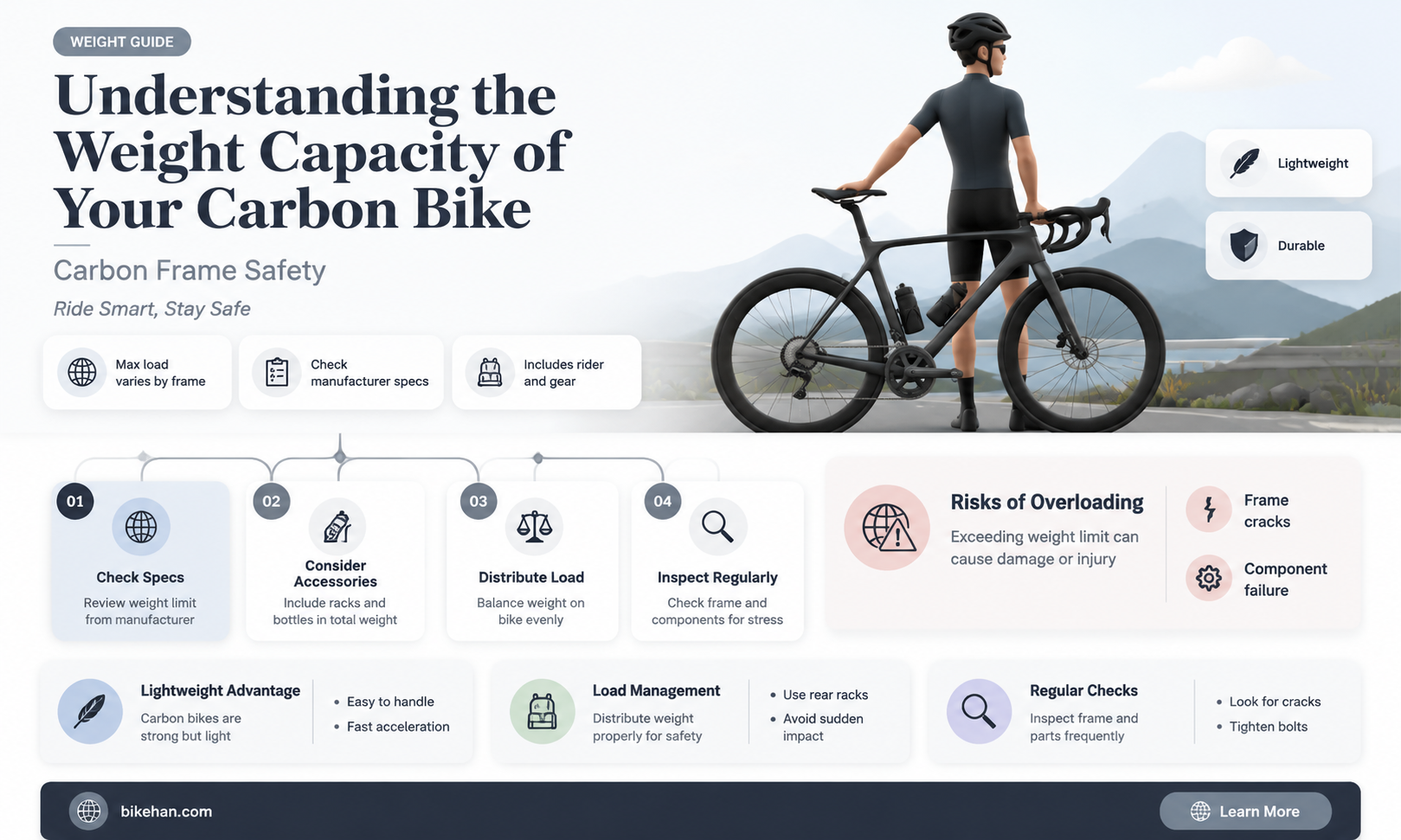
Carbon fiber bicycles are renowned for their lightweight construction and exceptional strength, making them a popular choice among cycling enthusiasts. However, despite their robust build, it's crucial to understand the weight limits these bikes can safely accommodate. The maximum weight capacity of a carbon bike can vary depending on several factors, including the frame design, the quality of the carbon fiber used, and the intended use of the bicycle. Generally, most carbon road bikes can handle riders weighing up to 250 pounds (113 kilograms), while some high-performance models may have lower limits. It's essential for riders to check the manufacturer's specifications to ensure they do not exceed the recommended weight capacity, as doing so could compromise the bike's structural integrity and safety.
Explore related products


What You'll Learn
- Weight capacity: Understanding the maximum load a carbon bike can safely carry
- Rider weight: How a cyclist's weight impacts the bike's performance and durability
- Cargo capacity: Exploring the limits of carrying gear, groceries, or other items
- Structural integrity: The strength and resilience of carbon fiber in bike construction
- Safety considerations: Ensuring the bike remains stable and secure under various loads

Weight capacity: Understanding the maximum load a carbon bike can safely carry
Carbon fiber bicycles are renowned for their strength-to-weight ratio, making them a popular choice among cyclists. However, understanding the weight capacity of these bikes is crucial for ensuring both safety and optimal performance. The maximum load a carbon bike can safely carry depends on several factors, including the frame design, material quality, and intended use.
For instance, a carbon road bike designed for racing will typically have a lower weight capacity compared to a carbon touring bike built for long-distance travel with heavy loads. Manufacturers often provide a recommended maximum weight limit, which includes the rider's weight plus any additional cargo such as panniers, racks, or child seats. Exceeding this limit can compromise the bike's structural integrity, leading to potential safety hazards.
To determine the weight capacity of a specific carbon bike, one should consult the manufacturer's specifications or contact their customer support. Additionally, it's essential to consider the distribution of weight on the bike, as uneven loading can also affect its handling and stability. For example, attaching heavy panniers to the rear rack may shift the bike's center of gravity, impacting its overall ride quality.
Cyclists should also be mindful of the potential wear and tear on their carbon bikes when carrying heavy loads. Regular inspections for signs of damage, such as cracks or delamination, are crucial for maintaining the bike's safety and longevity. Furthermore, it's advisable to avoid sudden impacts or rough terrain when the bike is heavily loaded, as these can exacerbate stress on the frame.
In summary, understanding the weight capacity of a carbon bike is essential for both safety and performance. Cyclists should always adhere to the manufacturer's recommended weight limits, distribute loads evenly, and regularly inspect their bikes for signs of wear or damage. By doing so, they can ensure a safe and enjoyable riding experience, even when carrying heavy loads.
Finding the Perfect Balance: Optimal Play for Bike Wheel Hubs
You may want to see also
Explore related products




Rider weight: How a cyclist's weight impacts the bike's performance and durability
The impact of rider weight on a bicycle's performance and durability is a critical consideration for cyclists of all levels. Generally, a heavier rider will exert more force on the bike's components, which can lead to increased wear and tear over time. This is particularly true for carbon fiber bikes, which, while known for their strength and lightweight properties, can be more susceptible to damage from excessive weight.
One of the primary areas affected by rider weight is the bike's suspension system. Heavier riders may find that their bike's suspension is more easily compressed, leading to a harsher ride and potentially damaging the suspension components. Additionally, the increased stress on the frame can lead to more frequent frame failures, especially if the bike is not designed to accommodate the rider's weight.
Another consideration is the bike's braking system. Heavier riders require more powerful brakes to effectively slow down and stop the bike. This can lead to increased brake pad wear and the need for more frequent brake replacements. Furthermore, the rims and tires may also be more prone to damage from the increased weight, leading to a higher likelihood of punctures and rim failures.
To mitigate these issues, cyclists should ensure that their bike is properly sized and built to accommodate their weight. This may involve selecting a bike with a stronger frame, more robust suspension components, and a more powerful braking system. Additionally, heavier riders may benefit from using wider tires, which can provide better support and reduce the risk of punctures.
In conclusion, rider weight plays a significant role in determining the performance and durability of a bicycle. By understanding the impact of their weight on the bike's components and taking steps to mitigate potential issues, cyclists can ensure that their bike remains in good condition and provides a safe and enjoyable riding experience.
Revamping Your Ride: A Guide to Spray Painting Your Bike Frame
You may want to see also
Explore related products


Cargo capacity: Exploring the limits of carrying gear, groceries, or other items
Carbon fiber bicycles are renowned for their strength-to-weight ratio, making them ideal for various cycling activities, from road racing to mountain biking. However, when it comes to cargo capacity, many cyclists wonder just how much weight these bikes can safely carry. The answer isn't straightforward, as it depends on several factors, including the bike's design, the type of cargo, and the rider's skill level.
One of the primary considerations is the bike's frame and wheel strength. Carbon fiber is incredibly strong, but it's also more brittle than other materials like steel or aluminum. This means that while a carbon bike can handle significant loads, it's crucial to avoid overloading it, as this can lead to frame damage or even failure. Most carbon bikes are designed to carry a rider and a moderate amount of gear, typically ranging from 200 to 250 pounds (90 to 113 kilograms) in total.
The type of cargo also plays a significant role. For example, carrying heavy items like groceries or camping gear will put more strain on the bike than lighter items like clothing or small tools. It's essential to distribute the weight evenly across the bike to avoid putting too much stress on any single point. Using appropriate racks, panniers, or saddlebags can help with this, as they're designed to attach securely to the bike and distribute the load effectively.
Another factor to consider is the rider's skill level and experience. Carrying heavy loads on a bike requires more than just physical strength; it also demands good balance, handling skills, and an understanding of how the bike will behave under different conditions. Less experienced riders may find it challenging to control a heavily loaded bike, especially on uneven terrain or in windy conditions.
To maximize cargo capacity while ensuring safety, cyclists should follow a few key guidelines. First, they should always check the manufacturer's recommendations for their specific bike model. These guidelines will provide information on the maximum weight the bike can safely carry, as well as any specific requirements for attaching cargo. Second, riders should invest in high-quality cargo accessories that are designed for their type of bike and the kind of loads they plan to carry. Finally, they should practice riding with different loads to develop the skills and confidence needed to handle a fully loaded bike safely.
In conclusion, while carbon fiber bicycles can carry a significant amount of weight, it's crucial to consider the bike's design, the type of cargo, and the rider's skill level when determining cargo capacity. By following the manufacturer's guidelines, using appropriate accessories, and practicing safe riding techniques, cyclists can maximize their bike's cargo capacity while ensuring a safe and enjoyable ride.
Exploring the Cost of Peloton Bikes: A Comprehensive Guide
You may want to see also
Explore related products


Structural integrity: The strength and resilience of carbon fiber in bike construction
Carbon fiber is renowned for its exceptional strength-to-weight ratio, making it an ideal material for bicycle construction. This composite material is composed of carbon fibers embedded in a resin matrix, which provides both rigidity and lightweight properties. The fibers are typically arranged in layers, with each layer oriented at different angles to maximize strength and minimize weight. This construction technique allows carbon fiber bikes to withstand significant loads while remaining agile and responsive.
One of the key advantages of carbon fiber in bike construction is its ability to be molded into complex shapes, enabling manufacturers to design frames that are both aerodynamic and structurally efficient. The material's high tensile strength means that it can resist stretching and bending forces, which is crucial for maintaining the bike's shape and integrity under heavy loads. Additionally, carbon fiber has a high fatigue resistance, meaning it can endure repeated stress without degrading over time. This durability is essential for cyclists who subject their bikes to rigorous training and racing conditions.
However, the structural integrity of carbon fiber bikes can be compromised if the material is not properly cared for. Exposure to extreme temperatures, UV radiation, and harsh chemicals can weaken the resin matrix, leading to a loss of strength and stiffness. It is also important to avoid over-tightening bolts and components, as this can cause stress concentrations and potentially lead to frame failure. Regular inspection and maintenance are crucial to ensuring the longevity and safety of a carbon fiber bike.
In terms of weight capacity, carbon fiber bikes can typically support riders weighing up to 250-300 pounds, depending on the specific model and construction. However, it is important to note that this weight limit is not a reflection of the material's inherent strength, but rather a consideration of the bike's overall design and intended use. Cyclists who are heavier than this weight range should consult with a professional to determine if a custom-built frame can accommodate their needs.
In conclusion, the structural integrity of carbon fiber in bike construction is a testament to the material's remarkable properties. Its strength, lightweight nature, and durability make it an excellent choice for high-performance bicycles. However, proper care and maintenance are essential to preserving the material's integrity and ensuring the safety and longevity of the bike.
Optimal Fueling: How Much Petrol Does Your Bike Really Need?
You may want to see also
Explore related products


Safety considerations: Ensuring the bike remains stable and secure under various loads
Carbon fiber bicycles are renowned for their strength-to-weight ratio, but ensuring their stability and security under various loads is crucial for rider safety. One key consideration is the distribution of weight across the bike. For instance, placing too much weight on the handlebars can affect the bike's balance, making it harder to control, especially at high speeds or on uneven terrain. Conversely, loading the saddle area excessively can put undue stress on the seat stays and potentially damage the frame.
To maintain stability, it's essential to follow the manufacturer's guidelines for weight limits and load distribution. These guidelines are typically based on rigorous testing and are designed to ensure the bike can handle the stresses of normal riding conditions. Additionally, riders should be mindful of the terrain they're riding on. Rough or uneven surfaces can increase the stress on the bike, so it's important to adjust the load accordingly.
Another safety consideration is the use of appropriate accessories and equipment. For example, using a properly fitted bike rack or panniers can help distribute the load more evenly and reduce the risk of damage or instability. It's also important to ensure that any accessories are compatible with the bike's frame and are installed correctly.
Regular maintenance and inspections are also crucial for ensuring the bike remains safe and secure. Checking for signs of wear or damage, such as cracks in the frame or loose bolts, can help identify potential issues before they become serious problems. Additionally, keeping the bike clean and lubricated can help prevent corrosion and other forms of damage that could compromise its structural integrity.
In conclusion, while carbon fiber bikes are incredibly strong and lightweight, ensuring their stability and security under various loads requires careful consideration of weight distribution, terrain, accessories, and maintenance. By following these guidelines, riders can help ensure their safety and the longevity of their bike.
Pedal Power: Maximizing Passenger Capacity on Solar-Powered Bikes
You may want to see also
Frequently asked questions
The typical weight capacity of a carbon road bike ranges from 220 to 250 pounds (100 to 113 kilograms). However, it's essential to check the manufacturer's specifications for the exact capacity of your specific model.
Yes, many carbon bikes are designed to accommodate heavier riders. Some models have a weight capacity of up to 300 pounds (136 kilograms) or more. It's crucial to choose a bike with a suitable weight capacity and to ensure that the wheels and components are also rated for the rider's weight.
The weight capacity of a carbon bike is influenced by several factors, including the quality and thickness of the carbon fiber used in the frame, the design and construction of the frame, the strength of the wheels and components, and the overall geometry of the bike. High-quality carbon fiber and robust construction can result in a higher weight capacity.
To determine the weight capacity of your carbon bike, you should refer to the manufacturer's specifications, which are usually available on their website or in the bike's manual. If you cannot find this information, you can contact the manufacturer directly or consult with a professional bike mechanic or retailer.