Megan Blake
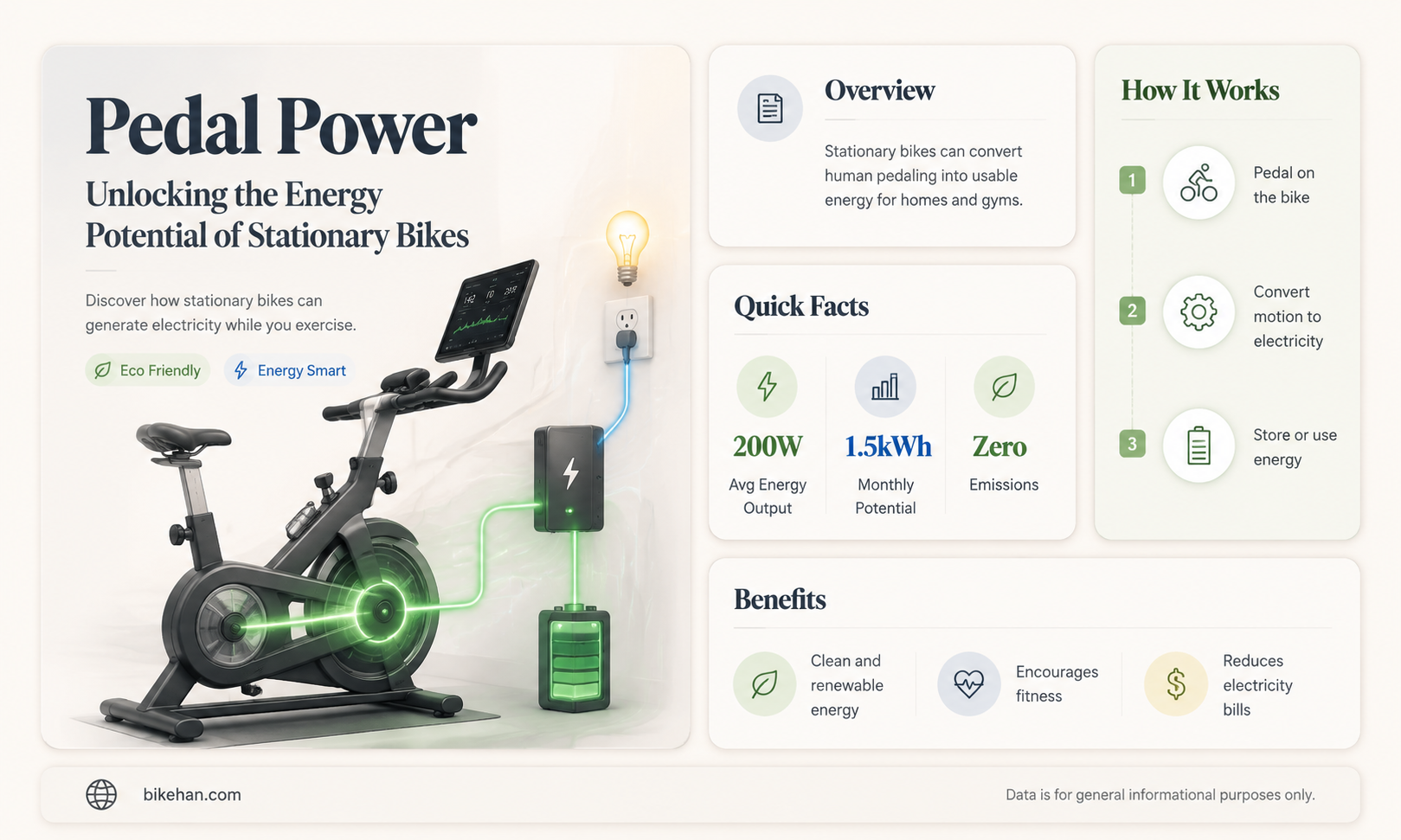
Stationary bikes, also known as exercise bikes, have become increasingly popular not only for fitness enthusiasts but also for those looking to generate electricity in an eco-friendly manner. The amount of power a stationary bike can generate depends on several factors, including the type of bike, the intensity of the workout, and the efficiency of the generator used. On average, a person can generate between 100 to 300 watts of power while riding a stationary bike at a moderate pace. This power can be harnessed to charge devices, power small appliances, or even contribute to the electricity grid in some cases. The concept of using human power to generate electricity is an innovative way to promote sustainable living and reduce reliance on non-renewable energy sources.
Explore related products


What You'll Learn

Factors Affecting Power Output
The power output of a stationary bike is influenced by several key factors, each playing a crucial role in determining the overall efficiency and effectiveness of the bike. Understanding these factors can help users optimize their workouts and achieve better results.
One of the primary factors affecting power output is the resistance level of the bike. Higher resistance levels require more effort from the user, resulting in increased power output. However, it's important to note that excessively high resistance can lead to fatigue and decreased efficiency over time.
Another significant factor is the cadence, or pedaling speed, of the user. Maintaining an optimal cadence can maximize power output while minimizing energy expenditure. Research suggests that a cadence of around 80-100 revolutions per minute (RPM) is most efficient for most individuals.
The user's body weight and composition also play a role in power output. Generally, individuals with higher body weights and more muscle mass can generate more power. However, this is not always the case, as factors such as fitness level and technique also come into play.
Additionally, the design and quality of the stationary bike itself can impact power output. Bikes with more advanced features, such as adjustable resistance and ergonomic design, can provide a more effective and efficient workout experience.
Finally, external factors such as temperature and humidity can also affect power output. High temperatures and humidity levels can lead to increased fatigue and decreased performance, so it's important to consider these factors when planning a workout.
By understanding and optimizing these factors, users can maximize their power output and achieve better results from their stationary bike workouts.
Optimal Paint Protection for Your Sport Bike: A Comprehensive Guide
You may want to see also
Explore related products


Average Power Generation
The average power generation of a stationary bike can vary significantly based on several factors, including the user's weight, fitness level, and the intensity of the workout. Typically, a stationary bike can generate between 100 to 300 watts of power during a moderate workout session. For instance, a 150-pound individual pedaling at a moderate pace might generate around 200 watts of power. This power output can be used to charge small electronic devices or contribute to the overall energy consumption of a household.
To maximize power generation, users can increase the resistance level on the bike, pedal faster, or maintain a higher cadence. High-intensity interval training (HIIT) sessions, where users alternate between periods of intense pedaling and recovery, can also boost power output. Additionally, incorporating strength training exercises, such as standing climbs or sprints, can help build muscle endurance and increase overall power generation over time.
It's important to note that the efficiency of power generation on a stationary bike can be influenced by the bike's design and technology. Modern stationary bikes equipped with advanced generators and energy-saving features can convert a higher percentage of the user's effort into usable power. For example, some high-end models can achieve conversion efficiencies of up to 80%, while older or less efficient models might only convert 30-40% of the user's energy into power.
In practical terms, the power generated by a stationary bike can be used to offset a small portion of a household's energy consumption. For example, a user who generates 200 watts of power for 30 minutes could potentially power a small fan or charge a smartphone multiple times. However, it's essential to consider the overall energy demands of a household and the limitations of a stationary bike when planning for energy usage.
To optimize power generation and energy efficiency, users should focus on maintaining a consistent workout routine, gradually increasing intensity, and ensuring that the stationary bike is well-maintained and functioning correctly. By doing so, individuals can maximize the benefits of their workouts while also contributing to a more sustainable energy consumption model.
Precision Packing: The Ideal Play in Axel for Bike Bearings
You may want to see also
Explore related products


Peak Power Capabilities
The peak power capabilities of a stationary bike are a critical factor to consider when evaluating its performance and potential applications. Stationary bikes, also known as exercise bikes or stationary bicycles, are designed to provide a controlled environment for physical exercise, rehabilitation, or even power generation. The peak power output of these bikes can vary significantly depending on several factors, including the type of bike, the user's physical condition, and the duration of the exercise session.
One of the primary considerations when assessing peak power capabilities is the type of stationary bike being used. There are three main types of stationary bikes: air resistance bikes, magnetic resistance bikes, and direct-contact bikes. Air resistance bikes, which use a fan to create resistance, typically have a higher peak power output than magnetic resistance bikes, which use a magnetic brake system. Direct-contact bikes, which simulate the feel of a real bike by using a flywheel and direct-contact resistance, can have peak power outputs similar to air resistance bikes but are generally more expensive and require more maintenance.
The user's physical condition also plays a significant role in determining the peak power output of a stationary bike. Factors such as age, weight, fitness level, and muscle strength can all impact the amount of power a user can generate. For example, a younger, fitter individual with a higher muscle mass will likely be able to generate more power than an older, less fit individual with less muscle mass. Additionally, the duration of the exercise session can affect peak power output, as fatigue can set in over time and reduce the user's ability to generate power.
In terms of specific values, the peak power output of a stationary bike can range from around 100 watts for a casual rider to over 1,000 watts for a highly trained athlete. For comparison, a typical household light bulb uses about 60 watts of power, so even a casual rider on a stationary bike can generate enough power to light several bulbs. However, it's important to note that these values are for peak power output and may not be sustainable over long periods of time.
To maximize peak power output on a stationary bike, users can focus on several key strategies. First, maintaining a high cadence (pedaling speed) can help increase power output by engaging more muscle fibers and improving cardiovascular efficiency. Second, incorporating interval training into the workout routine can help build strength and endurance, leading to higher peak power outputs. Finally, ensuring proper bike setup and maintenance, such as adjusting the seat height and resistance level, can help optimize performance and reduce the risk of injury.
In conclusion, the peak power capabilities of a stationary bike are influenced by a variety of factors, including the type of bike, the user's physical condition, and the duration of the exercise session. By understanding these factors and implementing strategies to maximize power output, users can get the most out of their stationary bike workouts and potentially generate significant amounts of power.
Pedal Power: Unlocking the Energy Potential of Human Cycling
You may want to see also
Explore related products



Efficiency Compared to Other Sources
Stationary bikes are often touted for their ability to generate electricity, but how efficient are they compared to other renewable energy sources? To answer this question, we need to delve into the specifics of energy output and compare it with other common renewable energy methods.
First, let's establish a baseline for comparison. A typical stationary bike can generate between 100 to 300 watts of power, depending on the model and the intensity of the workout. This is a relatively small amount of energy compared to other sources. For instance, a solar panel with a similar surface area could generate upwards of 250 watts under optimal conditions. Wind turbines, even small-scale ones, can produce significantly more power, often in the range of 500 to 1000 watts.
However, the efficiency of a stationary bike isn't just about raw power output. It's also about the consistency and reliability of the energy produced. Unlike solar and wind power, which are intermittent and dependent on weather conditions, the energy generated by a stationary bike is consistent and can be produced on demand. This makes it a valuable addition to a diversified energy portfolio, especially in situations where reliability is crucial.
Moreover, stationary bikes have the added benefit of being a form of exercise. This dual functionality means that the energy generated is essentially a byproduct of physical activity, which adds an extra layer of efficiency. In contrast, other renewable energy sources require dedicated infrastructure and resources to set up and maintain, without the added benefit of personal fitness.
In conclusion, while stationary bikes may not be the most efficient source of renewable energy in terms of raw power output, they offer unique advantages in terms of consistency, reliability, and dual functionality. When compared to other sources, they provide a valuable and complementary form of energy generation that can be particularly useful in specific contexts and applications.
Coating Your Ride: A Guide to Powder Amount for Bike Frames
You may want to see also
Explore related products


Applications and Uses of Generated Power
The power generated by a stationary bike can be harnessed for various practical applications, making it a versatile tool for sustainable energy production. One of the most common uses is to power small electronic devices such as smartphones, tablets, or LED lights. By connecting the bike to a generator or a battery storage system, users can convert the mechanical energy produced during cycling into electrical energy, which can then be used to charge devices or power household items.
In addition to powering small electronics, stationary bikes can also be used to generate electricity for larger appliances or even to supplement the power supply of a home. This is particularly useful in off-grid situations or during power outages, where a stationary bike can serve as a reliable source of backup power. Some innovative individuals have even used stationary bikes to power their entire homes, demonstrating the potential of this technology for sustainable living.
Furthermore, the power generated by stationary bikes can be used in educational settings to teach students about renewable energy and the principles of electricity generation. By incorporating stationary bikes into science classes or extracurricular activities, schools can provide hands-on learning experiences that help students understand the importance of sustainable energy sources and the role they can play in reducing carbon emissions.
Another application of stationary bike-generated power is in fitness centers or gyms, where the energy produced by multiple bikes can be used to power the facility's lighting, air conditioning, or other equipment. This not only reduces the gym's reliance on traditional energy sources but also creates a more environmentally conscious atmosphere for its members.
Finally, stationary bikes can be used in remote or rural areas where access to electricity is limited. By providing a means for individuals to generate their own power, stationary bikes can help improve the quality of life in these communities and support economic development. For example, a stationary bike could be used to power a small business, such as a mobile phone charging station or a refrigeration unit for storing perishable goods.
In conclusion, the applications and uses of generated power from stationary bikes are diverse and far-reaching. From powering small electronic devices to supplementing the energy supply of a home or community, stationary bikes offer a sustainable and practical solution for energy production. By harnessing the power of human activity, we can reduce our reliance on fossil fuels and contribute to a more environmentally friendly future.
Finding the Perfect Balance: Optimal Play for Bike Wheel Hubs
You may want to see also
Frequently asked questions
The amount of power a stationary bike can generate depends on several factors, including the model of the bike, the resistance level, and the intensity of the workout. On average, a stationary bike can generate between 100 to 300 watts of power during a vigorous workout.
The power output of a stationary bike is influenced by factors such as the resistance level set on the bike, the speed at which the pedals are turned, the weight and fitness level of the user, and the duration of the workout. Higher resistance levels and faster pedaling speeds generally result in higher power output.
Yes, some stationary bikes are equipped with generators that can convert the mechanical energy produced during a workout into electrical energy. This energy can then be used to charge devices such as smartphones or tablets, or to power small appliances. However, the amount of power generated is typically limited and may not be sufficient to power larger appliances.
Compared to other forms of exercise equipment, such as treadmills or ellipticals, stationary bikes generally produce less power. This is because the motion of cycling is more efficient and requires less energy to maintain than running or elliptical movements. However, stationary bikes can still provide an effective cardiovascular workout and help users burn calories and build muscle.
To increase the power output of a stationary bike workout, users can try the following strategies:
- Increase the resistance level on the bike
- Pedal at a faster speed
- Incorporate interval training, alternating between high-intensity and low-intensity periods
- Use a weighted vest or add weights to the bike
- Focus on proper form and technique to maximize efficiency and power output