Eric Johnson

Cycling is an excellent form of exercise that not only strengthens the cardiovascular system but also helps in burning calories. The number of calories burned during a one-hour bike ride can vary significantly depending on several factors, including the rider's weight, intensity of the ride, and the terrain. On average, a person weighing around 155 pounds (70 kilograms) can burn approximately 400-500 calories per hour of moderate cycling. However, if the intensity is increased or the ride includes uphill segments, this number can rise substantially. For instance, vigorous cycling or mountain biking can burn up to 600-1000 calories per hour for the same individual. It's important to note that these are general estimates, and actual calorie burn can differ based on individual fitness levels and cycling efficiency.
| Characteristics | Values |
|---|---|
| Activity | Biking |
| Duration | 1 hour |
| Intensity | Moderate |
| Calories Burned | 400-600 |
| Factors | Weight, speed, resistance |
| Weight | 150 lbs (68 kg) |
| Speed | 10 mph (16 km/h) |
| Resistance | Low |
| Terrain | Flat |
| Weather | Clear |
| Clothing | Comfortable athletic wear |
| Equipment | Standard bicycle |
| Additional Info | Proper hydration and nutrition recommended |
| Variations | Calories may vary based on individual factors |
| Health Benefits | Cardiovascular fitness, muscle strengthening |
| Environmental Impact | Low carbon footprint |
| Safety | Wear helmet, follow traffic rules |
Explore related products



What You'll Learn

Factors Affecting Calorie Burn
Several factors can significantly influence the number of calories burned during a one-hour bike ride. Understanding these variables can help tailor your cycling workout to meet specific fitness goals.
Firstly, the intensity of your ride plays a crucial role. High-intensity cycling, such as sprinting or climbing steep hills, can burn more calories than a leisurely ride. For instance, a vigorous cycling session can burn up to 1,000 calories per hour, while a moderate pace might burn around 400-600 calories.
Secondly, your body weight affects calorie burn. The more you weigh, the more energy your body needs to expend to move. For example, a 150-pound person cycling at a moderate pace might burn 400 calories in an hour, whereas a 200-pound person could burn around 530 calories under the same conditions.
Thirdly, the duration and frequency of your cycling sessions impact overall calorie burn. While a single hour of cycling can provide a significant calorie deficit, consistency is key. Regular cycling, even if it’s just a few times a week, can lead to sustained weight loss and improved fitness.
Lastly, environmental factors such as terrain and weather conditions can also influence calorie expenditure. Cycling on hilly terrain or in windy conditions requires more effort and thus burns more calories. For example, cycling uphill can increase calorie burn by up to 50% compared to riding on flat ground.
In summary, to maximize calorie burn during a one-hour bike ride, consider increasing the intensity, maintaining a consistent cycling routine, and choosing challenging terrains. These factors, combined with regular physical activity, can contribute to achieving your fitness objectives.
Pedal Power: Unraveling the Calorie Burn of Outdoor Biking
You may want to see also
Explore related products





Average Calorie Burn per Hour
The average calorie burn per hour during cycling can vary significantly based on several factors, including the cyclist's weight, the intensity of the ride, and the terrain. For a general estimate, a person weighing 155 pounds (70 kg) can expect to burn approximately 590 calories per hour of moderate cycling, defined as a pace of about 12-14 miles per hour (19-23 km/h). However, this is just a baseline figure, and actual calorie expenditure can differ widely.
For instance, increasing the intensity to a vigorous level, such as cycling at 16-18 miles per hour (26-29 km/h), can boost the calorie burn to around 840 calories per hour for the same individual. On the other hand, a leisurely pace of 10 miles per hour (16 km/h) might result in a calorie burn closer to 400 calories per hour. These variations highlight the importance of considering personal factors and cycling conditions when estimating calorie expenditure.
Terrain also plays a crucial role in calorie burn. Cycling uphill requires significantly more energy than riding on flat ground or downhill. For example, a 155-pound cyclist pedaling uphill at a moderate pace can burn up to 1,100 calories per hour, nearly double the expenditure of flat-ground cycling at the same intensity. This increased calorie burn is due to the additional effort required to overcome gravity and maintain balance while ascending.
To maximize calorie burn during a cycling session, it's essential to incorporate interval training, which involves alternating between periods of high intensity and recovery. This approach not only increases the overall calorie expenditure but also improves cardiovascular fitness and endurance. Additionally, ensuring proper hydration and nutrition before and after cycling can help optimize performance and recovery.
In summary, while the average calorie burn per hour of cycling can be estimated based on weight and intensity, individual factors and cycling conditions must be taken into account for a more accurate assessment. By understanding these variables and incorporating strategies like interval training, cyclists can effectively manage their calorie expenditure and enhance their overall fitness.
Rev Up Your Indoor Cycling: Calories Burned on a Bike Trainer
You may want to see also
Explore related products


Intensity and Calorie Expenditure
The intensity of your bike ride plays a crucial role in determining the number of calories you burn. A leisurely ride at a low intensity will burn fewer calories compared to a high-intensity cycling session. This is because the body requires more energy, in the form of calories, to sustain higher levels of physical exertion. For instance, a person weighing 150 pounds (68 kg) can burn approximately 240 calories in an hour of moderate cycling, whereas the same person can burn around 480 calories in an hour of vigorous cycling.
Calorie expenditure during cycling is also influenced by factors such as body weight, cycling speed, and the terrain. Heavier individuals will burn more calories than lighter individuals for the same duration and intensity of cycling. Similarly, cycling uphill or on rough terrain will require more energy and thus result in higher calorie expenditure compared to cycling on flat, smooth surfaces.
To maximize calorie burn during a bike ride, it's essential to maintain a high intensity. This can be achieved through interval training, where you alternate between periods of high-intensity cycling and lower-intensity recovery periods. For example, you could cycle at a high intensity for 30 seconds, followed by a 30-second recovery period at a lower intensity, and repeat this cycle for the duration of your ride.
Another effective strategy to increase calorie expenditure is to incorporate strength training exercises into your cycling routine. This can be done by adding resistance bands or weights to your bike, or by performing bodyweight exercises such as squats and lunges during breaks in your ride. These exercises will help build muscle, which in turn will increase your resting metabolic rate and lead to higher overall calorie expenditure.
In conclusion, the intensity of your bike ride, along with factors such as body weight, cycling speed, and terrain, significantly impacts the number of calories you burn. By maintaining a high intensity, incorporating interval training, and adding strength training exercises to your routine, you can maximize your calorie expenditure and achieve your fitness goals more effectively.
Calories Burned in an Hour of Stationary Biking: A Comprehensive Guide
You may want to see also
Explore related products

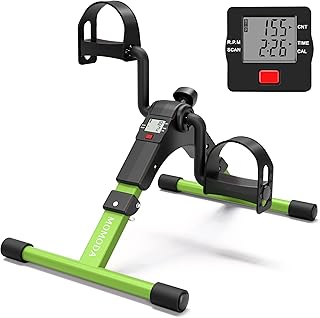


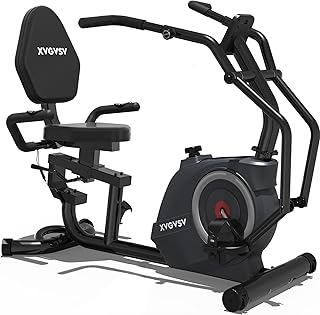

Body Weight and Cycling Efficiency
Cycling efficiency is significantly influenced by body weight. Heavier riders require more energy to propel themselves forward, which translates to higher calorie expenditure. Conversely, lighter riders can maintain the same speed with less effort, burning fewer calories. This relationship is governed by the principle of power-to-weight ratio, a key factor in cycling performance.
To illustrate this, consider two cyclists: one weighing 150 pounds and another weighing 200 pounds. Both cyclists are riding at a moderate pace of 15 miles per hour. The 150-pound cyclist will burn approximately 400 calories per hour, while the 200-pound cyclist will burn around 533 calories per hour. This difference of 133 calories is solely due to the increased energy required to move the additional 50 pounds of body weight.
Furthermore, body composition plays a role in cycling efficiency. Cyclists with a higher percentage of lean muscle mass tend to be more efficient, as muscle is more metabolically active than fat. This means that two cyclists of the same weight but different body compositions may burn different amounts of calories during the same ride.
In terms of practical application, cyclists looking to improve their efficiency and reduce calorie expenditure should focus on maintaining a healthy body weight and increasing their lean muscle mass. This can be achieved through a combination of regular cycling, strength training, and a balanced diet. By doing so, cyclists can enhance their performance while also enjoying the health benefits associated with a lower body weight and higher muscle mass.
In conclusion, body weight and cycling efficiency are closely linked. Understanding this relationship can help cyclists optimize their training and nutrition strategies to improve their performance and overall health.
Burn Calories Fast: 15-Minute Bike Ride Workout
You may want to see also
Explore related products


Additional Tips for Maximizing Calorie Loss
To maximize calorie loss during your cycling sessions, consider incorporating interval training. This involves alternating between periods of high-intensity cycling and lower-intensity recovery phases. For instance, you could cycle at a high intensity for 30 seconds, followed by a 30-second recovery period at a lower intensity. This method has been shown to increase calorie burn both during and after exercise due to the body's increased metabolic rate.
Another effective strategy is to vary your cycling terrain. Incorporating hills or incline into your route can significantly increase the calorie expenditure as your body works harder to maintain speed and balance. If you're using a stationary bike, adjust the resistance settings to simulate different terrains and keep your muscles engaged.
Monitoring your heart rate can also help optimize your calorie burn. Aim to maintain a heart rate within your aerobic zone, which is typically between 60-80% of your maximum heart rate. This ensures that you're working out efficiently without pushing your body into anaerobic mode, which can lead to quicker fatigue and reduced calorie burn over time.
Additionally, staying hydrated and fueling your body with the right nutrients can enhance your cycling performance and calorie loss. Drink plenty of water before, during, and after your ride, and consider consuming a balanced meal or snack containing carbohydrates and protein within 30 minutes post-exercise to aid in muscle recovery and metabolism.
Lastly, consistency is key. Aim to incorporate regular cycling sessions into your fitness routine, gradually increasing the duration and intensity as your fitness level improves. This will not only help you burn more calories in the short term but also contribute to long-term weight management and overall health.
Rev Up Your Metabolism: The Calorie-Burning Power of Ab Bikes Unveiled
You may want to see also
Frequently asked questions
The number of calories burned in one hour of biking depends on several factors, including your weight, the intensity of your ride, and the type of bicycle you're using. On average, a person weighing 155 pounds (70 kg) can burn approximately 596 calories per hour of moderate-intensity cycling.
Yes, the type of bike can affect the number of calories burned. For example, road bikes are generally lighter and more aerodynamic, which means you can ride faster and burn more calories. Mountain bikes, on the other hand, are heavier and designed for off-road terrain, which can result in a slower ride and fewer calories burned.
There are several ways to increase the number of calories burned while biking. You can increase the intensity of your ride by pedaling faster or tackling hills. You can also increase the duration of your ride or add resistance by using a stationary bike with adjustable settings. Additionally, incorporating interval training or high-intensity interval training (HIIT) into your biking routine can help you burn more calories.