Ryan Cole

To effectively lose calories using a static bike, it's essential to understand the relationship between exercise intensity, duration, and caloric expenditure. The number of calories burned during a static biking session can vary significantly based on several factors, including your weight, the resistance level, and the length of your workout. On average, a person weighing 155 pounds (70 kg) can burn approximately 260 calories in a 30-minute moderate-intensity static biking session. However, this number can increase to around 400-500 calories or more in a high-intensity interval training (HIIT) session of the same duration. It's also important to consider that building muscle through resistance training can increase your resting metabolic rate, leading to more calories burned even when you're not exercising. Therefore, incorporating a mix of moderate and high-intensity sessions, along with resistance training, can maximize your caloric expenditure and help you achieve your fitness goals more efficiently.
Explore related products


What You'll Learn
- Calorie Burn Rate: Factors influencing calorie burn during stationary bike workouts, such as intensity and duration
- Weight Loss Goals: How to set realistic weight loss targets using stationary biking as a primary exercise
- Diet and Nutrition: Importance of a balanced diet in conjunction with regular stationary biking for effective weight loss
- Workout Plans: Sample workout schedules for stationary biking to maximize calorie burn and weight loss
- Tracking Progress: Methods for monitoring and evaluating progress in weight loss and fitness through stationary biking

Calorie Burn Rate: Factors influencing calorie burn during stationary bike workouts, such as intensity and duration
The calorie burn rate during stationary bike workouts is influenced by several key factors, primarily intensity and duration. Intensity refers to how hard you are working during the workout, which can be measured in terms of resistance, speed, or heart rate. The higher the intensity, the more calories you will burn. For example, a high-intensity interval training (HIIT) session on a stationary bike can burn significantly more calories than a low-intensity, steady-state ride of the same duration.
Duration is another critical factor in determining calorie burn. The longer you ride, the more calories you will burn, assuming intensity remains constant. However, it's important to note that the body's efficiency can change over time, meaning that as you become more fit, you may burn fewer calories at the same intensity and duration. This is because your body becomes more efficient at using energy, which is a positive adaptation but can make it more challenging to lose weight or maintain weight loss.
Other factors that can influence calorie burn during stationary bike workouts include your body weight, age, and fitness level. Generally, heavier individuals will burn more calories than lighter individuals at the same intensity and duration. Younger individuals tend to have higher metabolisms, which can also result in a higher calorie burn rate. Additionally, those who are more fit may have a higher calorie burn rate due to increased muscle mass and a more efficient cardiovascular system.
To maximize calorie burn during stationary bike workouts, it's essential to vary both intensity and duration. Incorporating HIIT sessions, where you alternate between high and low intensity, can be particularly effective. Additionally, gradually increasing the duration of your workouts over time can help you continue to challenge your body and burn more calories. Remember, consistency is key, and regular workouts will yield better results than sporadic, intense sessions.
In summary, the calorie burn rate during stationary bike workouts is a complex interplay of intensity, duration, body weight, age, and fitness level. By understanding these factors and tailoring your workouts accordingly, you can optimize your calorie burn and achieve your fitness goals more effectively.
Torch Calories with Assault Bike: Your Ultimate Fitness Companion
You may want to see also
Explore related products


Weight Loss Goals: How to set realistic weight loss targets using stationary biking as a primary exercise
Setting realistic weight loss goals is crucial when using stationary biking as your primary exercise. A common pitfall is aiming for rapid weight loss, which can be unsustainable and potentially harmful. Instead, focus on gradual, consistent progress. A safe and effective target is to lose 1-2 pounds per week. This may seem modest, but it translates to a significant reduction in body fat over time. For instance, losing 1 pound per week for 12 weeks results in a 12-pound weight loss, which can greatly improve overall health and fitness.
To achieve these goals, it's essential to create a calorie deficit through a combination of diet and exercise. Stationary biking can help you burn a substantial number of calories, but it's equally important to monitor your food intake. Use a calorie tracking app to ensure you're consuming fewer calories than you're burning. Aim for a daily deficit of 500-1000 calories to support your weight loss objectives.
In addition to calorie management, the intensity and duration of your stationary biking sessions play a key role in weight loss. Incorporate interval training into your routine to maximize calorie burn. Alternate between high-intensity sprints and moderate-intensity recovery periods. For example, perform 30 seconds of all-out pedaling followed by 1-2 minutes of moderate cycling. Repeat this pattern throughout your workout to keep your metabolism elevated.
Consistency is another critical factor. Aim to bike at least 5 days per week, with a minimum of 30 minutes per session. As you progress, gradually increase the duration and intensity of your workouts to continue challenging your body and promoting weight loss.
Lastly, don't forget to stay hydrated and get adequate rest. Proper hydration and sleep are essential for recovery and overall health, which in turn supports your weight loss efforts. By following these guidelines and maintaining a consistent, balanced approach, you can achieve your weight loss goals using stationary biking as a primary exercise.
Calorie Burn Breakdown: Your Guide to Losing Weight by Biking 2 Miles
You may want to see also
Explore related products


Diet and Nutrition: Importance of a balanced diet in conjunction with regular stationary biking for effective weight loss
A balanced diet plays a crucial role in weight loss, especially when combined with regular exercise such as stationary biking. While biking can help burn calories and build muscle, a poor diet can negate these benefits and hinder progress. To effectively lose weight, it's essential to create a calorie deficit by consuming fewer calories than the body burns. This can be achieved through a combination of reducing portion sizes, choosing nutrient-dense foods, and increasing physical activity.
When it comes to stationary biking, the intensity and duration of the workout will determine the number of calories burned. A moderate-intensity workout of 30-60 minutes can burn anywhere from 200-600 calories, depending on the individual's weight and fitness level. However, if the diet is not in check, the body may not be able to utilize these burned calories effectively for weight loss.
A balanced diet for weight loss should include a variety of whole foods such as fruits, vegetables, lean proteins, and whole grains. These foods provide essential nutrients and fiber, which can help keep the body feeling full and satisfied while reducing overall calorie intake. It's also important to limit processed and high-calorie foods, such as sugary drinks, fast food, and snacks, which can quickly add up and sabotage weight loss efforts.
In addition to a balanced diet, regular stationary biking can help improve cardiovascular health, build muscle strength, and increase endurance. By combining a healthy diet with consistent exercise, individuals can create a sustainable weight loss plan that yields long-term results. Remember, weight loss is not a quick fix, but rather a journey that requires patience, dedication, and a commitment to making healthy lifestyle choices.
Rev Up Your Metabolism: Calories Burned on an Exercise Bike
You may want to see also
Explore related products


Workout Plans: Sample workout schedules for stationary biking to maximize calorie burn and weight loss
To maximize calorie burn and weight loss on a stationary bike, it's essential to structure your workouts strategically. A well-designed workout plan can help you achieve your fitness goals more efficiently. Here's a sample workout schedule that focuses on high-intensity interval training (HIIT), which is known for its effectiveness in burning calories and improving cardiovascular health:
Warm-up:
5 minutes of light pedaling at a moderate pace to increase your heart rate and prepare your muscles for the workout.
HIIT Workout:
- 30 seconds of intense pedaling at a high resistance level, followed by 30 seconds of recovery at a low resistance level. Repeat this cycle for a total of 20 minutes.
- Increase the resistance level gradually over time as your fitness level improves.
Cool-down:
5 minutes of light pedaling at a moderate pace to help your body recover and prevent muscle soreness.
This workout plan is designed to be done 3-4 times a week, with at least one day of rest in between to allow your muscles to recover. It's important to listen to your body and adjust the intensity and duration of your workouts based on your fitness level and how you feel.
In addition to this workout plan, it's also important to focus on your diet and overall lifestyle to support your weight loss goals. Eating a balanced diet rich in whole foods, getting enough sleep, and managing stress can all contribute to your success.
Remember, consistency is key when it comes to seeing results. Stick to your workout plan and make healthy choices in your daily life, and you'll be on your way to achieving your fitness goals.
Cycling Calories: Unraveling the Mystery of Miles and Burn
You may want to see also
Explore related products


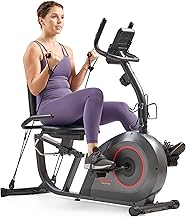


Tracking Progress: Methods for monitoring and evaluating progress in weight loss and fitness through stationary biking
To effectively track progress in weight loss and fitness through stationary biking, it's essential to establish clear, measurable goals. Begin by setting specific targets for the number of calories you aim to burn per session, the duration of your workouts, and the frequency of your exercise routine. For instance, you might start with a goal of burning 300 calories in a 30-minute session, three times a week. As you become more accustomed to the exercise, gradually increase the intensity and duration of your workouts to continue challenging your body and promoting weight loss.
Utilize technology to monitor your progress accurately. Many stationary bikes come equipped with built-in displays that track calories burned, distance traveled, and workout duration. Additionally, consider using a heart rate monitor to ensure you're exercising within an optimal intensity zone for maximum calorie burn and cardiovascular benefit. There are also various mobile apps and wearable devices available that can sync with your stationary bike and provide detailed analytics on your workout performance.
Keep a workout log to record your progress over time. This can be a simple notebook or a digital spreadsheet where you note the date, duration, intensity, and calories burned for each session. Regularly reviewing your log will help you identify trends, celebrate achievements, and pinpoint areas where you may need to adjust your routine. For example, if you notice that you're consistently burning fewer calories than your goal, you might need to increase the resistance on your bike or incorporate interval training to boost your metabolism.
In addition to tracking your workouts, pay attention to other indicators of progress such as changes in your body composition, energy levels, and overall health. Take body measurements periodically to monitor changes in your waist, hips, and thighs, and consider having your body fat percentage assessed by a fitness professional. Notice how your clothes fit and how you feel throughout the day, as these can be valuable indicators of your fitness and weight loss progress.
Finally, stay motivated by setting rewards for reaching your goals and milestones. This could be something as simple as treating yourself to a new workout outfit or enjoying a relaxing bath after a particularly challenging session. By acknowledging and celebrating your achievements, you'll be more likely to stay committed to your fitness routine and continue making progress towards your weight loss goals.
Calories Burned in an Hour of Stationary Biking: A Comprehensive Guide
You may want to see also
Frequently asked questions
On average, a person can burn between 200 to 300 calories in 30 minutes on a stationary bike, depending on their weight, intensity level, and overall fitness.
While 30 minutes on a stationary bike can contribute to weight loss, it's important to combine it with a balanced diet and other forms of exercise for optimal results. Consistency and intensity play key roles in achieving weight loss goals.
The intensity of your stationary bike workout directly impacts calorie burn. Higher intensity levels, such as vigorous cycling or interval training, can significantly increase the number of calories burned during and after your workout.