Eric Johnson

The question of how many calories are burned during a one-mile bike ride is a common inquiry among fitness enthusiasts and those looking to track their energy expenditure. The answer can vary depending on several factors, including the rider's weight, the intensity of the ride, and the terrain. On average, a person weighing 155 pounds (70 kilograms) can expect to burn approximately 50-60 calories per mile when cycling at a moderate pace. However, this number can increase significantly when cycling uphill or at higher speeds. For a more accurate estimate, it's essential to consider individual factors and use tools like heart rate monitors or calorie tracking apps.
Explore related products



What You'll Learn

Factors Affecting Calorie Burn
Several factors can significantly influence the number of calories burned during a bike ride. One of the primary determinants is the rider's body weight. Heavier individuals tend to burn more calories because their bodies require more energy to perform the same amount of work. For instance, a 150-pound person might burn around 400 calories in an hour of moderate cycling, while a 200-pound person could burn closer to 530 calories under the same conditions.
Another crucial factor is the intensity of the ride. Vigorous cycling will naturally burn more calories than a leisurely pace. This is because high-intensity exercise engages more muscle groups and increases the heart rate more significantly, leading to higher energy expenditure. For example, if a cyclist increases their speed from 10 miles per hour to 20 miles per hour, they could potentially double their calorie burn rate.
The terrain also plays a role in calorie burn. Riding uphill requires more effort and thus burns more calories than riding on flat ground or downhill. This is due to the increased resistance and the need for more power to overcome gravity. Cyclists who incorporate hills into their routes will find that their calorie burn increases substantially compared to those who stick to flat terrain.
Additionally, the duration of the ride affects total calorie burn. Longer rides will naturally result in more calories burned, assuming the intensity remains consistent. However, it's also important to note that the body's efficiency can change over time. As a cyclist becomes more fit, their body may become more efficient at using energy, which could slightly reduce the number of calories burned during a ride of the same duration and intensity.
Lastly, external factors such as wind resistance and temperature can also impact calorie burn. Riding into a strong headwind requires more effort and thus burns more calories, while tailwinds can reduce the energy needed. Similarly, cycling in hot weather can increase calorie burn due to the additional energy required to cool the body.
Understanding these factors can help cyclists tailor their rides to maximize calorie burn and achieve their fitness goals more effectively. By incorporating varied terrain, adjusting intensity, and considering external conditions, cyclists can create workouts that are both challenging and efficient.
Pedal Power: Unraveling the Calorie Burn of Outdoor Biking
You may want to see also
Explore related products





Average Calorie Expenditure
The average calorie expenditure for biking one mile can vary significantly based on several factors, including the cyclist's weight, the intensity of the ride, and the terrain. For a 150-pound person, a leisurely bike ride of one mile might burn approximately 40-50 calories, while a more vigorous ride could burn upwards of 100 calories. This variation is due to the difference in energy required to pedal at higher speeds or against greater resistance.
To calculate a more precise estimate of calorie expenditure, one can use the formula: Calories burned = (METs x 3.5 x weight in kg) / 200, where METs (Metabolic Equivalent Tasks) represent the intensity of the activity. For biking, METs can range from 4-10 depending on the speed and effort. For instance, a moderate bike ride of one mile might have a MET value of 6, which would translate to approximately 60 calories burned for a 150-pound person.
It's also important to consider the cumulative effect of biking over time. While a single mile may not seem like much, regular biking can lead to significant calorie expenditure and weight loss. For example, biking one mile per day for a month could result in burning an additional 2,000-3,000 calories, depending on the intensity and the individual's weight.
In addition to the direct calorie burn, biking also has other health benefits that can contribute to overall weight management and fitness. These include improved cardiovascular health, increased muscle strength, and enhanced mental well-being. By incorporating biking into a regular exercise routine, individuals can not only burn calories but also improve their overall health and fitness levels.
To maximize calorie expenditure while biking, it's recommended to vary the intensity and duration of the rides. Interval training, which involves alternating between high-intensity and low-intensity periods, can be particularly effective in increasing calorie burn. Additionally, incorporating hills or resistance training into the biking routine can also help to boost calorie expenditure and build muscle strength.
In conclusion, while the average calorie expenditure for biking one mile may seem relatively low, the cumulative effects of regular biking can be significant. By understanding the factors that influence calorie burn and incorporating strategies to maximize expenditure, individuals can use biking as an effective tool for weight management and overall fitness.
Rev Up Your Fitness: Calories Burned Biking for Navy PRT
You may want to see also
Explore related products


Intensity and Duration
The number of calories burned during a bike ride is influenced by two key factors: intensity and duration. Intensity refers to how hard you are working during the ride, which can be measured by your heart rate, perceived exertion, or speed. Duration, on the other hand, is the length of time you spend cycling. A higher intensity workout will burn more calories in a shorter amount of time, while a lower intensity workout will burn fewer calories over a longer period.
For example, a 30-minute high-intensity interval training (HIIT) bike workout can burn anywhere from 300 to 500 calories, depending on the individual's weight and fitness level. In contrast, a leisurely 60-minute bike ride at a moderate pace might burn around 200 to 300 calories. This difference in calorie burn is due to the increased metabolic demand of high-intensity exercise, which requires more energy to be expended.
When considering the calorie burn of a bike ride, it's also important to factor in the afterburn effect, also known as excess post-exercise oxygen consumption (EPOC). This is the increased rate at which your body burns calories after exercise, as it works to return to its resting state. High-intensity workouts tend to have a greater afterburn effect, meaning you may continue to burn additional calories for several hours after completing your ride.
To maximize calorie burn during a bike ride, you can incorporate interval training, hill climbs, or other forms of high-intensity exercise. Additionally, increasing the duration of your ride will also contribute to a higher overall calorie expenditure. However, it's important to balance intensity and duration to avoid overtraining and ensure proper recovery.
In summary, the intensity and duration of your bike ride play a significant role in determining the number of calories burned. By incorporating high-intensity intervals and longer ride durations, you can increase your calorie expenditure and achieve your fitness goals more effectively.
Rev Up Your Workout: Calorie-Burning Benefits of Desk Biking
You may want to see also
Explore related products
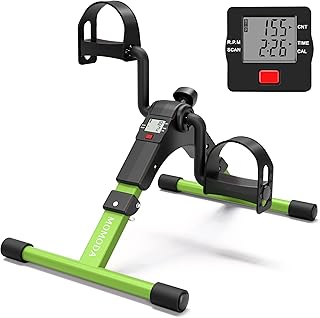


Individual Variations
The number of calories burned during a mile-long bike ride can vary significantly from person to person. This variation is influenced by several factors, including body weight, cycling intensity, and individual metabolic rates. For instance, a person weighing 150 pounds may burn approximately 50-60 calories per mile at a moderate pace, while someone weighing 200 pounds could burn around 70-80 calories per mile under similar conditions.
Cycling intensity also plays a crucial role in calorie expenditure. Vigorous cycling can increase the calorie burn rate substantially. For example, a 150-pound individual cycling at a high intensity might burn between 80-100 calories per mile, whereas a 200-pound person could burn upwards of 120 calories per mile. This highlights the importance of considering one's fitness level and cycling pace when estimating calorie burn.
Metabolic rate, which is the speed at which the body burns calories, varies among individuals as well. Factors such as age, gender, and muscle mass can influence metabolic rates. Generally, men tend to have higher metabolic rates than women, and younger individuals have higher rates than older adults. Additionally, people with more muscle mass typically have faster metabolisms, leading to higher calorie expenditure during physical activities like cycling.
To accurately estimate the number of calories burned during a bike ride, it's essential to consider these individual variations. Using online calorie calculators or fitness trackers that take into account personal details such as weight, age, and activity level can provide a more precise estimate. Moreover, monitoring heart rate during cycling can help gauge the intensity of the workout, allowing for adjustments to be made for more accurate calorie tracking.
In summary, the number of calories burned per mile while cycling is not a one-size-fits-all figure. It is influenced by a combination of factors, including body weight, cycling intensity, and individual metabolic rates. By understanding and accounting for these variations, individuals can better estimate their calorie expenditure and tailor their cycling workouts to meet their fitness goals.
Calories Burned in a 4-Mile Bike Ride: A Comprehensive Guide
You may want to see also
Explore related products


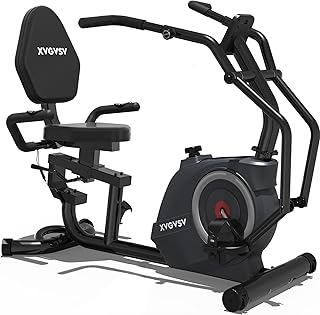


Calculation Methods
To accurately determine the number of calories burned during a one-mile bike ride, several calculation methods can be employed. Each method offers a different level of precision and takes into account various factors that influence caloric expenditure.
One common approach is to use a general formula that estimates calories burned based on body weight and the duration of the activity. For cycling, the formula is typically:
\[ \text{Calories burned} = \text{Body weight in pounds} \times \text{Duration in hours} \times \text{MET value for cycling} \]
The MET (Metabolic Equivalent Task) value for cycling varies depending on the intensity, but a moderate pace usually has a MET value of around 4.0. This formula provides a rough estimate but does not account for individual differences in fitness level, age, or gender.
A more personalized method involves using a heart rate monitor to track the cyclist's heart rate during the ride. By knowing the individual's resting heart rate and maximum heart rate, it's possible to calculate the heart rate reserve and then estimate the calories burned based on the percentage of the reserve used during the activity. This method offers a more accurate assessment of caloric expenditure but requires additional equipment and personal data.
Another advanced method is to use a power meter on the bicycle, which measures the actual power output in watts. By integrating the power data over the duration of the ride, it's possible to calculate the total energy expended in joules, which can then be converted to calories. This method is highly accurate but requires specialized equipment and is typically used by serious athletes or researchers.
In addition to these methods, there are various online calculators and mobile apps that can estimate calories burned based on user-input data such as weight, height, age, gender, and activity duration. These tools often use a combination of the aforementioned methods and provide a convenient way for individuals to track their caloric expenditure during cycling and other activities.
When choosing a calculation method, it's important to consider the level of accuracy required, the availability of equipment, and the individual's specific needs and goals. For most casual cyclists, a general formula or online calculator may suffice, while serious athletes or those with specific fitness objectives may benefit from more advanced methods such as heart rate monitoring or power meter analysis.
Elliptical Bike Workout: Calories Burned and Fitness Benefits Revealed
You may want to see also
Frequently asked questions
The number of calories burned biking one mile varies depending on factors such as weight, intensity, and duration. On average, a person weighing 155 pounds (70 kg) burns about 59 calories biking one mile at a moderate pace.
Yes, the intensity of biking significantly affects calorie burn. Higher intensity biking, such as vigorous cycling or racing, burns more calories per mile compared to leisurely or moderate-paced biking.
A person's weight directly influences the number of calories burned biking one mile. Generally, the more a person weighs, the more calories they will burn biking the same distance due to the increased energy required to move their body.
Biking one mile at a moderate pace can contribute to weight loss as part of an overall exercise and diet plan. While the calorie burn from a single mile may not be substantial, consistent biking over time can help create a calorie deficit necessary for weight loss.