Megan Blake
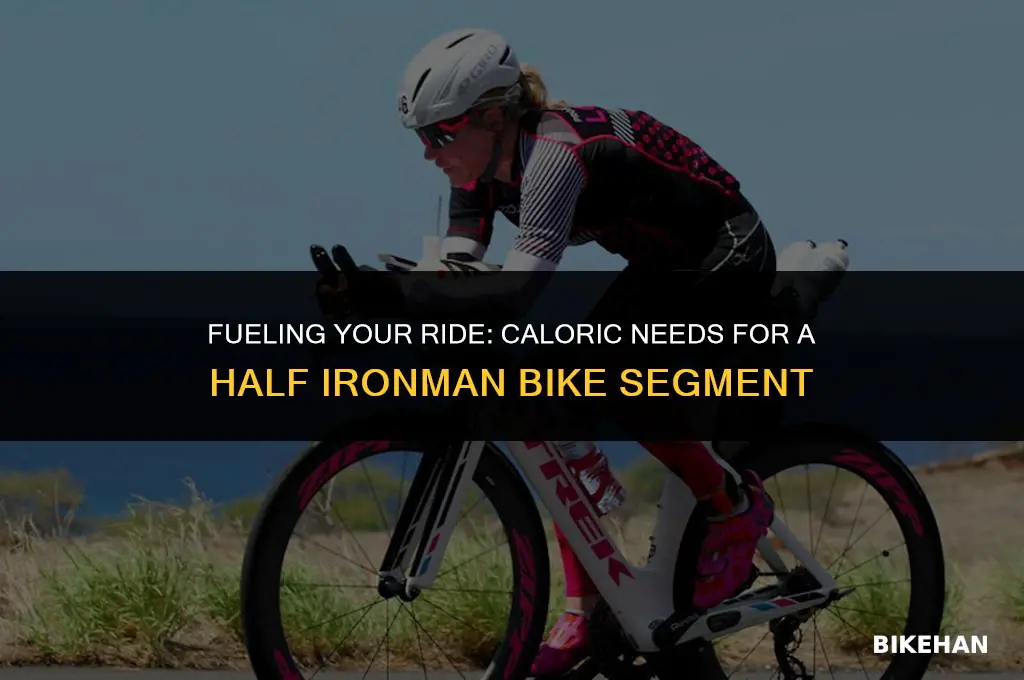
A half Ironman bike segment covers a distance of 56 miles (90 kilometers) and requires a significant amount of energy and endurance from the athlete. The number of calories burned during this segment can vary greatly depending on several factors, including the cyclist's weight, intensity level, and overall fitness. On average, a 150-pound (68 kg) cyclist can expect to burn approximately 2,000 to 2,500 calories during a half Ironman bike segment at a moderate intensity. However, for more experienced or heavier cyclists, this number can increase to 3,000 calories or more. It's essential for athletes to properly fuel and hydrate before and during the event to maintain their energy levels and prevent fatigue.
Explore related products


What You'll Learn
- Caloric Burn Rate: Factors influencing calorie burn during a half Ironman bike segment
- Athlete Weight: How an athlete's weight impacts the number of calories burned cycling
- Bike Speed: The relationship between cycling speed and caloric expenditure in a half Ironman
- Terrain and Elevation: How changes in terrain and elevation affect calorie burn during the bike portion
- Nutrition and Hydration: Strategies for managing calorie intake and hydration during a half Ironman bike segment

Caloric Burn Rate: Factors influencing calorie burn during a half Ironman bike segment
Several factors can significantly influence an athlete's caloric burn rate during the bike segment of a half Ironman. Understanding these factors is crucial for optimizing nutrition and energy expenditure. One primary factor is the athlete's body weight; generally, the more a person weighs, the more calories they will burn due to the increased energy required to move a heavier body. Additionally, the intensity of the effort, measured in terms of power output or heart rate, plays a major role. Higher intensities lead to greater caloric expenditure.
Another important consideration is the terrain and environmental conditions. Riding uphill or in windy conditions increases the workload and, consequently, the caloric burn. Conversely, riding on flat terrain or in calm conditions will result in fewer calories burned. The duration of the bike segment also affects total caloric expenditure; longer rides will naturally burn more calories.
Athletes should also consider their individual metabolic rates and efficiency. Some individuals may have a higher resting metabolic rate or be more efficient at utilizing energy, which can impact their overall caloric burn. Furthermore, the type of fuel used—whether it's carbohydrates, fats, or proteins—can influence caloric expenditure, as different macronutrients have varying energy densities and utilization rates.
To optimize caloric burn and performance during a half Ironman bike segment, athletes should focus on a combination of these factors. This includes maintaining an optimal body weight, training to increase power output and endurance, strategizing nutrition to ensure adequate energy availability, and adapting to environmental conditions. By understanding and manipulating these variables, athletes can enhance their performance and achieve their goals more effectively.
Rev Up Your Workout: The Calorie-Burning Power of Arm Biking
You may want to see also
Explore related products


$11.88 $21.99


Athlete Weight: How an athlete's weight impacts the number of calories burned cycling
The relationship between an athlete's weight and the number of calories burned while cycling is a critical factor to consider when training for a half Ironman. Heavier athletes generally burn more calories due to the increased energy required to move a larger body mass. This can be both an advantage and a disadvantage. On one hand, a higher calorie burn can aid in weight loss and improve overall fitness. On the other hand, it can also lead to faster depletion of energy stores, making it essential for heavier athletes to focus on proper nutrition and hydration strategies during long rides.
To optimize performance, athletes should aim to maintain a healthy weight that balances calorie burn with energy conservation. This can be achieved through a combination of strength training, cardiovascular exercise, and a well-rounded diet. Strength training helps build lean muscle mass, which increases the body's metabolic rate and enhances calorie burn even at rest. Cardiovascular exercise, such as cycling, improves endurance and efficiency, allowing athletes to cover greater distances while expending less energy.
Nutrition plays a vital role in managing weight and maximizing calorie burn. Athletes should focus on consuming a balanced diet rich in whole foods, including lean proteins, complex carbohydrates, and healthy fats. Portion control and mindful eating are also important, as overeating can lead to weight gain and decreased performance. Hydration is crucial, especially during long rides, as dehydration can impair endurance and increase the risk of cramping and fatigue.
In addition to these general strategies, athletes should also consider their individual needs and circumstances. Factors such as age, gender, body composition, and training history can all influence the optimal weight and calorie burn for a half Ironman. Consulting with a sports nutritionist or coach can provide personalized guidance and help athletes develop a tailored plan that meets their specific requirements.
Ultimately, understanding the impact of athlete weight on calorie burn during cycling is essential for optimizing performance and achieving success in a half Ironman. By maintaining a healthy weight, focusing on proper nutrition and hydration, and tailoring training strategies to individual needs, athletes can maximize their calorie burn and improve their overall fitness and endurance.
Calorie Burn Breakdown: Your Guide to Losing Weight by Biking 2 Miles
You may want to see also
Explore related products


Bike Speed: The relationship between cycling speed and caloric expenditure in a half Ironman
The relationship between cycling speed and caloric expenditure in a half Ironman is a critical aspect to consider for athletes aiming to optimize their performance and energy management. As the speed increases, the caloric expenditure also rises due to the higher intensity of the workout. For instance, a cyclist pedaling at a moderate pace of 15 miles per hour may burn approximately 400-500 calories per hour, whereas increasing the speed to 20 miles per hour can elevate the caloric burn to around 600-700 calories per hour.
Several factors influence this relationship, including the cyclist's weight, the terrain, and the efficiency of their cycling technique. Heavier athletes will generally burn more calories at the same speed compared to lighter athletes due to the increased energy required to move their body mass. Similarly, cycling uphill or on rough terrain will demand more energy and result in higher caloric expenditure compared to riding on flat, smooth surfaces.
Efficient cycling technique also plays a significant role in energy conservation and caloric expenditure. Proper gear shifting, maintaining an aerodynamic position, and effective pedaling cadence can all contribute to reducing the energy required to maintain a certain speed, thereby lowering the caloric burn. For example, using the correct gear ratios can help a cyclist maintain a consistent cadence without exerting excessive force on the pedals, which can lead to fatigue and increased energy expenditure.
Athletes training for a half Ironman should carefully consider their cycling speed and technique to ensure they are maximizing their energy efficiency while still achieving their desired caloric expenditure. This may involve incorporating interval training sessions at varying speeds to build endurance and improve technique, as well as monitoring their heart rate and perceived exertion to gauge their energy output.
In conclusion, the relationship between cycling speed and caloric expenditure in a half Ironman is complex and influenced by multiple factors. By understanding and optimizing these variables, athletes can enhance their performance and energy management during the race.
Calories Burned Biking 9 Miles: A Comprehensive Guide
You may want to see also
Explore related products


Terrain and Elevation: How changes in terrain and elevation affect calorie burn during the bike portion
Analyzing the impact of terrain and elevation on calorie burn during the bike portion of a half Ironman reveals several key factors that athletes should consider. Firstly, it's essential to understand that cycling on flat terrain versus hilly or mountainous terrain significantly affects the energy expenditure. When cycling uphill, the body works harder to overcome gravity, leading to a higher calorie burn. Conversely, cycling downhill allows for some energy recovery, although the overall calorie expenditure remains higher than on flat ground due to the increased speed and potential for wind resistance.
Instructively, athletes can use this knowledge to their advantage by incorporating varied terrain into their training regimens. For instance, interval training on hills can enhance cardiovascular fitness and muscular endurance, translating to improved performance on race day. Additionally, understanding the elevation profile of the race course can help athletes strategize their pacing and energy conservation efforts.
From a comparative perspective, studies have shown that cycling at higher elevations can increase calorie burn due to the lower air pressure and reduced oxygen availability. This means that athletes training at sea level may need to adjust their expectations when competing at higher altitudes. Furthermore, the combination of elevation changes and varying terrain can lead to a more dynamic and challenging workout, potentially resulting in greater overall fitness gains.
Descriptively, the visual and tactile experience of cycling through different terrains and elevations can also impact an athlete's mental state and motivation. The scenic beauty of mountainous routes can provide a psychological boost, while the physical challenge of climbing steep hills can foster a sense of accomplishment and resilience.
Tactically, athletes should consider the specific demands of the bike course when planning their nutrition and hydration strategies. For example, courses with significant elevation changes may require more frequent refueling and electrolyte replenishment to maintain energy levels and prevent cramping.
In conclusion, the interplay between terrain and elevation is a critical factor in determining calorie burn during the bike portion of a half Ironman. By understanding and adapting to these variables, athletes can optimize their training and race strategies to achieve peak performance.
Exploring London's Streets: The Abundance of Boris Bikes
You may want to see also
Explore related products


Nutrition and Hydration: Strategies for managing calorie intake and hydration during a half Ironman bike segment
During a half Ironman bike segment, managing nutrition and hydration is crucial for maintaining energy levels and preventing dehydration. One effective strategy is to consume a balanced mix of carbohydrates, proteins, and fats to provide sustained energy release. For example, consuming 200-300 calories per hour from a combination of energy gels, bars, and electrolyte drinks can help maintain blood sugar levels and prevent bonking.
Hydration is equally important, and athletes should aim to drink 500-1000 ml of fluid per hour, depending on sweat rate and environmental conditions. Electrolyte drinks can help replace lost salts and minerals, while water can be used to dilute energy gels and bars for easier consumption. It's essential to practice nutrition and hydration strategies during training to find what works best for each individual athlete.
Another key consideration is the timing of nutrition and hydration. Athletes should aim to consume calories and fluids at regular intervals throughout the bike segment, rather than waiting until they feel hungry or thirsty. This can help prevent energy crashes and dehydration. Additionally, consuming a small amount of protein during the bike segment can help reduce muscle breakdown and aid in recovery.
Finally, it's important to be mindful of the potential risks associated with improper nutrition and hydration. Dehydration can lead to decreased performance, cramping, and even heat stroke, while consuming too many calories can cause gastrointestinal distress. By developing a personalized nutrition and hydration plan, athletes can optimize their performance during a half Ironman bike segment and reduce the risk of these potential issues.
Calories Burned on a 20-Mile Bike Ride: A Comprehensive Guide
You may want to see also
Frequently asked questions
The calorie burn for a half Ironman bike segment, which is 56 miles (90.1 km), can vary widely depending on factors such as the cyclist's weight, intensity, and efficiency. On average, a cyclist might burn between 1,500 to 2,500 calories during this distance.
Several factors can influence the calorie burn during a half Ironman bike ride, including the cyclist's body weight, the intensity of the ride (speed and effort), the terrain (hills vs. flat), weather conditions (wind resistance), and the cyclist's overall fitness and efficiency.
To estimate your personal calorie burn for a half Ironman bike segment, you can use online calorie calculators that take into account your weight, height, age, gender, and the duration and intensity of your ride. Additionally, many fitness trackers and smartwatches can provide an estimate based on your heart rate and other biometric data.
Yes, it's important to adjust your nutrition plan based on the calories burned during a half Ironman bike ride. Given the high calorie expenditure, you'll need to ensure you're consuming enough calories and nutrients before, during, and after the ride to maintain your energy levels and support recovery.
The calorie burn of a half Ironman bike segment is relatively high compared to many other endurance activities. For example, running a half marathon (13.1 miles or 21.1 km) typically burns fewer calories, ranging from 1,000 to 1,500 calories for most runners. However, activities like swimming or cross-country skiing can burn more calories per hour due to the full-body nature of these sports.