Ryan Cole
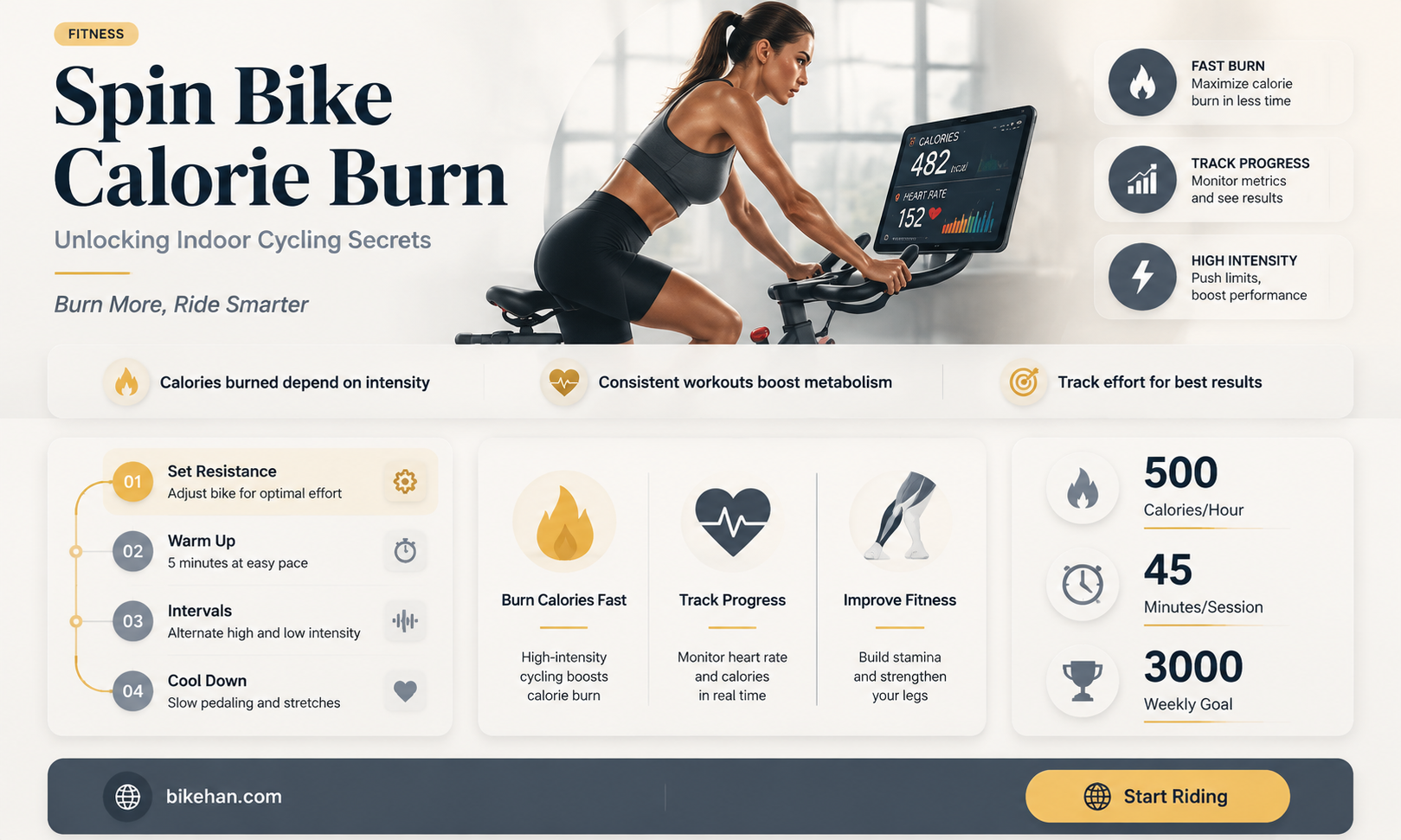
The number of calories burned on a spin bike can vary significantly depending on several factors, including the intensity of the workout, the duration of the session, and the individual's weight and fitness level. On average, a 30-minute spin class can burn anywhere from 200 to 600 calories. High-intensity interval training (HIIT) sessions or longer classes can lead to even higher calorie expenditure. Additionally, incorporating resistance training by increasing the bike's resistance or using hand weights during the workout can further boost calorie burn. It's important to note that these figures are estimates, and actual calorie burn may differ based on individual factors.
Explore related products


What You'll Learn

Factors Affecting Calorie Burn
Several factors can influence the number of calories burned during a spin bike workout. Understanding these variables can help optimize your exercise routine for better results.
Firstly, the intensity of your workout plays a crucial role. Higher intensity intervals, where you're pedaling at a faster pace or against greater resistance, will naturally burn more calories. Incorporating interval training into your spin bike routine can significantly increase calorie expenditure.
Secondly, the duration of your workout is important. Longer sessions will generally result in more calories burned, but it's essential to maintain a balance to avoid overexertion and potential injury. Aim for a mix of shorter, high-intensity workouts and longer, moderate-intensity sessions.
Thirdly, your body weight and composition can affect calorie burn. Individuals with more muscle mass tend to burn more calories at rest and during exercise due to the higher metabolic rate of muscle tissue. Therefore, incorporating strength training exercises off the bike can help increase your overall calorie burn.
Lastly, environmental factors such as temperature and humidity can also impact calorie expenditure. Exercising in a warmer environment can increase your body's need to cool down, thus burning more calories. However, extreme temperatures can also pose risks, so it's important to exercise in a safe and controlled environment.
By considering these factors and tailoring your spin bike workouts accordingly, you can maximize your calorie burn and achieve your fitness goals more effectively.
Pedaling Towards Fitness: Calorie Burn Insights for Sedentary Cyclists
You may want to see also
Explore related products


Average Calories Burned per Hour
The average calories burned per hour on a spin bike can vary significantly based on several factors, including the intensity of the workout, the individual's weight, and their overall fitness level. For a person weighing 150 pounds, a moderate-intensity spin class can burn approximately 400-500 calories per hour. However, for someone weighing 200 pounds, the same class could burn around 500-600 calories per hour. It's important to note that these are general estimates and actual calorie burn can differ.
High-intensity interval training (HIIT) on a spin bike can further increase calorie burn. During HIIT, participants alternate between periods of intense effort and recovery. This type of workout can burn upwards of 600-800 calories per hour for a 150-pound individual and 700-900 calories per hour for a 200-pound individual. The increased calorie burn is due to the higher intensity and the afterburn effect, where the body continues to burn calories at an elevated rate even after the workout has ended.
To maximize calorie burn during a spin bike workout, it's essential to focus on proper form and technique. Engaging the core muscles, maintaining a steady cadence, and incorporating resistance training by increasing the bike's resistance can all contribute to a more effective workout. Additionally, staying hydrated and fueling the body with a balanced diet can help support overall fitness goals and enhance workout performance.
In summary, the average calories burned per hour on a spin bike depend on various factors, including workout intensity, individual weight, and fitness level. Moderate-intensity spin classes can burn 400-600 calories per hour, while high-intensity interval training can burn 600-900 calories per hour. Proper form, technique, and overall fitness habits play a crucial role in maximizing calorie burn and achieving fitness goals.
Calories Burned on a 20-Mile Bike Ride: A Comprehensive Guide
You may want to see also
Explore related products


High-Intensity vs. Low-Intensity Spinning
High-intensity spinning is a vigorous form of exercise that involves pedaling at a high resistance and speed, typically for short intervals. This type of spinning can significantly increase your heart rate and engage multiple muscle groups, including your legs, core, and arms. As a result, high-intensity spinning can burn a substantial number of calories in a relatively short amount of time. For example, a 45-minute high-intensity spinning class can burn anywhere from 400 to 600 calories, depending on the individual's weight, fitness level, and the intensity of the workout.
On the other hand, low-intensity spinning involves pedaling at a lower resistance and speed, often for longer periods. This form of exercise is less strenuous on the body and can be more suitable for beginners or those with joint issues. While low-intensity spinning may not burn as many calories as high-intensity spinning, it can still provide a beneficial workout. A 60-minute low-intensity spinning session can burn approximately 200 to 300 calories, again depending on the individual's weight and fitness level.
When comparing high-intensity and low-intensity spinning, it's essential to consider the overall energy expenditure and the potential benefits of each. High-intensity spinning can lead to greater calorie burn and improved cardiovascular fitness, but it may also increase the risk of injury and require more recovery time. Low-intensity spinning, while less calorie-intensive, can be a more sustainable option for long-term fitness and may be more accessible to a broader range of individuals.
In conclusion, the choice between high-intensity and low-intensity spinning depends on your fitness goals, current fitness level, and personal preferences. If you're looking to maximize calorie burn and improve cardiovascular fitness, high-intensity spinning may be the better option. However, if you're new to exercise or have concerns about injury, low-intensity spinning can provide a more gentle and accessible workout.
Exploring London's Streets: The Abundance of Boris Bikes
You may want to see also
Explore related products


Tracking Calorie Burn on a Spin Bike
To accurately track calorie burn on a spin bike, it's essential to understand the factors that influence your workout intensity. These include your body weight, the resistance level on the bike, the duration of your workout, and your cycling speed. For instance, a person weighing 150 pounds can burn approximately 400-600 calories in a 45-minute spin class at a moderate to high intensity. However, this is just an estimate, and actual calorie burn can vary significantly based on individual factors.
One effective method to track your calorie burn is by using a heart rate monitor. By monitoring your heart rate during your workout, you can ensure that you're exercising at the right intensity to maximize calorie burn. For example, if your maximum heart rate is 180 beats per minute, aiming for a workout intensity that keeps your heart rate between 120-150 beats per minute can help you burn more calories efficiently.
Another useful tool is a calorie tracking app or a fitness tracker that can sync with your spin bike. These devices often use algorithms that take into account your workout data, such as duration, intensity, and resistance, to provide a more accurate estimate of your calorie burn. Additionally, many spin bikes come equipped with built-in displays that show your workout metrics, including estimated calorie burn, in real-time.
It's also important to consider the type of spin class you're attending, as different classes can have varying levels of intensity and duration. For example, a high-intensity interval training (HIIT) spin class may burn more calories in a shorter amount of time compared to a longer, steady-state class. Furthermore, incorporating strength training exercises, such as squats or lunges, during your spin workout can also increase your calorie burn and overall workout effectiveness.
In conclusion, tracking calorie burn on a spin bike requires a combination of understanding your individual factors, using the right tools and technology, and choosing the appropriate workout intensity and duration. By doing so, you can get a more accurate picture of your calorie burn and make the most out of your spin bike workouts.
Rev Up Your Fitness: Calories Burned Biking for Navy PRT
You may want to see also
Explore related products



Spin Bike vs. Outdoor Cycling Calorie Comparison
Analyzing the calorie burn between spin bikes and outdoor cycling reveals some interesting insights. While both activities are excellent cardiovascular exercises, the calorie expenditure can vary significantly based on several factors. Outdoor cycling generally burns more calories due to the added resistance from wind, terrain variations, and the need to maintain balance. On average, a person can burn around 400-600 calories per hour cycling outdoors at a moderate pace.
In contrast, spin bikes provide a controlled environment where the intensity can be precisely adjusted. This allows for high-intensity interval training (HIIT) sessions that can significantly increase calorie burn. A vigorous spin bike workout can burn anywhere from 500-800 calories per hour, depending on the individual's weight, fitness level, and the intensity of the session.
One key advantage of spin bikes is the ability to track progress and monitor calorie burn in real-time using the bike's display or a fitness app. This can help users stay motivated and focused on their fitness goals. Outdoor cycling, while more scenic and varied, may require additional tools like fitness trackers or smartphone apps to monitor calorie expenditure.
Another factor to consider is safety. Outdoor cycling exposes riders to traffic, weather conditions, and potential hazards like potholes or debris. Spin bikes, on the other hand, offer a safe, indoor environment free from these risks. This can be particularly appealing to those who prioritize safety or live in areas with unfavorable outdoor cycling conditions.
Ultimately, the choice between spin bikes and outdoor cycling depends on individual preferences, fitness goals, and available resources. Both activities offer significant health benefits and can be effective in burning calories and improving cardiovascular fitness.
Calories Burned: Unraveling the Mystery of a 15-Mile Bike Ride
You may want to see also
Frequently asked questions
On average, a 30-minute spin bike session can burn between 200 to 400 calories, depending on the intensity of your workout and your body weight.
Yes, the resistance level on the spin bike significantly affects calorie burn. Higher resistance levels require more effort, thus burning more calories.
Your body weight influences the number of calories burned on a spin bike because it requires more energy to move a heavier body. Therefore, individuals with higher body weights tend to burn more calories during the same workout intensity compared to those with lower body weights.
Yes, increasing the speed on a spin bike can help you burn more calories. However, it's important to note that maintaining a higher speed may require more effort and could lead to quicker fatigue.
Yes, it is possible to burn 500 calories in a single spin bike session, especially if you maintain a high intensity and resistance level throughout the workout. However, this may not be achievable for everyone, particularly beginners or those with lower body weights.