Matthew Brooks
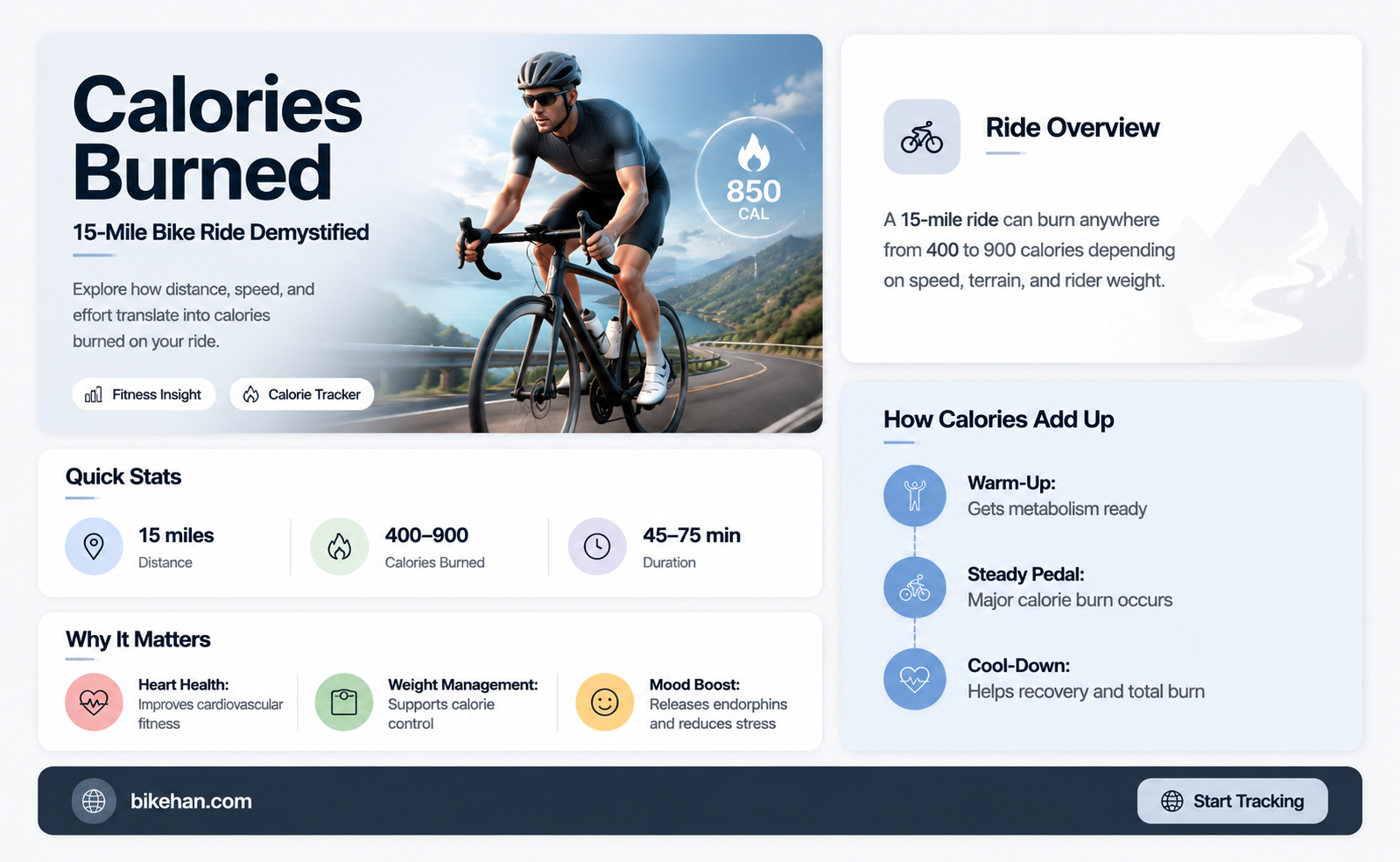
Cycling is an excellent form of cardiovascular exercise that can help burn a significant number of calories. The amount of calories burned during a bike ride depends on several factors, including the rider's weight, intensity of the ride, and the distance covered. For a 15-mile bike ride, the calorie burn can vary widely. On average, a person weighing 155 pounds (70 kg) can expect to burn approximately 400-600 calories during a moderate-intensity 15-mile ride. However, if the ride is more intense or the cyclist weighs more, the calorie burn could be higher. Conversely, if the ride is less intense or the cyclist weighs less, the calorie burn could be lower. It's important to note that these are general estimates and individual results may vary.
Explore related products


What You'll Learn

Factors Affecting Calorie Burn
Several factors can significantly influence the number of calories burned during a 15-mile bike ride. One of the primary determinants is the rider's body weight. Heavier individuals tend to burn more calories as their bodies require more energy to perform the same amount of work. For instance, a 180-pound person may burn approximately 600-700 calories during a moderate-intensity 15-mile ride, while a 120-pound person might burn around 400-500 calories under similar conditions.
Another crucial factor is the intensity of the ride. The harder you pedal, the more calories you'll burn. This is because high-intensity cycling engages more muscle groups and requires greater energy expenditure. For example, if you maintain a speed of 15 miles per hour, you'll burn fewer calories compared to riding at 20 miles per hour. Additionally, incorporating interval training or hill climbs into your route can further boost calorie burn.
The type of bicycle and riding conditions also play a role. Riding a road bike on smooth pavement generally requires less energy than riding a mountain bike on rough terrain. This is due to the increased resistance and effort needed to navigate uneven surfaces. Furthermore, environmental factors such as wind resistance and temperature can impact calorie expenditure. Riding into a strong headwind or in extreme heat can increase the energy demands of your body, leading to higher calorie burn.
Lastly, your overall fitness level and cycling efficiency can affect the number of calories burned. Well-conditioned cyclists with good technique may burn fewer calories while maintaining the same speed and distance as less experienced riders. This is because their bodies are more efficient at utilizing energy. To maximize calorie burn, it's essential to continually challenge yourself and improve your cycling skills and fitness level.
Calorie Burn Breakdown: Your Guide to Losing Weight by Biking 2 Miles
You may want to see also
Explore related products



Average Calorie Burn per Mile
The average calorie burn per mile while biking can vary significantly based on several factors, including the cyclist's weight, the intensity of the ride, and the terrain. Generally, a person can expect to burn between 40 to 60 calories per mile on a flat surface at a moderate pace. However, this number can increase dramatically when tackling hills or riding at high speeds. For instance, a 150-pound individual might burn around 100 calories per mile when cycling uphill.
To calculate the total calorie burn for a 15-mile bike ride, one would need to consider these variables. If we assume an average pace on flat terrain, the total calorie expenditure could range from 600 to 900 calories. However, if the ride includes significant elevation changes or is performed at a high intensity, the calorie burn could easily exceed 1,500 calories.
It's also important to note that these figures are estimates and can vary based on individual differences. Factors such as age, gender, and overall fitness level can influence how many calories a person burns during a bike ride. Additionally, the type of bicycle and the rider's efficiency can also play a role in calorie expenditure.
For a more accurate assessment, cyclists can use a calorie burn calculator that takes into account their specific weight, the duration of the ride, and the average speed. Some fitness trackers and cycling apps also provide personalized calorie burn data based on the user's profile and the details of the ride.
In summary, while the average calorie burn per mile can provide a general idea of the energy expenditure associated with a bike ride, it's essential to consider individual factors and the specific conditions of the ride to get a more accurate estimate.
Rev Up Your Fitness: Calories Burned Biking for Navy PRT
You may want to see also
Explore related products



Intensity and Speed Influence
The number of calories burned during a 15-mile bike ride can vary significantly based on the intensity and speed at which you ride. Intensity refers to how hard your body is working, which can be measured by your heart rate, perceived exertion, or the resistance you encounter. Speed, on the other hand, is a measure of how fast you are moving, which directly impacts the distance you cover in a given time frame.
When you increase the intensity of your bike ride, your body requires more energy to sustain the effort, resulting in a higher calorie burn. For example, if you ride at a moderate intensity, you might burn around 400-500 calories in an hour. However, if you increase your intensity to a vigorous level, you could burn upwards of 600-800 calories in the same amount of time. This is because your body is working harder to maintain a higher heart rate and overcome greater resistance.
Similarly, increasing your speed can also lead to a higher calorie burn. When you ride faster, you cover more distance in less time, which means your body is working harder to maintain that pace. For instance, if you ride 15 miles at a leisurely pace of 10 miles per hour, you might burn around 300-400 calories. However, if you increase your speed to 15 miles per hour, you could burn closer to 500-600 calories for the same distance.
It's important to note that the relationship between intensity, speed, and calorie burn is not linear. As you increase your intensity and speed, the rate at which you burn calories will also increase, but at a decreasing rate. This means that while increasing your intensity and speed will always result in a higher calorie burn, the additional calories burned will decrease as you reach higher levels of intensity and speed.
In conclusion, the intensity and speed at which you ride your bike have a significant impact on the number of calories you burn during a 15-mile ride. By increasing your intensity and speed, you can maximize your calorie burn and achieve your fitness goals more efficiently. However, it's important to remember that the relationship between these factors is complex, and the additional calories burned will decrease as you reach higher levels of intensity and speed.
Calories Burned in an Hour of Stationary Biking: A Comprehensive Guide
You may want to see also
Explore related products


Body Weight and Metabolism
The relationship between body weight and metabolism plays a crucial role in determining how many calories are burned during physical activities such as biking. Metabolism refers to the rate at which the body burns calories to maintain its basic functions and support physical activity. Individuals with a higher body weight typically have a higher resting metabolic rate (RMR) because more energy is required to maintain their bodily functions. This means that for two individuals biking the same distance, the person with the higher body weight will likely burn more calories, assuming all other factors are equal.
However, it's important to note that body composition also significantly impacts metabolism. Muscle tissue is more metabolically active than fat tissue, meaning that individuals with a higher percentage of muscle mass will have a higher metabolic rate. Therefore, a person with a lower body weight but higher muscle mass could potentially burn more calories biking 15 miles than someone with a higher body weight but lower muscle mass.
Age is another factor that influences metabolism. As individuals age, their metabolic rate tends to decrease, which can affect the number of calories burned during exercise. This decline in metabolism is often due to a decrease in muscle mass and an increase in body fat percentage as people get older. Therefore, an older individual may burn fewer calories biking 15 miles compared to a younger person with the same body weight and composition.
Additionally, the intensity of the bike ride can greatly impact the number of calories burned. A more intense ride, such as biking uphill or at a faster pace, will require more energy and thus result in a higher calorie burn. This is because the body needs to work harder to supply the necessary oxygen and nutrients to the muscles during intense exercise, leading to an increased metabolic rate.
In conclusion, while body weight is a significant factor in determining calorie burn during biking, it is not the only factor. Metabolism, influenced by body composition, age, and exercise intensity, also plays a crucial role. Understanding these relationships can help individuals tailor their exercise routines to maximize calorie burn and achieve their fitness goals.
Rev Up Your Metabolism: Calories Burned on an Exercise Bike
You may want to see also
Explore related products



Additional Tips for Calorie Tracking
To enhance your calorie tracking accuracy, consider the following tips:
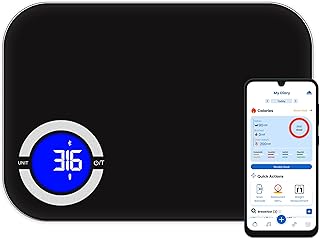
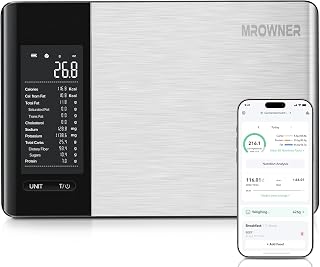
- Account for Variability: Calorie burn rates can vary significantly based on factors like terrain, weather conditions, and your bike's weight. Use a calorie tracking app that allows you to input these variables for a more precise calculation.
- Monitor Your Heart Rate: Wearing a heart rate monitor can provide valuable data on your exertion level. This can help you adjust your calorie estimates based on your actual physical effort, rather than relying solely on distance and speed.
- Factor in Your Body Weight and Composition: Your body weight and composition (e.g., muscle mass vs. body fat) can influence your calorie burn rate. Input your specific metrics into your tracking app to get a more personalized estimate.
- Consider the Intensity of Your Ride: High-intensity interval training (HIIT) or hill climbs can significantly increase your calorie burn. Make sure your tracking method accounts for these variations in intensity.
- Track Your Food Intake: To get a complete picture of your energy balance, it's essential to track your food intake alongside your calorie burn. This will help you understand whether you're in a calorie deficit or surplus.
- Review and Adjust: Regularly review your calorie tracking data and adjust your diet and exercise plan accordingly. This iterative process will help you fine-tune your approach and achieve your fitness goals more effectively.
By implementing these additional tips, you can improve the accuracy of your calorie tracking and make more informed decisions about your cycling and nutrition plans.
Calories Burned on a 20-Mile Bike Ride: A Comprehensive Guide
You may want to see also
Frequently asked questions
The number of calories burned from biking 15 miles can vary depending on several factors, including the rider's weight, speed, and the terrain. On average, a person weighing 155 pounds (70 kg) can burn approximately 400-500 calories biking 15 miles at a moderate pace.
Yes, the speed of biking significantly affects the number of calories burned. The faster you bike, the more calories you burn. For example, biking 15 miles at a speed of 10 mph (16 km/h) can burn around 300 calories, while biking at 20 mph (32 km/h) can burn around 600 calories.
The terrain plays a crucial role in determining the calories burned while biking. Riding on flat terrain requires less energy compared to riding uphill or on rough terrain. Biking 15 miles on flat terrain can burn around 400 calories, while biking on hilly terrain can burn around 600-700 calories.
Body weight is another significant factor that influences the number of calories burned while biking. The more you weigh, the more calories you burn. For instance, a person weighing 120 pounds (54 kg) may burn around 300 calories biking 15 miles, while a person weighing 200 pounds (91 kg) may burn around 600 calories.
Biking 15 miles can contribute to weight loss, but it depends on various factors such as your overall diet, exercise routine, and body weight. To lose weight, you need to create a calorie deficit, which means burning more calories than you consume. Biking 15 miles can help create this deficit, but it's essential to combine it with a healthy diet and other forms of exercise for effective weight loss.