Eric Johnson
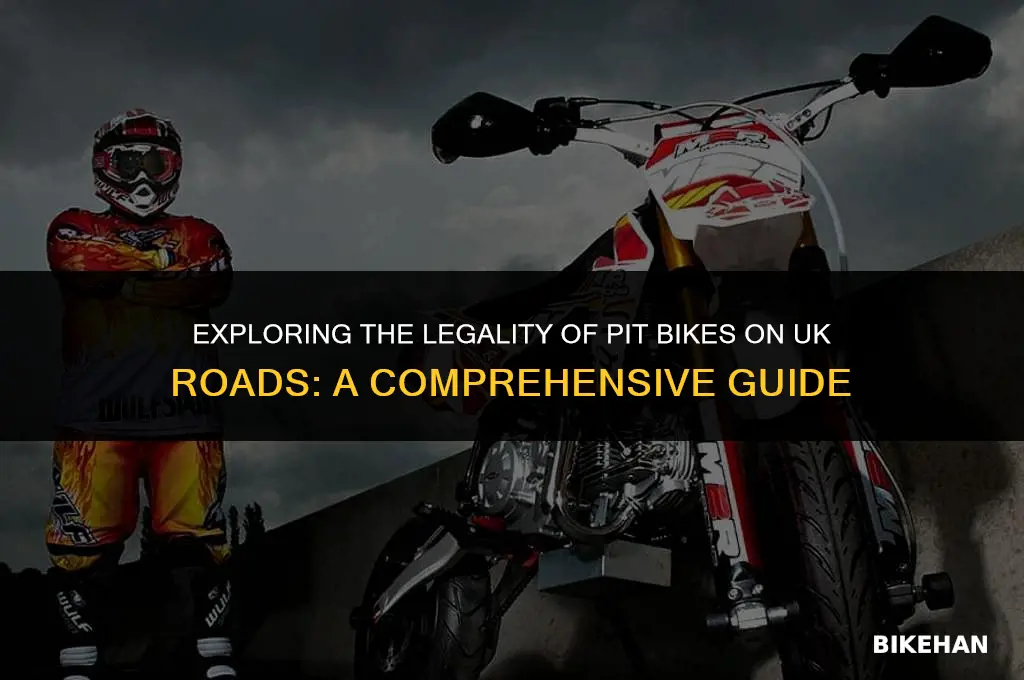
In the United Kingdom, the legality and practicality of riding pit bikes on public roads are subjects of considerable interest and debate. Pit bikes, known for their compact size and off-road capabilities, are often used in recreational settings such as dirt tracks and motocross circuits. However, their suitability for road use is a matter of regulatory scrutiny and safety concern. This discussion delves into the various aspects of riding pit bikes on UK roads, including legal requirements, safety considerations, and potential modifications that might be necessary to ensure compliance with road safety standards.
Explore related products


What You'll Learn
- Legal Requirements: Understand UK laws and regulations regarding pit bike usage on public roads
- Safety Gear: Essential protective equipment for riding pit bikes, including helmets and pads
- Bike Modifications: Necessary adjustments to pit bikes for road legality, such as adding lights and mirrors
- Riding Tips: Techniques and best practices for safely operating pit bikes on different road conditions
- Alternative Venues: Exploring off-road tracks and private properties as safer alternatives for pit bike riding

Legal Requirements: Understand UK laws and regulations regarding pit bike usage on public roads
In the UK, the legality of riding pit bikes on public roads is a complex issue governed by several laws and regulations. The primary legislation affecting pit bike usage is the Road Traffic Act 1988, which sets out the requirements for vehicles to be used on public roads. Pit bikes, often lacking the necessary safety features and homologation, typically do not comply with these regulations.
One of the critical legal requirements is the need for a vehicle to be type-approved, which means it must meet specific safety and environmental standards set by the government. Pit bikes, being off-road vehicles, usually do not have this approval. Additionally, riders must have a valid driving license, and the bike must be registered and taxed, which is generally not the case for pit bikes.
Another significant regulation is the requirement for compulsory insurance. In the UK, all vehicles used on public roads must have at least third-party insurance. Since pit bikes are not typically insured for road use, riding one on public roads without insurance is illegal and can result in severe penalties, including fines and potential imprisonment.
Furthermore, local authorities may have specific by-laws or restrictions on the use of pit bikes in certain areas, especially in residential neighborhoods or areas with high pedestrian traffic. These by-laws can impose additional penalties on riders who violate them.
In conclusion, while pit bikes are popular for off-road use, their use on public roads in the UK is heavily regulated and generally not permitted due to non-compliance with safety, registration, and insurance requirements. Riders should be aware of these legal restrictions and consider alternative, road-legal options for on-road riding.
Road Cycling with a Mountain Bike: What You Need to Know
You may want to see also
Explore related products


Safety Gear: Essential protective equipment for riding pit bikes, including helmets and pads
Riding pit bikes, especially on the road, demands a heightened awareness of safety. The essential protective equipment for such an activity is not just a recommendation but a necessity. Helmets stand at the forefront of safety gear, designed to protect the rider's head in the event of a fall or collision. In the UK, it is a legal requirement for riders of all ages to wear a helmet when riding a motorcycle or moped on the road, and this includes pit bikes. A good helmet should meet the British Standard BS 8602:2014 and display a CE mark, ensuring it has been tested and meets the necessary safety standards.
Beyond helmets, body protection is crucial. Pads for the elbows, knees, and shoulders can significantly reduce the risk of injury. These pads should be well-fitted and made of durable materials that can absorb impact. Jackets and trousers with built-in armor are also advisable, providing additional protection to vital areas. Gloves are another essential item, protecting the hands and improving grip on the handlebars. Sturdy boots that cover the ankles are recommended to protect the feet and lower legs.
Visibility is another key safety factor, especially when riding on the road. High-visibility clothing or vests can make riders more noticeable to other road users, reducing the risk of accidents. Reflective strips on clothing and bikes can also enhance visibility in low-light conditions. It's important to ensure that the bike itself is equipped with the necessary lights and indicators for road use.
Riders should also consider the condition of their gear. Regular inspections for wear and tear are vital, and damaged equipment should be replaced immediately. Proper maintenance of the bike is equally important, ensuring that brakes, tires, and other components are in good working order.
In summary, safety gear is not an optional extra when riding pit bikes on the road in the UK. It is a legal and practical necessity, encompassing helmets, pads, protective clothing, gloves, boots, and high-visibility gear. By investing in quality safety equipment and maintaining it properly, riders can significantly reduce the risks associated with this thrilling but potentially dangerous activity.
Exploring the Limits: Long-Distance Cycling on a Hybrid Bike
You may want to see also
Explore related products


Bike Modifications: Necessary adjustments to pit bikes for road legality, such as adding lights and mirrors
To make pit bikes road legal in the UK, several modifications are necessary. One of the most critical adjustments is the addition of lights and mirrors. This is because pit bikes, in their original form, are designed for off-road use and do not come equipped with the necessary lighting and reflective equipment required for safe road travel.
The first step in modifying a pit bike for road legality is to install a headlight. This headlight must be bright enough to illuminate the road ahead and make the rider visible to other road users. Additionally, a tail light and turn signals are required to indicate the rider's intentions to other drivers. These lights should be wired into the bike's electrical system and should function reliably under all conditions.
Mirrors are another essential modification. They should be mounted on both sides of the handlebars and should provide a clear view of the road behind the rider. This is crucial for safe lane changes and for maintaining awareness of surrounding traffic. The mirrors should be of a size and shape that allows for a wide field of view without obstructing the rider's vision.
Other modifications that may be necessary include the addition of a horn, reflectors, and a license plate holder. The horn should be loud enough to alert other road users of the rider's presence, while reflectors should be placed on the wheels and frame to increase visibility in low-light conditions. The license plate holder should be securely mounted and should display a valid UK registration plate.
It is important to note that simply adding these modifications may not be sufficient to make a pit bike road legal. The bike must also meet certain safety and emissions standards, and it may need to be inspected by a qualified mechanic to ensure that it is safe for road use. Additionally, the rider must have the appropriate license and insurance to operate the bike on public roads.
In conclusion, modifying a pit bike for road legality requires careful attention to detail and a thorough understanding of UK road safety regulations. By installing the necessary lights, mirrors, and other equipment, riders can ensure that their pit bikes are safe and legal for use on public roads. However, it is essential to remember that these modifications are just one part of the process, and that riders must also meet the necessary licensing and insurance requirements to operate their bikes legally.
Exploring Peloton Bike Usage Beyond Membership Constraints
You may want to see also
Explore related products


Riding Tips: Techniques and best practices for safely operating pit bikes on different road conditions
When navigating varied road conditions on a pit bike, it's crucial to adapt your riding technique to ensure safety and control. On wet roads, reduce your speed and increase the distance between you and other vehicles to account for longer stopping distances. Apply brakes gently to avoid skidding and maintain a steady throttle to prevent wheel spin. For muddy or loose surfaces, stand on the foot pegs to distribute your weight more evenly and use your body to balance the bike. Short, quick throttle inputs can help maintain traction, while avoiding sudden movements that could cause the bike to slide.
In contrast, on dry and dusty roads, visibility can be a significant concern. Wear goggles or a visor to protect your eyes from debris and dust. Keep a firm grip on the handlebars and use your body weight to steer the bike through turns, leaning into the direction of travel. When encountering obstacles such as rocks or potholes, approach them at a slight angle to minimize the impact on the bike's suspension and maintain control. Always be aware of your surroundings and anticipate potential hazards to react accordingly.
For night riding or low-light conditions, ensure your pit bike is equipped with adequate lighting, including a headlight and taillight. Wear reflective clothing to increase your visibility to other road users. Use a more cautious approach, reducing speed and increasing following distances to account for reduced visibility. Be particularly vigilant for wildlife or pedestrians who may not be easily seen in the dark.
In urban environments, the key to safe pit bike riding is to be predictable and aware. Use hand signals to indicate your intentions to other road users and obey traffic laws and signals. Keep a safe distance from cars and be prepared for sudden stops or changes in direction. When riding on busy streets, consider using quieter side roads or designated bike lanes where possible to minimize the risk of accidents.
Finally, always wear appropriate safety gear, including a helmet, gloves, and protective clothing, regardless of the road conditions. Regularly maintain your pit bike to ensure it's in good working order, checking tire pressure, brakes, and suspension before each ride. By following these techniques and best practices, you can safely enjoy riding your pit bike on a variety of road conditions.
Exploring Mission Ridge: A Mountain Biker's Guide to the Trails
You may want to see also
Explore related products


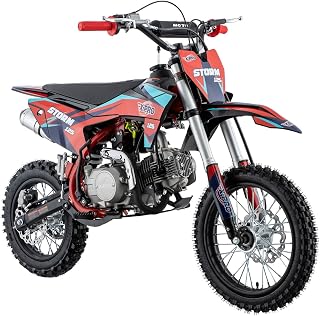


Alternative Venues: Exploring off-road tracks and private properties as safer alternatives for pit bike riding
Off-road tracks and private properties offer a safer and more controlled environment for pit bike riding compared to public roads. These alternative venues provide riders with the opportunity to practice and improve their skills without the risks associated with traffic, pedestrians, and other road hazards. Off-road tracks are specifically designed for motorcycling and typically feature a variety of terrain, including dirt, mud, and gravel, which can help riders develop their handling and maneuvering abilities.
Private properties, such as farms or large estates, can also serve as ideal locations for pit bike riding. These areas often have expansive open spaces and can be tailored to suit the needs of riders, with the addition of jumps, berms, and other obstacles. Riding on private property also allows for greater flexibility in terms of scheduling and can provide a more secluded and focused environment for training.
When considering alternative venues for pit bike riding, it is important to ensure that the location is suitable for the type of riding being undertaken. Riders should assess the terrain, surface conditions, and any potential hazards before commencing their ride. Additionally, it is crucial to obtain permission from the landowner or track operator before riding on private property or off-road tracks.
In conclusion, exploring off-road tracks and private properties as safer alternatives for pit bike riding can provide riders with a more controlled and focused environment to practice and improve their skills. By choosing the right location and taking necessary precautions, riders can minimize the risks associated with pit bike riding and maximize their enjoyment of the sport.
Beachside Mountain Biking: Exploring Coastal Trails on Two Wheels
You may want to see also
Frequently asked questions
No, pit bikes are not road legal in the UK. They are designed for off-road use and do not meet the necessary safety and emissions standards required for road use.
To be road legal in the UK, a bike must meet certain safety and emissions standards, have a valid MOT certificate, be registered with the DVLA, and have the appropriate insurance.
Riding a pit bike on the road in the UK can result in a fine, penalty points on your driving licence, and your bike being seized and destroyed.
There are no exceptions to the rule against riding pit bikes on the road in the UK. All pit bikes are considered off-road vehicles and are not allowed on public roads.
If you want to ride a pit bike in the UK, you can do so on private land with the owner's permission, or at a designated off-road track or trail.