Matthew Brooks
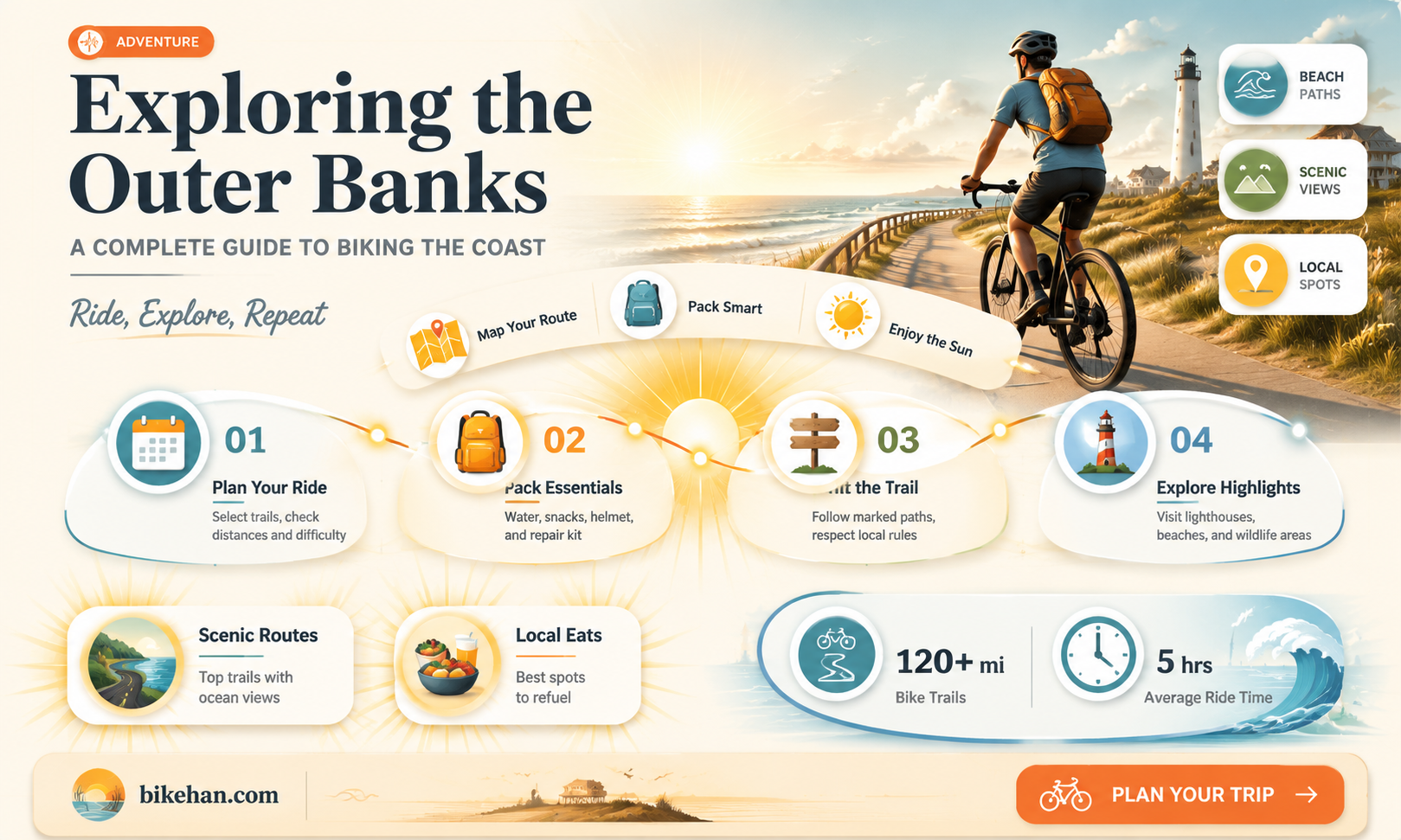
The Outer Banks, a string of barrier islands off the coast of North Carolina, is a popular destination for outdoor enthusiasts and beachgoers alike. One question that often arises is whether it's possible to bike along the entire length of the Outer Banks. The answer is a resounding yes, but with some caveats. While there are paved bike paths on some of the islands, other sections require riding on sandy beaches or alongside roads. Cyclists should be prepared for varying terrain and potential challenges such as strong winds and limited access to amenities. However, for those willing to take on the adventure, biking the Outer Banks can be a rewarding experience, offering stunning views of the Atlantic Ocean and the unique ecosystems of this coastal region.
Explore related products


What You'll Learn
- Terrain and Pathways: The Outer Banks offer a mix of paved roads, bike paths, and sandy beaches for varied cycling experiences
- Scenic Routes: Enjoy picturesque views of the Atlantic Ocean, historic lighthouses, and wild dunes along the biking trails
- Weather Conditions: The coastal climate can bring strong winds and sudden weather changes, affecting biking conditions and safety
- Bike Rentals and Services: Numerous local shops provide bike rentals, repairs, and guided tours, catering to cyclists' needs
- Safety Tips: Cyclists should be aware of traffic rules, wear helmets, and stay hydrated while exploring the Outer Banks

Terrain and Pathways: The Outer Banks offer a mix of paved roads, bike paths, and sandy beaches for varied cycling experiences
The Outer Banks, a string of barrier islands off the coast of North Carolina, presents a diverse landscape for cycling enthusiasts. Paved roads, bike paths, and sandy beaches create a trifecta of terrain that caters to different skill levels and preferences. For those seeking a smooth ride, the paved roads offer a reliable surface, while bike paths provide a more secluded and safer environment, often winding through natural areas and offering scenic views.
One of the unique features of cycling in the Outer Banks is the opportunity to ride along the sandy beaches. This experience, however, requires a different approach. Cyclists need to be aware of the varying firmness of the sand, which can change depending on the tide and weather conditions. Riding on wet, compact sand near the water's edge can be easier than pedaling through dry, loose sand further inland. Additionally, beach cycling often means sharing the space with pedestrians, sunbathers, and wildlife, necessitating a heightened sense of awareness and respect for others.
The mix of terrains also allows for a variety of cycling experiences. For instance, a cyclist could start their day on a paved road, enjoying the speed and efficiency it offers, then transition to a bike path for a more leisurely and scenic ride, and finally end their journey on the beach, taking in the sunset and the sound of the waves. This diversity not only makes cycling in the Outer Banks more enjoyable but also more challenging, as cyclists need to adapt their techniques and equipment to suit the changing landscapes.
In conclusion, the Outer Banks' varied terrain and pathways provide a rich and multifaceted cycling experience. From the smooth paved roads to the secluded bike paths and the challenging sandy beaches, cyclists can find a ride that suits their style and skill level. By understanding the unique characteristics of each terrain and being prepared to adapt, cyclists can fully enjoy the beauty and diversity of the Outer Banks.
Navigating NYC Streets: The Do's and Don'ts of Biking Against Traffic
You may want to see also
Explore related products



Scenic Routes: Enjoy picturesque views of the Atlantic Ocean, historic lighthouses, and wild dunes along the biking trails
The Outer Banks, a string of barrier islands off the coast of North Carolina, offers an unparalleled biking experience with its scenic routes. One of the most captivating aspects of biking here is the opportunity to enjoy picturesque views of the Atlantic Ocean. The ocean's vast expanse, with its ever-changing hues of blue and green, provides a stunning backdrop for cyclists. Whether you're riding along the beach or on designated bike paths, the ocean's presence is a constant reminder of the natural beauty that surrounds you.
Historic lighthouses are another highlight of the Outer Banks' biking trails. These iconic structures, which have guided mariners for centuries, add a touch of history and charm to the landscape. Biking past these lighthouses allows you to appreciate their architectural beauty and imagine the stories they could tell. Some lighthouses, such as the Cape Hatteras Lighthouse, are open to the public and offer a unique perspective on the Outer Banks' maritime heritage.
Wild dunes are a third feature that makes the Outer Banks' biking trails so special. These natural formations, created by wind and sand, provide a dynamic and ever-changing landscape. Biking through the dunes allows you to experience the raw power of nature and witness the diverse flora and fauna that call this environment home. The dunes also offer a challenging terrain for cyclists, with their steep inclines and soft sand, making for an exhilarating ride.
To fully enjoy these scenic routes, it's important to plan your biking trip carefully. Consider the time of year, as the Outer Banks can be quite hot and humid in the summer months. Spring and fall are generally the best times to visit, with milder temperatures and fewer crowds. Additionally, be sure to bring plenty of water and sunscreen, as the sun can be intense, especially when reflecting off the water and sand.
In conclusion, the Outer Banks offers a unique and unforgettable biking experience, with its combination of ocean views, historic lighthouses, and wild dunes. By planning your trip carefully and being prepared for the elements, you can fully immerse yourself in the natural beauty and rich history of this special place.
Reviving Your Ride: Biking After Hip Replacement Surgery
You may want to see also
Explore related products


Weather Conditions: The coastal climate can bring strong winds and sudden weather changes, affecting biking conditions and safety
The coastal climate of the Outer Banks is notorious for its unpredictable and often harsh weather conditions. Strong winds and sudden weather changes are common, which can significantly impact biking conditions and safety. Cyclists must be prepared for these challenges to ensure a safe and enjoyable experience.
One of the primary concerns is the strong winds that frequently buffet the Outer Banks. These winds can be particularly treacherous for cyclists, as they can cause sudden gusts that may knock riders off balance or even blow them off the road. To combat this, cyclists should choose bikes with a lower center of gravity and wider tires for better stability. Additionally, riders should dress appropriately, avoiding loose clothing that could catch the wind and cause further instability.
Sudden weather changes are another major factor that cyclists must contend with. The Outer Banks can experience rapid shifts from sunny skies to heavy rain or even thunderstorms. Cyclists should always check the weather forecast before setting out and be prepared for sudden changes. Carrying a waterproof jacket and having fenders on the bike can help keep riders dry in the event of rain. It's also important to be aware of the potential for lightning strikes during thunderstorms and to seek shelter immediately if a storm appears to be approaching.
The coastal climate can also lead to higher humidity levels, which can make cycling more strenuous. Cyclists should stay well-hydrated and take regular breaks to avoid heat exhaustion. Wearing light-colored, breathable clothing can also help to keep riders cool and comfortable.
In conclusion, while the Outer Banks offer a beautiful and scenic route for cyclists, the coastal climate presents several challenges that must be taken into account. By being prepared for strong winds, sudden weather changes, and high humidity, cyclists can safely enjoy the entire Outer Banks biking experience.
Reviving Your Ride: Biking After Knee Replacement Surgery
You may want to see also
Explore related products


Bike Rentals and Services: Numerous local shops provide bike rentals, repairs, and guided tours, catering to cyclists' needs
The Outer Banks, a string of barrier islands off the coast of North Carolina, is a popular destination for cyclists. With its scenic beauty and extensive network of bike paths, it's no wonder that many visitors choose to explore the area on two wheels. Fortunately, there are numerous local shops that cater to cyclists' needs, offering bike rentals, repairs, and guided tours.
One of the most convenient aspects of biking in the Outer Banks is the availability of bike rental shops. These shops typically offer a variety of bikes, from beach cruisers to road bikes, and often provide accessories such as helmets, locks, and baskets. Many shops also offer delivery and pick-up services, making it easy for visitors to rent a bike without having to worry about transportation.
In addition to bike rentals, local shops also provide repair services for those who bring their own bikes. This can be a lifesaver for cyclists who experience a flat tire or other mechanical issues during their ride. Many shops also offer tune-ups and other maintenance services to ensure that bikes are in good working order.
For those who are new to the area or prefer to have a guide, there are several shops that offer guided bike tours. These tours typically take cyclists on scenic routes, highlighting local landmarks and attractions. Guided tours can be a great way to explore the Outer Banks while learning about its history and ecology.
Overall, the availability of bike rental shops, repair services, and guided tours makes the Outer Banks a cyclist-friendly destination. Whether you're a seasoned cyclist or a beginner, there are plenty of resources available to help you enjoy the area on two wheels.
Pedaling Post-Procedure: Wisdom Teeth Recovery and Cycling
You may want to see also
Explore related products


Safety Tips: Cyclists should be aware of traffic rules, wear helmets, and stay hydrated while exploring the Outer Banks
Cyclists venturing along the Outer Banks must be acutely aware of local traffic regulations to ensure their safety. This includes obeying all traffic signals and signs, using designated bike lanes when available, and yielding to pedestrians. Additionally, cyclists should equip themselves with front and rear lights, especially if riding during dawn, dusk, or nighttime, to increase visibility to motorists.
Wearing a properly fitted helmet is crucial for protecting against head injuries in the event of an accident. Cyclists should also consider wearing bright, reflective clothing to further enhance their visibility. It's important to perform regular maintenance checks on the bicycle, ensuring that the brakes, tires, and gears are in good working condition before embarking on a ride.
Staying hydrated is vital, particularly in the hot and humid climate of the Outer Banks. Cyclists should carry enough water with them and take regular breaks to drink, even if they don't feel thirsty. Electrolyte-rich drinks can help replenish lost salts and minerals. Applying sunscreen and wearing sunglasses can protect against sunburn and glare, which can be intense near the water.
Cyclists should plan their routes carefully, taking into account the terrain and potential hazards such as sand, gravel, or debris on the path. They should also be mindful of wildlife, particularly birds and small mammals, which may cross their path unexpectedly. By following these safety tips, cyclists can enjoy a safe and enjoyable biking experience while exploring the scenic beauty of the Outer Banks.
Pedaling Post-Donation: What You Need to Know About Biking After Giving Blood
You may want to see also
Frequently asked questions
Yes, you can bike along the entire Outer Banks. The Outer Banks is a string of barrier islands off the coast of North Carolina, and it is possible to bike along the length of these islands.
Some of the challenges of biking along the Outer Banks include:
- The terrain can be challenging, with some areas having steep hills or being very sandy.
- The weather can be unpredictable, with strong winds and sudden storms being common.
- There are limited services and amenities along the way, so it is important to plan ahead and bring supplies.
Some of the best parts of biking along the Outer Banks include:
- The stunning scenery, with beautiful beaches, marshes, and forests to explore.
- The opportunity to see wildlife, including birds, dolphins, and sea turtles.
- The sense of adventure and accomplishment that comes from completing a long-distance bike ride.