 Samantha Lee
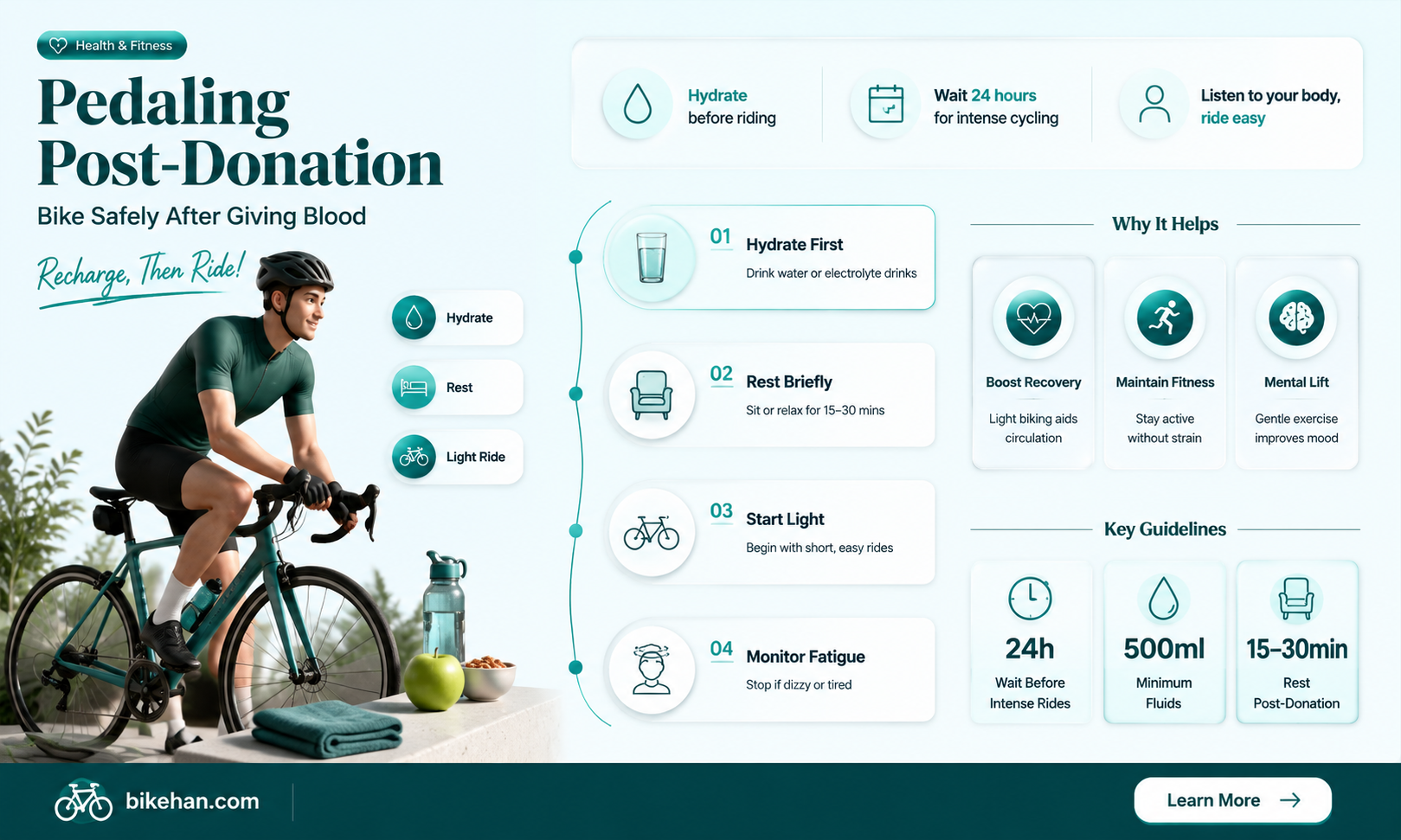
After donating blood, it's crucial to allow your body time to recover. While light activities like walking are generally encouraged to help with circulation, more strenuous exercises like biking should be approached with caution. The American Red Cross advises donors to avoid heavy lifting or vigorous exercise for at least 24 hours post-donation to prevent dizziness, fainting, or injury. Biking, depending on its intensity, may fall into this category. It's essential to listen to your body and ensure you're well-hydrated and nourished before engaging in any physical activity after giving blood. If you're unsure, consulting with a healthcare professional is always a good idea to ensure a safe and healthy recovery.
Explore related products


What You'll Learn
- General Guidelines: Recommendations on waiting periods before engaging in physical activities like biking post-blood donation
- Physical Readiness: Signs to look for indicating you're ready to resume biking after giving blood
- Hydration and Nutrition: Importance of staying hydrated and maintaining proper nutrition to aid recovery
- Listening to Your Body: How to recognize and respond to any adverse reactions or discomfort while biking
- Medical Advice: When to consult a healthcare professional for personalized advice on resuming physical activities

General Guidelines: Recommendations on waiting periods before engaging in physical activities like biking post-blood donation
Blood donation is a vital act that saves lives, but it also requires careful consideration of post-donation activities to ensure the donor's safety and well-being. Engaging in physical activities like biking after giving blood can be beneficial for recovery, but it's crucial to follow recommended waiting periods to avoid potential complications.
The general guideline for biking after blood donation is to wait for at least 24 hours before engaging in moderate to vigorous physical activities. This waiting period allows the body to replenish the lost blood volume and recover from the donation process. During this time, donors should focus on light activities, such as walking or gentle stretching, to promote circulation and prevent blood clots.
It's essential to listen to the body's signals during the recovery period. Donors should avoid biking or other strenuous activities if they experience symptoms like dizziness, fainting, or excessive fatigue. These signs may indicate that the body is not yet ready for intense physical exertion, and pushing through could lead to injury or other complications.
In addition to the waiting period, donors should also consider the intensity and duration of their biking activity. For the first few days after donation, it's best to keep the activity level moderate and gradually increase the intensity as the body recovers. Donors should also stay hydrated and maintain a balanced diet to support their recovery and overall health.
Remember, every individual's recovery process is unique, and it's crucial to consult with a healthcare professional if there are any concerns or questions about post-donation activities. By following these general guidelines and prioritizing self-care, donors can safely enjoy biking and other physical activities while ensuring their well-being after blood donation.
Explore related products


Physical Readiness: Signs to look for indicating you're ready to resume biking after giving blood
After giving blood, it's crucial to listen to your body before resuming strenuous activities like biking. One key sign of physical readiness is the absence of dizziness or lightheadedness. If you feel steady on your feet and your vision is clear, it may indicate that your body has adjusted to the temporary loss of blood volume. Additionally, check for any signs of excessive bleeding or bruising at the donation site. If the area is healing well and there's no unusual swelling, it's a positive indicator that you're ready to get back on your bike.
Another important aspect to consider is your energy level. If you feel fatigued or unusually weak, it's a sign that your body may still be recovering from the blood donation. Wait until you have a consistent level of energy throughout the day before attempting to bike. It's also essential to monitor your hydration levels, as dehydration can exacerbate the effects of blood loss. Drink plenty of water and avoid alcohol, which can contribute to dehydration.
Pay attention to your heart rate and breathing as well. If your heart rate is steady and your breathing is normal, it suggests that your cardiovascular system is stable enough for physical activity. However, if you experience shortness of breath, chest pain, or an irregular heartbeat, it's crucial to consult with a healthcare professional before resuming biking.
Lastly, consider the intensity and duration of your biking session. If you're planning a long or intense ride, it's advisable to wait a bit longer to ensure your body is fully recovered. Start with shorter, less strenuous rides and gradually increase the intensity as you feel more comfortable. Remember, it's always better to err on the side of caution and give your body the time it needs to heal properly after giving blood.
Explore related products


Hydration and Nutrition: Importance of staying hydrated and maintaining proper nutrition to aid recovery
Proper hydration and nutrition are crucial for aiding recovery after giving blood. When you donate blood, your body loses a significant amount of fluid, which can lead to dehydration if not replenished adequately. Dehydration can cause symptoms such as dizziness, fatigue, and headaches, which can be particularly problematic if you plan to engage in physical activities like biking. To prevent dehydration, it's essential to drink plenty of water before, during, and after blood donation. Aim to consume at least 8-10 glasses of water within the first 24 hours after giving blood.
In addition to hydration, maintaining proper nutrition is also vital for recovery. Your body needs the right balance of nutrients to replenish the blood cells and energy lost during donation. Focus on consuming a diet rich in iron, protein, and complex carbohydrates. Iron-rich foods such as spinach, red meat, and fortified cereals can help your body produce new red blood cells. Protein sources like lean meats, fish, and legumes are essential for tissue repair and energy production. Complex carbohydrates found in whole grains, fruits, and vegetables provide sustained energy and help maintain stable blood sugar levels.
It's also important to avoid certain foods and beverages that can hinder recovery. Limit your intake of caffeine and alcohol, as they can contribute to dehydration. Avoid processed foods high in sodium and sugar, which can cause inflammation and slow down the recovery process. Instead, opt for whole, nutrient-dense foods that support your body's healing mechanisms.
To ensure optimal recovery, consider incorporating specific supplements into your diet. Vitamin C can help improve iron absorption, while vitamin B12 and folic acid are essential for red blood cell production. Omega-3 fatty acids found in fish oil can reduce inflammation and support overall health. However, always consult with a healthcare professional before starting any new supplement regimen.
Finally, give your body time to recover. Avoid strenuous physical activities like biking for at least 24-48 hours after giving blood. This allows your body to replenish its fluid and nutrient stores and reduces the risk of injury or complications. By prioritizing hydration, nutrition, and rest, you can support your body's recovery process and ensure that you're ready to resume your normal activities, including biking, in no time.
Listening to Your Body: How to recognize and respond to any adverse reactions or discomfort while biking
Pay close attention to your body's signals while biking, especially after giving blood. Notice any unusual sensations such as dizziness, shortness of breath, or muscle weakness. These could be signs of adverse reactions or discomfort that require immediate attention. Stop biking and rest if you experience any of these symptoms.
Monitor your heart rate and breathing while biking. If you feel your heart racing or struggling to catch your breath, slow down or stop. It's essential to listen to your body and adjust your pace accordingly. Don't push yourself too hard, especially after giving blood, as this can lead to further complications.
Stay hydrated and fueled during your bike ride. Drink plenty of water and consume small, frequent snacks to maintain your energy levels. Dehydration and low blood sugar can exacerbate adverse reactions and discomfort, so it's crucial to prioritize your nutrition and hydration needs.
Be mindful of your surroundings and bike within your comfort zone. Avoid busy roads or challenging terrain if you're feeling unwell or fatigued. Stick to familiar routes and adjust your distance and intensity based on how your body feels. Remember, it's better to err on the side of caution and prioritize your well-being.
Seek medical advice if you experience persistent or severe symptoms while biking after giving blood. Don't hesitate to call for help or visit a healthcare professional if you're concerned about your health. It's always better to be safe than sorry when it comes to your well-being.
Medical Advice: When to consult a healthcare professional for personalized advice on resuming physical activities
If you've recently given blood and are eager to resume your regular biking routine, it's crucial to consider the potential risks and benefits. While biking can be a great way to maintain cardiovascular health, it's important to ensure that your body has had sufficient time to recover from the blood donation process. Generally, it's recommended to avoid strenuous physical activities, including biking, for at least 24-48 hours after giving blood. This allows your body to replenish the lost blood volume and recover from the temporary decrease in red blood cells.
However, the exact timeframe for resuming biking may vary depending on individual factors such as age, overall health, and the amount of blood donated. For example, younger, healthier individuals may be able to resume biking sooner than older adults or those with underlying health conditions. Additionally, if you donated a larger amount of blood, you may need to wait longer before engaging in strenuous activities.
It's also important to listen to your body and pay attention to any signs of fatigue, dizziness, or shortness of breath. If you experience any of these symptoms while biking, it's best to stop and rest. Overexertion can lead to complications such as fainting or injury.
In some cases, it may be necessary to consult with a healthcare professional for personalized advice on resuming physical activities after giving blood. This is particularly important if you have any underlying health conditions, are taking medications, or are unsure about your body's ability to recover from blood donation. A healthcare professional can provide guidance on when it's safe to resume biking and other physical activities, as well as offer tips on how to minimize the risk of complications.
Remember, while biking can be a great way to stay active and healthy, it's always important to prioritize your body's recovery and well-being. By taking the necessary precautions and consulting with a healthcare professional when needed, you can safely resume your biking routine after giving blood.
Frequently asked questions
It's generally recommended to avoid strenuous activities like biking immediately after giving blood. Donors are advised to rest for at least 15-30 minutes post-donation to allow their body to recover.
Most healthcare providers suggest waiting at least 24 hours before engaging in vigorous physical activities such as biking. This allows your body to replenish the donated blood and ensures you don't experience any adverse effects.
Biking after giving blood can lead to dizziness, fainting, or increased heart rate due to the temporary reduction in blood volume. It's crucial to listen to your body and avoid any activity that might strain you physically.
Yes, it's essential to stay hydrated, avoid alcohol, and eat a nutritious meal after donating blood. If you must bike, do so at a moderate pace and stop if you feel any discomfort or dizziness. Always follow the advice of the healthcare professional overseeing your donation.
