Megan Blake
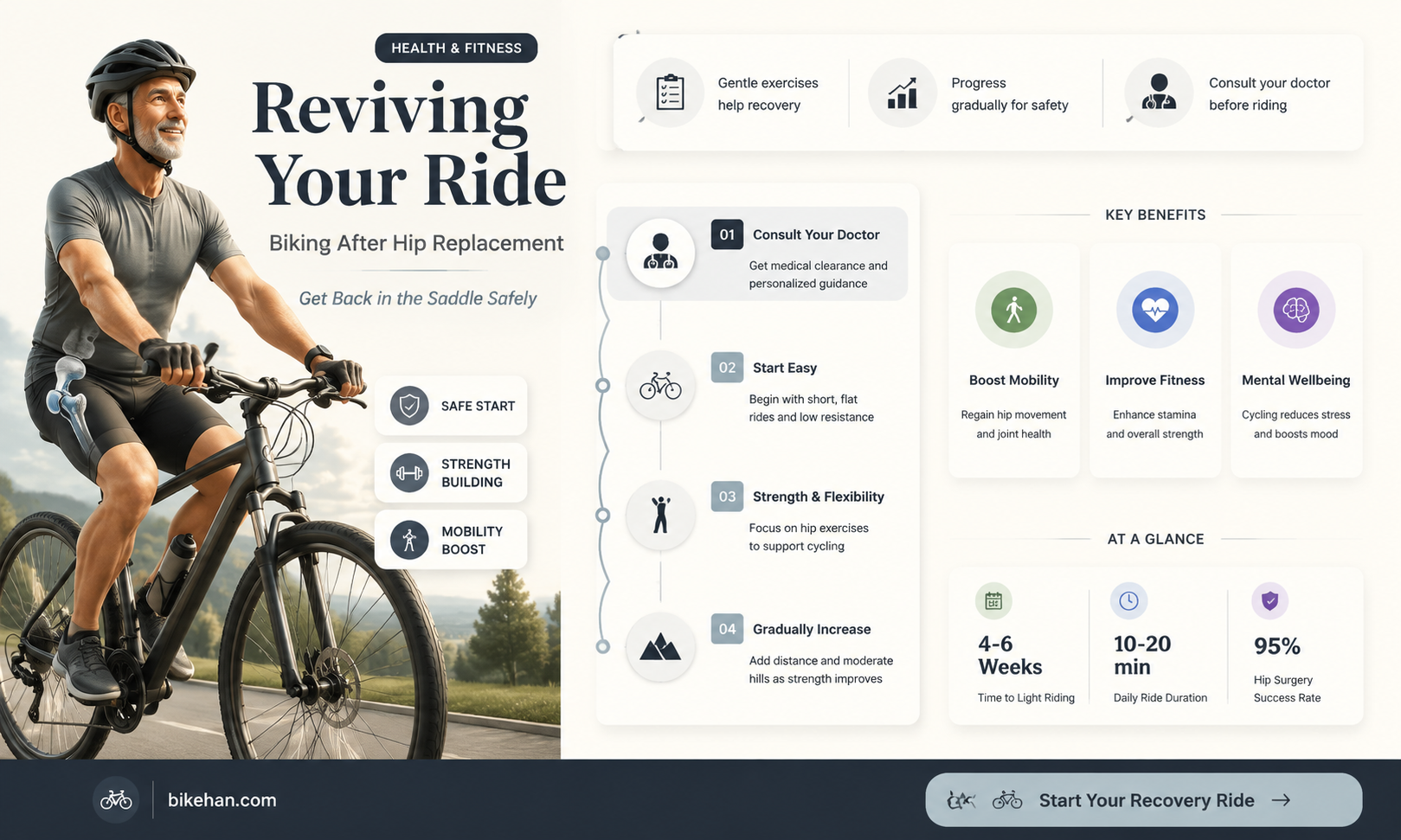
Hip replacement surgery is a life-changing procedure that can significantly improve mobility and reduce pain for individuals with severe hip arthritis or damage. One common question patients ask is whether they can resume biking after their hip replacement. The good news is that many people are able to return to biking after a hip replacement, but it's important to follow certain guidelines and precautions to ensure a safe and successful recovery. In this article, we'll explore the factors that influence when and how you can start biking again after hip replacement surgery, as well as provide tips for a smooth transition back to this enjoyable and beneficial activity.
Explore related products


What You'll Learn
- Post-Surgery Recovery: Initial healing period, pain management, and early mobility exercises
- Rehabilitation Timeline: Gradual return to cycling, starting with stationary bikes and progressing to outdoor riding
- Safety Precautions: Wearing helmets, using proper gear, and avoiding high-impact cycling activities
- Bike Modifications: Adjusting bike height, seat position, and handlebar reach for comfort and safety
- Long-Term Outlook: Maintaining joint health, monitoring for complications, and enjoying cycling as a low-impact exercise

Post-Surgery Recovery: Initial healing period, pain management, and early mobility exercises
Immediately following hip replacement surgery, the initial healing period is crucial for ensuring a successful recovery. During this time, patients are typically advised to rest and avoid putting excessive strain on the new hip joint. This may involve using crutches or a walker for mobility and refraining from activities that could dislocate the joint, such as bending the hip past 90 degrees or crossing the legs.
Pain management is a key component of post-surgery recovery. Patients are usually prescribed a combination of medications, including opioids, anti-inflammatory drugs, and muscle relaxants, to help alleviate discomfort. It's essential to follow the prescribed dosage and schedule to minimize the risk of complications, such as addiction or gastrointestinal issues. Additionally, applying ice to the surgical site and elevating the leg can help reduce swelling and pain.
Early mobility exercises are also important for promoting healing and preventing complications like blood clots. These exercises typically begin within the first few days after surgery and may include simple movements like ankle rotations, knee bends, and hip abduction. As the patient's strength and mobility improve, more advanced exercises can be introduced, such as walking short distances or using a stationary bike. However, it's crucial to progress gradually and avoid overexertion, as this can lead to setbacks in the recovery process.
Throughout the recovery period, it's important for patients to maintain a positive attitude and stay engaged in their rehabilitation. This may involve setting realistic goals, tracking progress, and seeking support from friends, family, or a physical therapist. By following the recommended guidelines and staying committed to the recovery process, patients can increase their chances of a successful outcome and eventually return to activities they enjoy, such as biking.
Pedaling Post-Donation: What You Need to Know About Biking After Giving Blood
You may want to see also
Explore related products


Rehabilitation Timeline: Gradual return to cycling, starting with stationary bikes and progressing to outdoor riding
The rehabilitation timeline for returning to cycling after hip replacement surgery is a gradual process that requires patience and careful progression. Initially, patients will begin with stationary bikes to build strength and endurance in a controlled environment. This phase typically lasts for several weeks, allowing the hip joint to heal and the muscles to adapt to the new implant.
As the patient's strength and confidence improve, they can transition to outdoor riding. This progression should be done slowly, starting with short, flat rides and gradually increasing the distance and terrain difficulty. It's crucial to listen to the body and avoid overexertion, as this can lead to setbacks in the recovery process.
During the early stages of outdoor cycling, patients should focus on maintaining a comfortable cadence and avoiding high-impact movements that could stress the hip joint. Using proper cycling gear, such as a well-fitted helmet and padded shorts, can also help reduce discomfort and prevent injuries.
Over time, as the hip joint becomes more stable and the muscles stronger, patients can increase the intensity and duration of their rides. However, it's important to continue monitoring for any signs of pain or discomfort and to consult with a healthcare professional if any issues arise.
In summary, the rehabilitation timeline for returning to cycling after hip replacement surgery involves a gradual progression from stationary bikes to outdoor riding, with a focus on building strength, endurance, and confidence while minimizing stress on the hip joint. By following a careful and structured approach, patients can safely return to the sport they love and enjoy the benefits of cycling for years to come.
Explore related products


Safety Precautions: Wearing helmets, using proper gear, and avoiding high-impact cycling activities
Cycling enthusiasts who have undergone hip replacement surgery often wonder if they can still enjoy their favorite activity. The good news is that with proper precautions, many can return to cycling. However, it's crucial to prioritize safety to avoid further injury or complications.
One of the most important safety measures is wearing a helmet. This is especially critical for individuals with hip replacements, as falls can have more severe consequences. A well-fitted helmet can significantly reduce the risk of head injuries in the event of an accident. Additionally, using proper cycling gear, such as padded shorts and gloves, can help prevent discomfort and injuries during rides.
It's also essential to avoid high-impact cycling activities, such as mountain biking or aggressive road cycling. These activities can put excessive stress on the hip joint and increase the risk of dislocation or other complications. Instead, opt for low-impact cycling activities, such as leisurely rides on flat terrain or using a stationary bike.
Furthermore, it's important to consult with your healthcare provider before returning to cycling after hip replacement surgery. They can provide personalized advice based on your individual recovery and health status. It may also be beneficial to work with a physical therapist to develop a safe and effective exercise program that includes cycling.
In conclusion, with the right safety precautions, many individuals can enjoy cycling after hip replacement surgery. By wearing a helmet, using proper gear, avoiding high-impact activities, and consulting with healthcare professionals, cycling enthusiasts can minimize risks and maximize their enjoyment of this popular activity.
Explore related products


Bike Modifications: Adjusting bike height, seat position, and handlebar reach for comfort and safety
After a hip replacement, ensuring your bike is properly adjusted is crucial for both comfort and safety. The first step is to adjust the bike height so that your feet can rest flat on the ground when seated, with your knees slightly bent. This position allows for optimal control and reduces strain on your hips and lower back. To adjust the height, locate the seat post clamp on your bike frame and loosen it. Then, raise or lower the seat post to the desired height and retighten the clamp.
Next, focus on the seat position. The ideal seat position is one where your hips are level and your legs are at a 90-degree angle when pedaling. To achieve this, you may need to adjust the fore-aft position of the seat. Most bikes have a seat rail that allows for this adjustment. Loosen the seat rail clamp, slide the seat forward or backward to the desired position, and then retighten the clamp.
Handlebar reach is another important factor. You want to be able to reach the handlebars comfortably without having to stretch or lean forward excessively. This can be adjusted by changing the position of the handlebars on the stem. Loosen the stem clamp, move the handlebars to the desired position, and then retighten the clamp. Additionally, consider the height of the handlebars. They should be at a level that allows your arms to be slightly bent when holding onto them.
When making these adjustments, it's important to test ride your bike afterward to ensure everything feels right. Make any necessary tweaks and repeat the process until you find the optimal setup. Remember, proper bike fitting can greatly enhance your riding experience and reduce the risk of injury.
In summary, adjusting your bike height, seat position, and handlebar reach is essential for a comfortable and safe biking experience after a hip replacement. By following these steps and paying attention to your body's needs, you can enjoy cycling while minimizing strain on your hips and lower back.
Long-Term Outlook: Maintaining joint health, monitoring for complications, and enjoying cycling as a low-impact exercise
Post-hip replacement surgery, patients often wonder about the long-term implications of their new joint on their favorite activities, such as cycling. The good news is that cycling can be an excellent low-impact exercise option for those with hip replacements, as it helps maintain joint health and mobility without putting excessive stress on the new joint. However, it's crucial to approach this activity with caution and awareness of potential complications.
To ensure a safe and enjoyable cycling experience, patients should focus on maintaining their joint health through regular, gentle exercise and stretching. This can include short, leisurely bike rides that gradually increase in duration and intensity as the joint heals and strengthens. It's also important to monitor for any signs of complications, such as unusual pain, swelling, or instability in the joint, and to consult with a healthcare professional if any concerns arise.
In addition to physical health, mental well-being plays a significant role in the long-term outlook for hip replacement patients. Cycling can be a great way to reduce stress, improve mood, and increase overall quality of life. Patients should aim to find a balance between physical activity and rest, ensuring they listen to their body's signals and take breaks when needed.
When it comes to equipment, choosing the right bike is essential. Patients should opt for a comfortable, upright riding position that minimizes strain on the hips and back. A bike with a smooth, responsive ride and good shock absorption can also help reduce the impact on the joint. Additionally, investing in proper cycling attire, such as padded shorts and supportive shoes, can enhance comfort and performance.
Finally, it's important for patients to be aware of their limitations and to avoid pushing themselves too hard, too soon. While cycling can be a wonderful way to stay active and healthy after hip replacement surgery, it's crucial to approach it with patience, caution, and a focus on long-term joint health and well-being. By doing so, patients can enjoy the many benefits of cycling while minimizing the risks of complications or injury.
Frequently asked questions
Yes, biking is generally considered a good form of exercise after hip replacement surgery. It's a low-impact activity that can help improve your joint mobility and overall fitness without putting excessive stress on your new hip joint.
Typically, you can start biking about 6-8 weeks after hip replacement surgery, depending on your recovery progress and your doctor's recommendations. It's important to start slowly and gradually increase your biking time and intensity.
Here are some precautions to consider:
- Use a comfortable, upright bike with a soft seat
- Avoid bumpy or uneven terrain
- Keep your biking sessions short and gradual at first
- Listen to your body and avoid pushing yourself too hard
- Consult with your doctor or physical therapist for personalized advice