Matthew Brooks
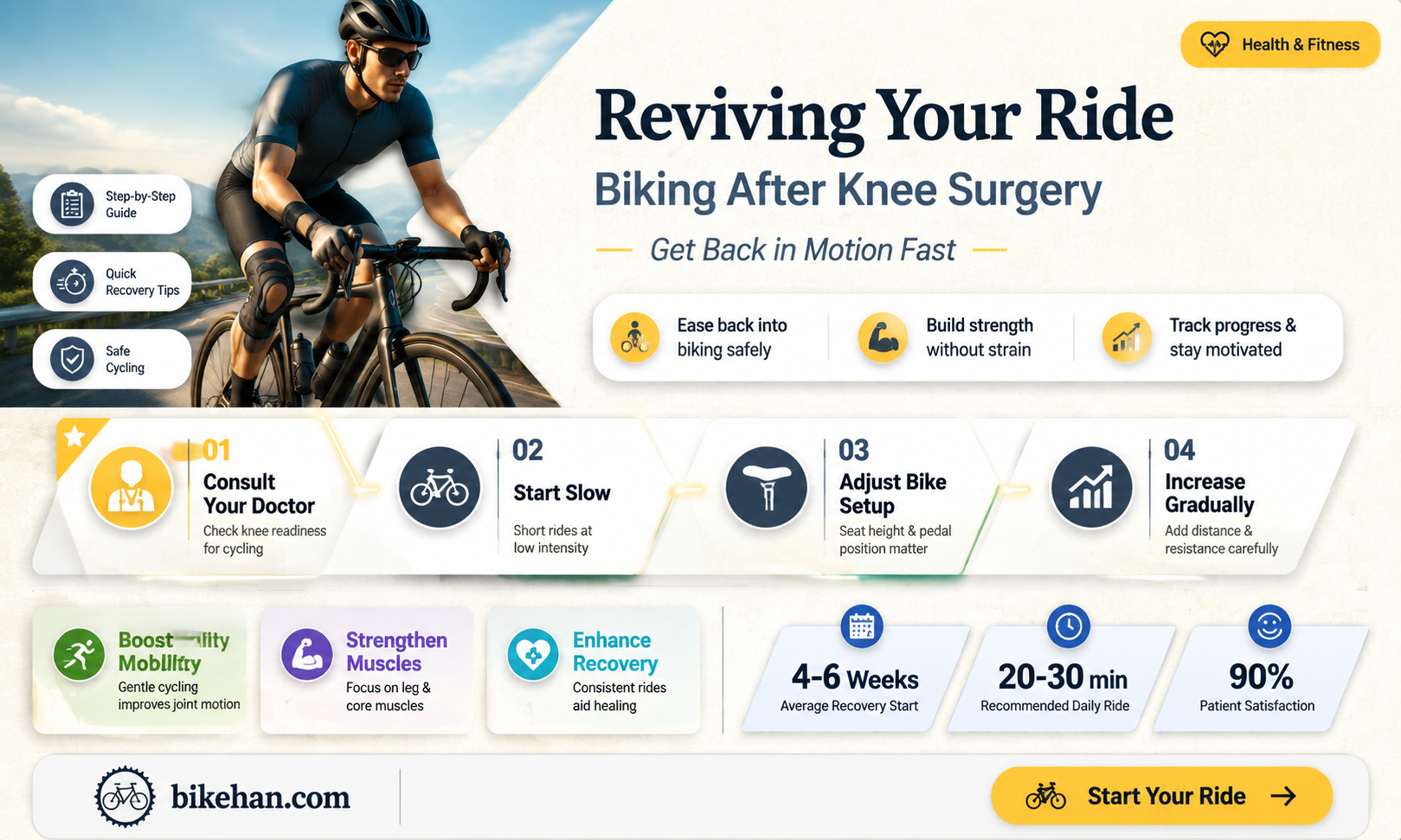
Knee replacement surgery is a common procedure performed to alleviate pain and restore function in severely diseased knee joints. Patients undergoing this surgery often wonder about their ability to engage in physical activities post-operation, including biking. Biking after knee replacement is generally encouraged as it can aid in rehabilitation by strengthening the muscles around the knee and improving joint mobility. However, the timing and intensity of biking should be carefully managed to avoid complications. Typically, patients are advised to wait until their knee has healed sufficiently and to start with low-impact stationary biking before progressing to outdoor cycling. Consulting with a healthcare provider or physical therapist is crucial to develop a safe and effective exercise regimen tailored to individual recovery needs.
| Characteristics | Values |
|---|---|
| Procedure | Knee replacement surgery, also known as knee arthroplasty |
| Purpose | To relieve pain and restore function in severely diseased knee joints |
| Types of Knee Replacement | Total knee replacement (TKR), Partial knee replacement (PKR) |
| Implant Components | Metal femoral component, Metal tibial component, Plastic spacer, Patellar resurfacing (if needed) |
| Surgical Approach | Open surgery, Minimally invasive surgery |
| Anesthesia | General anesthesia, Spinal anesthesia, Epidural anesthesia |
| Hospital Stay | Typically 1-3 days, depending on the patient's health and recovery |
| Post-operative Care | Pain management, Physical therapy, Blood clot prevention measures |
| Recovery Time | 6-12 weeks for initial recovery, up to 6 months for full recovery |
| Physical Activity | Gradual return to activities, including biking, as approved by the surgeon |
| Biking Recommendations | Start with stationary biking, Progress to outdoor biking with caution, Avoid high-impact or aggressive biking |
| Benefits of Biking | Improved cardiovascular health, Strengthening of leg muscles, Enhanced joint mobility, Weight management |
| Risks and Precautions | Potential for falls or injuries, Strain on the knee joint, Importance of proper bike fitting and safety gear |
| Consultation | Essential to consult with the surgeon or physical therapist before resuming biking |
| Patient Education | Understanding the limitations and expectations post-surgery, Importance of gradual progression in activities |
Explore related products


What You'll Learn
- Recovery Timeline: Understand the typical recovery period post-surgery before resuming biking activities
- Exercise Recommendations: Follow physical therapy guidelines to strengthen the knee and improve flexibility for biking
- Pain Management: Learn about managing residual pain and discomfort while biking after knee replacement
- Safety Precautions: Discover essential safety measures, such as wearing a helmet and using proper biking techniques
- Long-term Outlook: Explore the potential long-term benefits and limitations of biking after knee replacement surgery

Recovery Timeline: Understand the typical recovery period post-surgery before resuming biking activities
The recovery timeline post-knee replacement surgery is a critical period that determines when you can safely resume biking activities. Typically, the initial recovery phase lasts about 6 to 8 weeks, during which time you'll need to focus on regaining strength and mobility in your knee. This period involves a combination of rest, ice, compression, and elevation (RICE) to manage swelling and pain, along with gradual introduction of physical therapy exercises to improve range of motion and muscle strength.
Around the 8-week mark, most patients can begin to incorporate low-impact aerobic activities, such as stationary biking, into their rehabilitation routine. However, it's essential to start slowly and listen to your body to avoid overexertion or strain on the newly replaced knee joint. The goal during this phase is to gradually increase your endurance and strength while minimizing the risk of injury or complications.
As you progress, typically between 12 to 16 weeks post-surgery, you may be able to transition to more challenging biking activities, such as outdoor cycling on flat, smooth surfaces. It's crucial to continue working with your physical therapist or healthcare provider to ensure that your knee is ready for these increased demands and to develop a personalized exercise plan that aligns with your recovery goals.
Beyond the 16-week mark, many patients can resume their normal biking routines, but it's important to remember that every individual's recovery journey is unique. Some may need additional time to regain their pre-surgery fitness levels, while others may be able to progress more quickly. The key is to remain patient, persistent, and attentive to your body's signals throughout the recovery process.
In summary, the recovery timeline post-knee replacement surgery before resuming biking activities is a gradual and individualized process that requires careful attention to your body's healing needs. By following a structured rehabilitation plan and working closely with your healthcare team, you can safely and effectively return to the biking activities you enjoy.
Reviving Your Ride: Biking After Hip Replacement Surgery
You may want to see also
Explore related products





Exercise Recommendations: Follow physical therapy guidelines to strengthen the knee and improve flexibility for biking
Following a knee replacement surgery, engaging in physical therapy exercises is crucial for regaining strength and flexibility in the knee joint. These exercises not only aid in recovery but also help in preparing the knee for activities like biking. Here are some specific recommendations to follow:
- Consult a Physical Therapist: Before starting any exercise regimen, it's essential to consult with a physical therapist who can tailor exercises to your specific needs and recovery stage. They will provide guidance on the appropriate intensity and frequency of exercises.
- Strengthening Exercises: Focus on exercises that target the quadriceps, hamstrings, and calf muscles. These include leg presses, hamstring curls, and calf raises. Start with low resistance and gradually increase as your strength improves.
- Flexibility Exercises: Incorporate stretching exercises to improve flexibility around the knee joint. Gentle stretches like the seated hamstring stretch, quadriceps stretch, and calf stretch can be beneficial. Hold each stretch for 15-30 seconds and repeat several times a day.
- Range of Motion Exercises: Perform exercises that help maintain or improve the range of motion in your knee. This can include activities like cycling on a stationary bike, using a rowing machine, or doing knee extension and flexion exercises with a resistance band.
- Gradual Progression: It's important to progress gradually with your exercises. Avoid overexertion and listen to your body. If you experience pain or discomfort, reduce the intensity or consult with your physical therapist.
- Incorporate Biking: Once you have regained sufficient strength and flexibility, and with the approval of your physical therapist, you can start incorporating biking into your exercise routine. Begin with short, gentle rides and gradually increase the duration and intensity.
Remember, the key to a successful recovery is consistency and patience. Stick to your exercise regimen and follow the guidelines provided by your healthcare professionals to ensure a safe and effective return to biking after knee replacement surgery.
Pedaling Post-Donation: What You Need to Know About Biking After Giving Blood
You may want to see also
Explore related products


Pain Management: Learn about managing residual pain and discomfort while biking after knee replacement
Managing residual pain and discomfort while biking after knee replacement is crucial for a successful recovery. One effective strategy is to start with short, gentle rides and gradually increase the duration and intensity as your knee strength and flexibility improve. It's essential to listen to your body and avoid pushing through pain, as this can lead to setbacks in your recovery.
Incorporating stretching and strengthening exercises into your routine can also help alleviate pain and improve your overall knee function. Focus on exercises that target the quadriceps, hamstrings, and calf muscles, as these are essential for supporting your knee joint during cycling. Additionally, maintaining a healthy weight can reduce the stress on your knee and help prevent further discomfort.
Another important aspect of pain management is proper bike fitting. Ensuring that your bike seat, handlebars, and pedals are adjusted to the correct height and position can help reduce strain on your knee joint and improve your overall comfort while riding. It's also a good idea to invest in a high-quality knee brace or support sleeve, which can provide additional stability and help reduce pain during physical activity.
Finally, it's essential to stay hydrated and fuel your body properly before and after rides. Dehydration and low blood sugar can exacerbate pain and discomfort, so be sure to drink plenty of water and eat a balanced diet rich in whole foods. By following these guidelines and working closely with your healthcare provider, you can effectively manage residual pain and discomfort while biking after knee replacement and enjoy a safe and successful return to cycling.
Explore related products




Safety Precautions: Discover essential safety measures, such as wearing a helmet and using proper biking techniques
After undergoing knee replacement surgery, it's crucial to prioritize safety when resuming activities like biking. One of the most essential safety measures is wearing a helmet. This simple precaution can significantly reduce the risk of head injuries in case of a fall or accident. Additionally, using proper biking techniques is vital to avoid putting undue stress on your new knee joint. This includes maintaining a comfortable riding position, using smooth and controlled movements, and avoiding sudden stops or sharp turns.
Another important safety measure is to ensure your bike is properly fitted and adjusted to your body. This includes adjusting the seat height and handlebar position to minimize strain on your knee and back. It's also a good idea to invest in a bike with a comfortable seat and good suspension to absorb shocks from uneven terrain.
Before hitting the road, it's essential to warm up and stretch your muscles to prevent injury. Start with short, gentle rides and gradually increase your distance and intensity as your knee becomes stronger and more stable. It's also important to listen to your body and avoid pushing yourself too hard, as this can lead to setbacks in your recovery.
In addition to these safety measures, it's crucial to be aware of your surroundings and follow traffic rules when biking. This includes wearing reflective clothing, using lights on your bike, and obeying traffic signals and signs. By taking these precautions, you can safely enjoy biking after knee replacement surgery and reap the benefits of this low-impact exercise.
Explore related products


Long-term Outlook: Explore the potential long-term benefits and limitations of biking after knee replacement surgery
Biking after knee replacement surgery can offer numerous long-term benefits, but it's essential to understand the limitations and potential risks involved. One of the primary advantages of cycling post-surgery is its low-impact nature, which can help improve cardiovascular health, build muscle strength, and enhance joint mobility without putting excessive stress on the knee joint. This can be particularly beneficial for individuals looking to maintain an active lifestyle while minimizing the risk of further injury.
However, it's crucial to consider the limitations of biking after knee replacement. For instance, individuals may need to modify their cycling technique to avoid putting undue pressure on the knee joint. This could involve using a lower gear to reduce the strain on the knee during uphill climbs or avoiding sudden stops and starts that could jar the joint. Additionally, some individuals may experience discomfort or pain while cycling, which could indicate that the activity is not suitable for their specific situation.
In terms of practical tips, it's important for individuals to consult with their healthcare provider before starting a cycling regimen after knee replacement surgery. This will help ensure that the activity is safe and appropriate for their individual needs and recovery status. Additionally, investing in a high-quality, comfortable bicycle seat and using proper cycling attire can help minimize discomfort and improve the overall cycling experience.
When it comes to the long-term outlook, research suggests that cycling can be a safe and effective way to maintain physical fitness after knee replacement surgery. However, it's essential to approach the activity with caution and to be mindful of any signs of discomfort or pain. By doing so, individuals can enjoy the benefits of cycling while minimizing the risk of further injury or complications.
Frequently asked questions
Yes, biking is generally considered a good form of exercise after knee replacement surgery. It's a low-impact activity that helps strengthen the muscles around your knee without putting excessive stress on the joint. However, it's important to consult with your doctor or physical therapist to ensure it's safe for your specific situation and to get guidance on when to start and how to progress.
Biking after knee replacement offers several benefits. It helps improve cardiovascular fitness, strengthens the muscles around the knee, increases flexibility and range of motion, and can aid in weight management. Additionally, biking is a low-impact exercise, which means it's easier on the knee joint compared to high-impact activities like running or jumping.
Yes, there are some precautions to consider when biking after knee replacement. Start with short, gentle rides and gradually increase the duration and intensity as your knee strength and endurance improve. Use a bike with a comfortable seat and adjust the height so that your knee is slightly bent when pedaling. Wear appropriate safety gear, including a helmet, and consider using toe clips or straps to secure your feet to the pedals. Finally, listen to your body and stop if you experience any pain or discomfort.