Megan Blake
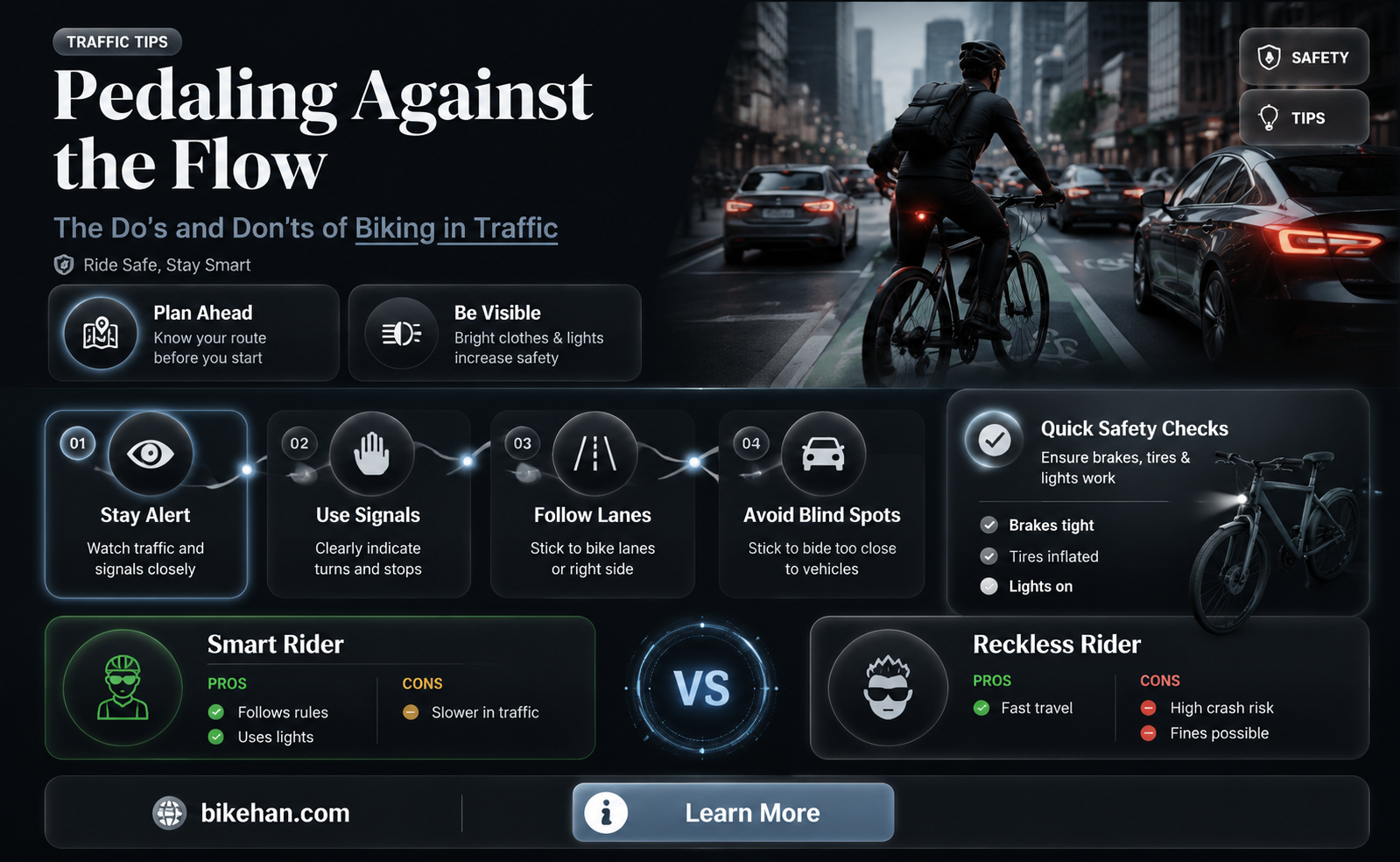
Biking against traffic, also known as riding on the wrong side of the road, is a topic of significant debate and concern among cyclists and road safety advocates. While some cyclists may choose to ride against traffic for various reasons, such as avoiding obstacles or improving visibility, it is generally considered unsafe and illegal in many jurisdictions. Riding against traffic increases the risk of head-on collisions, which can result in severe injuries or fatalities. Additionally, it can confuse other road users, leading to unpredictable and dangerous situations. In this discussion, we will explore the potential risks and consequences of biking against traffic, as well as alternative strategies for cyclists to enhance their safety and visibility on the road.
Explore related products



$8.56 $13.99


What You'll Learn
- Legal Considerations: Understand local laws and regulations regarding biking against traffic to avoid penalties
- Safety Gear: Equip yourself with essential safety gear like helmets, lights, and reflective clothing
- Road Positioning: Stay on the correct side of the road and use designated bike lanes when available
- Visibility: Ensure high visibility to motorists by using lights and bright clothing, especially in low-light conditions
- Defensive Riding: Anticipate potential hazards, maintain a safe distance from vehicles, and be prepared to react quickly

Legal Considerations: Understand local laws and regulations regarding biking against traffic to avoid penalties
Navigating the legal landscape of biking against traffic requires a keen understanding of local laws and regulations. Each jurisdiction has its own set of rules governing the behavior of cyclists on the road, and failing to comply can result in penalties ranging from fines to more severe consequences. To avoid legal trouble, it's essential for cyclists to familiarize themselves with the specific statutes and ordinances that apply to their area.
One of the first steps in understanding local biking laws is to consult the relevant transportation codes or traffic regulations. These documents outline the rights and responsibilities of cyclists, including rules about riding against traffic. In some places, biking against traffic may be explicitly prohibited, while in others, it may be allowed under certain conditions. Cyclists should also be aware of any signage or road markings that indicate restrictions on biking against traffic.
In addition to understanding the laws, cyclists should also consider the practical implications of biking against traffic. Riding in the opposite direction of vehicular traffic can increase the risk of accidents, as drivers may not expect to encounter cyclists coming from that direction. Cyclists should weigh the potential benefits of biking against traffic, such as avoiding congested areas or taking a more direct route, against the increased risks and potential legal consequences.
To minimize the risk of penalties, cyclists should always follow the rules of the road and be prepared to provide documentation of their compliance if stopped by law enforcement. This may include carrying a copy of the relevant laws or regulations, as well as any required safety equipment such as lights, reflectors, or helmets. By staying informed and following the rules, cyclists can enjoy the benefits of biking while minimizing the risk of legal trouble.
Pedaling Post-Donation: What You Need to Know About Biking After Giving Blood
You may want to see also
Explore related products

$5.99 $18.99




Safety Gear: Equip yourself with essential safety gear like helmets, lights, and reflective clothing
When biking against traffic, visibility is crucial for your safety. Reflective clothing and lights are essential to ensure that motorists can see you, especially during low-light conditions or at night. Wearing bright colors during the day can also help increase your visibility to drivers.
Helmets are a critical piece of safety gear for any cyclist, but they are especially important when biking against traffic. In the event of an accident, a helmet can significantly reduce the risk of head injuries. Make sure your helmet fits properly and is certified for cycling safety.
In addition to helmets and reflective gear, consider equipping yourself with other safety items such as gloves, knee pads, and elbow pads. These can provide additional protection in the event of a fall or collision.
It's also important to ensure that your bicycle is in good working order. Regularly check your brakes, tires, and gears to make sure they are functioning properly. A well-maintained bike is less likely to malfunction and cause an accident.
Finally, always follow traffic rules and signals when biking against traffic. Obeying traffic laws can help reduce the risk of accidents and ensure a safer ride for both you and other road users.
Pedaling Post-Procedure: Wisdom Teeth Recovery and Cycling
You may want to see also
Explore related products

$18.95 $18.95





Road Positioning: Stay on the correct side of the road and use designated bike lanes when available
Cyclists must always stay on the correct side of the road, which means riding in the same direction as motor vehicles. This is a fundamental rule of road safety that helps prevent accidents and ensures smooth traffic flow. When a cyclist rides against traffic, they increase the risk of head-on collisions and make it difficult for drivers to anticipate their movements.
In addition to staying on the correct side of the road, cyclists should also use designated bike lanes whenever possible. Bike lanes are specifically designed for cyclists and provide a safe space for them to ride, separated from motor vehicle traffic. Using bike lanes not only reduces the risk of accidents but also helps to promote a more organized and efficient traffic system.
When bike lanes are not available, cyclists should ride as close to the right side of the road as safely possible. This allows drivers to pass them more easily and reduces the likelihood of collisions. However, cyclists should always be aware of their surroundings and be prepared to move out of the way of obstacles or hazards.
One common mistake that cyclists make is riding on the sidewalk or the wrong side of the road. This can be dangerous, as it increases the risk of collisions with pedestrians, vehicles, and other obstacles. Cyclists should always prioritize road safety and follow the rules of the road to ensure a safe and enjoyable ride.
In conclusion, road positioning is a critical aspect of cycling safety. By staying on the correct side of the road and using designated bike lanes when available, cyclists can significantly reduce the risk of accidents and contribute to a safer and more organized traffic system.
Reviving Your Ride: Biking After Knee Replacement Surgery
You may want to see also
Explore related products


Visibility: Ensure high visibility to motorists by using lights and bright clothing, especially in low-light conditions
In the realm of cycling safety, visibility stands as a paramount concern, especially when considering the unconventional and potentially perilous practice of biking against traffic. Ensuring high visibility to motorists is crucial, and this can be achieved through the strategic use of lights and bright clothing, particularly in low-light conditions.
One effective method to enhance visibility is by equipping your bicycle with front and rear lights. These lights should be bright enough to be seen from a distance and should be positioned at eye level to maximize their effectiveness. Additionally, using reflective materials on your bike and clothing can significantly increase your visibility to drivers, especially during dawn, dusk, or nighttime rides.
Bright clothing, such as neon or reflective vests, jackets, and shorts, can make a substantial difference in how easily you are noticed by motorists. It's essential to choose clothing that contrasts sharply with the environment and the typical colors of vehicles on the road. This contrast helps you stand out and reduces the likelihood of accidents caused by poor visibility.
Furthermore, it's crucial to consider the specific conditions under which you'll be riding. For instance, in foggy or rainy weather, visibility can be severely reduced. In such cases, using additional lights, wearing more reflective gear, and possibly even using a bell or horn to alert drivers of your presence can be necessary precautions.
In conclusion, when biking against traffic, ensuring high visibility is not just a recommendation; it's a necessity. By using lights and bright clothing, especially in low-light conditions, cyclists can significantly reduce the risk of accidents and make the roads safer for everyone.
Reviving Your Ride: Biking After Hip Replacement Surgery
You may want to see also
Explore related products



Defensive Riding: Anticipate potential hazards, maintain a safe distance from vehicles, and be prepared to react quickly
Defensive riding is a crucial skill for cyclists who choose to ride against traffic. It requires a heightened sense of awareness, the ability to anticipate potential hazards, and the preparedness to react quickly to changing situations. One of the key aspects of defensive riding is maintaining a safe distance from vehicles. This allows cyclists to have more time to react to sudden stops or turns by other road users. Additionally, it is important for cyclists to position themselves in a way that makes them visible to drivers, avoiding blind spots and using appropriate hand signals to communicate their intentions.
Another important aspect of defensive riding is being prepared to react quickly. This means staying alert and focused on the road ahead, anticipating potential hazards such as potholes, debris, or pedestrians stepping into the bike path. Cyclists should also be aware of their surroundings, including the behavior of other road users, and be ready to adjust their speed and position accordingly. In situations where a cyclist needs to react quickly, it is essential to have good bike handling skills and to be familiar with the capabilities and limitations of their bicycle.
Defensive riding also involves a proactive approach to safety. Cyclists should regularly inspect their bikes to ensure that they are in good working condition, with properly inflated tires, functioning brakes, and secure attachments for any accessories such as lights or reflectors. Wearing appropriate safety gear, such as a helmet and high-visibility clothing, can also help to reduce the risk of accidents. Furthermore, cyclists should be knowledgeable about local traffic laws and regulations, and should always ride in accordance with these rules.
In conclusion, defensive riding is a critical skill for cyclists who choose to ride against traffic. By anticipating potential hazards, maintaining a safe distance from vehicles, and being prepared to react quickly, cyclists can significantly reduce their risk of accidents and injuries. It is essential for cyclists to stay alert and focused on the road, to be familiar with their bike and its capabilities, and to take a proactive approach to safety by regularly inspecting their equipment and wearing appropriate safety gear.
Frequently asked questions
In most jurisdictions, it is not legal to bike against traffic. Cyclists are generally required to ride in the same direction as motor vehicles to ensure safety and order on the roads.
Biking against traffic significantly increases the risk of accidents. Drivers may not expect cyclists to be coming towards them, leading to head-on collisions or other dangerous situations.
Some areas may have specific rules or exceptions for cyclists, such as designated bike lanes or paths that allow for different directions of travel. It's important to be aware of and follow local traffic laws and signage.
Cyclists can stay safe by following traffic rules, using hand signals, wearing reflective clothing, and staying alert to their surroundings. Riding predictably and visibly can help prevent accidents.
If a cyclist encounters a situation where biking against traffic seems necessary, they should first consider alternative routes or modes of transportation. If there are no other options, they should proceed with extreme caution, be highly visible, and be prepared to yield to oncoming traffic.